
Cult Cinema Deep Dive
The Renegade's Requiem: Unearthing the Primal Transgressions of Cinema’s Early Outcasts
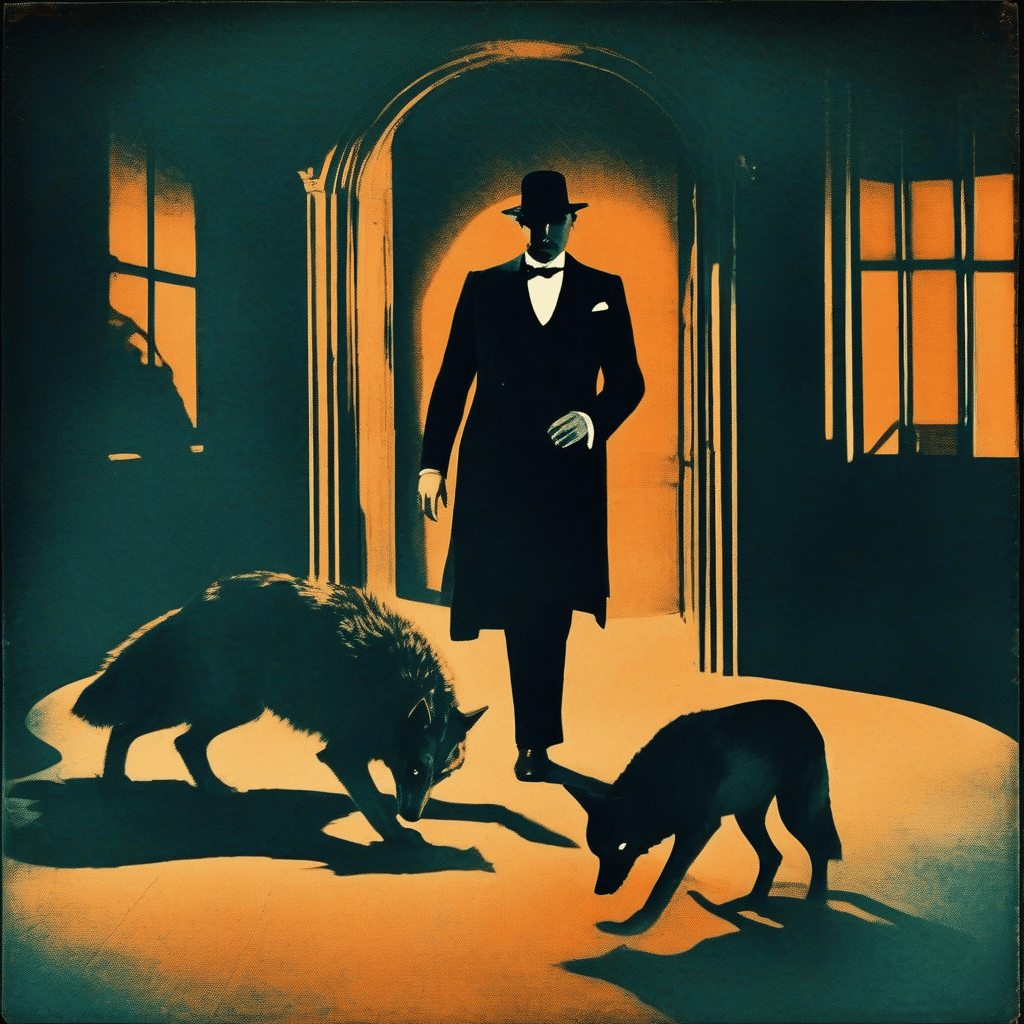
“A deep dive into the forgotten roots of cult cinema, exploring how the silent era's rebels, imposters, and moral outcasts laid the groundwork for modern midnight movie obsession.”
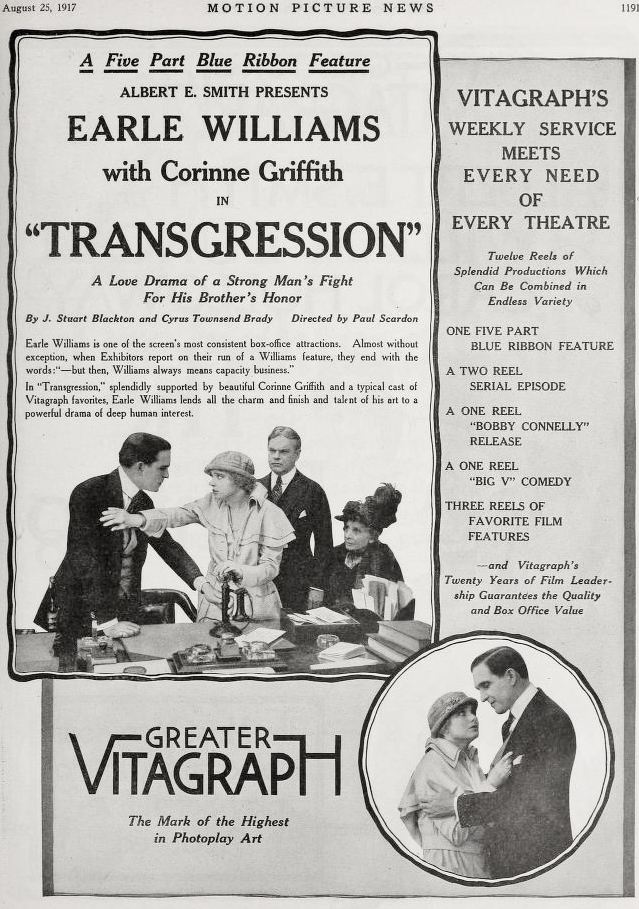
Cult cinema is often mistakenly categorized as a post-1960s phenomenon, a byproduct of the counterculture movement that birthed the midnight movie circuit. However, the genetic blueprint of the transgressive, the weird, and the misunderstood was drafted decades earlier. Long before the 1970s brought us the psychotropic visions of Jodorowsky or the campy rebellion of Waters, the silent era and the early talkies were already breeding a class of cinematic outcasts. These films, often lost to time or relegated to the dusty corners of archives, represent the true genesis of the cult ethos. To understand the modern obsession with the fringe, we must look back at the flickering shadows of the early 20th century, where the seeds of subversion were first planted.
The Architecture of Identity: Imposters and Social Mutants
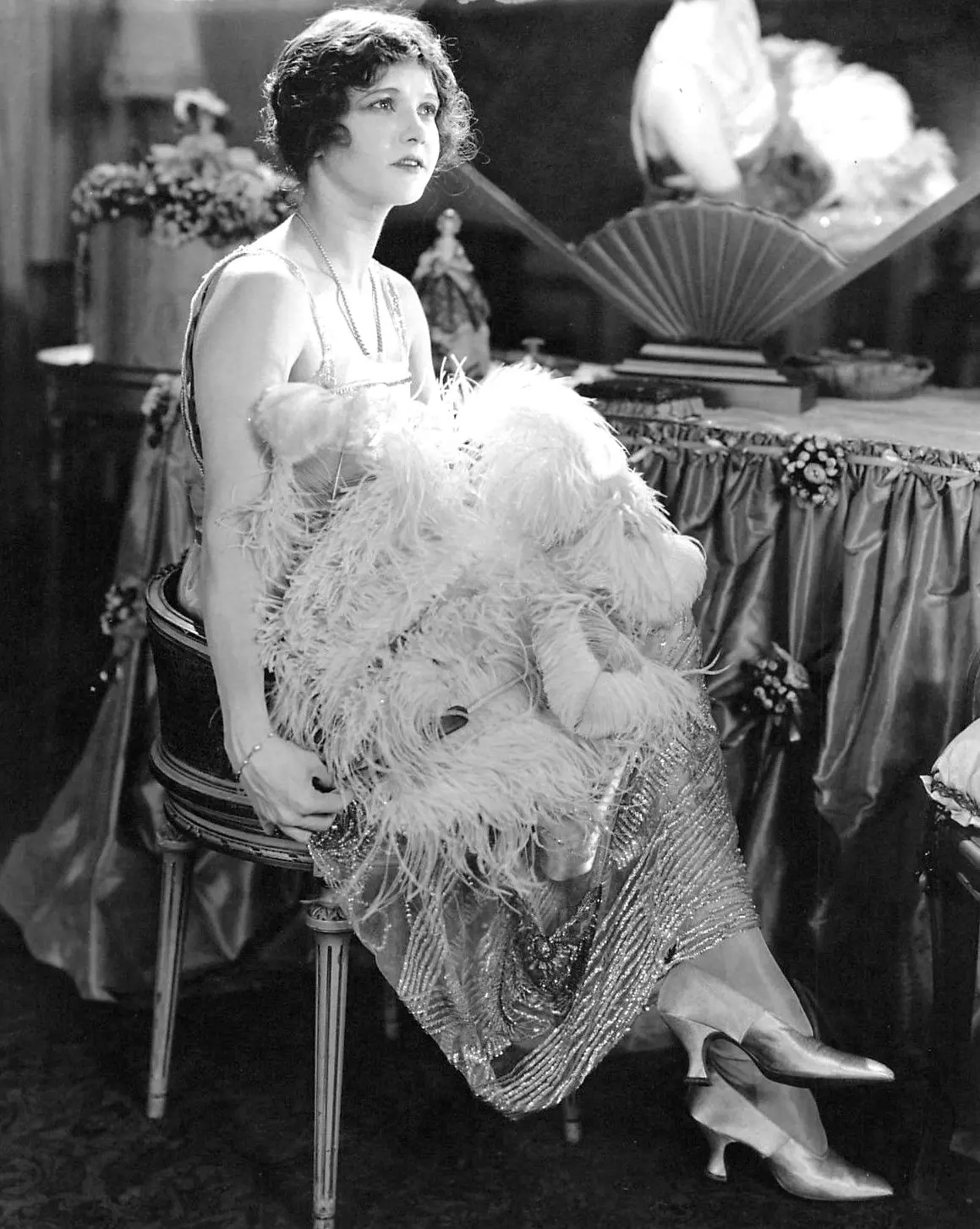
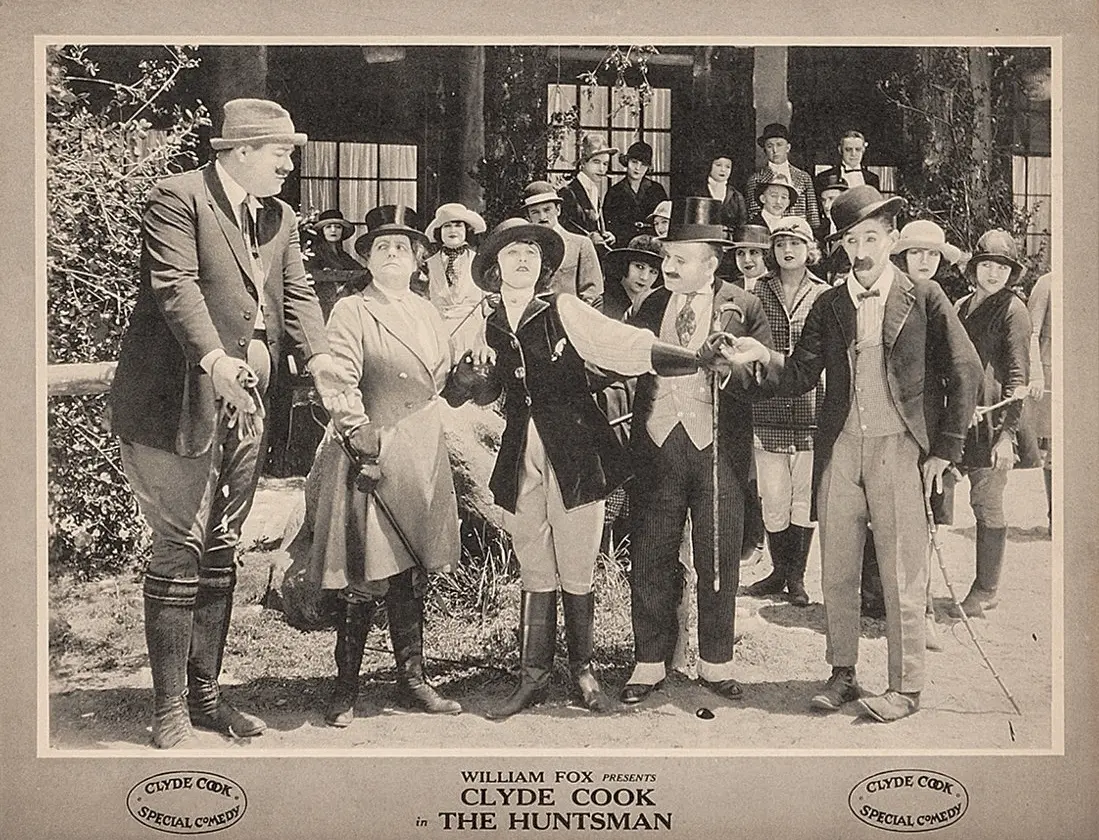
A recurring motif in early cult-adjacent cinema is the fluidity of identity. The 1920 comedy short The Huntsman offers a foundational look at the imposter archetype. When Clyde purloins the clothes of a count to infiltrate a country club, he isn't just engaging in slapstick; he is performing a class transgression that resonates with the cult cinema's love for characters who defy their social boundaries. This theme is mirrored in Among Those Present (1921), where a coat-room checker impersonates an English nobleman. These early narratives of social camouflage paved the way for later cult icons who use costume and artifice to subvert the status quo.
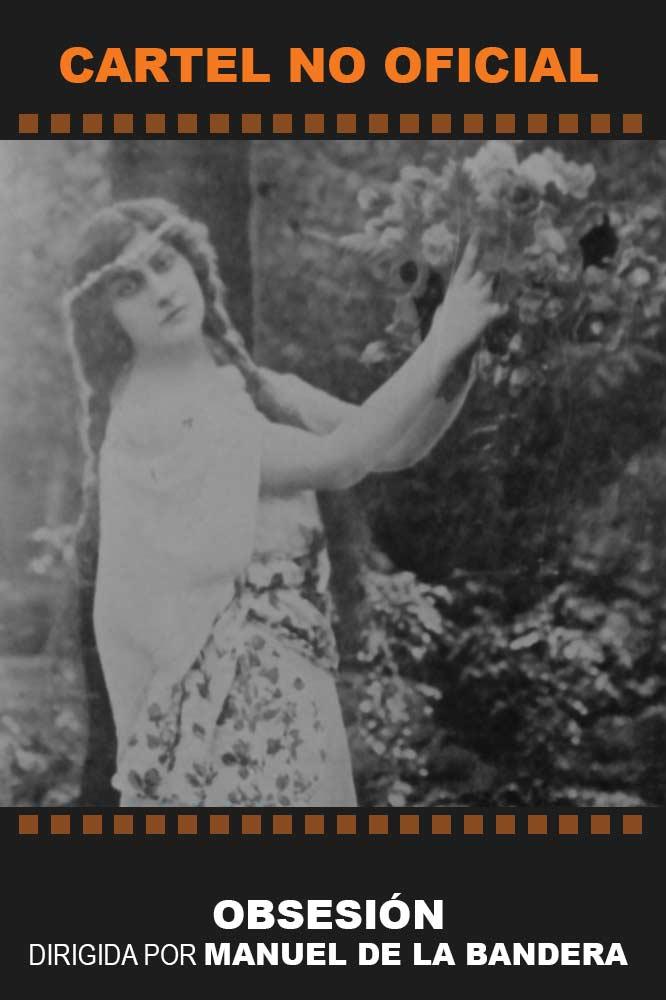
But identity in early cinema wasn't always played for laughs. In The Imp, we see a more psychological exploration of the self. After a head injury, Jane Morgan begins to believe she is a notorious pickpocket. This fracture of the psyche—the idea that our true selves are hidden beneath a thin veneer of social conditioning—is a hallmark of cult narratives. It challenges the audience to question the stability of the protagonist, a trope that would later be perfected in the psychological thrillers of the 1960s and 70s.
Moral Panics and the Forbidden Pedagogy
If cult cinema is defined by its relationship with the forbidden, then Enlighten Thy Daughter is a primary text. This film, which aimed to show the "criminal folly" of keeping women ignorant of the world's dangers, functioned as a precursor to the exploitation films of the mid-century. It operated on the fringe of acceptable discourse, using the guise of education to explore themes that the mainstream was too timid to touch. Similarly, The Soul of Buddha (1918) delved into the explosive intersection of religion and desire, featuring a sacred dancer who renounces her oath for love, only to face the vengeance of a High Priest. These films were the "dangerous" reels of their time, attracting audiences through the allure of the taboo.
The Western as a Subversive Frontier
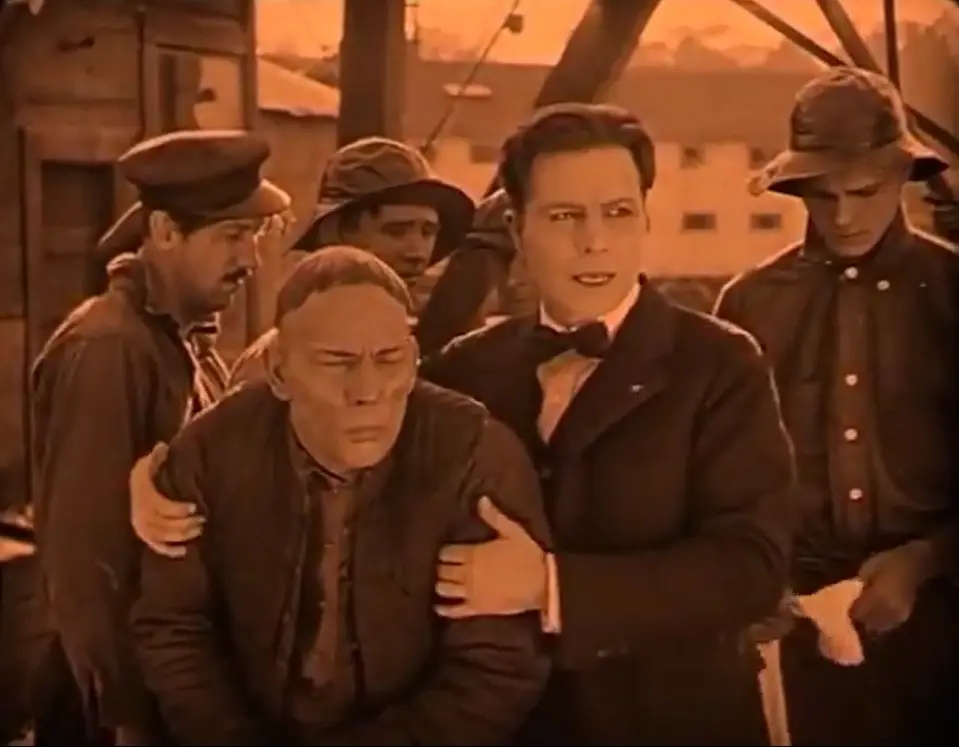
The Western is often viewed as the most traditional of American genres, yet within its early history lie gems of radical defiance. The Trigger Trail subverts the expectation of the heroic lawman by presenting a protagonist who is initially perceived as a coward. By capturing the villain single-handedly, he doesn't just restore order; he deconstructs the hyper-masculine myth of the posse. This subversion of the "hero" archetype is further explored in Hearts Up, where David Brent discovers a murder scene in a burning cabin. These films utilized the desolate landscapes of the West to tell stories of moral ambiguity, a tradition that would eventually evolve into the "Acid Westerns" of the late 20th century.
The Gothic Heart and the Shadow of Noir
The visual language of cult cinema—deep shadows, distorted perspectives, and an atmosphere of impending doom—finds its roots in films like The Gray Mask and Mästerman. In The Gray Mask, the investigation of a murder involving a gang of thieves and a dangerous explosive formula creates a sense of urban paranoia that predates the noir movement. Meanwhile, the Swedish masterpiece Mästerman presents a protagonist who is a merciless pawnbroker, a character so despised that he becomes the subject of local terror. This focus on the "unlikable" or monstrous protagonist is a cornerstone of cult film, where the audience is often asked to empathize with the villain or the societal reject.
International contributions like the Danish Midnatssjælen (The Midnight Soul) and Pigen fra Palls added a layer of European weirdness to the early cinematic landscape. Midnatssjælen, with its focus on a spoiled daughter and a controlling doctor, explores the dynamics of power and madness in a way that feels surprisingly modern. These films were not just entertainment; they were experiments in tone and atmosphere that pushed the boundaries of what the medium could achieve.
Technological Anxiety and the Birth of the Weird
One of the most fascinating entries in this forgotten canon is Denn die Elemente hassen, a tragedy centered around the invention of the videophone. In an era where cinema itself was a new technology, this film explored the existential dread associated with scientific progress. This "techno-weirdness" is a vital thread in the cult tapestry, linking the early 20th-century's fear of the machine to the cyberpunk and body-horror movements of the 1980s. When we watch a film about a videophone from the silent era, we are witnessing the birth of sci-fi as a medium for social critique and speculative horror.
The Class Struggle in the Kitchen and the Saloon
Cult cinema has always been the voice of the disenfranchised, and early films like Dining Room, Kitchen and Sink and Mules and Mortgages brought the struggles of the working class to the screen with a mixture of comedy and pathos. Dining Room, Kitchen and Sink follows a road show company dealing with crooks, highlighting the precarious nature of life on the margins of the entertainment industry. Mules and Mortgages takes on the "village nickel-nurser," a hard-hearted mortgage taxer, echoing the populist anger that has always fueled countercultural movements. Even the burlesque The Eskimo, which parodied popular features of the frozen North, showed a willingness to bite the hand that fed the industry, mocking the tropes of mainstream success.
The Legacy of the Leather Pushers and the Wise Kid
The serialized nature of early cinema also contributed to the development of cult followings. The Leather Pushers, a series of six two-reel episodes, created a recurring world that audiences could inhabit, much like the modern franchise or the long-running midnight movie serial. Similarly, films like The Wise Kid, featuring Rosie Cooper as a "wise kid" cashier in a cheap restaurant, provided audiences with relatable, street-smart protagonists who navigated the complexities of urban life with wit and resilience. These characters weren't the polished stars of the major studios; they were the gritty, authentic precursors to the indie icons of today.
In the realm of the bizarre, The $5,000,000 Counterfeiting Plot stands as a testament to the era's fascination with the criminal underworld. By weaving a tale of forged notes and secret service agents, the film tapped into a collective anxiety about the stability of the American dream. This fascination with the dark underbelly of society is what draws many to cult cinema—the desire to see the things that are usually hidden, to explore the "counterfeit" versions of reality that exist just beneath the surface.
Conclusion: The Eternal Flicker of the Fringe
The films mentioned here—from the Czech drama The Cathedral Builder to the burlesque comedy of Mutt and Jeff in Paris—are more than just historical curiosities. They are the ancestral spirits of every cult movie that has ever graced a screen. They represent a time when the rules of cinema were still being written, allowing for a level of narrative and visual anarchy that is rarely seen in the modern mainstream. Whether it is the tragic invention of a videophone or the social climbing of an imposter count, these stories reflect a primal urge to subvert, to question, and to transcend.
As we continue to celebrate the cult classics of the 70s, 80s, and beyond, let us not forget the renegades of the silent era. They were the first to understand that cinema is at its most powerful when it speaks to the outcasts, the dreamers, and the deviants. The next time you find yourself at a midnight screening, remember that the spirit of that rebellion was born over a century ago, in the flickering light of a hand-cranked projector, telling stories of people who, like us, dared to be different.
The journey from The Lure of Luxury to the modern indie darling is a straight line of defiance. By unearthing these primal transgressions, we don't just honor the past; we ensure that the future of cinema remains as weird, as daring, and as unconventional as the pioneers who first stepped into the light of the Trigger Trail.
Community
Comments
Log in to comment.
Loading comments…