
Cult Cinema
The Renegade's Retrospective: Decoding the Subversive DNA of Early Cinema's Misfit Masterpieces
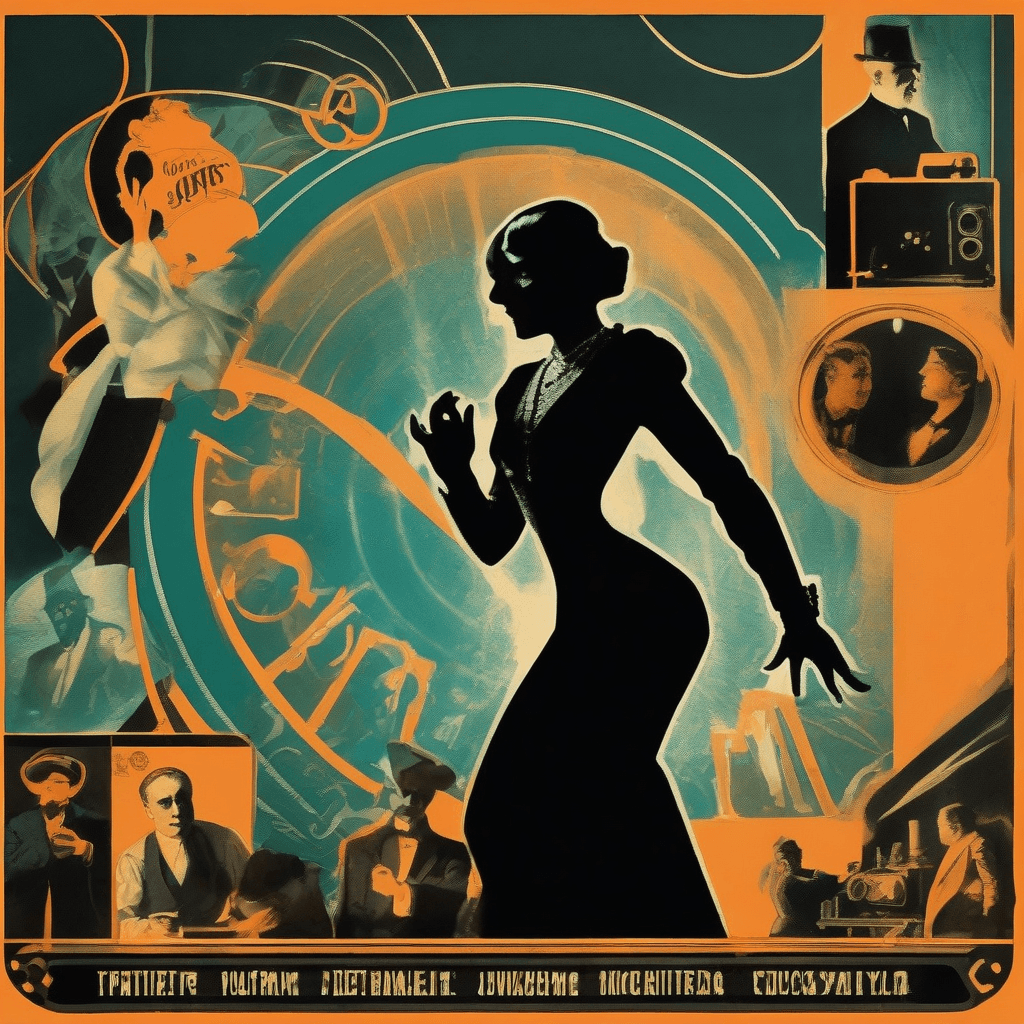
“Explore the hidden origins of cult cinema through the lens of early 20th-century genre mutants and the rebellious narratives that defined a century of underground fandom.”
The concept of cult cinema is often associated with the midnight movie craze of the 1970s—the era of leather-clad rebels, cosmic horror, and campy musicals. However, to truly understand the alchemy of the niche and the obsessive, we must look further back into the celluloid shadows of the early 20th century. Long before the term 'cult' was coined by film scholars, the foundations of subversive storytelling were being laid by genre mutants and narrative anomalies that refused to fit the burgeoning Hollywood mold. These were the misfit masterpieces, the films that spoke to the disenfranchised, the weird, and the radically curious.
The Psychological Fringe and the Birth of the Midnight Mindset
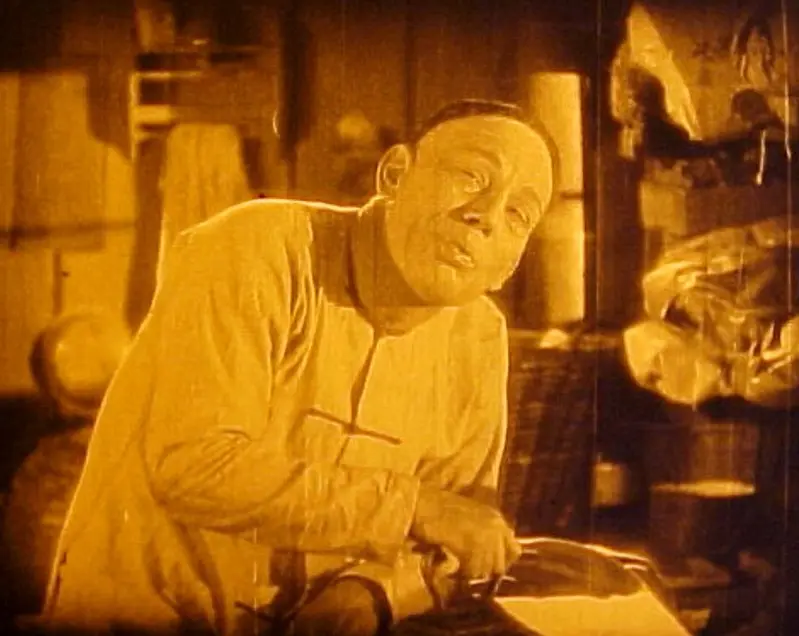
At the heart of every cult film lies a sense of transgression—a willingness to explore the darker, more fractured corners of the human experience. In the 1918 production of The Bells, we see an early prototype of the psychological thriller that would later define the cult aesthetic. This isn't just a story of crime; it is a visceral descent into madness, where a murderer is driven slowly insane by coincidences and guilt. This internal anarchy mirrors the narrative instability that modern cult fans crave. It’s the kind of film that doesn't just ask for an audience; it asks for a witness to its psychological disintegration.
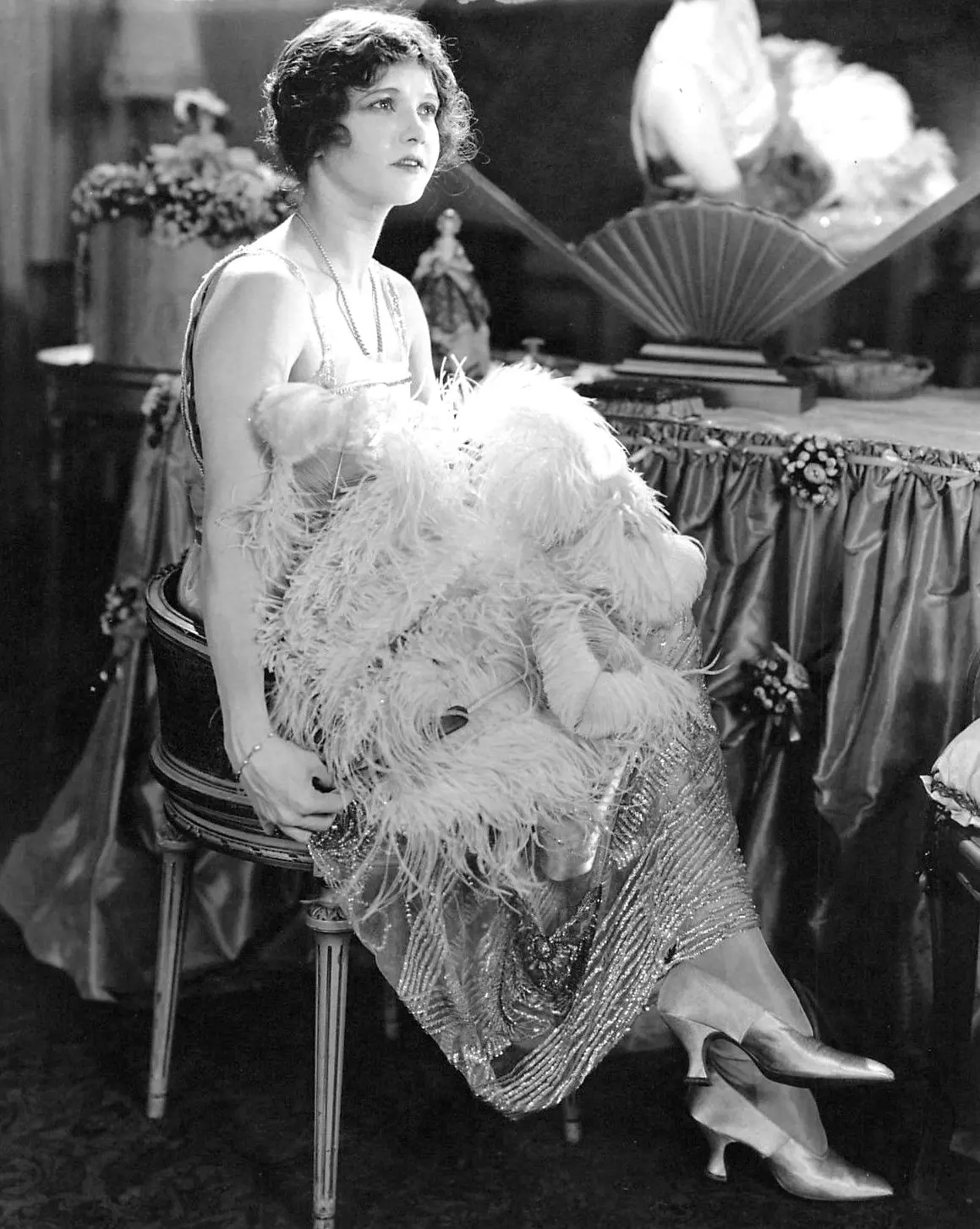
Similarly, Why Girls Leave Home (1921) tapped into a primal social rebellion. By centering on a protagonist who rejects the strict domesticity of her father's house for the unknown dangers of the city, it pre-coded the 'rebel without a cause' archetype. These films weren't merely entertainment; they were mirrors for a generation feeling the first tremors of modernity. Cult cinema thrives on this friction between the individual and the institution, a theme found in the struggles of Anna Hedder as she navigates the seductive and dangerous world outside her front door.
The Archetype of the Reformed Outlaw
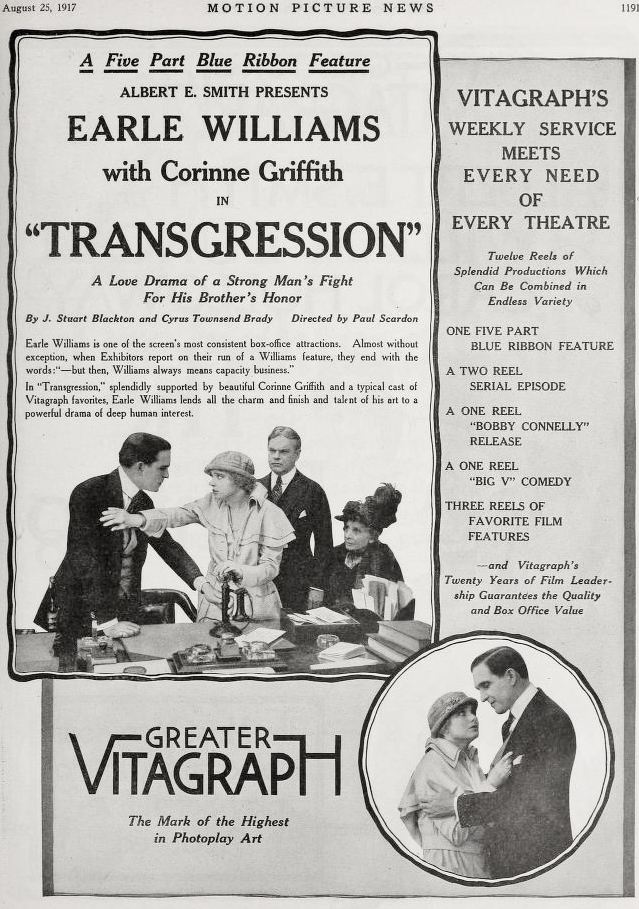
Cult cinema has always had a love affair with the anti-hero—the character with a tarnished past who finds a strange, often violent form of redemption. Take The Twinkler, where Bob Stephany, fresh from a long prison stretch, finds his path to salvation through the Dynamo Room of his past. The 'reformed criminal' trope is a cornerstone of the cult lexicon, providing a platform for exploring morality outside the black-and-white constraints of mainstream morality. We see this again in The Valentine Girl, where a father's criminal past is softened by the 'enchanting influence' of his daughter, leading to a renunciation of crime that feels both melodramatic and deeply personal.
Genre Anarchy: When the Frontier Becomes the Fringe
The Western is often seen as the most rigid of genres, yet early cinema used the frontier as a laboratory for genre-bending. Buster Keaton’s The Paleface is a prime example of how comedy and social commentary could collide in a way that feels distinctly 'cult.' By having a character help a Native American tribe save their land from oil barons, the film subverts the traditional 'cowboys vs. Indians' narrative, offering a proto-activist stance wrapped in slapstick. This subversion is what draws the cult viewer—the discovery of a hidden message within a familiar framework.
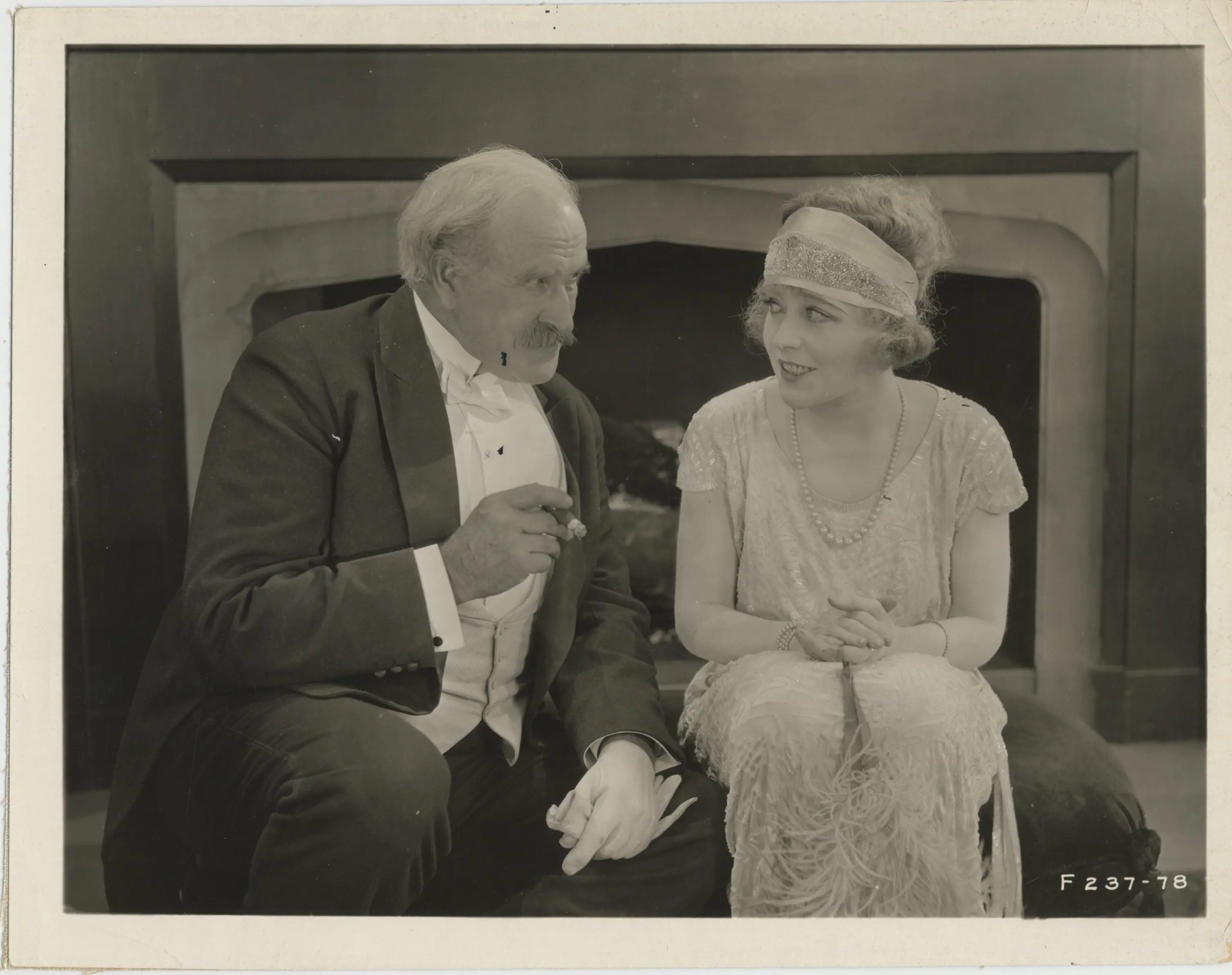
In The Law of the Yukon and The Lure of Heart's Desire, the frozen North becomes a stage for tales of betrayal, working-class struggle, and the flight from civilization. These films often featured characters like Morgan Kleath, fleeing unfaithful wives and seeking a new life through the power of the press. This idea of 'escaping to the edge' is central to the cult experience; the films themselves are often located on the edge of the canon, much like their protagonists are located on the edge of the world.
The Melodramatic Mutant: Emotion as Rebellion
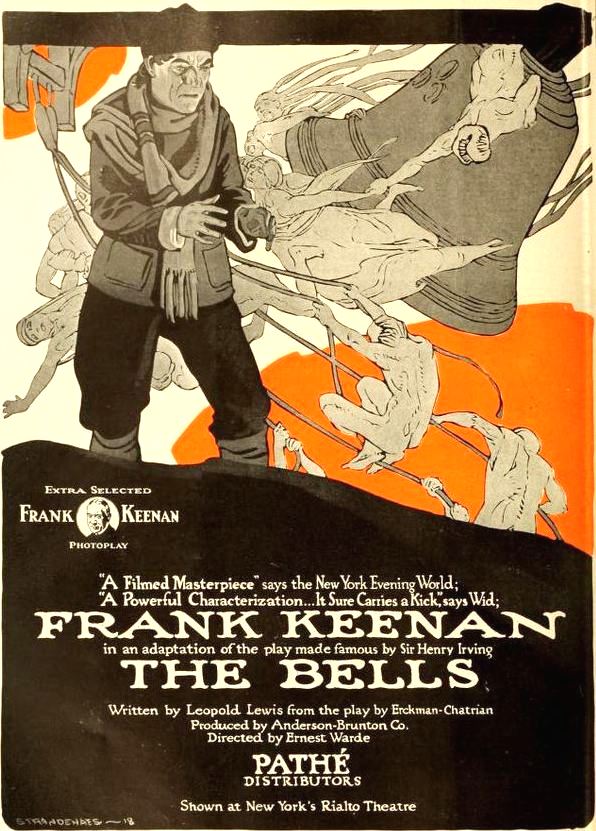
Modern cult cinema often embraces 'camp' or high-intensity melodrama, where the performance itself becomes a site of fascination. Stronger Than Death (1920) features a French dancer, Sigrid, who is told she must never dance again due to a weak heart. Yet, in a climax of sheer emotional excess, she dances to quell a native uprising. This 'death-defying performance' is the essence of the cult spectacle—a moment where the logic of the plot is sacrificed for the power of the image and the intensity of the emotion. It is the cinematic equivalent of a punk rock show: dangerous, beautiful, and slightly absurd.
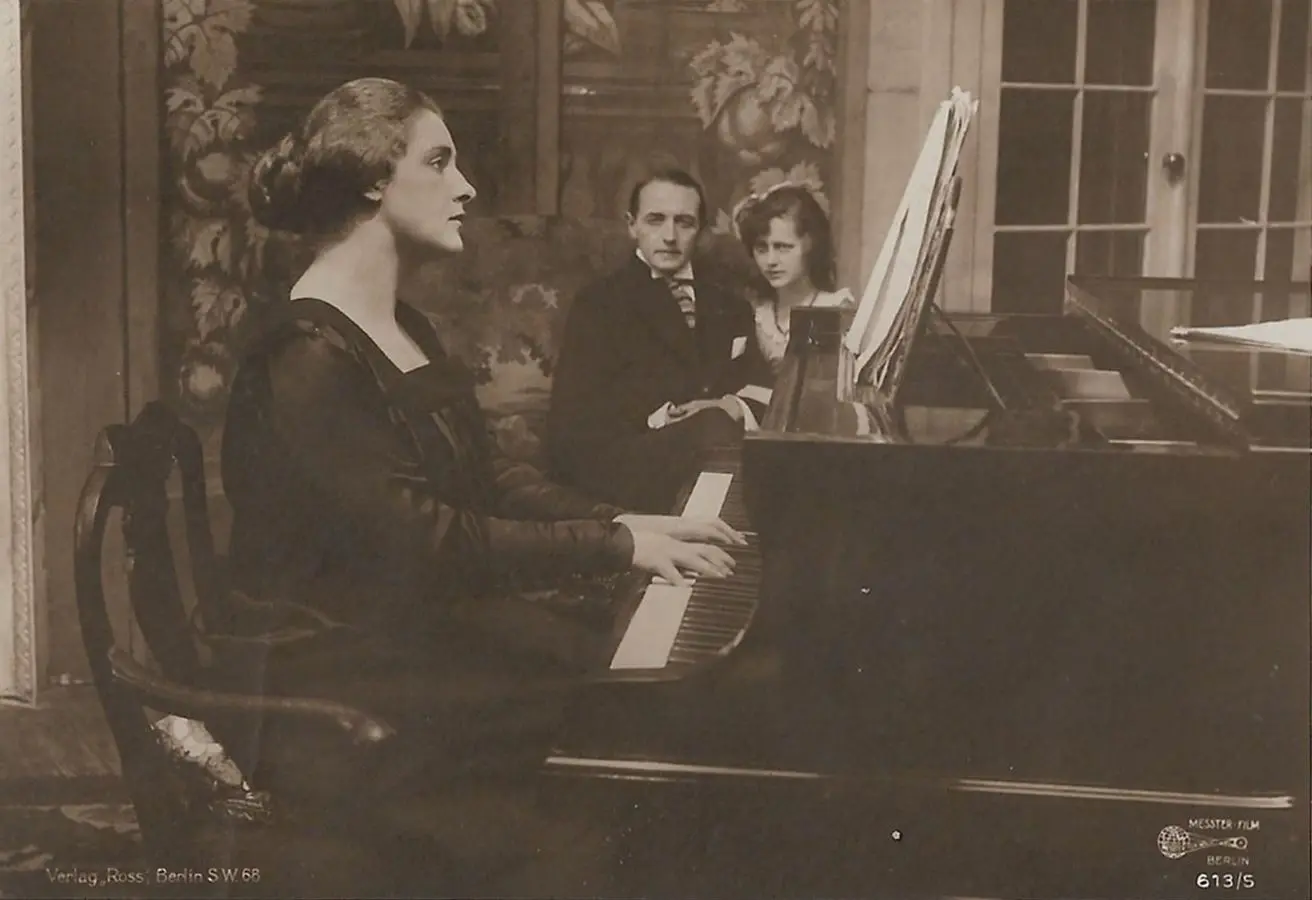
This same intensity is found in M'Liss (1918), where Mary Pickford’s feisty mining-camp girl fights against a lynching to save her innocent lover. The 'feisty outcast' is a recurring figure in cult history, representing a raw, unpolished energy that stands in stark contrast to the refined heroines of the studio era. These characters don't just exist within their stories; they burst out of them, demanding the audience's devotion.
Global Deviance and the International Cult Connection
The cult mindset is not limited by borders. The early 20th century saw a flurry of international films that brought unique, often jarring perspectives to the screen. The Bengali film Andhare Alo explored the conflict between family duty and the modern world through a love triangle involving an 11-year-old girl—a narrative that, while culturally specific, touches on the universal cult theme of forbidden or unconventional love. Similarly, the Bulgarian Lyubovta e ludost (Love is Madness) uses the trope of the 'opposing aunt' to create a comedic yet frantic energy that feels like a precursor to the screwball cult classics of later decades.
In Europe, films like Danton and The Betrothed took historical and literary narratives and infused them with a sense of impending doom and pestilence. Cult fans are often drawn to the aesthetic of decay, and the depiction of the French Revolution or the Great Plague of Milan provided a visual richness that was both terrifying and hypnotic. These films proved that the 'cult' label could apply to the epic just as easily as the intimate, provided the vision was uncompromisingly singular.
The Documentary as Cult Artifact
Even the earliest documentaries possessed a 'cult' quality, often by providing a voyeuristic look into worlds that were otherwise inaccessible. Life in a Western Penitentiary, a documentary about the Yuma Territorial Prison, offered a raw, unvarnished look at incarceration. For an audience in the 1910s, this was the 'mondo' film of its day—a shocking, fascinating glimpse into the 'other.' Rebuilding Broken Lives, which showed the Red Cross creating artificial limbs for maimed soldiers, carried a different kind of cult weight—the fascination with the body, its fragility, and its mechanical reconstruction. These films highlight a key aspect of cult fandom: the desire to see what is hidden, whether it be the interior of a prison or the reconstruction of a human form.
The Legacy of the Forgotten: Why We Still Watch
Why do we return to films like The Millionaire Baby or The Girl of the Rancho? It is not just for historical curiosity. It is because these films contain the genetic code of everything we love about cult cinema today. They represent a time when the rules of filmmaking were still being written, and the boundaries between genres were fluid. They are 'misfits' because they contain elements that the mainstream eventually discarded—excessive melodrama, radical social politics, and a deep, abiding interest in the psychological fringe.
When we watch Was He a Coward?, we aren't just seeing a story about a spendthrift son; we are seeing the birth of the 'tempestuous career' narrative that would eventually lead to films like The Wild One or Easy Rider. When we watch Die Silhouette des Teufels, we are seeing the early roots of the 'femme fatale' and the 'spellbinding stranger,' archetypes that would haunt the noir and neo-noir cult classics for decades to come.
Cult cinema is a sanctuary for the unconventional. It is a space where the 'daughter of the poor' can become a socialist icon, as in A Daughter of the Poor, and where an aviator’s death in a circus can lead to a con-man’s adventure in Flirting with Death. These films remind us that cinema has always been a medium of rebellion. From the mining camps of the Yukon to the streets of revolutionary France, the silent era’s genre outcasts were the original renegades, paving the way for every midnight movie, every underground classic, and every obsessive fandom that followed.
In the end, the 'cult' label is a mark of enduring resonance. A film becomes a cult classic because it refuses to be forgotten, even when the industry moves on. These 50 films, from the comedic shorts of Now or Never to the dramatic heights of Thou Shalt Not Steal, are more than just relics. They are the living ancestors of our modern cinematic obsession, proving that the heart of the misfit has always been the strongest beat in the world of film.
Community
Comments
Log in to comment.
Loading comments…