
Cult Cinema Deep Dive
The Rogue's Reliquary: How the Silent Era’s Subversive Experiments Defined the Modern Cult Archetype
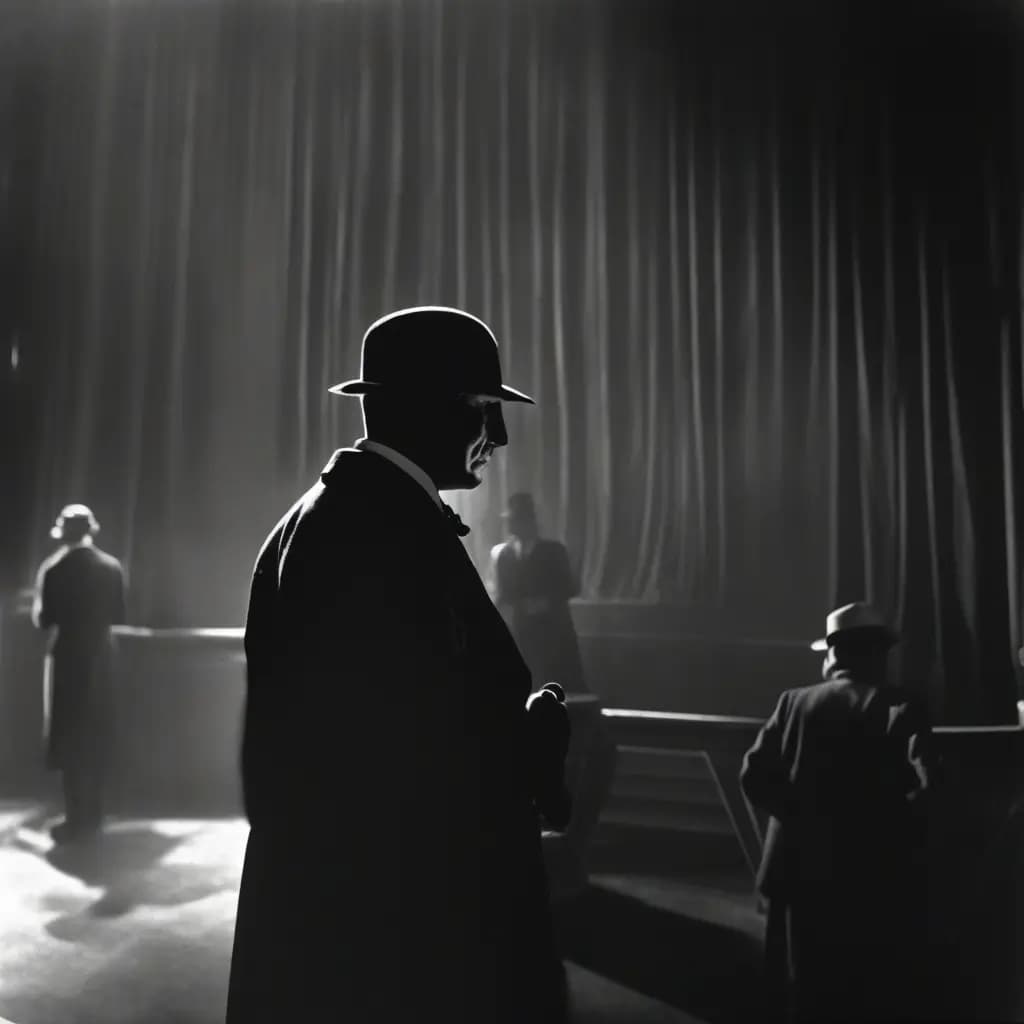
“Explore the hidden history of cinematic rebellion as we trace the origins of cult obsession back to the silent era's most daring and unconventional genre-defying masterpieces.”
The history of cinema is often written as a linear progression of technological marvels and mainstream successes, but beneath the glossy surface of Hollywood’s Golden Age lies a darker, more chaotic lineage. Long before the term midnight movie was coined in the smoke-filled theaters of the 1970s, the seeds of cult obsession were being sown in the flickering shadows of the silent era. These were the films that refused to play by the rules—the narratives that embraced the deviant, the experimental, and the outright bizarre. This is the story of the rogue's reliquary: a collection of early cinematic experiments that provided the genetic blueprint for every cult classic that followed.
The Genesis of the Cinematic Outlaw
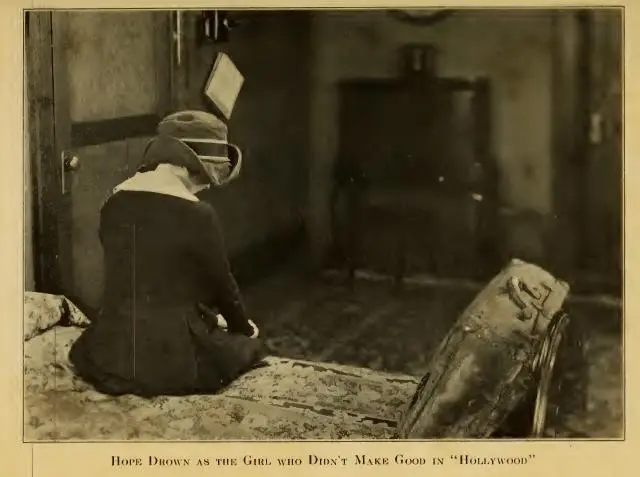
In the early 20th century, filmmakers were still discovering the language of the moving image. While many adhered to traditional theatrical structures, a brave few began to explore the darker corners of the human experience. Consider the 1920 film The False Road. At its core, it is a crime drama about Roger Moran, a thief who attempts to leave his life of crime after a prison sentence. However, its focus on the psychological toll of social ostracization and the magnetic pull of the underworld predates the gritty realism of modern noir cults. It asks a question that remains central to cult cinema: can a person ever truly escape the labels society places upon them?
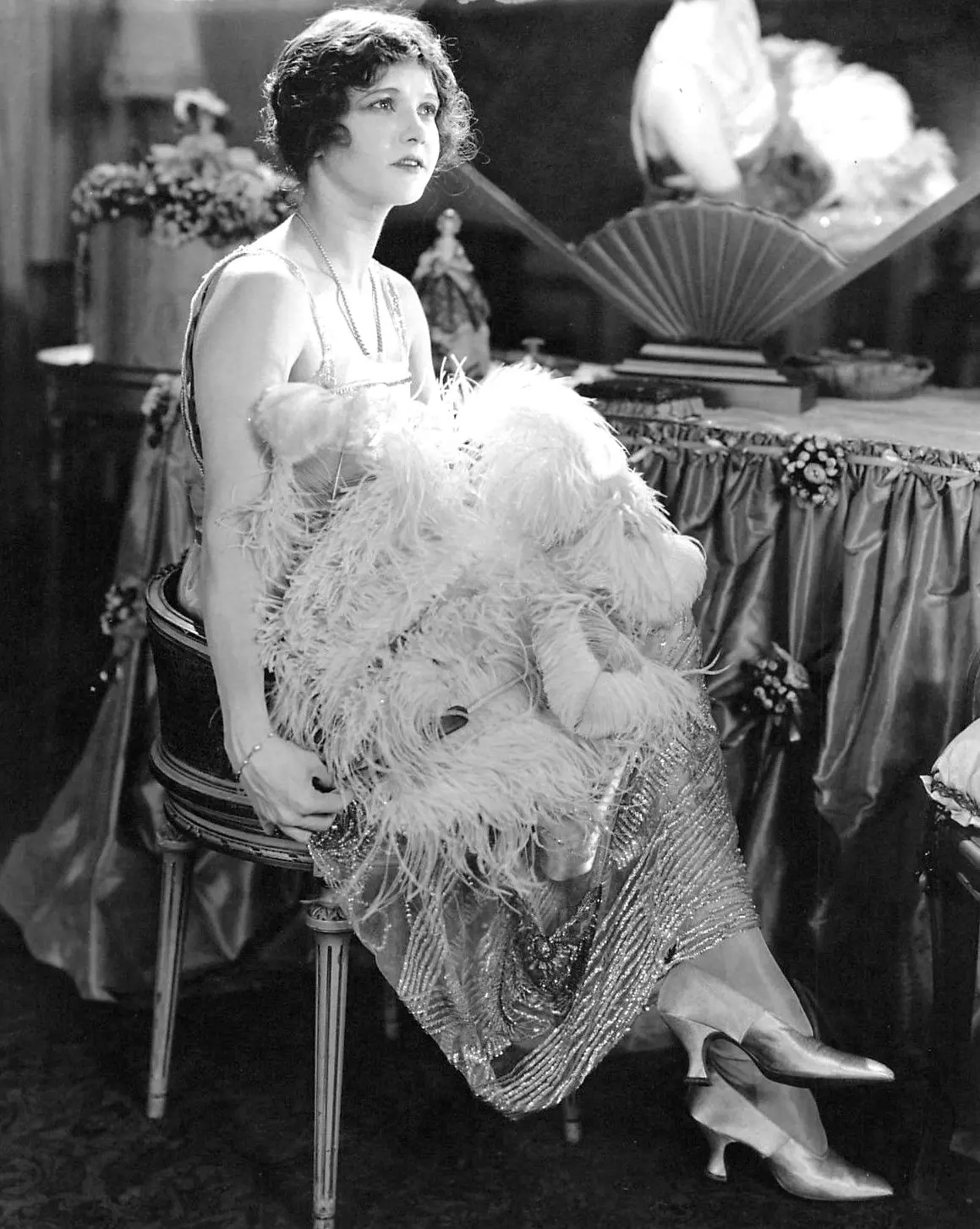
Similarly, The Coward (1915) challenged the patriotic fervor of its time by presenting a protagonist, Frank Winslow, who is paralyzed by fear. By centering a narrative on a character who runs away from battle, the film subverted the typical heroic archetype, creating a space for the anti-hero—a figure that would later become a staple of cult devotion. These films didn't just tell stories; they challenged the moral status quo, inviting the audience to empathize with the flawed, the broken, and the rejected.

Visual Anarchy and the Avant-Garde Impulse
Cult cinema is often defined by its aesthetic eccentricity—a willingness to prioritize mood and visual experimentation over narrative clarity. One of the most fascinating examples of this in the early era is Uneasy Feet. This comic short is a masterpiece of formalist rebellion, where the entirety of the action is performed by legs and feet. It is a surrealist experiment that feels remarkably modern, prefiguring the absurdist humor and visual playfulness of filmmakers like Terry Gilliam or David Lynch. By stripping away the human face, the film forces the viewer into a state of defamiliarization, a hallmark of the cult experience.
We also see this impulse in Unreal News Reel, a compilation of archive footage that mocks the very medium of the newsreel. It represents an early form of meta-commentary, a technique that would eventually define the self-aware cult films of the postmodern era. These films were not merely entertainment; they were critiques of the medium itself, produced by creators who were bored with the standard cinematic vocabulary and sought to invent something entirely new.
The Allure of the Taboo and the Mystical
The cult following is often built around a shared fascination with the forbidden. In the silent era, this often manifested as an exploration of religious and mystical themes that bordered on the transgressive. Restitution (1918) is a prime example, offering a vivid depiction of the temptation of Eve by Lucifer. Its grand, operatic approach to biblical narrative allowed for a level of visual spectacle and moral ambiguity that fascinated audiences. It tapped into a primal need for cinematic ritual, turning the theater into a space of collective contemplation of the divine and the demonic.

This trend continued with films like Spellbound (1916), which introduced elements of Eastern mysticism and the supernatural into the Western drawing-room drama. By bringing a mysterious idol from India into a British household, the film played on the colonial anxieties of the era while simultaneously indulging in a fascination with the "other." This blend of the mundane and the magical is a recurring motif in cult cinema, where the intrusion of the extraordinary into the ordinary creates a sense of unearthly wonder.
Global Dissent: The International Roots of the Fringe
Cult cinema has never been a purely American phenomenon. The silent era saw a global explosion of misfit narratives that reflected the unique cultural anxieties of their respective nations. In Sweden, Johan (1921) explored the tension between traditional peasant life and the seductive, destructive power of the outsider. The "enigmatic stranger" who seduces the farmer's wife is a figure that recurs throughout film history, representing the primal threat to social order that cult audiences often find so compelling.
In Portugal, Mulheres da Beira (1923) offered a stark, romanticized look at the agony of abandonment, while Norway’s Revolutionens datter (1918) used the shipyard as a backdrop for a story of class struggle and forbidden love. These films prove that the rebel spirit of cult cinema is a universal language. Whether it is the workers' demands in a Norwegian shipyard or the romantic disillusionment in a Parisian museum in The Cigarette, these stories resonated with those who felt out of sync with the prevailing winds of history.
Social Realism and the Slum Narrative
While many silent films focused on the lives of the wealthy and the noble, a significant subset of the "fringe" chose to look downward. Films like The Big Sister (1916) and Common Clay (1919) brought the struggles of the urban poor and the "unwed mother" to the screen. Common Clay, in particular, was a radical piece of social commentary, depicting a department store clerk who becomes a victim of a police raid and subsequently fights for her place in a judgmental society.
These narratives provided a voice for the voiceless, and in doing so, they attracted a devoted audience that saw their own struggles reflected in the flickering light. The slum narrative was not just about poverty; it was about the resilience of the human spirit in the face of systemic injustice. This thematic core remains a vital part of cult cinema today, from the gritty independent films of the 90s to the modern social thrillers that dominate the festival circuit.
The Legacy of the Forgotten Reels
Many of the films from this era, such as The Tiger Band or Beware of the Law, exist now only as fragments or footnotes in academic journals. Yet, their influence is undeniable. They were the first to experiment with genre-bending, mixing comedy, crime, and mystery in ways that baffled contemporary critics but delighted the adventurous viewer. Films like Gas, Oil and Water (1922) combined the tropes of the gas-station comedy with the high-stakes intrigue of government espionage, creating a hybrid form that would later be perfected by the cult directors of the 70s and 80s.
The endurance of cult cinema lies in its ability to transform the obscure into the iconic. A film like Pinto (1920), which tells the story of a rough-and-tumble ranch girl being "civilized" by five wealthy Arizonans, might seem like a simple comedy, but it carries within it the DNA of the "fish out of water" stories that have fueled countless cult fandoms. It is about the clash of cultures, the refusal to conform, and the ultimate triumph of the individual over the collective.
Why We Worship the Misfit
Ultimately, the reason we continue to dig through the archives for films like The Golden Idiot or The Delicious Little Devil is that they represent a time when cinema was truly wild. Before the industry became a streamlined machine of market-tested blockbusters, it was a playground for the eccentric and the daring. The cult movie soul is not something that can be manufactured; it is something that is forged in the fires of artistic rebellion.
When we watch Beyond the Rocks (1922), we aren't just watching a romance between a millionaire's wife and a nobleman; we are watching the birth of the melodramatic excess that would eventually lead to the camp classics of the mid-century. When we marvel at the ducks in The Little Dutch Girl (1915), we are connecting with a sense of pastoral whimsy that provides the counterpoint to the era's more transgressive works. Every one of these films—from the high-octane thrills of Overland Red to the quiet tragedy of Forget-Me-Not—contributes a thread to the vast tapestry of cult cinema.
Conclusion: The Eternal Flicker
The rogue's reliquary is never truly closed. As long as there are filmmakers willing to take risks and audiences hungry for the unconventional, the spirit of the silent era's misfits will live on. We see it in the DIY aesthetics of modern indie film, in the boundary-pushing narratives of international cinema, and in the enduring devotion of fans who gather in the dark to worship at the altar of the unusual. The silent era didn't just give us the movies; it gave us the cult—a community of seekers, rebels, and dreamers who know that the most interesting stories are always found on the fringe.
In the end, films like The Wolf and His Mate or A Prince of India remind us that cinema is at its best when it is a little bit dangerous, a little bit strange, and entirely unapologetic. They are the ancestral ghosts that haunt our modern screens, whispering that the true power of film lies not in its ability to reflect the world as it is, but in its power to imagine the world as it could be—if only we are brave enough to look into the shadows.
Community
Comments
Log in to comment.
Loading comments…