
DbcultAccessing Vault...
Film History
Archivist John
Senior Editor
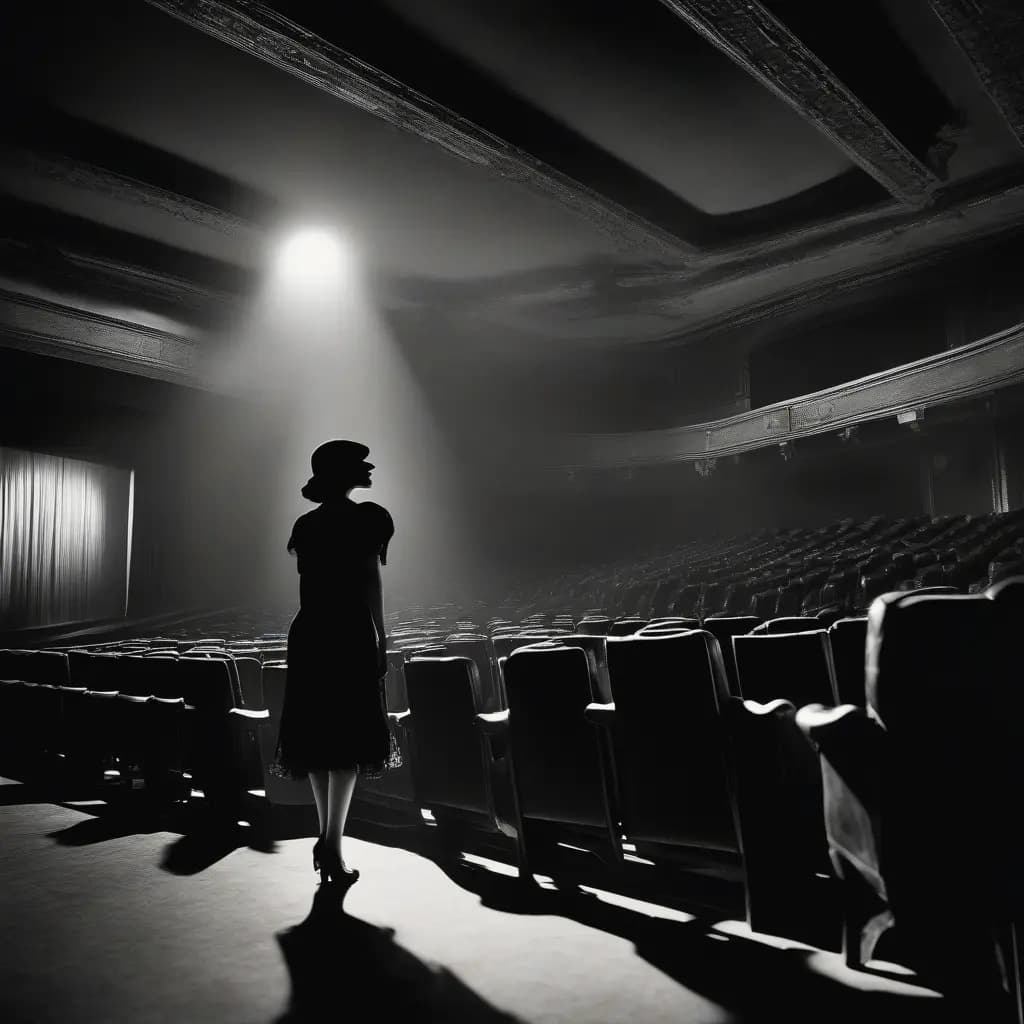
Long before the midnight movie became a counter-culture rite or the grindhouse theaters of the 1970s dripped with the sweat of the forbidden, there was the 'Social Hygiene' film. In the hazy, flickering infancy of the 1910s and 20s, cinema was a wild frontier, a medium so potent that the moral guardians of the era felt compelled to collar it. But in their attempt to domesticate the moving image, they inadvertently created the very thing they feared: a blueprint for transgressive obsession. By slapping a label of 'education' or 'moral warning' onto reels of vice, these early distributors discovered a loophole that would define the underground for a century. They didn't just show the light; they meticulously documented the dark, teaching audiences exactly how to look at the shadows.
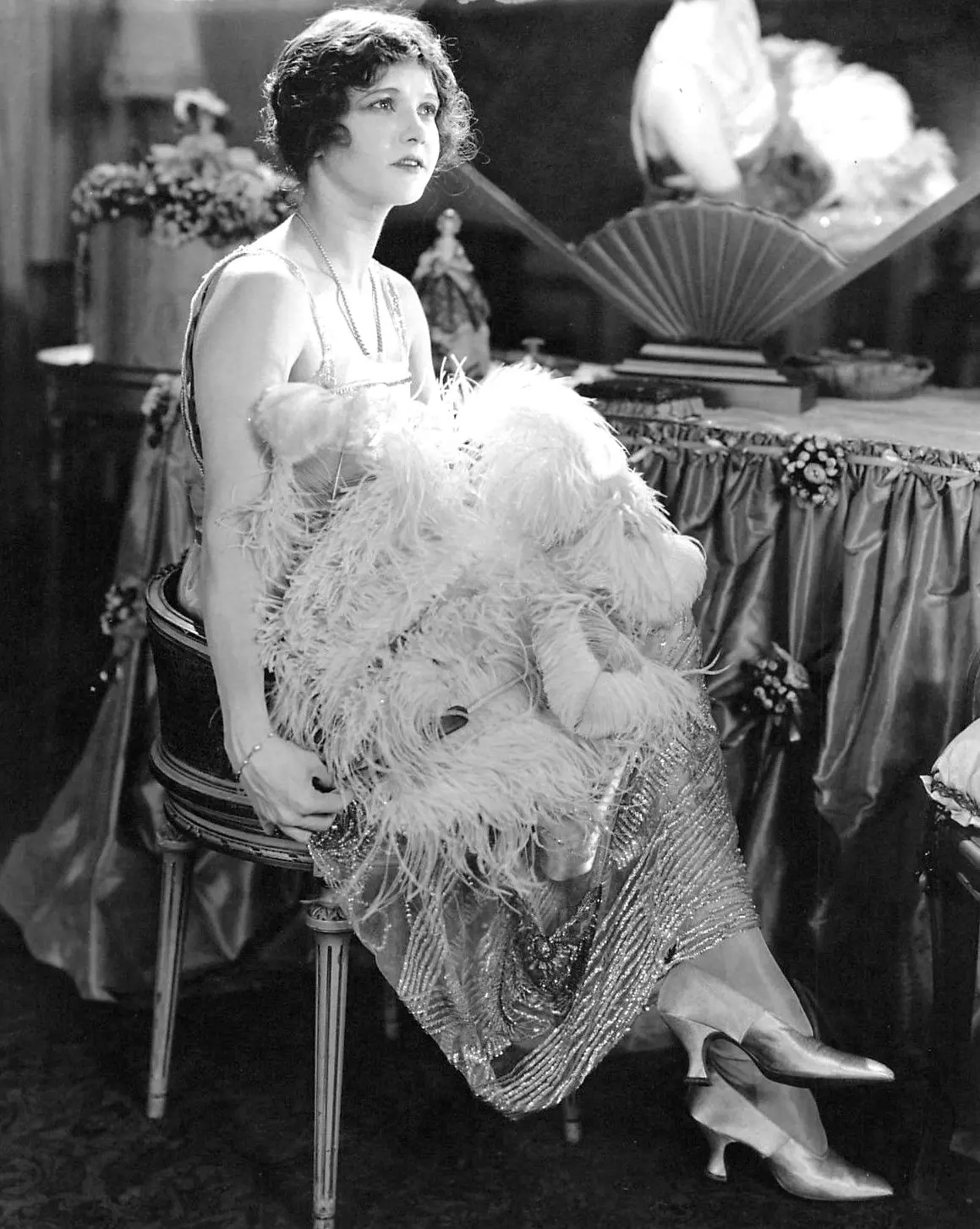
The genius of this era lay in its hypocrisy. To show a woman of 'ill repute' was a scandal; to show her as a cautionary example for the youth was a public service. This semantic sleight of hand allowed films like The Man-Eater (1919) or Mrs. Dane's Defense (1918) to bypass the burgeoning censorship boards by masquerading as sermons. Yet, for the audience sitting in the velvet-clad darkness of a 1918 nickelodeon, the 'lesson' was secondary to the spectacle. They were there for the indiscretion, the fall from grace, and the gritty texture of a life they were told never to lead. This was the birth of the voyeuristic gaze—a fundamental pillar of what we now recognize as the cult mindset.
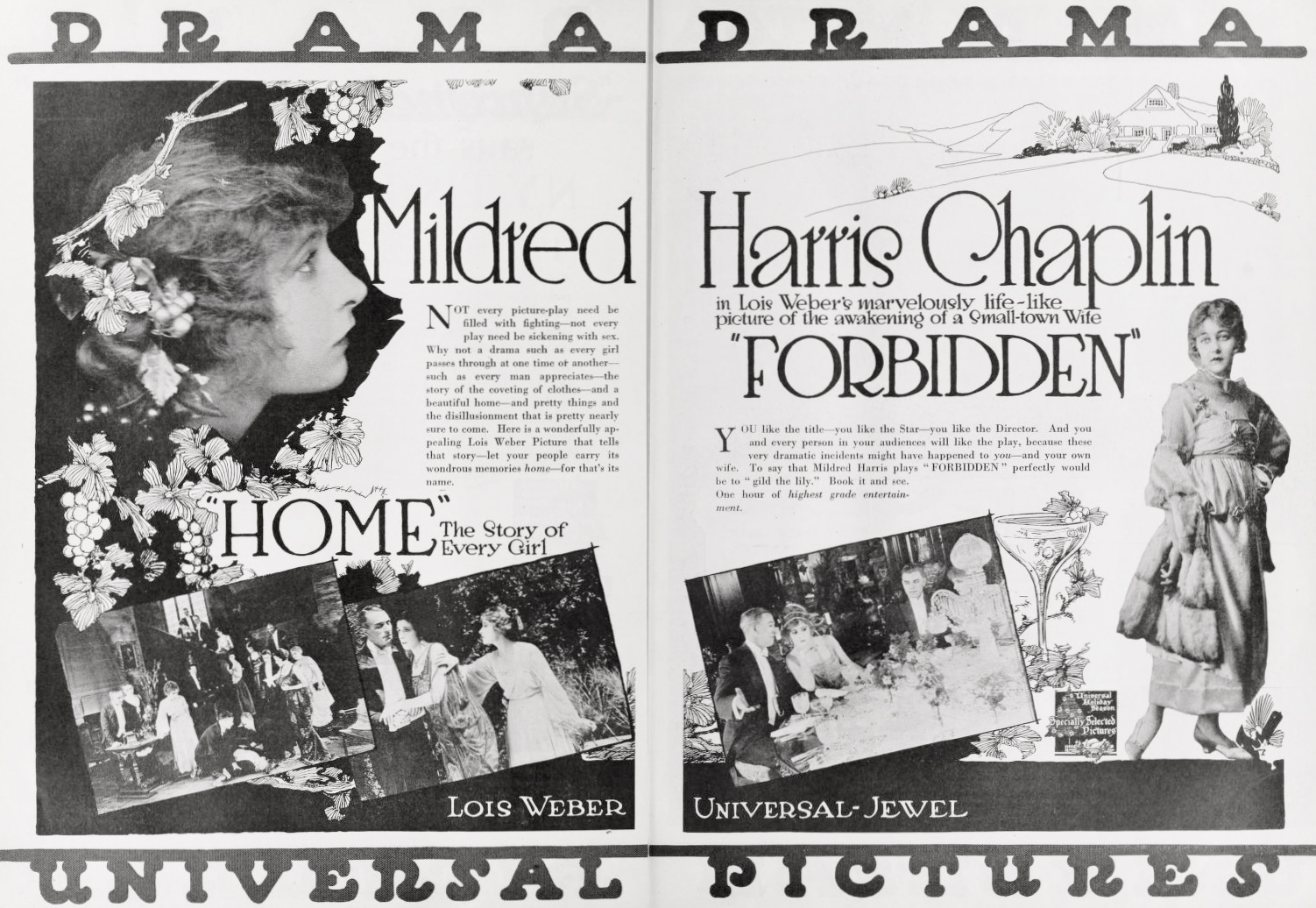
The silent era was obsessed with the cost of a secret. In Mrs. Dane's Defense, we see the prototypical 'woman with a past.' The film ostensibly warns against the futility of hiding one's identity, but its real power lies in the tension of the reveal. It suggests that our true selves are not the masks we wear in polite society, but the hidden 'indiscretions' that lurk beneath the surface. This theme of the fragmented self would later become a hallmark of psychological horror and noir, but here it was served as a moral vegetable, hidden inside the sweet fruit of melodrama.

Consider the 1919 film Thou Shalt Not. The title is a biblical command, a heavy-handed finger-wagging from the screen. Yet, the narrative follows a young woman infatuated with a brakeman, defying her parents and the village minister. The film’s magnetism doesn't come from the eventual moral restoration; it comes from the rebellion. It validates the viewer's own desire to stray from the path of Bedford village, even as it pretends to reinforce the status quo. This is the 'forbidden' logic: the more a film shouts its morality, the more it highlights the allure of the transgression.

The 'Social Hygiene' film was the original clickbait; it promised the viewer a glimpse of the gutter under the guise of keeping them out of it.
While the social melodramas handled the 'sins of the flesh,' another strain of early cinema was beginning to explore the 'sins of the mind' and the terrors of the future. The 1920 film The Invisible Ray is a startling early entry into the sci-fi canon that feels like a fever dream of post-war paranoia. The discovery of a death ray—and the subsequent hunt for its control—taps into a primal fear of the unseen. It isn't just about a gadget; it's about the vulnerability of the human body in an age of accelerating technology.

This technophobia was echoed across the Atlantic in the German production Denn die Elemente hassen (1921), a tragedy centered on the invention of the videophone. To a modern audience, the idea of a videophone being a source of 'tragedy' seems quaint, but in 1921, the idea of being seen when you didn't want to be—of the walls of your home becoming transparent through wires—was a legitimate existential threat. These films were the ancestors of Cronenbergian body horror and the 'tech-gone-wrong' tropes of modern cinema. They captured a moment where humanity realized that its own inventions might eventually outpace its morality.
In the 1916 film The Little Liar, we see a fascinating intersection of class warfare and psychological escapism. Maggie, the protagonist, lives in a bleak slum and copes with her reality by becoming a compulsive liar. The film is a brutal look at how poverty forces the mind to fracture. When Maggie is accused of shoplifting, her history of 'fiction' makes her innocence impossible to prove. It’s a devastating critique of a social system that punishes the imagination of the poor.
This focus on the 'underclass' or the 'misfit' is where the heart of cult cinema truly beats. The 'Little Liars' and the 'Man-Eaters' of the silent era were the first anti-heroes. They were characters who didn't fit into the Victorian ideals of the previous century. In The Man-Eater, Peggy is described as a 'fascinating female' who pursues men with a predatory glee. By modern standards, she’s a free agent; by 1919 standards, she was a monster. But the camera lingers on her with such intensity that the audience’s allegiance is inevitably split. We are told she is a villain, but we are shown she is the most interesting person in the room.
Why does this matter to the modern cinephile? Because the DNA of every 'banned' film or 'underground' masterpiece can be traced back to this era of moral masquerade. When we watch a contemporary film that challenges our sensibilities, we are participating in a tradition that began when a 1910s director decided to show a 'pogrom' in Opfer des Hasses (1921) or the brutal reality of the Russian Revolution. These weren't just movies; they were attempts to process the trauma and the temptation of a world in flux.
The 'Social Hygiene' wave eventually died out as censorship became more formalized and less interested in 'education,' but the hunger it awakened in the audience never left. We still seek out the films that show us what we aren't supposed to see. We still find beauty in the 'Man-Eaters' and the 'Little Liars' who refuse to follow the script. The silent era didn't just give us the gift of sight; it gave us the gift of the transgressive gaze—the ability to look into the darkness and find something human, something messy, and something utterly captivating.
Ultimately, the 'Scold’s Screen' was a failure in its primary goal of moral correction, but a resounding success in its secondary goal: the creation of a devoted, obsessive audience. Every time we champion a film for its 'honesty' or its 'unflinching' look at a taboo subject, we are echoing the whispers of those early viewers who sat through a lecture on vice just to catch a glimpse of the sin itself. The light of the projector may have changed, but the shadows remain just as alluring as they were a century ago.