
Listicle
10 Forgotten Silent-Era Treasures That Still Outshine Modern Melodrama
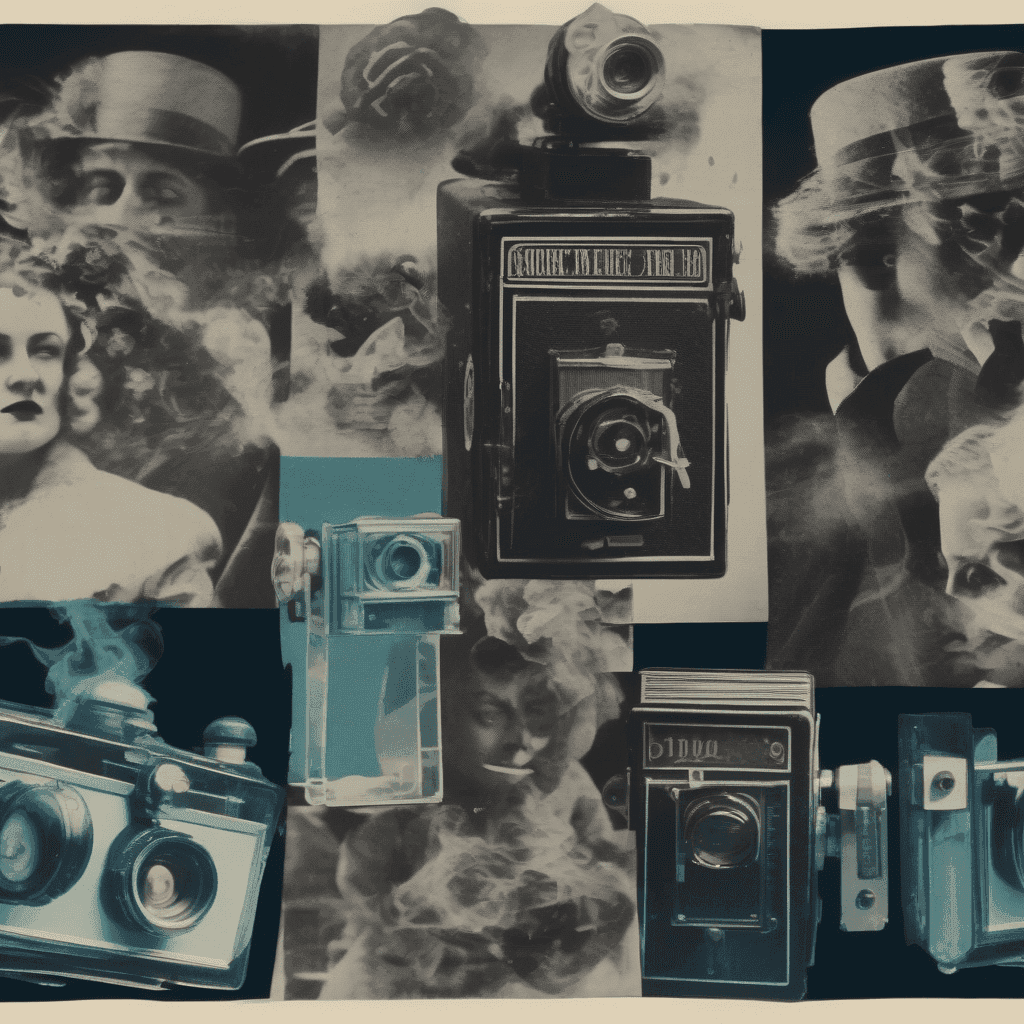
“Before CGI and surround sound, these ten silent masterpieces used nothing but light, shadow, and raw emotion to deliver thrills, heartbreak, and scandal. Dive into cinema’s most overlooked golden age.”
Long before TikTok twists and spoiler-heavy trailers, filmmakers of the silent era were already bending narrative rules and pushing emotional buttons harder than a Netflix binge. Between 1915 and 1920, a global wave of directors—many now tragically lost to history—crafted stories of gambling addiction, war-scarred families, royal intrigue, and moral hypocrisy that feel startlingly contemporary. Below, we unearth ten sensational silent-era gems that prove you don’t need dialogue to deliver jaw-dropping drama. Grab your popcorn (and maybe a hand-crank projector) as we count down the most riveting, scandalous, and emotionally devastating films you’ve probably never heard of—until now.
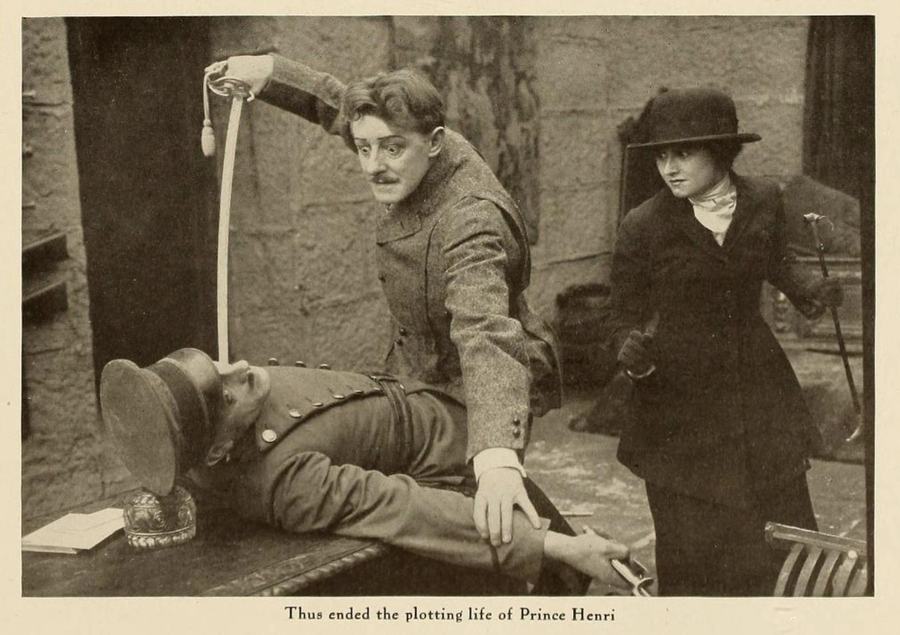
1. The Spreading Dawn (1917)
In this hallucinatory morality tale, a country girl lured to the big city confronts the seductive pull of urban excess and the literal spreading shadows of her own conscience. Director {com.nutrition.platform.dbcult.domain.Director@161b0dfb} employs tinting techniques that shift from honeyed yellow to sickly cyan, mirroring the protagonist’s descent into moral gray zones. Long before The Panic in Needle Park or Requiem for a Dream, silent cinema was already warning that the city’s neon promises can corrode the soul faster than any narcotic. The film’s expressionist lighting influenced later noir classics, yet it remains criminally absent from film-school syllabi. If you crave a silent movie that plays like a fever dream, this is your opiate.
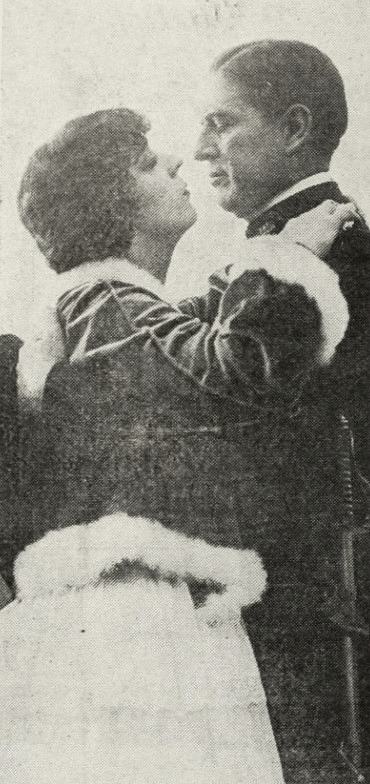
2. The Girl Who Stayed at Home (1919)
Post-WWI America gets a cheeky reality check in this domestic dramedy that asks: who really sacrificed more—the doughboy in the trenches or the sister keeping the home fires burning? Director {com.nutrition.platform.dbcult.domain.Director@57170578} flips the gender script, showing how home-front rationing, factory labor, and romantic temptations were a battleground of their own. The film’s split-screen letters-between-the-front sequences prefigure today’s social-media messaging montages, proving that longing and FOMO thrive in any decade. Bursting with proto-flapper energy, this crowd-pleaser reminds modern viewers that “women’s pictures” were once box-office rocket fuel.
3. And the Children Pay (1918)
War leaves its cruelest scars on the smallest victims. Here we follow two French siblings forced into underground crime networks after their father marches off to Verdun. Director {com.nutrition.platform.dbcult.domain.Director@522c5dd8} stages street chases through bombed-out villages with handheld cameras that feel decades ahead of their time. The film’s gut-punch ending—a freeze-frame on a child’s empty shoes—anticipates the final shot of The 400 Blows by over forty years. Silent-era audiences reportedly rioted for better orphan-relief programs after screenings; imagine what it could do to your tear ducts today.
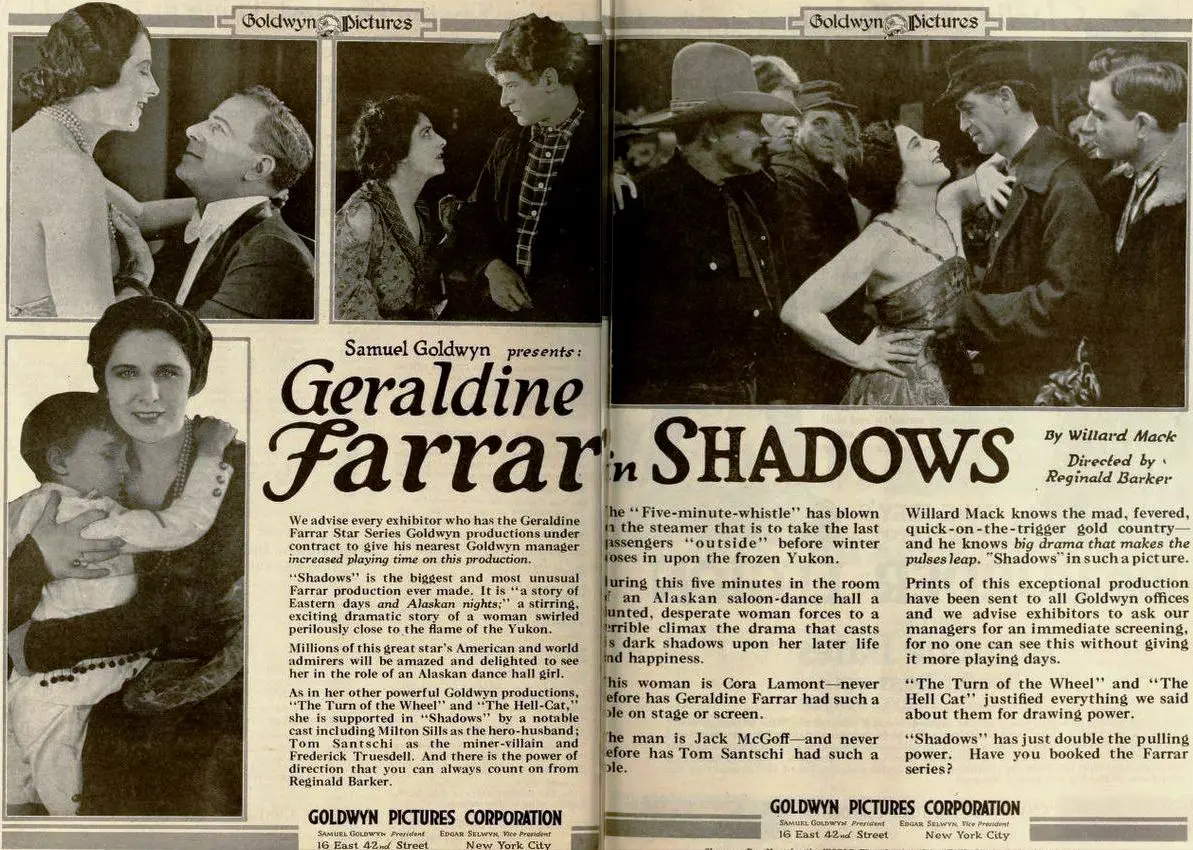
4. Vyryta zastupom yama glubokaya… (1917)
Try saying that title three times fast—or better yet, just remember it as the Ukrainian proto-noir that Tarantino would’ve adored. Set in a frostbitten Carpathian village, the plot centers on a laborer who literally digs his own grave after a doomed affair with the landlord’s wife. Director {com.nutrition.platform.dbcult.domain.Director@2449a7b} etches stark silhouettes against snow drifts, evoking later Soviet montage masters. The film’s intertitles (when translated) read like modern tweetstorms of angst: short, punchy, devastating. Historians claim prints were melted for boot-heels during civil-war shortages. If you find a complete reel, you’ve stumbled on cinematic unobtainium.
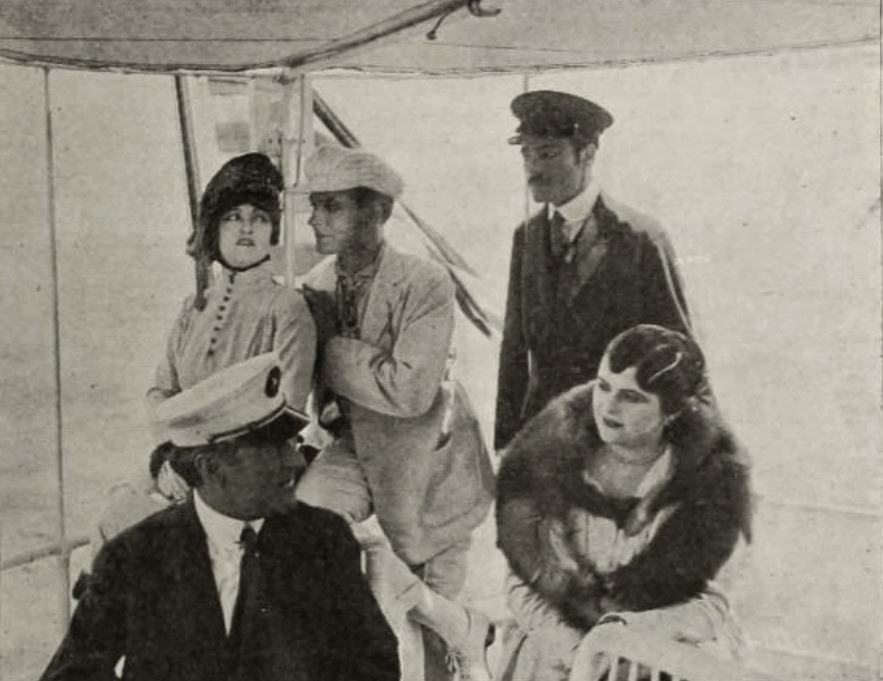
5. Gambling Inside and Out (1915)
Released the same year Las Vegas was still a railroad watering hole, this social-issue exposé rips the velvet curtain off America’s betting obsession. From smoky back-room poker dens to Wall-Street-style bucket shops, director {com.nutrition.platform.dbcult.domain.Director@3f8d92d2} documents how gambling culture infects every class strata. The film’s rapid cross-cutting—between frantic roulette wheels and family dinner tables—prefigures the dopamine-overload editing of Uncut Gems. Censors hacked several reels, yet surviving fragments still sizzle with moral urgency. If you ever wondered why grandma side-eyes your March-bracket office pool, blame this century-old eye-opener.
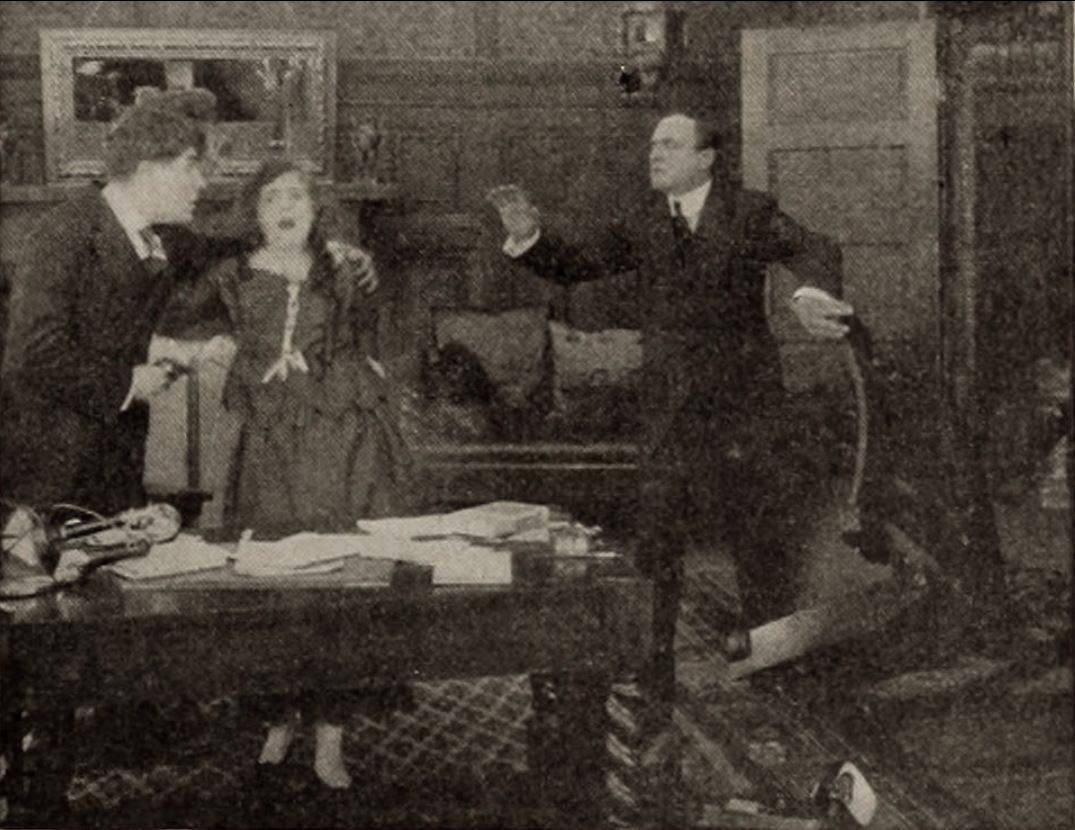
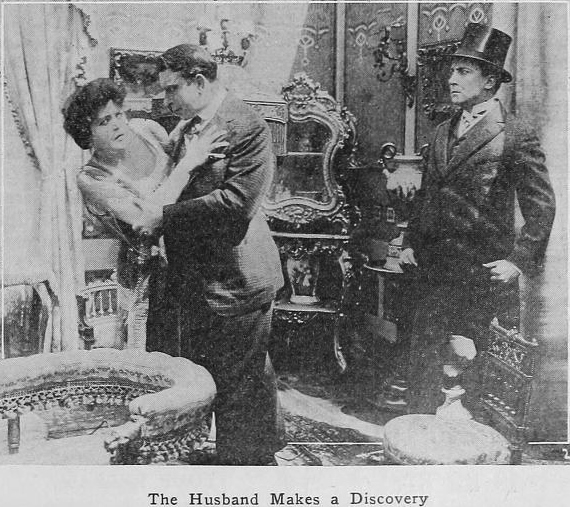
6. Virtuous Husbands (1919)
Think “male virtue” and 1919 don’t belong in the same sentence? Think again. This breezy marital satire follows a self-proclaimed moral crusader who preaches temperance at the pulpit yet keeps a secret bachelor pad for poker and champagne. Director {com.nutrition.platform.dbcult.domain.Director@7ac9b780} skewers hypocrisy with pratfall timing and enough door-slamming to make Farce of the Penguins blush. The film’s tinted bedroom farce sequences—rose for romance, sickly green for guilt—became a template for later Technicolor comedies. A reminder that calling out performative morality is not a Twitter invention.
Read full review of Virtuous Husbands7. Die Fürstin von Beranien (1918)
Imperial Germany’s answer to Princess Diaries—if the princess moonlighted as a spy and the diary contained coded troop movements. Director {com.nutrition.platform.dbcult.domain.Director@17977d43} blends Ruritanian romance with WWI espionage as a widowed royal navigates palace intrigue and a clandestine affair with a lowly cartographer. Lavish baroque sets were constructed entirely out of painted plywood due to wartime shortages, yet the illusion still dazzles. The film’s feminist undertone (a queen ruling without a king) rattled conservative Junkers, causing temporary bans. For Downton-Abbey addicts seeking earlier, darker royal escapism, queue this up.
Read full review of Die Fürstin von Beranien8. The Web of Deceit (1920)
Trust issues? Welcome to the tangled net woven by director {com.nutrition.platform.dbcult.domain.Director@2580e92a}, where every handshake hides a shiv. This urban thriller tracks five interconnected strangers—from a pickpocket to a district attorney—whose lies spiral into blackmail, courtroom pyrotechnics, and a literal train-wreck climax filmed with full-scale locomotive destruction. The proto-Crash narrative structure was so radical that exhibitors demanded linear re-edits; thankfully a print survived in Buenos Aires vaults. Cinephiles still debate the final iris-in shot: a close-up on a broken pocket-watch, time literally stopped by human treachery.
Read full review of The Web of Deceit9. Moderne Sklaven (1920)
Weimar Germany confronts its own sweatshop economy in this agit-prop shocker that plays like Metropolis without the robots. Factory girls endure 18-hour shifts manufacturing glittering chandeliers they’ll never afford, all while foremen trade them like poker chips. Director {com.nutrition.platform.dbcult.domain.Director@42db9a96} casts real industrial workers alongside seasoned actors, lending documentary grit to the melodrama. The film’s climactic strike sequence—shot with hidden cameras—resulted in actual arrests on set, blurring fiction and activism. Nearly banned for “inciting class hatred,” it remains a potent rallying cry for fair-wage advocates a century later.
Read full review of Moderne Sklaven10. Masks and Faces (1917)
Closing our list is a backstage tour-de-force that asks: where does the performance end and the performer begin? A renowned stage tragedian (think 1800s Keanu Reeves) juggles adoring fans, a suicidal wife, and a critic determined to unmask his private cruelties. Director {com.nutrition.platform.dbcult.domain.Director@6ad45432} layers play-within-a-play meta-narratives decades before Synecdoche, New York. The film’s most bravura flourish: a mirror-filled dressing room where infinite reflections suggest identity itself is a construct. If you’re hunting the missing link between Shakespearean soliloquies and post-modern identity crises, start here.
Read full review of Masks and FacesThere you have it—ten silents that slap harder than most 21st-century prestige miniseries. Whether you’re a TCM junkie or a Reddit cinephile looking for bragging rights, these films deliver edge-of-your-seat storytelling without so much as a whisper. Stream them when you can, but be warned: once you go silent, you may never crank the volume again.
Community
Comments
Log in to comment.
Loading comments…