
Cult Cinema
The Spectral Screen: Unmasking the Timeless Allure of Cult Cinema's Maverick Visions

“Cult cinema thrives on the unconventional, drawing dedicated audiences into worlds that defy mainstream sensibilities. This deep dive explores how the very essence of cult films, from their transgressive narratives to their unique aesthetics, has resonated since the dawn of filmmaking, shaping a tim…”
In the sprawling, often predictable landscape of mainstream cinema, there exists a vibrant, shadowy realm known as cult cinema. These are not merely films; they are phenomena, whispered legends passed between devotees, celebrated not just for their content but for the unique, almost alchemical, relationship they forge with their audiences. From midnight screenings to fervent online communities, cult films defy easy categorization, thriving on controversy, artistic audacity, and a profound, often delayed, recognition. But what is it about these maverick visions that grants them such an enduring allure, a magnetic pull that transcends generations and trends? The answer, surprisingly, lies not just in the audacious spectacles of the 1970s and 80s, but in the very spectral screen of early cinema itself, where the seeds of cinematic rebellion were first sown.
The Unseen Genesis: Where Rebellion First Flickered
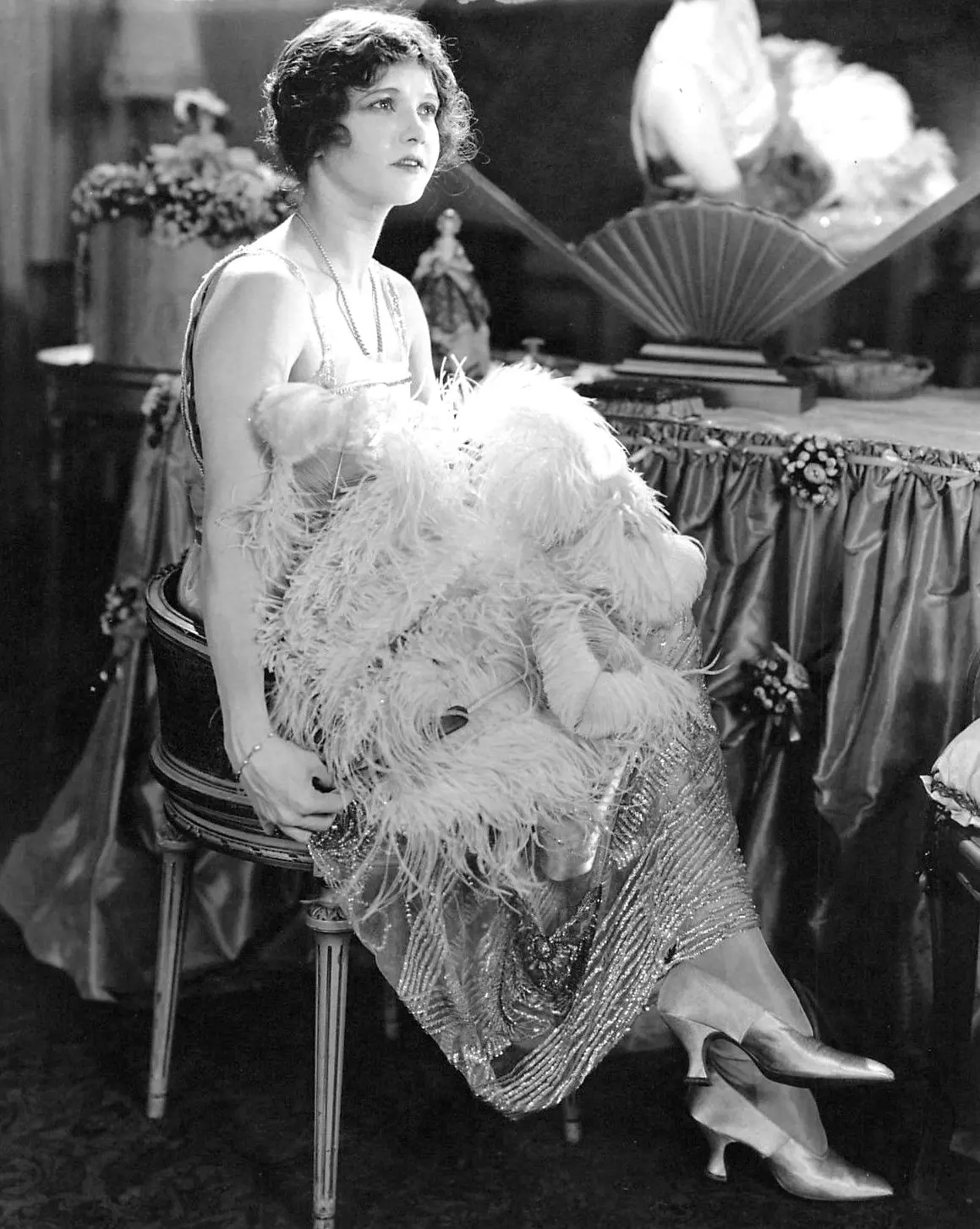
Before the term "cult film" entered the lexicon, before the counter-culture embraced the bizarre and the transgressive, the foundations of this unique cinematic category were being laid in the silent era. These early films, often constrained by nascent technology but liberated by a lack of established convention, were fertile ground for unconventional narratives and maverick visions. While many have been lost to time, those that survived offer glimpses into a nascent film culture unafraid to explore the fringe, the fantastical, and the morally ambiguous.

Consider the sheer variety of early cinematic offerings. From the fantastical journey of Le Voyage Abracadabrant, with its flying house and whimsical adventures, to the stark drama of Les Misérables, Part 2: Fantine, depicting relentless pursuit and moral struggle, early filmmakers were experimenting with form and content. These were not yet "cult films" in the modern sense, but they contained the genetic DNA of the strange: a willingness to push boundaries, to explore human nature at its extremes, and to craft stories that resonated deeply, if not always broadly. The medium itself was an outsider art, a novelty still finding its voice, and in that freedom, an inherent subversive spirit blossomed.

Narratives of Transgression and the Outcast Soul
A hallmark of cult cinema is its embrace of themes that challenge societal norms, often focusing on characters who exist on the fringes. Even in the early 20th century, filmmakers were delving into these territories. Films like Mürebbiye (The Nanny), with its scandalous premise of a French nanny seducing the men of a household in occupied Istanbul, would have been highly provocative for its time. This exploration of moral deviance and societal transgression is a direct precursor to the rebellious heart of later cult classics.
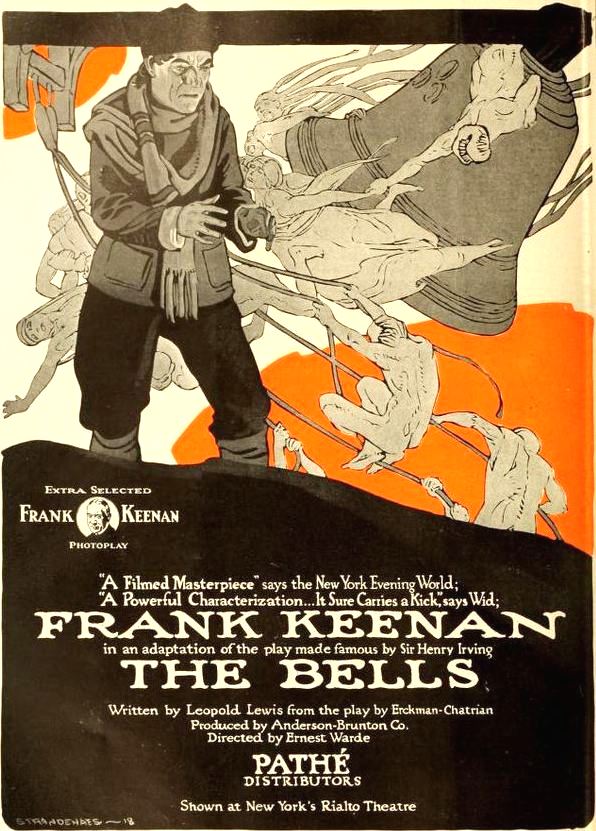
The psychological torment and moral decay found in The Bells (1918), where a murderer is driven insane by guilt, speaks to an appetite for dark, intense drama that often defines niche audiences. Similarly, Possession, dealing with a secret wife and social scandal, delves into the hidden lives and forbidden desires that fascinate viewers drawn to the unconventional. These films, though products of their era, tapped into universal human anxieties and fascinations with the forbidden, laying the groundwork for the subversive allure that would later define the midnight movie circuit.

The figure of the outcast or the rebel is central. In The Witch Woman, a shepherdess is cast out and forced to survive after a romantic entanglement, highlighting themes of societal judgment and resilience against the odds. Such narratives, where characters defy or are victimized by rigid social structures, resonate deeply with audiences who feel themselves to be outsiders, creating a powerful sense of empathy and identification that fuels dedicated fandom.
The Aesthetic of the Anomalous: Visual Language and Experimentation
Beyond narrative, the visual and stylistic audacity of early cinema also contributed to the cult aesthetic. Without spoken dialogue, filmmakers relied heavily on visual storytelling, expressionistic acting, and innovative camera techniques to convey meaning and emotion. This often led to a distinctive, sometimes bizarre, visual language that could be unsettling, mesmerizing, or profoundly unique.

Consider films like Die Doppelnatur, where a painting foretells a crime, hinting at a supernatural or psychological dimension that transcends simple realism. Or Il volto di Medusa (The Face of Medusa), which, by its very title, promises a confrontation with mythical horror and transformative power. These titles alone suggest a willingness to engage with the symbolic and the surreal, elements that would become hallmarks of genre-bending cult classics decades later.

Even seemingly innocuous comedies like Fool Days, featuring a lazy schoolboy and his ape roommate, or Full o' Spirits, involving a séance, demonstrate a playful embrace of the absurd and the supernatural. This early experimentation with diverse genres – drama, comedy, horror, fantasy, westerns like A Sagebrush Gentleman – created a rich tapestry of cinematic expression that fostered an appreciation for the unconventional. The raw, unfiltered nature of early special effects and visual metaphors often gave these films a dreamlike or nightmarish quality that, for certain viewers, was more powerful than any polished mainstream production.
From Obscurity to Obsession: The Power of Rediscovery
Many films from the silent era, and indeed many later cult films, were not immediate commercial successes. They languished in obscurity, overlooked by critics or misunderstood by contemporary audiences. Yet, time often proves to be the ultimate arbiter of cinematic legacy. The process of rediscovery is a crucial aspect of cult film history.
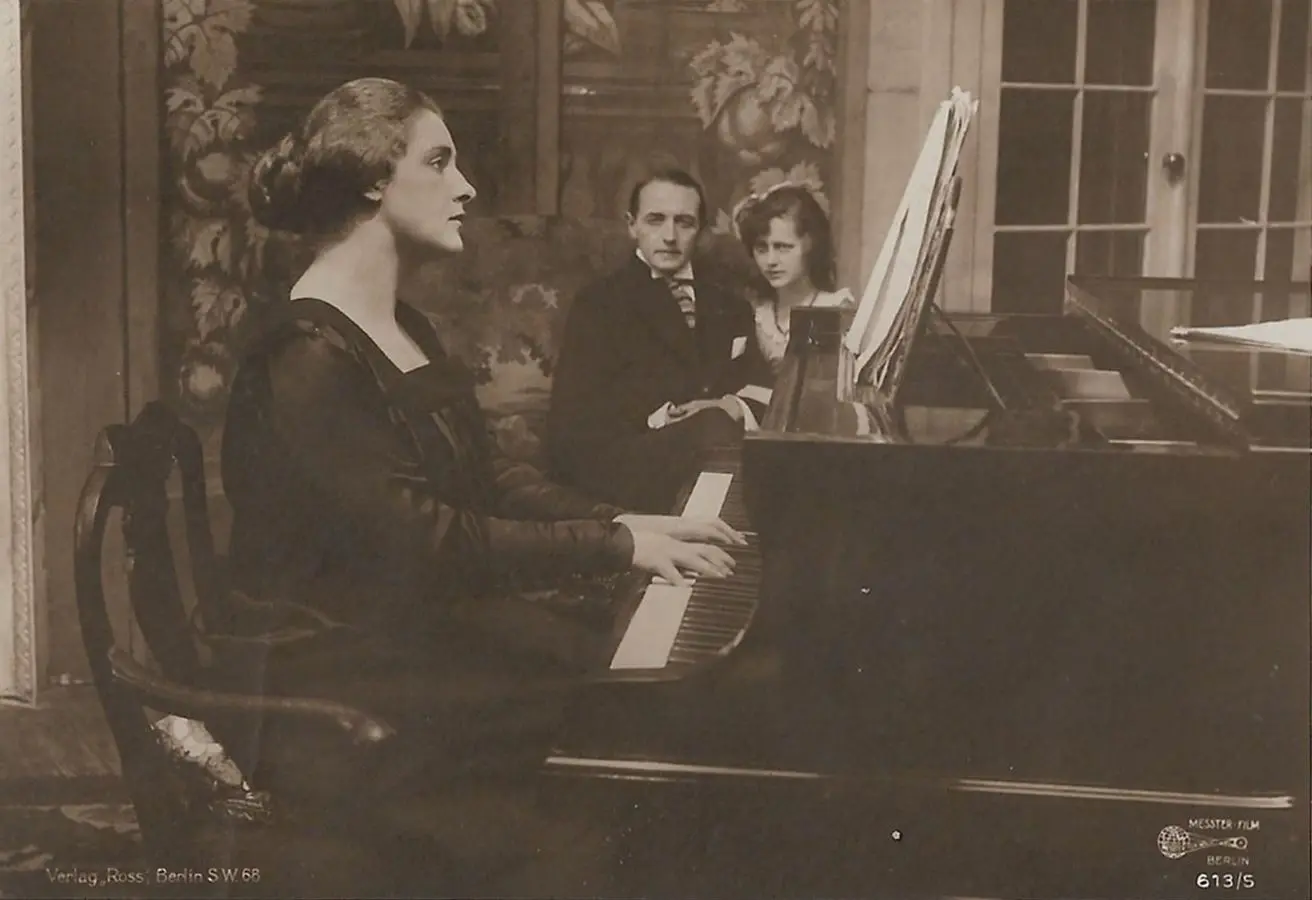
Imagine the impact of stumbling upon a film like Till We Meet Again, with its tale of a swindler, an insane asylum escapee, and a criminal gang. Such a convoluted, melodramatic plot, presented with the heightened emotion of silent acting, could easily be dismissed by some, while others would find its audacity and intensity utterly captivating. This is the essence of cult appeal: a film that doesn't appeal to everyone, but resonates profoundly with a select few, sparking an obsessive devotion.
The "lost film" phenomenon, particularly prevalent with silent movies, adds another layer to their potential cult status. Films like KingFisher's Roost, a genre mashup of drama, western, action, and romance, or the historical A Romance of Burke and Wills Expedition of 1860, if unearthed and restored, could easily find new life through modern film enthusiasts eager to uncover hidden gems. The mystique of rarity and the thrill of unearthing forgotten maverick masterpieces contribute significantly to their enduring magnetism.
Building the Brotherhood of the Bizarre: Community and Ritual
While the modern midnight movie circuit of the 1970s cemented the idea of communal viewing for cult films, the impulse for shared cinematic experience has always been present. Early nickelodeons and grand picture palaces were communal spaces, where audiences reacted collectively to the moving images. The emotional intensity of a drama like Le rêve (The Dream), a poignant tale of two abandoned youths, would undoubtedly have fostered shared emotional responses and discussions.
The early serials, like the Beatrice Fairfax Episode 15: Wristwatches, created anticipation and a dedicated following, essentially building a proto-fandom around ongoing narratives and beloved characters. This episodic storytelling, with its cliffhangers and recurring themes, fostered a sense of community and shared investment among viewers, mirroring the intense engagement seen in modern cult followings.
The sheer novelty and spectacle of early films, from animated shorts like Felix Hits the North Pole to ambitious historical dramas like The Battle of Trafalgar, would have created indelible memories and passionate conversations. This shared obsession, whether for the technical marvels or the compelling stories, is the bedrock upon which cult cinema thrives. It’s about more than just watching a film; it’s about participating in a shared cinematic ritual, a collective appreciation for something outside the norm.
The Enduring Echoes: From Silent Shadows to Modern Mainstays
The themes and artistic impulses evident in early cinema continue to echo through the annals of cult film history. The exploration of transgressive morality, the celebration of the outsider, the embrace of the bizarre and the fantastic, and the power of unique aesthetic visions – these are not new phenomena. They are threads woven through the entire fabric of film, stretching back to its very beginning.
From the shocking seductions of Mürebbiye to the psychological horrors of The Bells, the silent screen offered a raw, unfiltered canvas for human experience. These early maverick visions, often created with limited resources but boundless imagination, demonstrated that a film’s true power lies in its ability to provoke, to challenge, and to forge an unbreakable bond with its audience. The cinematic rebellion that defines cult cinema was not an invention of the post-war era; it was a fundamental aspect of the medium from its inception.
The playful genre-bending of films like KingFisher's Roost or the escapist fantasy of The Tales of a Thousand and One Nights show an early understanding that cinema could transport, transform, and transcend reality. This inherent ability of film to create worlds, to explore the darkest corners of the human psyche, or to revel in pure spectacle, is what cultivates an enduring passion among viewers. It's a passion that turns casual interest into obsessive devotion, transforming films from mere entertainment into cultural touchstones.
Conclusion: The Undying Flame of the Unconventional
The journey into the heart of cult cinema reveals a fascinating paradox: films that were once marginalized or misunderstood become celebrated, cherished by niche audiences who find in them a profound resonance. This phenomenon is not accidental; it is built upon a legacy of subversion, transgression, and unconventional storytelling that began with the very first flickers on screen. The spectral screen of early cinema, populated by figures like the determined protagonist of The Evangelist or the resourceful Scheherazade, laid the foundational blueprint for what would become a global phenomenon.
These early maverick visions, in their raw and unrefined glory, taught us that cinema is at its most powerful when it dares to be different. It's a testament to the timeless allure of films that refuse to conform, that challenge perceptions, and that, against all odds, find their dedicated congregation. From the silent era's bold experiments to today's midnight movie classics, cult cinema remains a vital, dynamic force, continually proving that the most profound cinematic experiences often emerge from the darkest, most unexpected corners of the screen. It is a celebration of art for art's sake, a testament to the enduring human desire for stories that speak to the soul, even if they whisper from the fringe.
Community
Comments
Log in to comment.
Loading comments…