
Cult Cinema
The Subversive Blueprint: Unearthing the 1920s Silent Outliers That Birthed the Cult Movie Consciousness
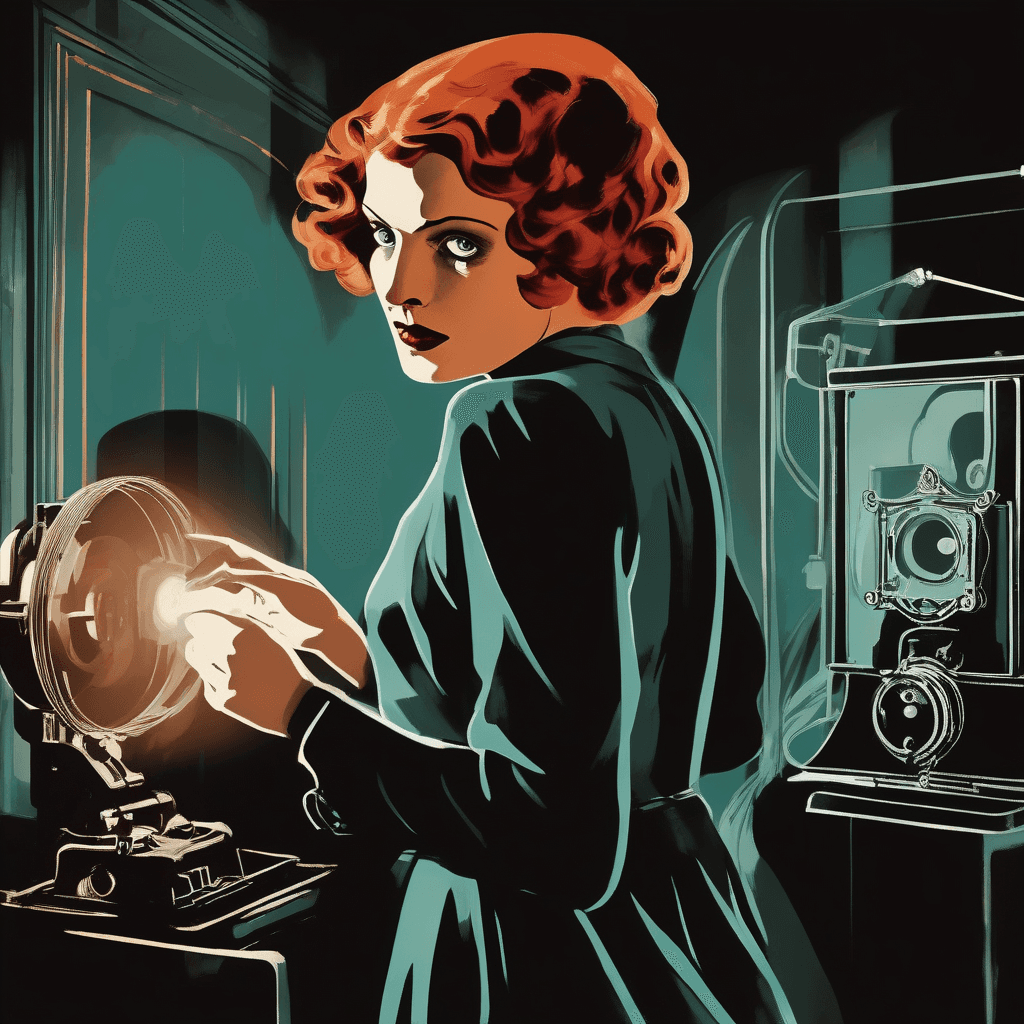
“Explore how the transgressive narratives and genre-bending anomalies of the 1910s and 1920s laid the foundation for modern cult cinema obsession.”
The term cult cinema often conjures images of midnight screenings, costumed fans, and the neon-soaked transgression of the 1970s and 80s. However, the DNA of the cult object—the film that defies mainstream logic to find a home in the hearts of the obsessive—was synthesized much earlier. Long before the term was coined, the 1910s and 1920s were a laboratory for the strange, the fringe, and the defiantly unconventional. These early reels, often lost to time or relegated to the dusty corners of archives, provide a subversive blueprint for the very idea of cinematic devotion.
The Genesis of the Cinematic Outcast
To understand the cult film, one must first understand the concept of the cinematic outcast. In the early 20th century, as the industry moved toward standardized narratives, a series of films emerged that refused to play by the rules. Consider the psychological weight of the 1910s Polish drama Krzyk. The story of a man haunted by the literal scream of his wife whom he threw out in a jealous rage is more than just a melodrama; it is a precursor to the psychological horror that defines the cult experience. The idea of a sound—or a memory of a sound—becoming a physical, haunting presence is a trope that would later be refined by directors like David Lynch or Roman Polanski.
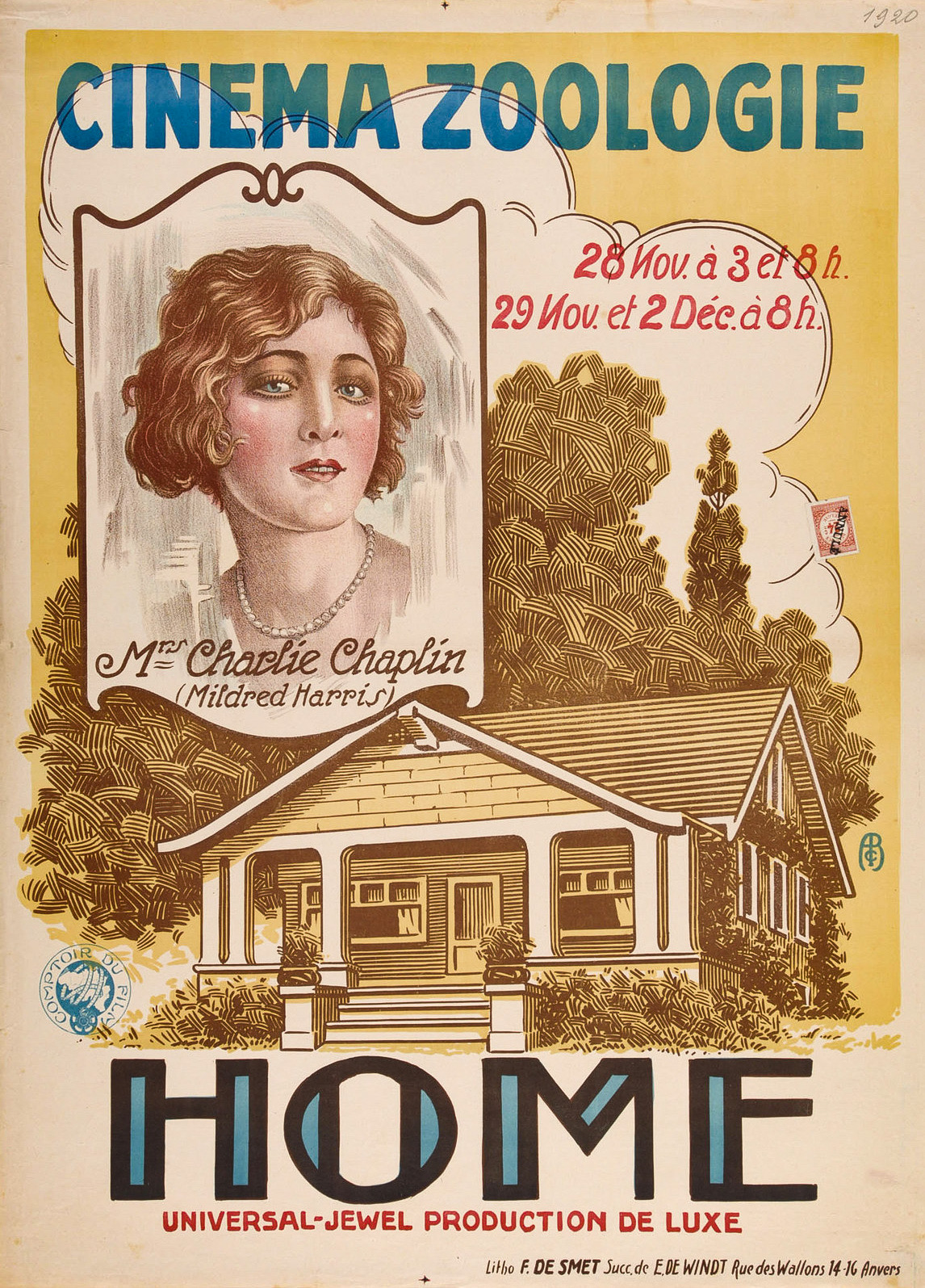
Similarly, the Italian masterpiece Il fuoco (comprising sections like la favilla and la vampa) explores an obsession that borders on the pathological. When an unknown painter becomes struck by a famous poet, his talent is consumed by the charm of another. This theme of artistic annihilation and the parasitic nature of obsession is a recurring motif in cult cinema, where the boundaries between the creator and the muse are violently blurred. These films didn't just tell stories; they captured states of being that were too intense for the polite society of the early nickelodeons.
Genre Mutations and the Birth of the Weird
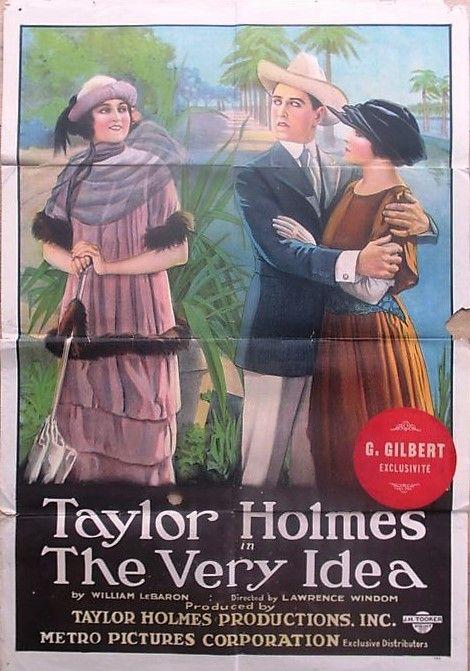
Cult cinema thrives on the "weird"—the narrative choices that leave an audience asking, "What did I just watch?" The 1920s were rife with these anomalies. Take Empty Pockets, a film where a millionaire is found dead clenching strands of red hair. The investigation leads to four different auburn-haired women, each a suspect. This fetishistic focus on a specific physical trait and the labyrinthine mystery that follows prefigures the Giallo films of the 1960s. It is a narrative that prioritizes the symbolic and the visual over the purely logical, a hallmark of the cult gaze.
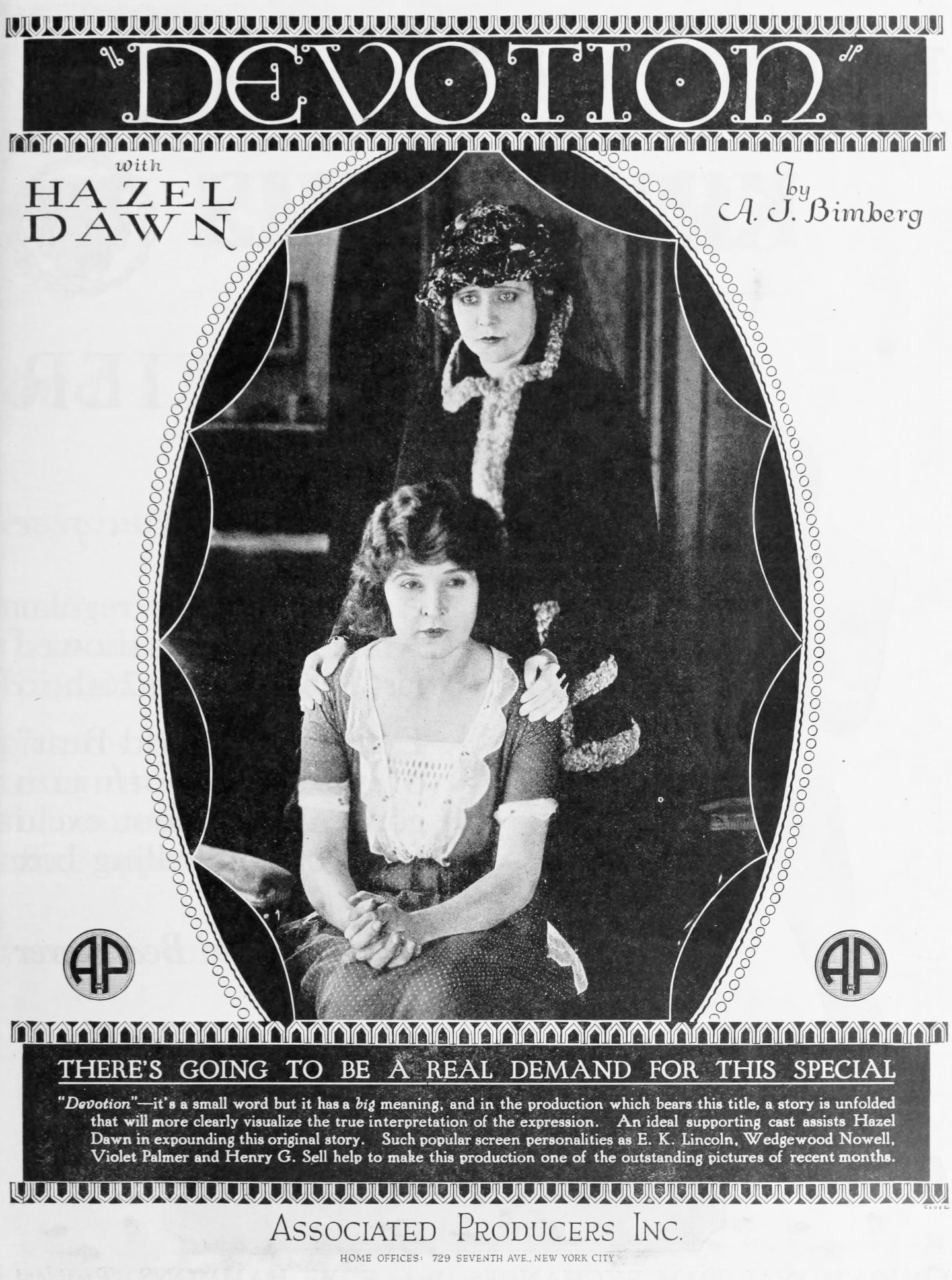
We also see the roots of camp and absurdist humor in the works of Max Linder. In Seven Years Bad Luck, the simple act of breaking a mirror leads to a cascade of increasingly surreal misfortunes. Linder’s ability to take a superstitious premise to its breaking point mirrors the escalating chaos found in modern cult comedies. It isn't just slapstick; it’s a commitment to a bit that borders on the existential. When a character in Walter Finds a Father is mistaken for a lost son because of a birthmark and finds himself in a "strange dynamite" situation, we see the early inklings of the surrealist comedy that would eventually lead to the works of the Monty Python troupe or the Coen Brothers.
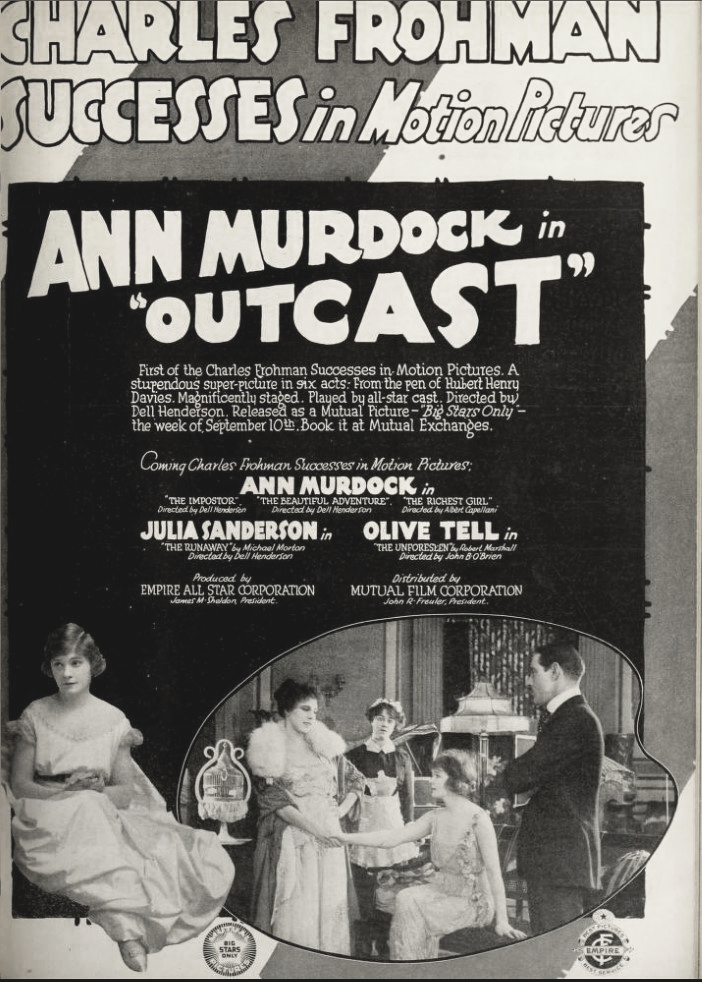
Transgressing Social Norms: The Early Rebels
Cult films are often defined by their rebellion against the status quo. In the 1910s, this rebellion was often found in the portrayal of women and social outcasts. The Sneak features Rhona, a gypsy princess who chooses her own husband against the wishes of her tribe, inflaming a suitor and challenging the patriarchal structure of her society. This narrative of the woman as a self-actualized rebel is a foundational element of the "cult heroine."

Furthermore, The Woman in Politics (1916) offers a surprisingly modern take on corruption and female agency. When Dr. Beatrice Barlow is fired for exposing an unsanitary tenement owned by the mayor, she doesn't retreat. She fights back. This spirit of the whistleblower, the individual against the corrupt machine, is a narrative engine that has powered countless cult classics. Even the seemingly lighthearted The Indestructible Wife, with its protagonist Charlotte possessing an "unending energy" that exhausts her husband, subverts the traditional dynamic of the domestic sphere. She is a force of nature, a proto-superheroine of the silent era whose vitality is both a source of comedy and a subtle critique of gendered expectations.

The Serial Obsession: World-Building and Fandom
One cannot discuss cult cinema without discussing world-building. The early serials, such as The Adventures of Kathlyn and The Lost City, were the first to hook audiences with the "to be continued" hook. These films invited a level of engagement that went beyond a single viewing. The Lost City, with its Americans wandering into a villainous village and being rescued by a princess, established the tropes of the adventure-fantasy genre that would later be embraced by cult fans of Flash Gordon or Star Wars.
Then there is Fantomas - On the Stroke of Nine. The character of Fantomas—the master criminal, the man of a thousand disguises—is the ultimate cult icon. He is a transgressive figure who operates outside the law, a shadow that the authorities cannot catch. The fascination with the "anti-hero" and the "brilliant criminal" can be traced directly back to these early depictions of moral ambiguity. When Fantomas offers to give up his life of crime only to be refused and vow to terrorize the city, he becomes a figure of pure cinematic id, a precursor to the Jokers and the Hannibal Lecters of the future.
The Melancholy of the Lost and the Found
There is a specific type of cult devotion reserved for the tragic and the forgotten. Films like Samson (1914), where a childless couple prays for a miracle, or The Moment Before, which depicts a dying Duchess seeing her life flash before her as a young gypsy woman, tap into a deep, universal melancholy. These films explore the liminal spaces between life and death, youth and age, and success and failure. The image of the aged Duchess remembering a fight between two men for her love is a haunting reminder of the ephemeral nature of beauty and power—a theme that resonates deeply with the "faded glamour" aesthetic of many cult classics.
Even the more obscure titles, like Livets konflikter or Die Narbe am Knie, contribute to this tapestry of the unconventional. Whether it is a political conflict between old friends or a mystery centered around a scar on a knee, these films prove that the early cinema was not just a monolith of "wholesome" entertainment. It was a messy, experimental, and often dark medium that was constantly pushing the boundaries of what could be shown and felt.
The Alchemical Transformation of the Viewer
What makes a film "cult" is ultimately the viewer's reaction. It is the process of taking a piece of discarded or misunderstood art and elevating it to the status of a sacred text. The early audiences who flocked to see Uncle Tom’s Cabin or The Mating of Marcella were participating in the first wave of this alchemical transformation. They were finding meaning in the margins of the frame, in the expressions of the actors, and in the subtext of the narratives.
In The Mating of Marcella, a fashion model takes an assignment from a bored wife to support her ailing father. This plot, while seemingly a standard drama, contains the seeds of the "social masquerade" that is so prevalent in cult cinema. It deals with the performance of identity, the sacrifice of the self for a higher cause, and the inherent drama of the class struggle. These are the themes that stick to the ribs of the collective consciousness, long after the projector has stopped humming.
Conclusion: The Eternal Flicker of the Fringe
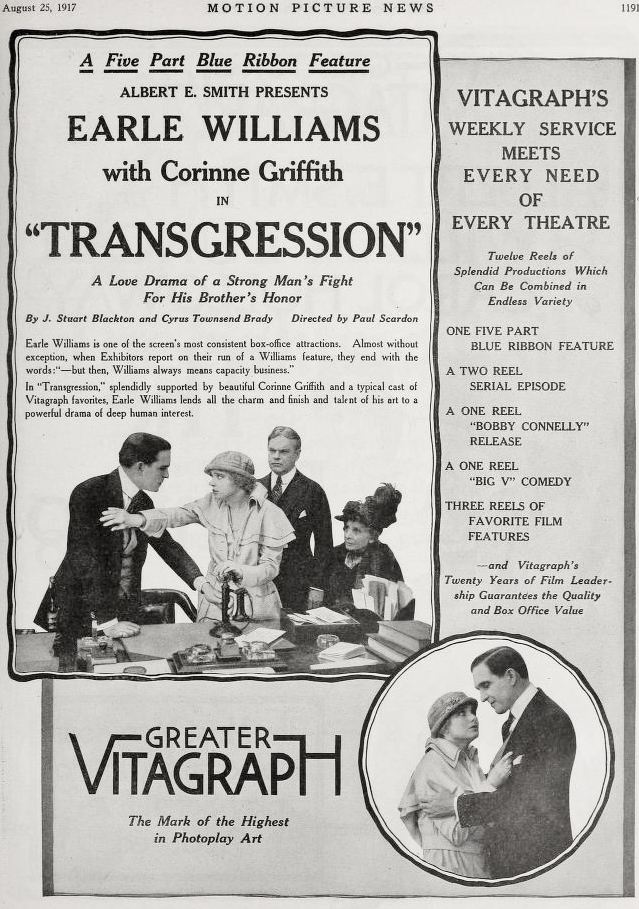
The 1910s and 1920s were not merely a prelude to the "real" history of cinema; they were the foundation of its most interesting and enduring impulses. The rebel range bosses of The Home Trail, the orphans turned crooks in She Couldn't Help It, and the superstitious gentlemen of Seven Years Bad Luck all represent a period of unbridled creativity where the rules of the medium were still being written.
As we look back at these fifty films, we see more than just historical artifacts. We see the sparks of an obsession that continues to burn today. We see the origins of the midnight movie, the transgressive masterpiece, and the beloved misfit. The cult cinema of the present is a ghost story, haunted by the shadows of these silent mavericks who first dared to be different. By unearthing this subversive blueprint, we gain a deeper appreciation for the films that refuse to die—the ones that, like the master criminal Fantomas, always find a way to return and capture our imagination once again.
Whether it is the "keenest nose for news" in Todd of the Times or the "naughty wink" in Her Naughty Wink, these small moments of character and quirk are what build the bridge between the screen and the soul. Cult cinema is, at its heart, a celebration of the human, the flawed, and the extraordinary. And as long as there are filmmakers willing to step outside the lines, and audiences willing to follow them, the legacy of the silent fringe will continue to illuminate the darkest corners of the cinematic landscape.
Community
Comments
Log in to comment.
Loading comments…