
Cult Cinema Deep Dive
The Subversive Celluloid: Unearthing the Primal Transgressions and Rebel Spirit of Cinema’s Early Genre Anarchy
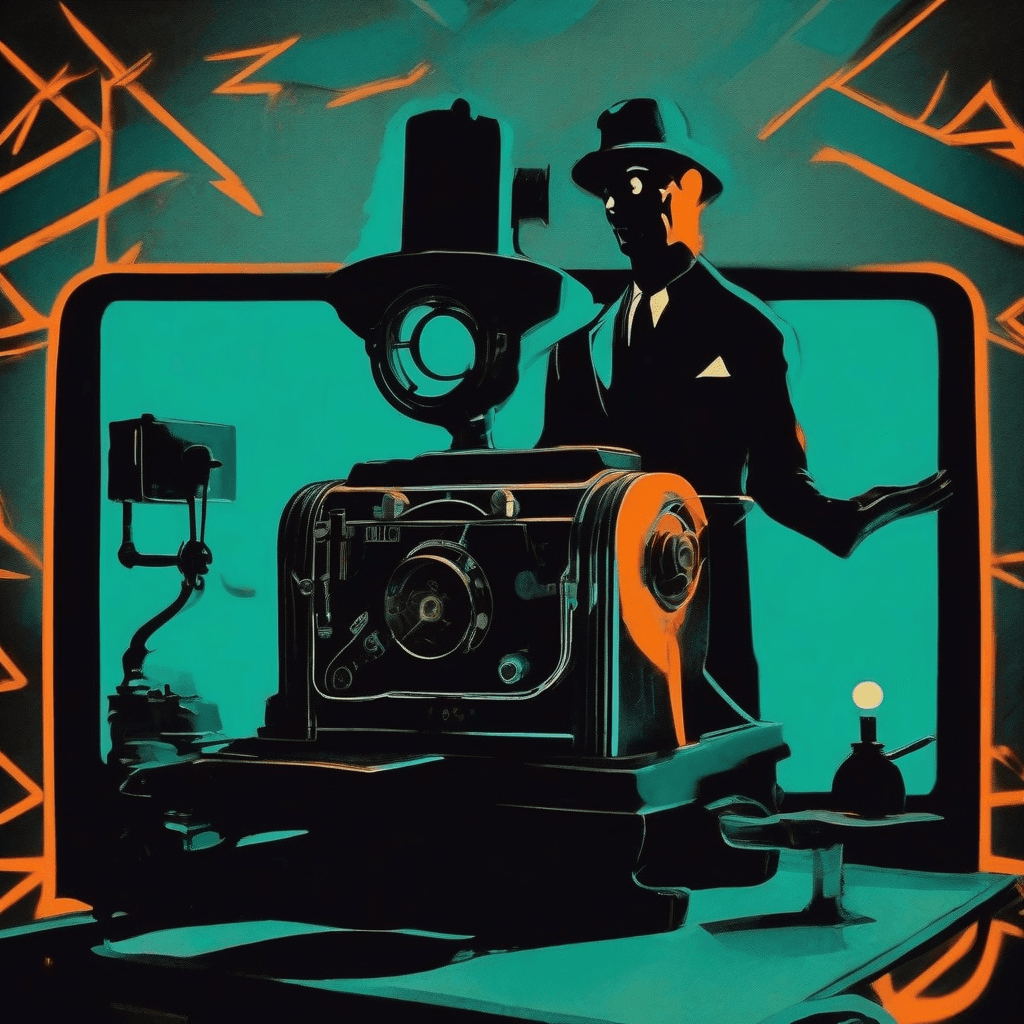
“A deep-dive exploration into how the silent era's most daring experiments and genre-defying narratives laid the foundation for the modern cult cinema phenomenon.”
Cult cinema is often defined by its ritualistic following, its transgressive subject matter, and its refusal to adhere to the polished standards of the mainstream. While the term "midnight movie" conjures images of the 1970s and the neon-soaked grit of grindhouse theaters, the genetic blueprint for this cinematic rebellion was drafted decades earlier. Long before the era of blockbuster saturation, the fringes of the silent era and the early talkies were populated by mavericks who dared to experiment with identity, morality, and the very mechanics of storytelling. These films, often dismissed as mere novelties in their time, possess a primal deviance that echoes through the history of the avant-garde.
The Gothic Blueprint: Shadow and Monstrosity
To understand the cult obsession with the "Other," one must look at the early manifestations of horror and the supernatural. The cult aesthetic is rooted in the uncanny—the feeling that something is not quite right within the frame. Perhaps the most foundational text in this regard is Nosferatu (1922). Count Orlok is not merely a vampire; he is a visual rupture, a skeletal intrusion into the domesticity of the early 20th century. The film’s use of high-contrast shadows and distorted geometry created a visual language for the subversive soul, proving that cinema could be a vessel for nightmare logic rather than just a mirror of reality.
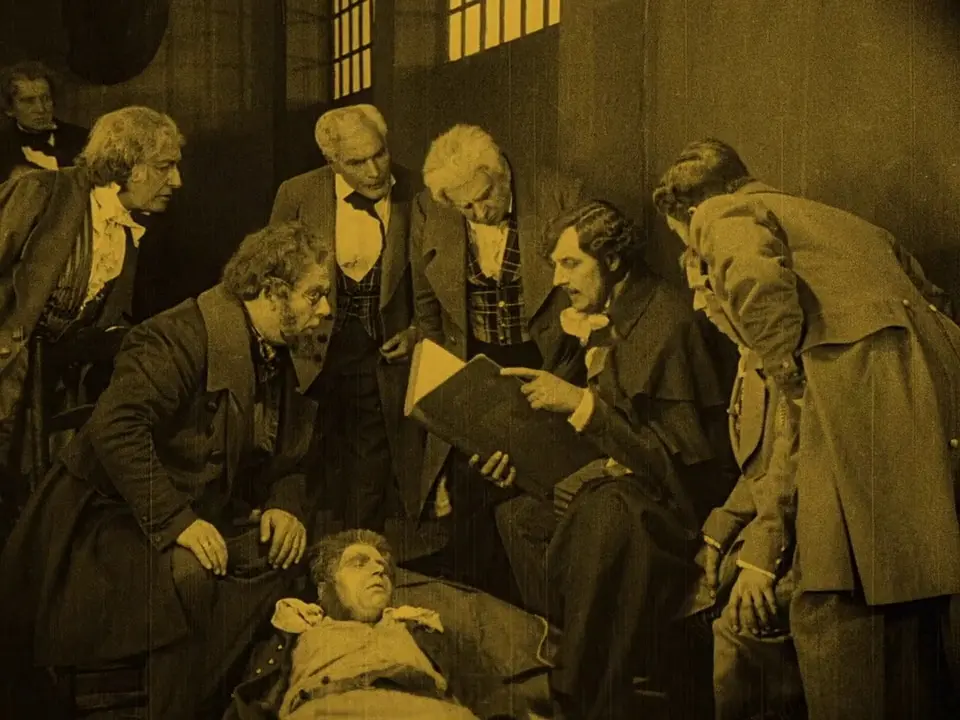
This fascination with the monstrous creation continued with The Monster of Frankenstein (1920), an Italian adaptation that explored the hubris of the creator and the agony of the created. This theme of the "manufactured outsider" is a recurring motif in cult cinema, representing the fan who feels alienated from a society that values uniformity. In the silent masterpiece Homunculus (1916), we see the ultimate cult protagonist: a creature manufactured in a laboratory who, upon discovering he lacks a soul, turns his vengeance upon a world that cannot love him. This narrative of the existential outlaw is the bedrock of cult identity, where the protagonist's lack of societal integration becomes their defining power.
The Fracture of Identity: Twins and Doubles
Cult cinema thrives on the blurring of lines between the self and the other. The trope of the "evil double" or the fractured identity is a psychological goldmine for filmmakers looking to unsettle their audience. In The Snarl (1917), the duality of Helen and Marion Dean provides a masterclass in early character subversion. One twin is self-sacrificing, while the other is vain and heartless. This internal conflict, projected outward through the miracle of early double-exposure cinematography, pre-coded the obsession with psychological fragmentation that would later define the works of David Lynch or Cronenberg.
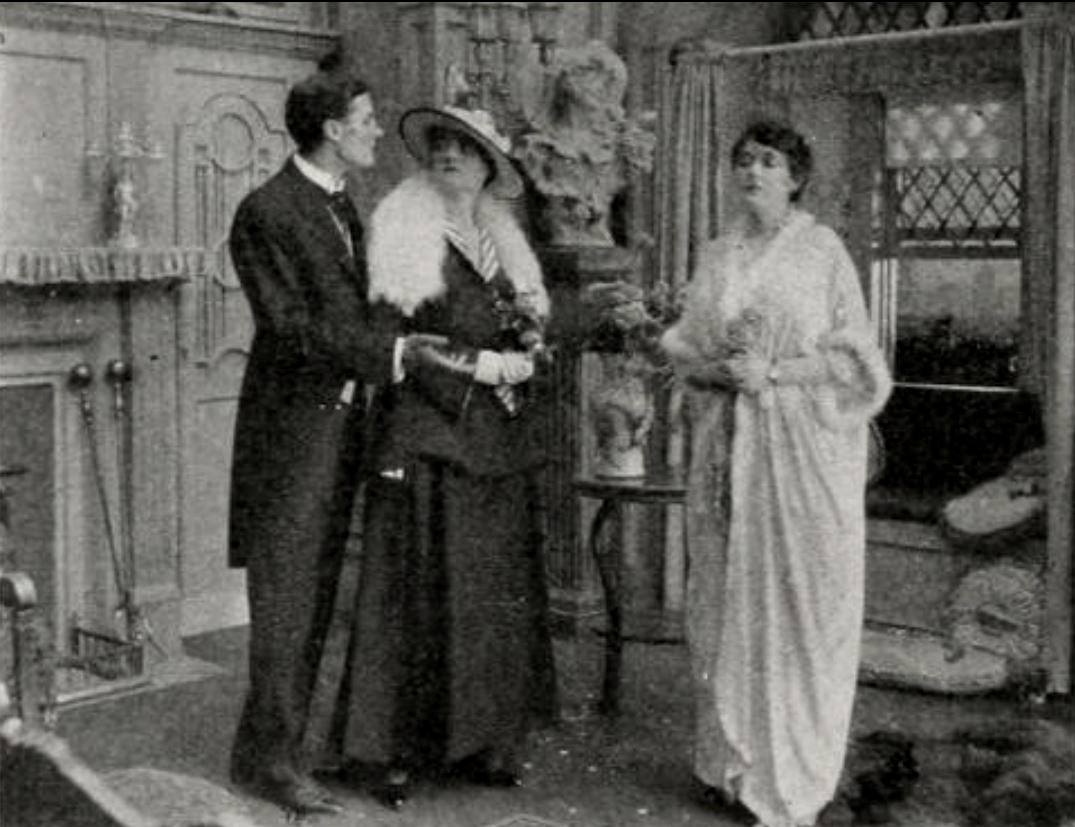
Similarly, The Highest Trump (1919) utilizes the twin narrative to explore themes of identity theft and moral ambiguity. When a Secret Service officer takes over his brother's identity to subvert a criminal plot, the film moves beyond a simple procedural into a meditation on the fluidity of the persona. These early experiments with the "mask" allowed audiences to engage with the idea that the self is a construct—a concept that remains central to the cult film experience, where viewers often adopt the personas of their favorite celluloid rebels.
Defying the Frontier: Gender and Genre Subversion
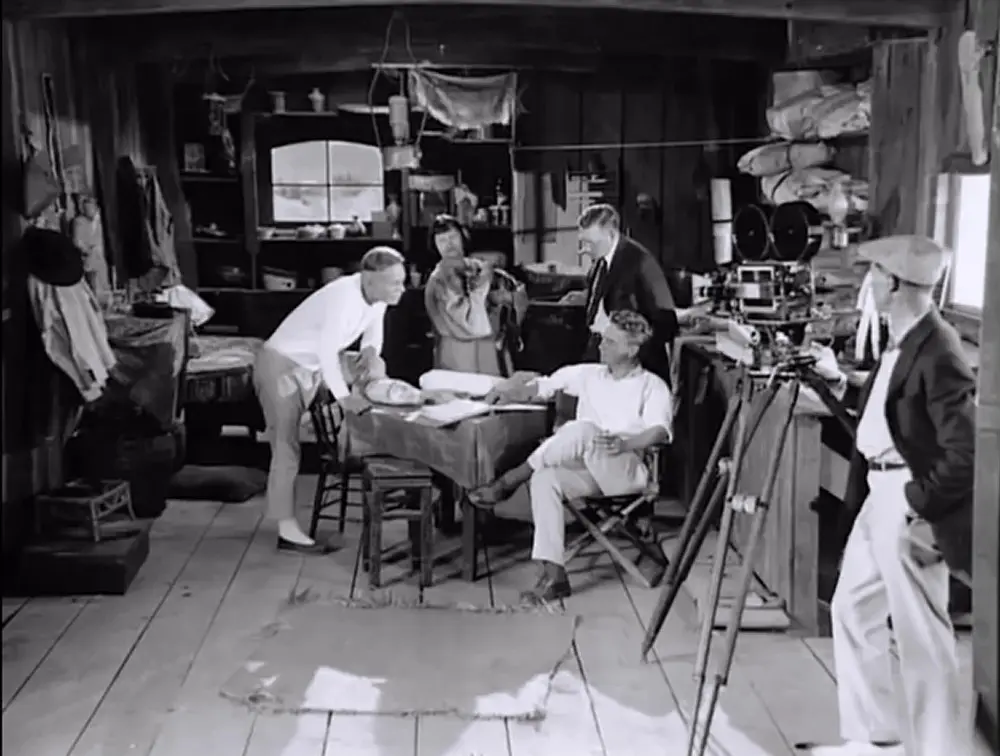
While the Western is often viewed as the most traditional of American genres, the early days of the frontier on screen were rife with experimentation. Cult cinema is born when a filmmaker takes a familiar trope and twists it into something unrecognizable. Consider The Red Glove (1919), a film serial featuring Billie, a female cowboy who fights a series of bad men. In an era where gender roles were strictly defined, the image of a woman commanding the screen with the same grit as her male counterparts was a radical act of defiance. Billie was an early icon of the celluloid fringe, a precursor to the tough-as-nails heroines of modern cult classics.
In the same vein, The Texan (1920) subverted the expectations of the Western hero by blending action with a philosophical, almost absurdist humor. Tex Benton’s decision to model his behavior on a jackrabbit after watching a race between a tortoise and a hare introduces a level of narrative anarchy that is rarely found in the stoic Westerns of the later studio era. This willingness to embrace the ridiculous, to allow the protagonist to be an eccentric rather than a paragon of virtue, is a hallmark of the cult sensibility. It rejects the "hero's journey" in favor of the "misfit's odyssey."
The Gritty Realism of the Underworld
Cult cinema also finds its home in the gutter, in the stories that the mainstream would rather ignore. The Italian (1915) is a stark departure from the romanticized immigrant stories of its time. By focusing on the harsh realities of the New York City slums, the film engaged in a form of social transgression. It forced the audience to look at the poverty and despair that lay beneath the surface of the American Dream. This commitment to unvarnished truth is what draws fans to the "underground"—a desire to see the world as it is, rather than as the censors want it to be.
This search for truth took an even more experimental turn with Dziga Vertov’s Kino-pravda no. 8 (1922). By documenting Russian life through a series of fragmented, avant-garde newsreels, Vertov and his collaborators weren't just reporting the news; they were deconstructing the medium of film itself. They believed that the camera could see more than the human eye, a philosophy that would later inspire the "found footage" and mockumentary movements that populate the cult canon today. The mechanical eye of Vertov was a rebel against the theatricality of early cinema, demanding a new way of seeing.
The Alchemical Blend: Humor, Horror, and the Absurd
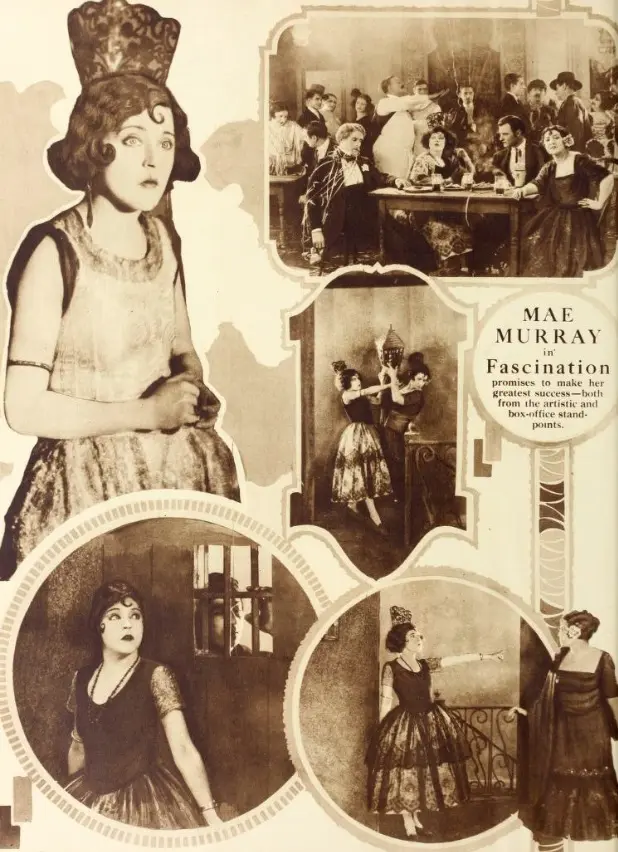
One of the most defining characteristics of a cult movie is its refusal to stay within the lines of a single genre. The most enduring cult films are those that are "too much" of everything—too funny for horror, too dark for comedy, or too strange for drama. Early cinema was a laboratory for these genre mutants. Take Sapho (1913), a film that blends melodrama with a scandalous exploration of a woman's notorious past. It challenged the moral sensibilities of the time, creating a protagonist who was both enchanting and "dangerous"—a prototypical femme fatale who exists outside the bounds of traditional morality.
Even in short-form animation, the seeds of the absurd were being sown. How I Became Krazy and The Dog and the Thief utilized the freedom of the medium to explore surrealist humor and physical slapstick that bordered on the grotesque. These shorts provided a space for the unconventional rhythm of the comic mind to flourish, setting the stage for the psychedelic and transgressive animation that would eventually find a home in midnight screenings and underground festivals.
The Anti-Hero and the Moral Gray Zone
The cult film fan often identifies with the character who operates in the shadows of the law. Shark Monroe (1918) presents a protagonist who is a tough, hard-bitten captain of a sealing vessel. He is not a traditionally "good" man, yet he becomes the focal point of our empathy. This shift toward the anti-hero allowed early cinema to explore the complexities of the human condition. Monroe is a man defined by his environment—the harsh Alaskan waters—and his struggle for survival is more compelling than any moralistic fable.
Similarly, Cavanaugh of the Forest Rangers (1918) and The Road Demon (1921) feature characters who are forced into the fringes of society. Whether it’s an outlaw escaping imprisonment or a desert cowhand transforming a broken-down car into a racing machine, these narratives celebrate the triumph of the individual over the system. This spirit of self-reliance and rebellion is the heartbeat of cult cinema, where the act of "doing it yourself"—whether in film production or in life—is the ultimate virtue.
Conclusion: The Eternal Flame of the Midnight Mindset
The films of the early 20th century were more than just historical curiosities; they were the first tremors of a cinematic earthquake. By experimenting with transgressive narratives, psychological depth, and genre-bending structures, these early pioneers created a language of rebellion that continues to speak to us today. They proved that the screen is not just a place for stories, but a sanctuary for the strange, the forgotten, and the misunderstood.
As we look back at the subversive DNA of films like Nosferatu, Homunculus, and The Red Glove, we see the foundation of a culture that values the unique over the uniform. Cult cinema remains a vital force because it honors the spirit of these early rebels—those who looked at the camera and saw not a tool for profit, but a weapon for truth. The midnight movie is not just a time of day; it is a state of mind that was born in the flickering shadows of the silent era, and it is a flame that will never truly be extinguished.
Community
Comments
Log in to comment.
Loading comments…