
Cult Cinema, Deep Dive
The Subversive Sermon: Unearthing Cult Cinema's Enduring Gospel of the Outcast
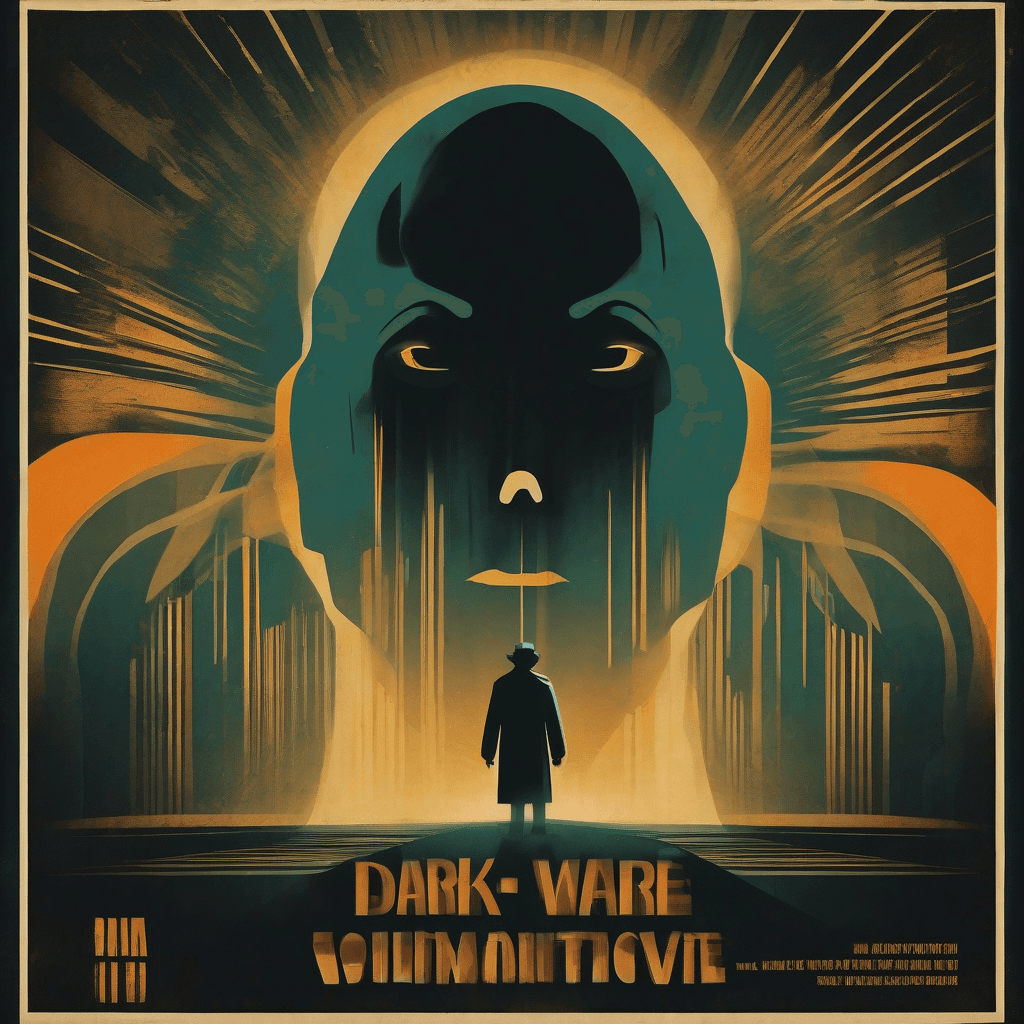
“Cult cinema isn't merely a niche; it's a vibrant counter-culture where unconventional narratives and forgotten gems find their most devoted disciples. This deep dive explores the enduring allure of films that defy mainstream expectations, from early cinematic oddities to modern midnight masterpieces…”
In the vast, ever-expanding universe of cinema, there exists a peculiar, often misunderstood constellation known as cult films. These aren't merely movies; they are phenomena, rallying points for fervent communities, and enduring testaments to the power of the unconventional. Unlike blockbusters designed for mass appeal or critical darlings lauded by the establishment, cult films often begin their lives in obscurity, sometimes even met with outright disdain, only to be resurrected and revered by a dedicated, almost evangelical following. What is it about these cinematic outcasts, these 'midnight movies' and forgotten gems, that imbues them with such magnetic, enduring power? To truly understand the enduring allure of cult cinema, we must embark on a journey that transcends fleeting trends and delves into the very soul of cinematic rebellion, tracing its lineage from the nascent sparks of early film to the kaleidoscopic wonders of today.
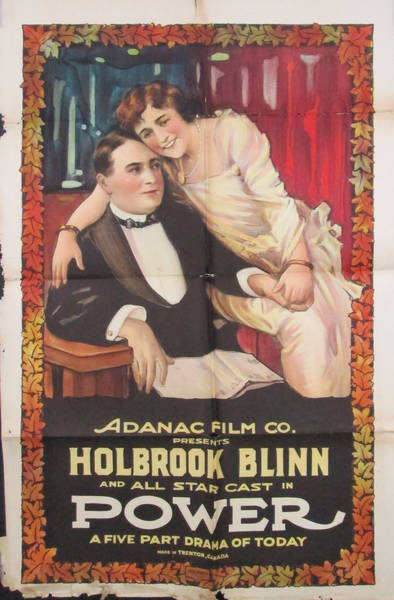
The Genesis of the Unconventional: Seeds of Cult in Early Cinema
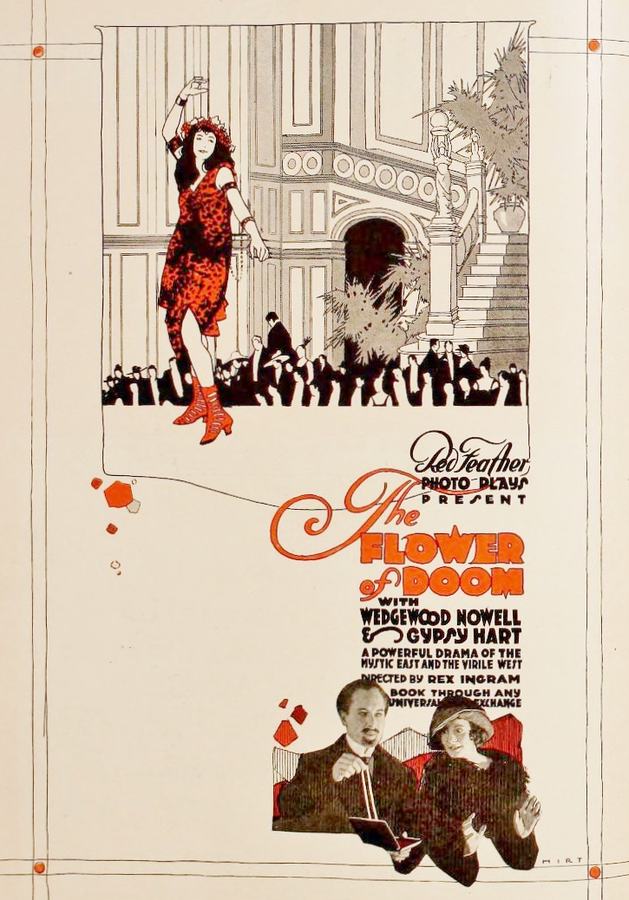
The idea of a 'cult film' might seem like a modern construct, a product of the counter-culture movements of the mid-20th century. Yet, the seeds of this cinematic devotion were sown far earlier, in the flickering shadows and grand narratives of cinema's formative years. Even in the silent era and the dawn of talkies, certain films, by their very nature – their dramatic intensity, their unusual themes, or their sheer spectacle – began to carve out a unique space beyond mainstream acceptance. While not 'cult films' in the contemporary sense, features like the melodramatic intensity of The Flower of Doom or the sensationalized thrills of A Scream in the Night and The Woman and the Beast, offered audiences something distinct, something that resonated with a particular sensibility. These early narratives, often dealing with themes of forbidden love, dramatic rescues, or confronting primal fears, though perhaps intended for broad appeal, contained a certain 'otherness' that could, with time, attract a niche, appreciative audience.

Consider the powerful historical epic Joan of Arc, or the grand dramas like The Great Divide and The Millionaire. These films, while serious and often morally didactic, pushed boundaries in terms of emotional impact and visual storytelling. Their ambitious scope, even if not universally acclaimed at the time, laid groundwork for cinematic experiences that transcended mere entertainment. The exotic adventures hinted at in titles like Zudora or the dark crime narratives of V Lapah Zheltago Dyavola (In the Claws of the Yellow Devil) provided early glimpses into genres that would later become staples of cult cinema, appealing to those seeking narratives beyond the ordinary. The very act of watching these early, sometimes grand, sometimes bizarre, cinematic creations involved a degree of participation and interpretation that foreshadowed the active engagement of future cult followings.

Defiance and Discovery: The Maverick's Path to Immortality
The true spirit of cult cinema often emerges from a defiance of conventional wisdom. Many films destined for cult status are initially misunderstood or outright rejected. They challenge narrative structures, moral norms, or aesthetic sensibilities, proving too avant-garde, too bizarre, or too niche for the general public. Think of films that present a skewed reality or an unsettling vision, like the intense psychological drama of Fedora, or the social commentaries often embedded in seemingly simple stories like Children of the Feud. These films, though perhaps not intentionally subversive in their initial release, often contained elements that set them apart, making them ripe for re-evaluation by future generations.

The journey from obscurity to cult adoration is frequently one of rediscovery. A film might flounder at the box office, be panned by critics, or simply fade into the cinematic ether, only to be unearthed years, or even decades, later by a new audience ready to appreciate its unique genius. This rediscovery often happens through word-of-mouth, academic re-evaluation, or specialized screenings. Films like From Hand to Mouth, an early Harold Lloyd comedy, or the adventure of Cappy Ricks, might have had their initial run, but their unique charm or historical significance could lead to a passionate re-engagement, cementing their place as beloved, if not mainstream, classics. This process highlights a fundamental truth about cult cinema: its value is often determined not by its immediate reception, but by its enduring resonance with a particular, discerning segment of the audience.
Beyond the Marquee: The Midnight Movie Phenomenon
Perhaps the most iconic manifestation of cult cinema is the 'midnight movie' phenomenon, which truly blossomed in the 1970s but has roots in earlier niche screenings. Midnight movies transformed cinema from a passive viewing experience into an active, almost ritualistic communal event. Audiences would gather in the late hours, often dressed in costume, to shout lines back at the screen, sing along, or participate in other forms of interactive revelry. This wasn't just about watching a film; it was about belonging, about participating in a shared secret. The initial intent of films like the early comedies Twin Beds or Full of Pep, while lighthearted, demonstrates the power of comedic timing and character that could, in another context, be ripe for audience interaction and repeat viewing. The sheer energy and distinctiveness of these earlier genre pieces, even if not explicitly 'midnight movies,' hinted at the potential for audience engagement beyond a single viewing.

This communal aspect is crucial. Cult films foster a sense of identity among their viewers, creating a 'secret society' where shared appreciation for the bizarre, the transgressive, or the deeply personal forms an unbreakable bond. It's a space where outsiders find their tribe, where the weird is celebrated, and where the rules of conventional cinema are gleefully broken. The obscure travelogue Unknown Switzerland, for instance, while not a narrative film, might have found a niche audience fascinated by its unique subject matter, demonstrating that even non-fiction can become a focal point for a specialized interest group, a precursor to the diverse forms of cult media we see today.
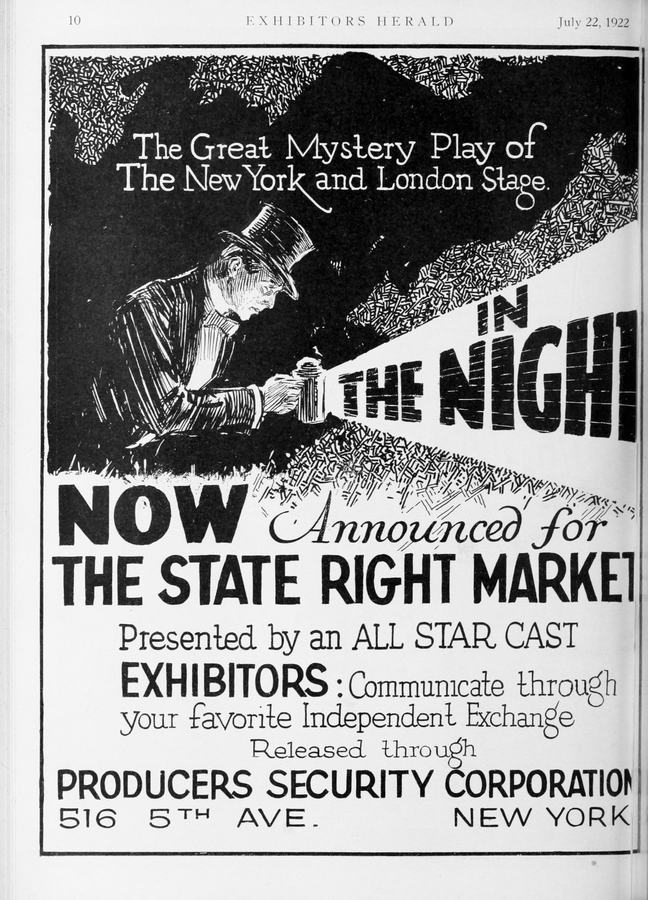
Aesthetics of the Absurd and the Avant-Garde: Visual and Narrative Rebellion
What often distinguishes a cult film is its unique aesthetic and narrative audacity. These are films that dare to be different, that push boundaries of taste, genre, or storytelling. They might employ unconventional visual styles, non-linear narratives, or themes that are shocking, taboo, or simply too strange for mainstream palates. The early thrillers like Across the Continent or the dramatic intensity of The Hero of Submarine D-2, while perhaps conventional for their time, often utilized heightened drama and spectacle to create memorable experiences. The very act of creating such distinct and impactful cinematic moments, even in commercial cinema, contributes to a film's potential for enduring fascination.
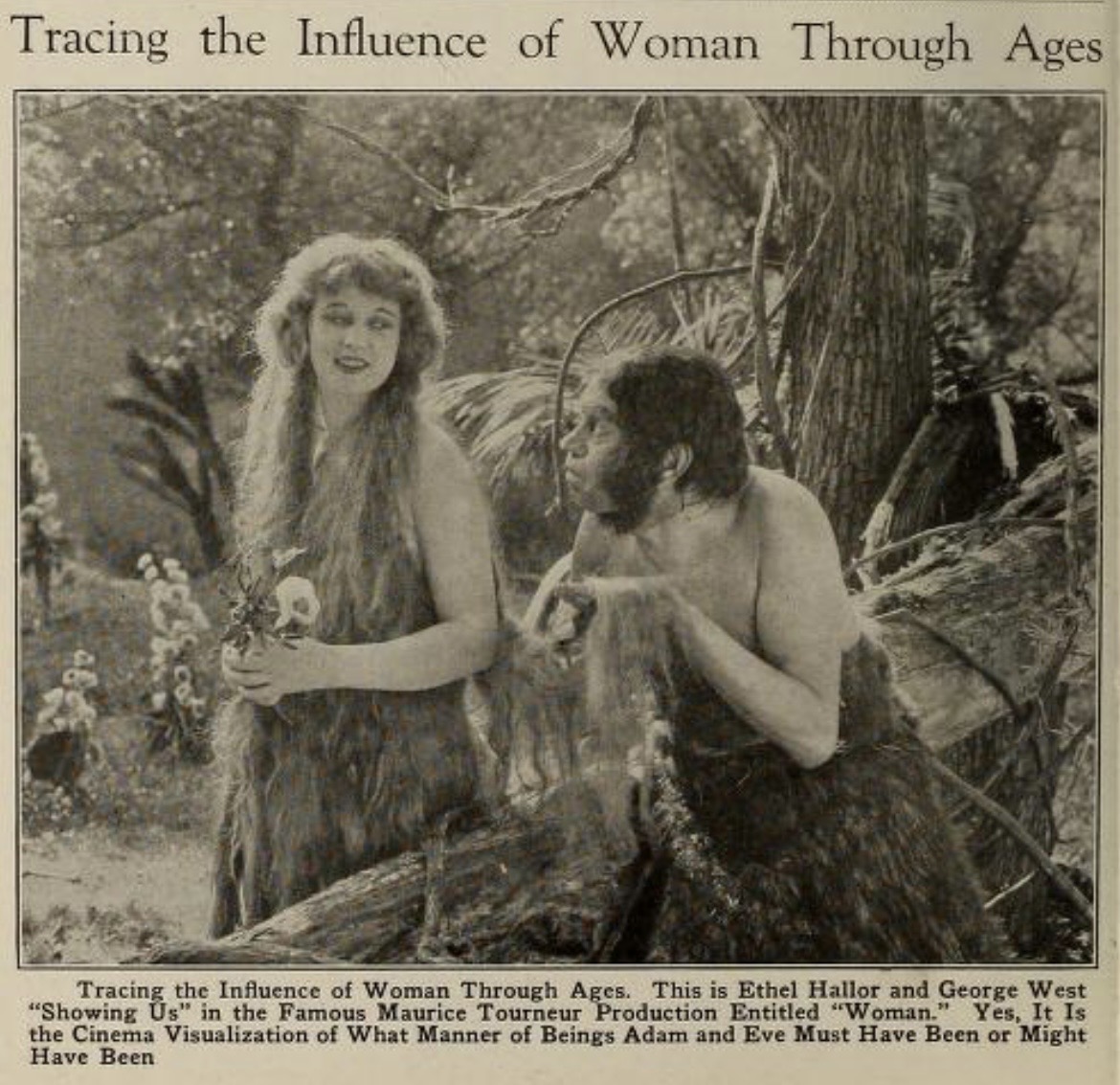
The power of a cult film often lies in its singular vision, a director's uncompromising commitment to their artistic sensibilities, regardless of commercial viability. This often results in films that are idiosyncratic, imperfect, but undeniably unique. These films challenge viewers to engage on a deeper level, to decipher their meanings, to embrace their quirks. Early character-driven pieces like The Boy Girl or The Glorious Fool, which explored gender roles or societal expectations through distinct character arcs, represent the kind of narrative boldness that, when pushed further, becomes the hallmark of cult cinema. They invite re-interpretation, discussion, and a personal connection that transcends simple entertainment.

The Transgressive and the Taboo: Embracing the Fringe
Many cult films gain their status by venturing into territories deemed transgressive or taboo by mainstream society. They tackle controversial subjects, depict graphic violence, explore sexuality in unconventional ways, or simply revel in the grotesque. This unflinching approach, while alienating to some, is precisely what draws others in, offering a cathartic release or a reflection of societal anxieties that mainstream cinema often shies away from. Even in early cinema, films like The Flower of Doom and A Maid of Belgium, with their dramatic narratives of crime, war, and emotional trauma, touched upon themes that were intense and potentially unsettling for audiences, hinting at the power of the dark and forbidden to captivate. The dramatic intensity of films such as Medea di Portamedina, exploring infanticide and betrayal, shows that early cinema was not afraid to delve into the darker aspects of human nature, a trait that would become central to many cult classics.
This embrace of the fringe extends to genre subversion. Cult films often blend genres in unexpected ways, creating hybrid cinematic experiences that defy easy categorization. A horror film might have comedic elements, a drama might delve into surrealism, or a sci-fi epic might be deeply philosophical. This genre fluidity contributes to their unique identity and their appeal to audiences tired of predictable narratives. The sheer variety of early films, from the sporting action of The Winning Stroke to the period drama of Tom Brown's Schooldays, demonstrates cinema's early capacity for diverse storytelling, a foundation upon which later genre-bending cult films would build.
Community and Identity: More Than Just a Movie
At its heart, cult cinema is about community. It’s about finding others who share your particular affinity for the strange, the obscure, or the brilliant yet overlooked. This shared passion creates a powerful sense of belonging, an inclusive space for those who feel alienated by mainstream culture. The act of discovering and championing a cult film becomes an identity marker, a badge of honor for cinematic rebels. Films like Tangled Hearts or A Rich Man's Darling, while perhaps conventional romances or dramas, still rely on character identification and emotional investment. When such investment deepens and becomes shared by a passionate minority, the groundwork for a cult following is laid.
This community manifests in various ways: online forums, fan conventions, dedicated websites, and, of course, those legendary midnight screenings. Fans engage with cult films on a level far beyond casual viewing; they analyze, theorize, create fan art, write fan fiction, and even produce their own homages. The film becomes a living text, constantly reinterpreted and re-contextualized by its devoted audience. The serialized nature of early works like Zudora, with its episodic structure and ongoing mysteries, implicitly encouraged sustained engagement and discussion among its viewers, demonstrating an early form of ongoing fan interaction that is now a hallmark of cult fandom.
The Enduring Legacy: Why Cult Cinema Thrives
The reasons for cult cinema's enduring appeal are multifaceted. Firstly, it offers an alternative. In a world saturated with homogenized content, cult films provide a refreshing escape, a chance to see something truly original and uncompromised. They speak to the desire for authenticity and the rejection of corporate-driven entertainment. Early short comedies like All for the Dough Bag and Wet and Warmer, with their distinct humor and often experimental slapstick, offered unique entertainment experiences that stood apart from more traditional dramatic fare, laying the foundation for diverse cinematic tastes.
Secondly, cult films often possess a timeless quality. Their themes, characters, or aesthetic choices resonate across generations, finding new audiences who connect with their underlying messages or their sheer artistic audacity. A film like The House of a Thousand Candles, an early mystery, or the adventurous spirit of Buckshot John, could, by virtue of their compelling narratives, continue to captivate long after their initial release. The universal appeal of certain narrative archetypes, even in early cinema, ensures their potential for long-term cultural relevance.
Finally, and perhaps most importantly, cult cinema celebrates the outsider. It tells us that it's okay to be different, to like things that aren't popular, to find beauty in the unconventional. It's a testament to the power of individual taste and the strength of collective passion. The dramas that explored social divides and personal triumphs, such as The Great Divide or the stories of redemption in The Glorious Fool, offered narratives where characters often stood against the grain, mirroring the eventual journey of the films themselves into cult status. The unique narrative of Der Falschspieler (The Forger) or the dramatic intensity of Severo Torelli, though obscure today, represent the early cinematic explorations of complex characters and situations that would later become a hallmark of cult films, appealing to those who appreciate moral ambiguity and unconventional heroism.
Conclusion: The Enduring Flame of the Fringe
From the flickering silent images of early melodramas and thrillers like The Flower of Doom and A Scream in the Night, to the elaborate participatory rituals surrounding modern midnight screenings, cult cinema has evolved into a formidable, fascinating force. It is a testament to the idea that art, in its purest form, defies categorization and commercial pressures. It reminds us that true cinematic value is often found not in box office receipts or critical consensus, but in the passionate embrace of a devoted few. These films, often initially overlooked or misunderstood, become beacons for those who seek something more, something deeper, something that speaks directly to their soul.
The journey of a cult film is a compelling narrative in itself: a story of initial struggle, eventual discovery, and enduring adoration. It is a cinematic gospel preached by the outcasts, finding its congregation in the shadows and transforming the fringe into a vibrant, indispensable part of film history. As long as there are filmmakers willing to challenge norms and audiences eager to explore beyond the mainstream, the subversive sermon of cult cinema will continue to resonate, inviting new disciples into its ever-expanding pantheon of beloved, unconventional masterpieces. It is a celebration of diversity, individuality, and the unbreakable bonds forged in the shared love of cinema's most rebellious and unforgettable gems.
Community
Comments
Log in to comment.
Loading comments…