
Cult Cinema Deep Dive
The Alchemy of Obsession: Unearthing Cult Cinema's Enduring Rebel Heartbeat
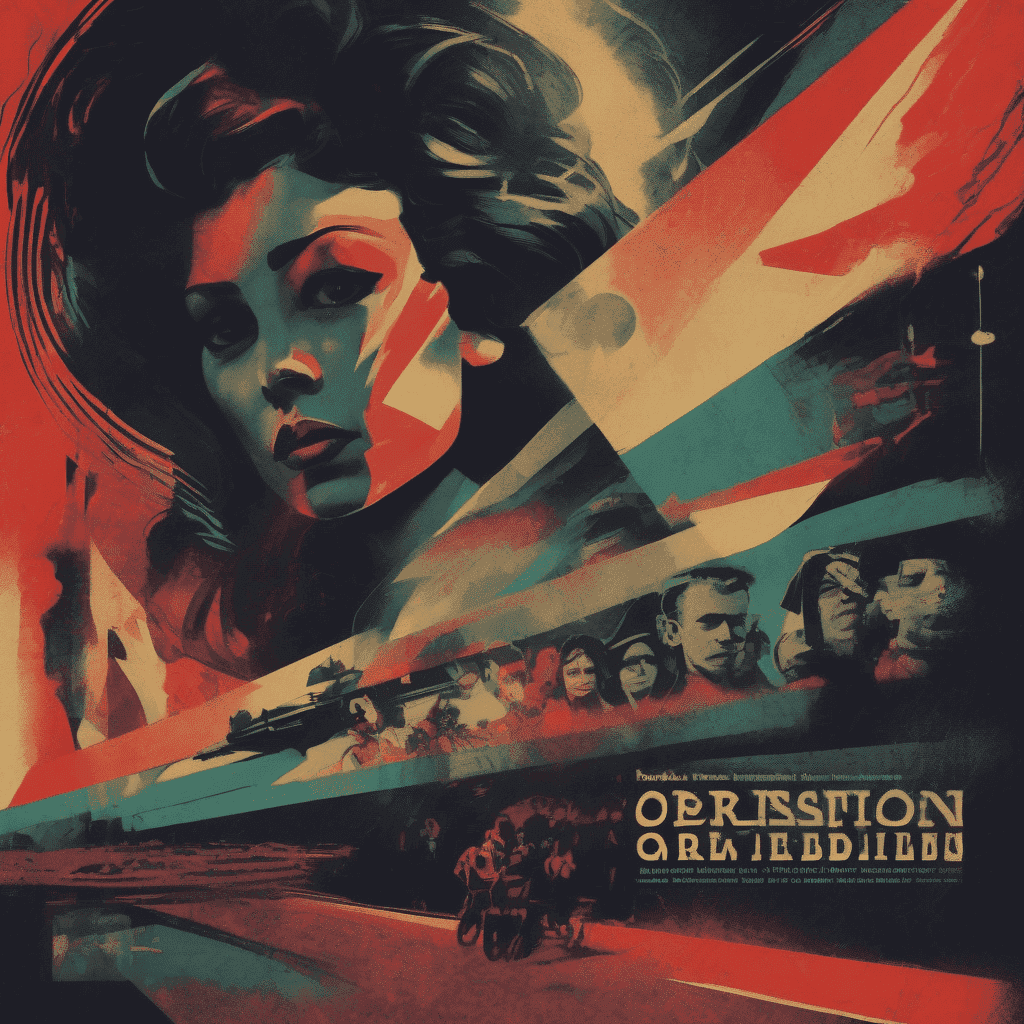
“Cult cinema, a captivating realm of films that defy mainstream sensibilities, thrives on the passionate devotion of its niche audiences. This long-form exploration delves into the enduring allure and subversive spirit that defines these cinematic anomalies, tracing their rebel heartbeat from cinema'…”
In the vast, ever-expanding universe of cinema, certain films exist not merely as entertainment, but as phenomena. They are the cult films – cinematic anomalies that transcend critical reception or box office success, finding their true immortality in the fervent embrace of dedicated audiences. These aren't just movies; they are rituals, shared secrets, and powerful catalysts for community and identity. From midnight screenings to obsessive repeat viewings, the enduring allure of cult cinema lies in its unique ability to connect with viewers on a profoundly personal, often transgressive, level. But what is it about these films – often bizarre, sometimes unsettling, always unconventional – that fosters such profound devotion? To truly understand the rebel heartbeat of cult cinema, we must journey back to its nascent origins, recognizing that the seeds of subversion were sown long before the term 'cult film' entered our lexicon.
The Genesis of the Maverick: Early Cinema's Unconventional Canvas
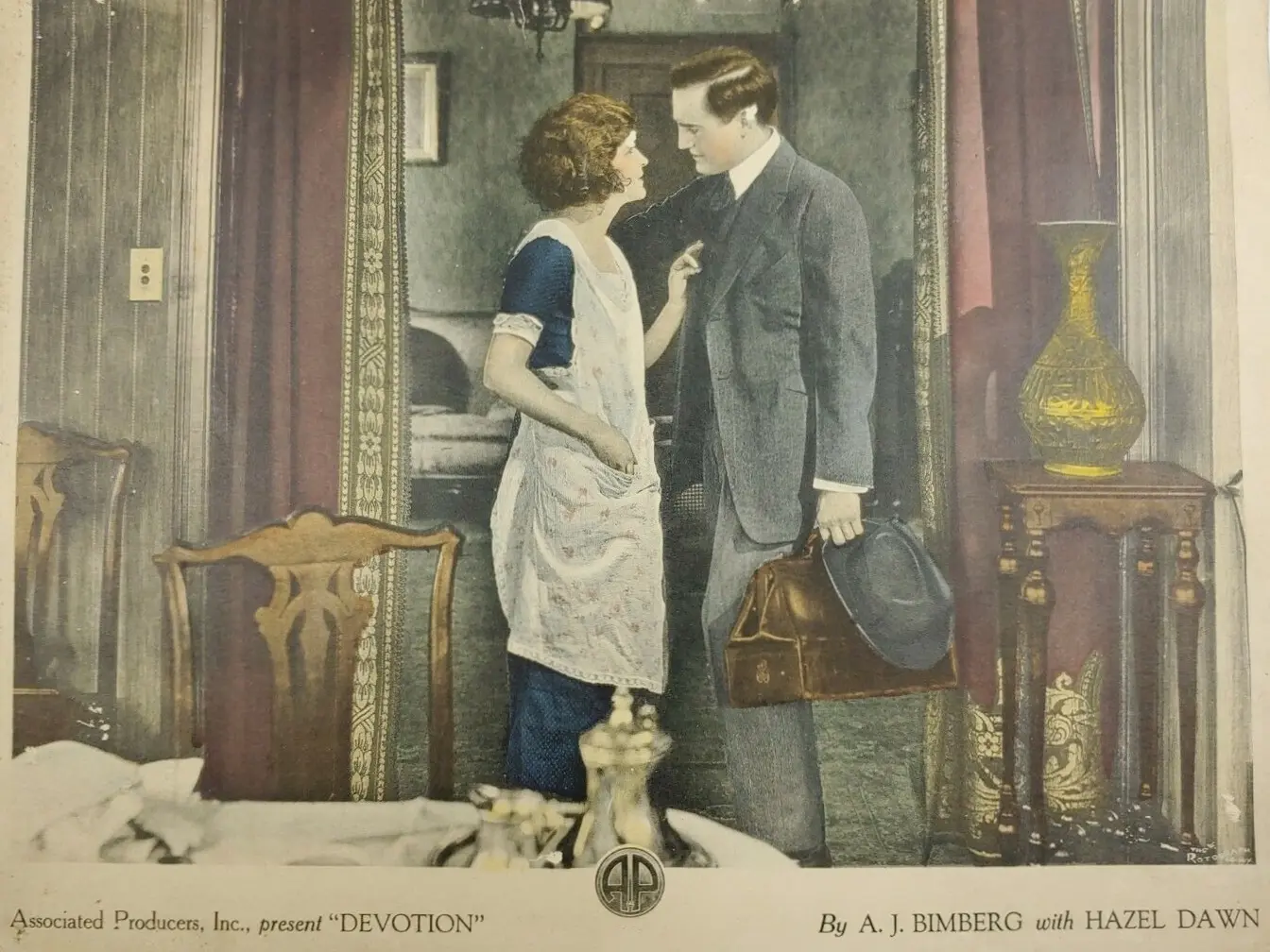
While the concept of a 'cult film' is often associated with the counter-culture movements of the mid-20th century, the foundational elements of this cinematic phenomenon can be traced to the very dawn of filmmaking. Even in the silent era, when cinema was still finding its voice, certain productions dared to deviate from the expected, presenting narratives or aesthetics that challenged the era's nascent mainstream. These early works, though perhaps not 'cult' in the modern sense, laid the subversive blueprints for what was to come.
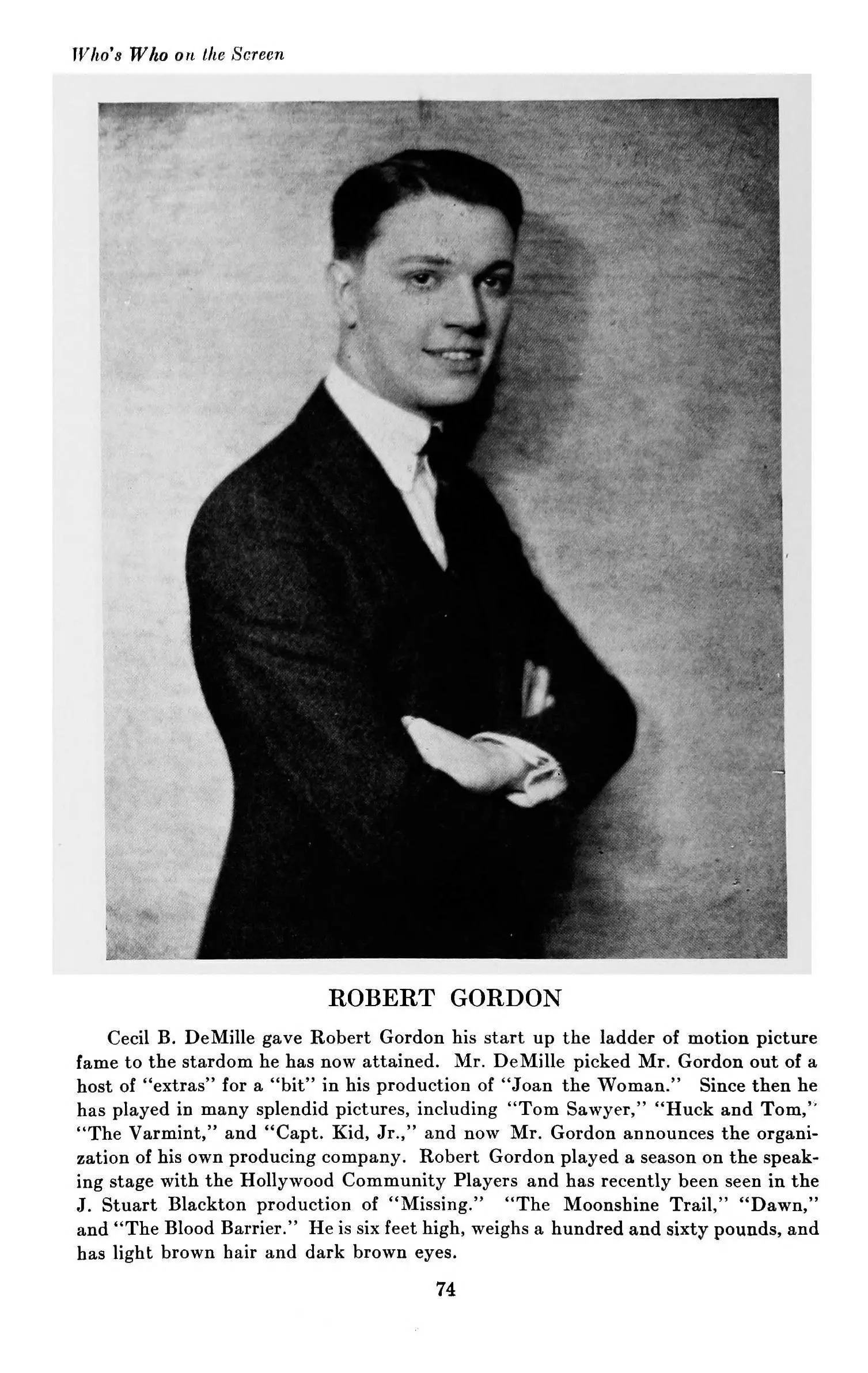
Consider the pioneering spirit evident in films that explored moral ambiguities or societal critiques. While many early films focused on clear-cut heroics or simple comedies, others delved into more complex human dramas. Tales of individuals struggling against powerful forces, like the syndicate in The Corner, or the fight for justice in The Outlaw's Revenge, hinted at an appetite for stories that questioned authority and explored the darker facets of human nature. These weren't always comfortable narratives; they often depicted characters in morally compromised positions or facing dire consequences, resonating with audiences who sought more than simple escapism.
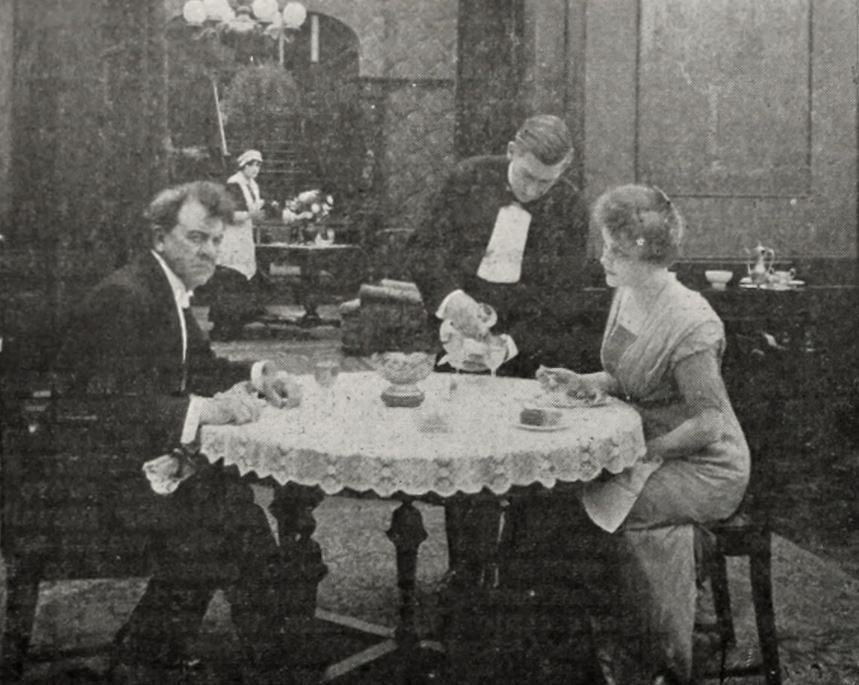
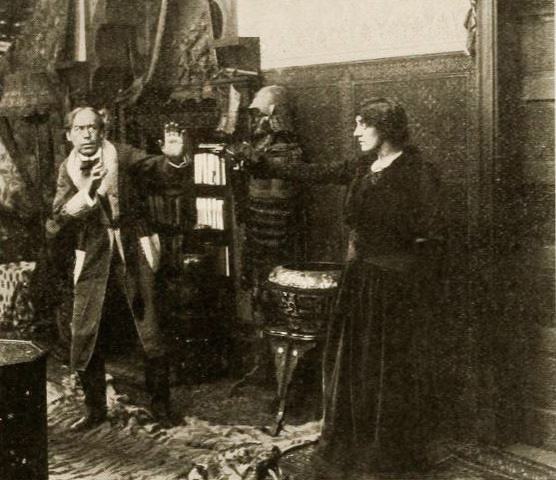
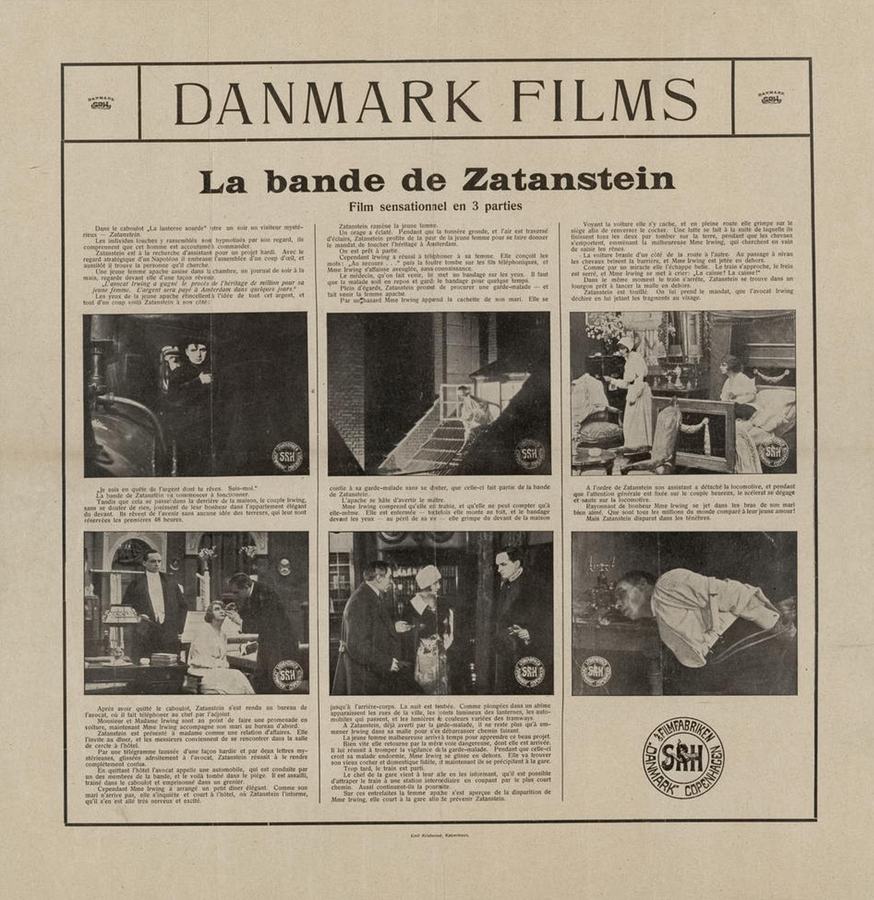
Furthermore, early cinema wasn't afraid to experiment with genre and tone, often blending elements in ways that might have seemed unusual to contemporary audiences. The fantastical journey of A Trip to Mars, for instance, pushed the boundaries of imagination, offering a glimpse into speculative fiction long before sci-fi became a defined genre. Similarly, films like Zatansteins Bande, with its mysterious, hypnotic antagonist, introduced elements of the macabre and the thrilling, tapping into primal fears and fascinations that would later become staples of horror and dark fantasy cults. These were not just stories; they were early cinematic experiments that expanded the medium's expressive potential, inadvertently cultivating a taste for the unconventional.
Narratives of Transgression and the Outsider Gaze
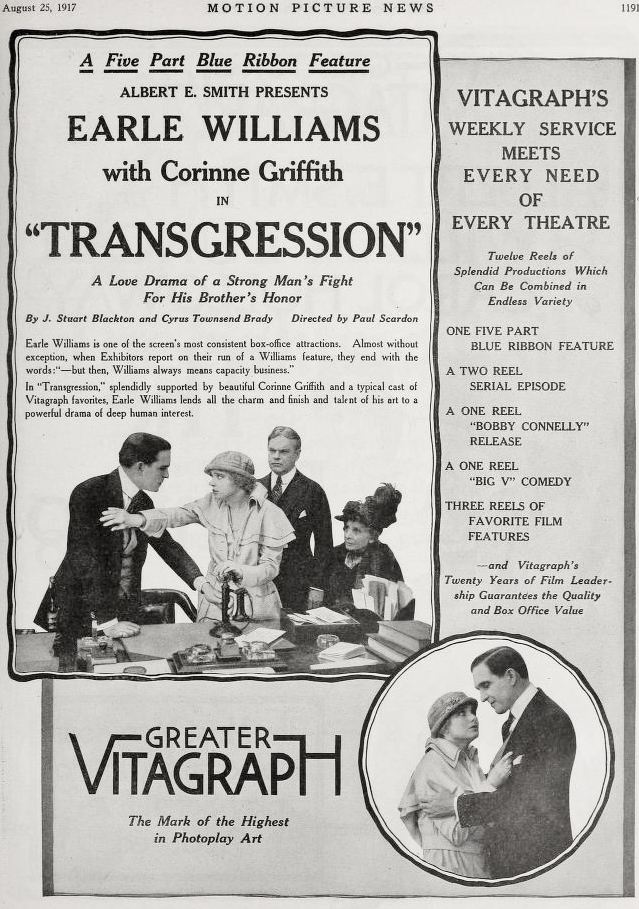
A defining characteristic of cult cinema is its embrace of transgression – stories that defy social norms, push moral boundaries, or simply present a worldview outside the accepted mainstream. This transgressive spirit, too, has deep roots. Many early dramas explored themes that, for their time, might have been considered provocative or cautionary tales about straying from societal expectations. Films like As Man Made Her or The Cup of Life, which depicted women navigating difficult moral choices and the consequences of ambition, offered narratives that, while perhaps intended to be didactic, also shone a light on forbidden desires and social hypocrisies.
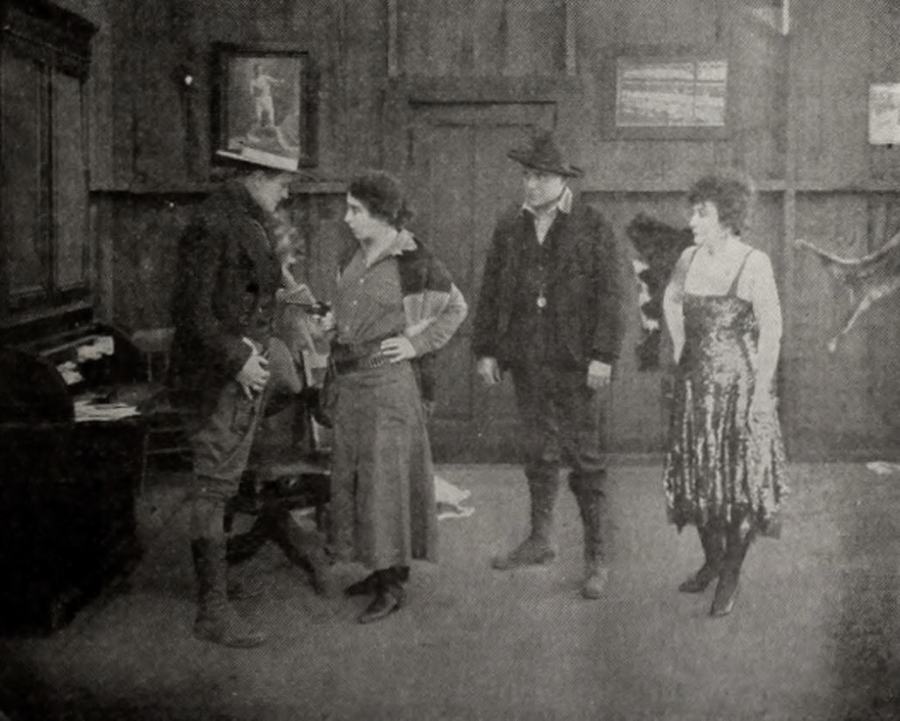
The figure of the outsider or the rebel is also central to the cult film ethos. Whether it's the free-spirited protagonist yearning for escape in A Girl's Folly, or the morally complex characters in dramas like The Dangerous Moment, these films often centered on individuals who didn't quite fit in. Even comedies like A Perfect 36, featuring a prank-loving protagonist, subtly celebrated a spirit of defiance against rigid convention. This early fascination with characters who operated on the fringes of society, who questioned or broke rules, resonated with audiences who perhaps felt similarly alienated or yearned for an alternative perspective.
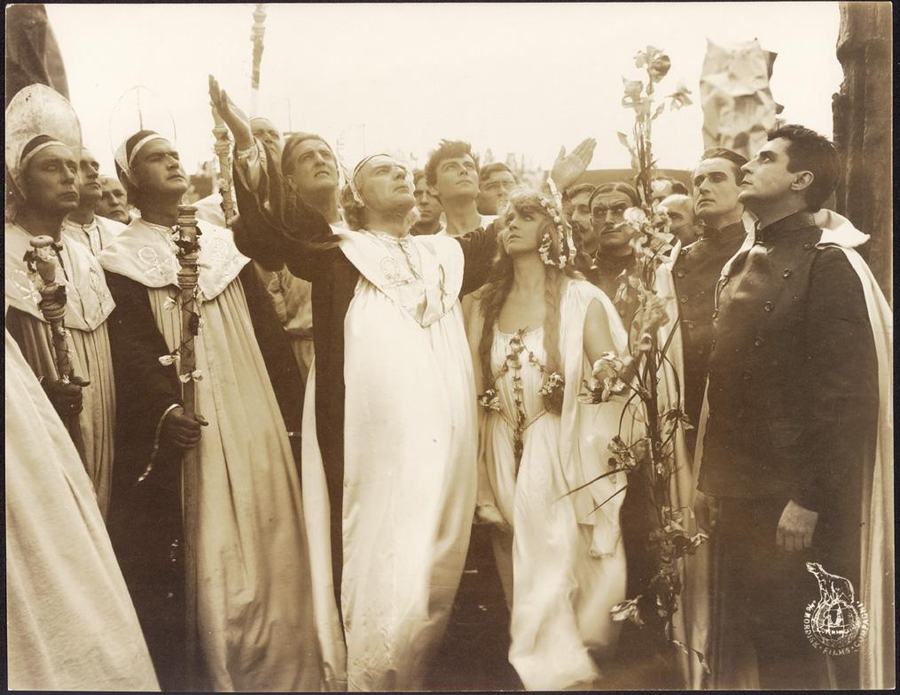
The sheer variety of these early narratives, from the patriotic fervor of Her Country First to the intense personal struggles in God, Man and the Devil, demonstrates a wide-ranging exploration of the human condition. While not all these films were intended to be 'cult,' their willingness to tackle weighty themes, portray flawed characters, or simply present a unique vision, contributed to a cinematic landscape rich with unconventional storytelling. This diversity created a breeding ground for future genre-bending and maverick filmmaking.
The Power of the Unseen and the Misunderstood
Many cult films gain their status precisely because they were initially misunderstood, overlooked, or deemed too strange for mainstream acceptance. This phenomenon isn't new. In the early days of cinema, without the sophisticated marketing and distribution networks of today, many films likely found their audiences through word-of-mouth, regional popularity, or simply by being unique enough to stand out. Films like The Ghost Girl, a tale of a young woman's harmless adventure and mistaken identity, or the regional appeal of a Western like Nugget Nell, might have quietly garnered dedicated local followings, appreciated for their distinct charm or narrative twists.
The concept of the 'midnight movie', a cornerstone of cult cinema, implies a space outside regular programming, a haven for films that thrive in the shadows. While actual midnight screenings became prominent later, the spirit of seeking out the unusual, the film that speaks directly to a niche sensibility, was always present. Early audiences, often less conditioned by mass media, were perhaps more open to the sheer novelty of cinema itself, and thus more receptive to films that pushed boundaries, whether through special effects, narrative complexity, or thematic daring. A film like Madame de Thebes, with its dramatic narrative of a cursed gypsy daughter, might have captivated audiences drawn to its exoticism and intense melodrama, forming an early, albeit informal, niche audience.
Even what might seem like straightforward genre pieces on the surface often contained elements that set them apart. The Westerns from the list, such as Treat 'Em Rough or The Wolverine, while adhering to genre tropes, could have featured particularly charismatic actors, unique stunt work, or a distinct directorial flair that made them stand out to discerning viewers. These subtle differences, over time, could foster an appreciation that went beyond mere entertainment, paving the way for the later emergence of fanatical fandoms.
The Audience as Alchemist: Forging Fandom and Identity
The true alchemy of cult cinema lies in its relationship with the audience. It's the viewers who elevate a film from mere obscurity to a cherished, often revered, cultural touchstone. This process involves more than just appreciation; it’s about identification, interpretation, and participation. Cult films often provide a mirror for their audiences, reflecting their own anxieties, desires, or rebellious spirits. They create a shared language, a sense of belonging among those who 'get it.'
Consider how films that dealt with themes of betrayal and redemption, like Three Sevens, or the complexities of love and marriage, as seen in Don't Change Your Husband, could have sparked intense discussions and debates among early moviegoers. While not leading to costumed screenings, these films undoubtedly fostered a deeper engagement than typical fare. They were conversation starters, inspiring viewers to dissect characters' motivations and ponder moral implications, an early form of the active audience engagement so crucial to modern cult followings.
The very act of seeking out and championing a film that others might dismiss is a statement of identity. It’s a rebellion against the dictates of popular taste, a declaration of allegiance to a particular aesthetic or worldview. This cinematic rebellion has always been a driving force. Even in an era dominated by simpler narratives, films that dared to be different – whether through their subject matter, their stylistic choices, or their unconventional characters – attracted those who sought something beyond the ordinary. The satire embedded in The Dawn of Freedom, for example, would have resonated deeply with a segment of the audience disillusioned with prevailing ideals, forging a bond between film and viewer rooted in shared sentiment.
The Enduring Legacy: From Silent Deviants to Modern Mythos
The journey from early cinema's unconventional narratives to today's vibrant cult film landscape is a testament to the enduring human desire for stories that challenge, provoke, and resonate on a deeper level. The films of the silent era, often dismissed as quaint or simplistic, were in fact laboratories of cinematic expression, where filmmakers experimented with narrative structure, character depth, and thematic complexity. They explored forbidden narratives and pushed the boundaries of what was considered acceptable, just as cult films do today.
The spirit of the maverick filmmaker, who prioritizes vision over commercial viability, has been a constant throughout cinematic history. From the early independents to the auteurs of the New Hollywood, and down to contemporary underground filmmakers, there has always been a segment of creators unafraid to make the films they want to see, regardless of mass appeal. These are the artists whose works often become the bedrock of cult canons, films that defy easy categorization and demand active engagement.
In conclusion, cult cinema is far more than a collection of oddball films; it is a vital, evolving testament to the power of film to forge identity, build communities, and continually challenge the boundaries of art. Its rebel heartbeat echoes through the decades, a persistent rhythm of subversion and passion. From the dramatic moral quandaries of The Dangerous Moment to the fantastical flights of A Trip to Mars, and the gritty realism of The Way of the Strong, these early cinematic explorations, though separated by time and technology, share an undeniable lineage with the cult classics we cherish today. They remind us that the allure of the unconventional, the power of the misunderstood, and the profound connection between film and its most devoted followers are as old as cinema itself. The alchemy of obsession continues to transform overlooked reels into cherished relics, proving that the true value of a film often lies not in its initial reception, but in its enduring resonance with those who dare to look beyond the marquee.
Community
Comments
Log in to comment.
Loading comments…