
Cult Cinema
The Celluloid Covenant: Tracing the Primal Devotion and Narrative Anarchy of the Early Century’s Misfit Reels
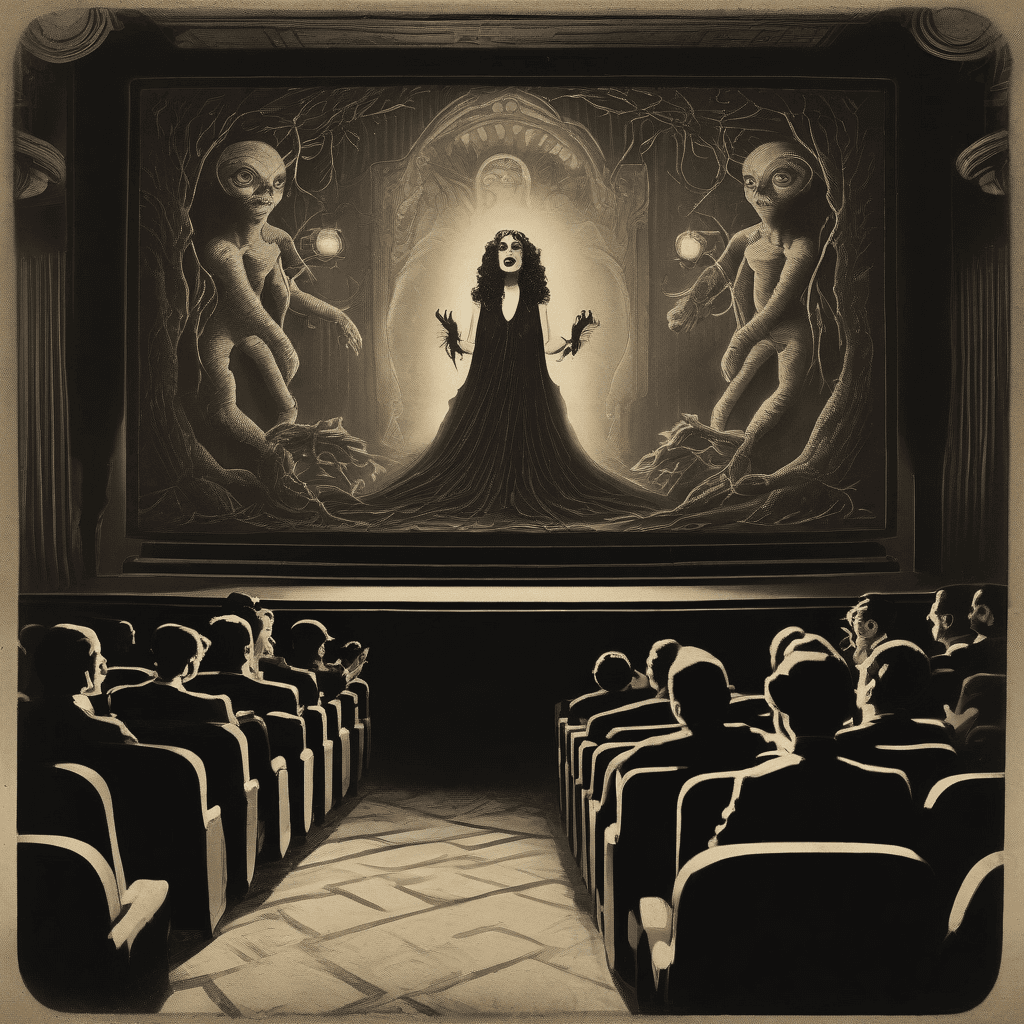
“Explore the hidden foundations of cult cinema through the transgressive narratives and experimental genre-bending of early 20th-century film anomalies.”
When we speak of cult cinema, the mind often drifts toward the neon-soaked midnight screenings of the 1970s or the grainy VHS tapes of the 1980s. However, the true genetic blueprint of the cult movie was drafted much earlier, in the flickering shadows of the silent era. Before the term "cult" was ever applied to the silver screen, there existed a collection of misfit reels—films that defied categorization, challenged moral boundaries, and invited a level of devotion that went beyond mere entertainment. These were the original anomalies, the works that prioritised narrative anarchy over commercial safety, forging a path for every "weird" masterpiece that would follow in their wake.
The Bio-Mechanical and the Occult: The Birth of Body Horror
At the heart of the cult aesthetic lies an obsession with the "other." One of the most striking examples of this early transgressive spirit is the 1918 film Alraune. Long before modern science fiction explored the ethics of cloning or genetic engineering, Alraune presented a mad scientist who "created" a beautiful but demonic woman. The premise—a forced sexual union between a woman and a mandrake root—is as grotesque as it is fascinating, tapping into primal fears and magical folklore. This film didn't just tell a story; it created an atmosphere of unsettling wonder, a hallmark of the cult experience where the viewer is drawn to the screen by a mixture of repulsion and attraction.
Similarly, the Russian production Devi gory (1919) attempted to create a stylized fairy tale epic based on legends of the Antichrist. By weaving together religious omens and mystical dread, it spoke to a niche audience hungry for something more profound than the standard melodrama. These films were the precursors to the "art-house horror" genre, proving that even in the 1910s, there was a hunger for the macabre and the metaphysical.
Gender Subversion and the Social Outcast
Cult cinema has always been a sanctuary for those who live on the fringes of society. In The Microbe (1919), we see a fascinating early example of gender fluidity. The character of "Mike," a female street urchin, sells newspapers dressed as a boy to avoid harassment. This subversive performance of identity allowed the film to explore social dynamics and the "unseen" lives of the urban poor in a way that felt rebellious. The "Microbe" is not a traditional heroine; she is a survivor, a scrappy outlier who resonates with the anti-establishment ethos that defines cult fandom.
This theme of the "lovable outcast" is echoed in Tess of the Storm Country, where the conflict between squatters and wealthy residents serves as a backdrop for a narrative of social defiance. When a wealthy resident attempts to dispossess those living near his home, it leads to a false accusation of murder, forcing the audience to side with the marginalized. These films didn't just provide escapism; they provided a mirror to the injustices of the era, wrapped in the sensationalism that would eventually become a staple of the midnight movie circuit.
The Gentleman Crook and the Arch Criminal
If the cult film has a patron saint, it is the renegade. The silent era gave us many such figures, most notably in Velvet Fingers (1920). Here, the adventures of a gentlemanly crook of "astonishing resourcefulness" captivated audiences who were tired of black-and-white morality. The charm of the criminal—the idea that one could be both a lawbreaker and a gentleman—is a recurring trope in cult narratives, from the French "Fantômas" to modern heists. This moral ambiguity is further explored in The Phantom's Secret (1917), where a daughter discovers her father was the arch-criminal known as "The Phantom." The legacy of the secret identity and the shadowy double life feeds into the cult obsession with "hidden truths" and the dark underbelly of respectability.
Melodrama as a Catalyst for Obsession
While cult films are often associated with genre extremes, many found their footing in the heightened reality of extreme melodrama. Films like Justice d'abord and The Love That Dares (1919) utilized "fateful misunderstandings" to push characters to their emotional limits. In The Love That Dares, a marital rift caused by extravagant spending and business devotion leads to a tragedy that feels almost Shakespearean in its weight. This emotional maximalism is exactly what attracts a cult following—the sense that the stakes are impossibly high, and the feelings are undeniably raw.
We see a similar intensity in The Firing Line (1919), where a loveless marriage and the fear of hurting foster parents create a prison for the protagonist. These stories of domestic entrapment and the longing for freedom resonated with audiences who felt similarly constrained by the rigid social codes of the early 20th century. When Forbidden Fruit (1921) depicts a seamstress being "rented" as an escort to a millionaire while her husband attempts blackmail, it crosses into the territory of the sordid and the scandalous—territory that cult fans have always found irresistible.
The Spectacle of the Strange
Cult cinema is often defined by its "visual signatures." The silent era was a time of immense experimentation in this regard. Moongold, a fantasy short, and the Hungarian version of The Merry Widow (1918) showed that cinema could be a dreamscape. The use of mistaken identity in The Merry Widow creates a surreal narrative loop that keeps the viewer off-balance. Meanwhile, the educational yet atmospheric The Colosseum in Films allowed viewers to travel through time and space, satisfying a voyeuristic curiosity about the ancient world that feels like a precursor to the "mondo" documentaries of the 1960s.
Then there is Salome (1918). The biblical story of Herodias, John the Baptist, and the infamous dance of the seven veils provided a perfect canvas for eroticism and religious controversy. Any film that faced protest or censorship—as Salome often did—was immediately elevated to cult status. The act of watching something "forbidden" creates a bond between the audience and the screen, a secret handshake of the cinematic underground.
The Serial Thrill and the Action Heroine
Before the modern blockbuster, there was the serial. The Lion's Claws (1918) featured an intrepid heroine navigating jungles and deserts, fighting both man and beast. This kind of relentless peril and episodic storytelling created a "must-see" culture. Fans would return week after week, building a community around the survival of their favorite character. This repetitive ritual of viewing is the foundation of the "cult" experience. The same can be said for Nattens datter II, which followed a "daughter of darkness" and her interactions with sophisticated criminals. These films celebrated the femme fatale and the "adventuress," archetypes that would later be worshipped in the noir and neo-noir cult classics.
Even the comedies of the era had a streak of the absurd that appealed to the cult sensibility. A Pair of Sexes, with its plot involving a man entering the wrong flat and finding twin babies, uses chaos and coincidence to drive its humor. Similarly, Moonlight Follies (1921) pits a "cute young flapper" against a "rugged man of the mountains" in a clash of social classes that feels both whimsical and pointed. These films didn't just aim for the "cheap laugh"; they explored the absurdity of modern life, a theme that remains central to the "cult comedy" subgenre.
The Legacy of the Overlooked
Why do we still look back at films like The Question (1917) or The House of Mirth (1918)? It is because they represent a time when the rules of cinema were still being written. In The Question, a doctor’s obsession with a medical formula creates a tension between professional ambition and human romance—a clinical coldness that would later be explored by directors like David Cronenberg. In The House of Mirth, the social maneuvering of Lily Bart serves as a tragic critique of the "gilded cage" of high society. These films were often "too much" for the mainstream of their time—too dark, too strange, or too cynical. But for the cult devotee, "too much" is just enough.
The enduring power of these early works lies in their fearless exploration of the human condition. Whether it is the vengeance-seeking daughter in Vengeance Is Mine (1917) or the guilt-ridden father in The Lamplighter (1921), these stories tap into universal emotions through a distorted lens. They remind us that the "cult" is not just about the weirdness of the plot, but about the intensity of the vision. A film becomes "cult" when it feels like it was made for one specific person, and yet, thousands of people find themselves being that "one person."
Conclusion: The Eternal Midnight
As we trace the lineage of cult cinema, we find that the "midnight movie" was always there, waiting for the sun to go down. From the biological terrors of Alraune to the social mutiny of The Microbe, the silent era was a laboratory of the unusual. These films were the first to suggest that cinema could be a ritual, a challenge, and a sanctuary for the misunderstood. They proved that a "misfit reel" could achieve a form of immortality, not through box office numbers, but through the fervent devotion of those who see the world a little differently. In the end, the celluloid covenant is a promise between the filmmaker and the outcast: that no matter how strange the vision, there will always be a congregation waiting in the dark.
Community
Comments
Log in to comment.
Loading comments…