
Cult Cinema
The Celluloid Underground: Unearthing the Rebel Heart of Cinema's Enduring Obsessions

“Dive into the enigmatic world of cult cinema, exploring how unconventional narratives, genre defiance, and a passionate audience forge timeless legacies far beyond mainstream recognition. This deep dive uncovers the magnetic allure of films that challenge, provoke, and unite.”
In the vast, ever-expanding universe of film, there exists a unique constellation known as cult cinema. These aren't merely movies; they are phenomena, experiences, and often, sacred texts for their devoted followers. Far from the blockbusters and critical darlings, cult films carve out their own space, thriving on a unique blend of transgression, unconventional storytelling, and an almost alchemical connection with their audience. They are the cinematic outsiders, the misunderstood masterpieces, the films that, for various reasons, failed to find mainstream success upon release but blossomed into enduring icons through word-of-mouth, midnight screenings, and a fervent, almost religious, fandom.

The Genesis of the Outlier: When Mainstream Fails, Cult Flourishes
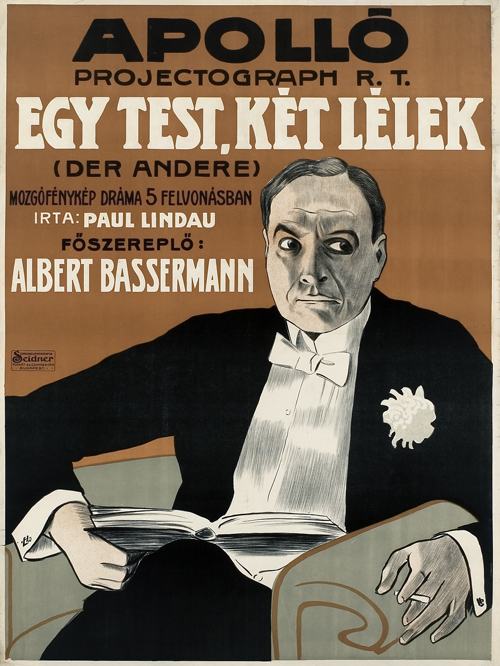
What defines a cult film? It's a question without a singular answer, a fluid concept that encompasses everything from bizarre B-movies to profound arthouse experiments. At its core, cult cinema often represents a rejection of the conventional. These films might feature narratives deemed too strange, too shocking, or too niche for broad appeal. Consider the early stirrings of this phenomenon: films that, even in the nascent days of cinema, pushed boundaries. Imagine the early audiences encountering something like Filibus, a tale of a sky-pirate committing daring robberies from an airship, or the psychological complexity of Der Andere, exploring a man with a split personality. These weren't necessarily mainstream hits, but their unique premises and genre defiance hinted at a craving for the unusual, a desire to see stories that deviated from the familiar.

Many cult films begin their lives as commercial failures or critical disappointments. They are often ahead of their time, misunderstood by contemporary audiences or critics who aren't ready for their subversive themes or unconventional aesthetics. Take, for instance, films that explored complex social issues or moral ambiguities, much like the challenging narratives found in early dramas such as A Doll's House or The Mother Who Paid. While these specific titles might not be cult films in the modern sense, their willingness to grapple with societal norms and personal struggles laid a thematic groundwork. The journey from obscurity to cult status is a testament to their inherent power, a slow burn that ignites passion in subsequent generations.
Transgression and Taboo: Challenging the Cinematic Status Quo
A hallmark of many cult classics is their willingness to transgress. They often delve into themes considered taboo, explore controversial subjects, or present violence, sexuality, or psychological disturbance in ways that mainstream cinema shies away from. This transgressive spirit is not merely for shock value; it often serves to deconstruct societal norms, challenge moral complacency, or explore the darker, more complex facets of the human condition. From the daring female protagonist in The She Wolf to the intricate web of deceit and passion in The Woman Between Friends, cinema has always had its rebels.

This extends beyond narrative into visual style and genre blending. Films that refuse to be neatly categorized, that mash up horror with comedy, drama with surrealism, or science fiction with social commentary, often find their home in the cult underground. Think of films that might have featured early special effects or bizarre contraptions, like the 'death ray' in The Flaming Disc, or the dramatic intensity of Tempêtes. These elements, when combined with a unique directorial vision, create a powerful, often unsettling, experience that resonates deeply with audiences seeking something beyond the ordinary. The unconventional narratives and stylistic choices become a secret language, understood and cherished by those who seek it out.

The Allure of the Anti-Hero and the Moral Ambiguity
Many cult films gravitate towards characters who operate outside conventional morality or societal expectations. These anti-heroes, misfits, and rebels offer a mirror to audiences who feel similarly disenfranchised or simply drawn to the complex, often flawed, human spirit. Whether it's the protagonist of The Pretender, navigating personal grievances, or the dramatic struggles in A Certain Rich Man, these characters, through their imperfections and unconventional paths, forge a deeper connection than their more heroic counterparts. The world of cult cinema embraces the grey areas, the morally ambiguous choices, and the consequences of living on the fringes.

This moral ambiguity often allows for richer thematic exploration. It permits films to tackle uncomfortable truths about society, power, and human nature without offering easy answers. Such films demand engagement, prompting viewers to confront their own biases and assumptions. They don't spoon-feed; they provoke, challenge, and ultimately, enrich the viewer's understanding of the world, much like the intricate human relationships depicted in Life's Shop Window or the dramatic revelations in Beyond the Crossroads.

The Power of the Niche: Forging Identity Through Shared Experience
Perhaps the most defining characteristic of cult cinema is its ability to foster a profound sense of community among its viewers. These aren't films watched in isolation; they are shared experiences, often revisited, dissected, and celebrated. The niche fandoms that spring up around cult films are fiercely loyal, creating their own rituals, inside jokes, and interpretations. This communal aspect transforms passive viewership into active participation, elevating the film from mere entertainment to a cultural touchstone.

This shared identity can be seen across various genres and eras. From the early days of cinema, stories of daring escapes and hidden identities, like those found in The Peddler of Lies or The Mystery Road, could have captivated specific audiences drawn to their particular thrills. Films that feature unique concepts or unusual character dynamics, such as the cross-dressing premise of Engelein, often resonate with audiences seeking representation or simply a break from the norm. The unique narrative of The School for Scandal, with its intricate social commentary, also speaks to this desire for depth and unconventional portrayals.
Beyond the Screen: Audience Participation and Ritual
The cult experience often extends far beyond the initial viewing. Midnight screenings, dress-up parties, sing-alongs, and quote-alongs are common rituals that solidify the bond between film and audience. This audience participation isn't just about enjoyment; it's about reclaiming the film, imbuing it with new meaning, and creating a living, evolving cultural artifact. The film becomes a catalyst for social interaction, a shared secret among those in the know.
Even films with seemingly straightforward premises can become cult objects if they possess a certain indefinable spark. A seemingly simple comedy like Flies or Edgar Camps Out, if it contained a truly unique comedic sensibility or a touch of the absurd, could have gathered a dedicated following. Similarly, the dramatic intensity of His Greatest Sacrifice or The Rainbow, if it explored human suffering or triumph with an unusual depth or style, could captivate a particular audience seeking profound emotional resonance. This active engagement transforms the film from a product into a cultural phenomenon.
The Enduring Legacy of the Maverick Vision
The journey of a film from obscurity to cult status is rarely predictable. It often relies on a confluence of factors: a unique vision, a compelling (if unconventional) narrative, a memorable aesthetic, and most importantly, an audience ready to embrace its quirks and champion its message. Films like The Flaming Disc, with its sci-fi premise, or The House of Mystery, with its dramatic twists, represent the kind of genre-bending or intense storytelling that can capture a niche imagination.
Whether it's the stark realism of The Scarlet Trail (likely a docudrama on venereal disease prevention, potentially shocking for its time) or the fantastical elements of The Kangaroo (suggesting early animation or exotic locales), cult films continually remind us that cinematic value isn't solely determined by box office receipts or critical consensus. It's about resonance, longevity, and the profound connection forged between a film and its chosen few.
The maverick visions that birthed these films continue to inspire new generations of filmmakers and cinephiles. They serve as a reminder that the most impactful stories are often those that dare to be different, to challenge perceptions, and to speak to the underground currents of human experience. From the slapstick antics of Hole in the Wall to the dramatic gravitas of The Cross Bearer, each film, in its own way, contributes to the rich, diverse tapestry of cinematic obsession.
The cultural impact of cult cinema extends far beyond its immediate viewership. It influences fashion, music, art, and even mainstream filmmaking, as elements once considered too strange or niche are slowly assimilated into the broader cultural lexicon. This enduring allure lies in its authenticity, its refusal to compromise, and its unwavering commitment to its unique vision. It is a testament to the idea that true art finds its audience, eventually, even if it has to wait in the shadows for its moment to shine.
The Future of Cult: Digital Age and Beyond
In the digital age, the mechanisms of cult formation have evolved. Streaming platforms and online communities provide new avenues for overlooked masterpieces to find their tribes. A film that might have languished in obscurity in the past can now be discovered and championed by a global audience, accelerating its journey to cult status. This democratization of discovery means that the rebel heart of cinema continues to beat strong, constantly identifying and elevating films that challenge, provoke, and resonate on a deeply personal level.
Ultimately, cult cinema is more than a genre; it's a philosophy. It celebrates individuality, challenges conformity, and fosters a sense of belonging for those who seek cinematic experiences that defy easy categorization. It is the unconventional canon, a vibrant, ever-changing testament to the power of film to connect, inspire, and obsess.
Community
Comments
Log in to comment.
Loading comments…