
Cult Cinema
The Fringe's Enduring Flame: Igniting Passion in Cinema's Unsung Masterpieces

“Cult cinema isn't merely a genre; it's a phenomenon of passionate devotion, a testament to films that defy mainstream appeal yet forge unbreakable bonds with their audiences. This article explores the enduring allure and unique characteristics that elevate certain films from obscurity to iconic stat…”
In the vast, ever-expanding tapestry of cinematic history, certain films refuse to fade into obscurity despite their initial critical or commercial failings. These are the unsung masterpieces, the misunderstood visions, the glorious anomalies that collectively form the vibrant, often perplexing, world of cult cinema. More than just movies, cult films are cultural phenomena, revered artifacts that spark fierce devotion, inspire midnight screenings, and foster communities bound by a shared, often idiosyncratic, love. They are the cinematic outsiders, the rebels with a cause, and their enduring flame continues to burn brightly in the hearts of cinephiles worldwide.
What is it about these particular films – often strange, sometimes offensive, frequently ahead of their time – that allows them to transcend their initial reception and garner an almost religious following? It’s a complex alchemy of artistic vision, audience reception, and the serendipitous unfolding of cultural moments. From the silent era's curious narrative experiments to the audacious genre-benders of the modern age, cult cinema represents a powerful counter-narrative to the mainstream, celebrating uniqueness, subversion, and the sheer audacity of vision.

The Genesis of Devotion: What Defines a Cult Film?
Defining 'cult cinema' is akin to catching smoke – it’s elusive, constantly shifting, and yet undeniably present. It’s less about genre and more about reception. A cult film is typically a motion picture that has acquired a passionate, devoted, and often obsessive following, despite not achieving widespread mainstream critical or commercial success. These films often feature unique stylistic elements, unconventional narratives, taboo subject matter, or a distinct sense of 'otherness' that resonates deeply with a niche audience.
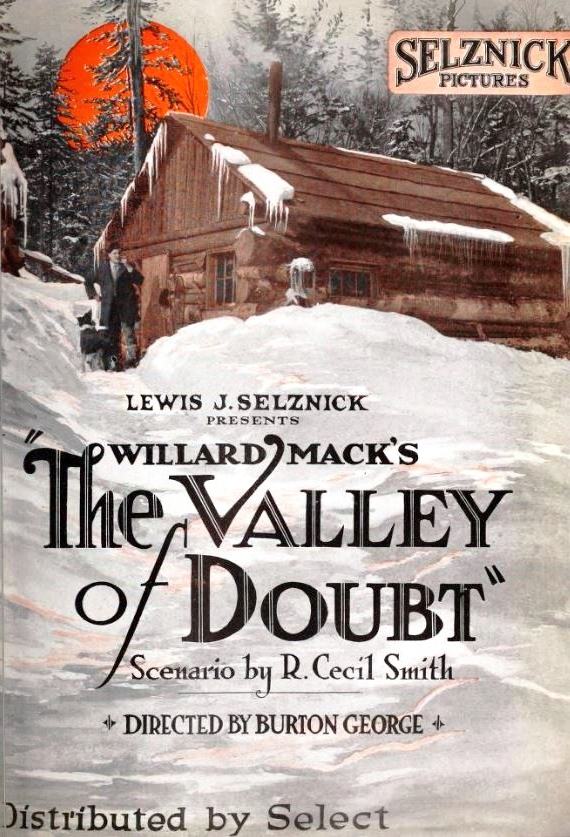
The journey to cult status often begins with a stumble. Many cult films were initially panned by critics, ignored by the public, or deemed too controversial for their time. Consider the early 20th century's diverse cinematic output, where films like the dramatic The Valley of Doubt or the moralistic A Fool There Was (1922) might have been seen through a conventional lens. Yet, within that vast landscape of silent dramas, comedies like Kohlhiesel's Daughters, and action-packed Westerns such as The Big Punch or Dead Shot Baker, there were undoubtedly films that, even then, possessed peculiar quirks, experimental structures, or challenging themes that appealed to a select few. While not 'cult' in the modern sense, these films represent a foundational era where cinematic language was still being invented, and the potential for a film to be 'misunderstood' or 'ahead of its time' was ever-present.

Crucially, cult films often challenge societal norms, push boundaries, or simply present a worldview that deviates sharply from the accepted mainstream. They might employ dark humor, extreme violence, surreal imagery, or deliberately ambiguous storytelling. This transgressive quality is often what initially alienates a broader audience but simultaneously attracts those seeking something different, something authentic, something that speaks to their own sense of alienation or curiosity. The 'cult' isn't just about the film; it's about the community that forms around it, a congregation of like-minded individuals who find solace and identity in its singular vision.
The Unconventional Canvas: Themes and Aesthetics
Cult cinema thrives on the unconventional. It’s a realm where narrative predictability is scorned, and aesthetic norms are shattered. Many cult classics revel in absurdity, non-sequiturs, and a deliberate rejection of traditional storytelling. This can manifest in various ways: from the stark, unsettling atmosphere of a psychological thriller to the flamboyant, over-the-top theatricality of a musical satire.

Looking back at the early films that form our inspiration, we see a nascent industry experimenting with storytelling. Films like The Tyranny of the Mad Czar or The Triumph of Venus, though perhaps conventional for their time, hint at grand narratives and mythological explorations. Imagine how a film like Beresford and the Baboons, with its wild premise of a boy raised by baboons teaching them engineering, might have struck early audiences – a blend of the fantastic and the absurd, elements that would later become hallmarks of cult appeal. These early works, whether intentionally or not, demonstrated the vast potential for cinema to depict the bizarre, the fantastical, and the deeply human, laying the groundwork for future cinematic deviations.
Common themes in cult cinema include:
- Rebellion and Anti-Establishment: Stories that champion the outsider, question authority, or depict societal collapse.
- Transgression and Taboo: Tackling subjects often deemed too controversial for mainstream consumption, from sexuality to violence to existential dread.
- Surrealism and Absurdity: Non-linear narratives, dreamlike logic, and a rejection of realism that encourages multiple interpretations.
- Genre Blending and Subversion: Mixing genres in unexpected ways or deliberately deconstructing genre tropes.
- Stylistic Originality: Distinctive visual aesthetics, memorable soundtracks, and innovative filmmaking techniques that set them apart.
These elements create a cinematic experience that is often challenging, sometimes bewildering, but always memorable. It’s this distinctiveness that allows a film to burrow into the collective consciousness of its dedicated followers, fostering a sense of ownership and insider knowledge that further cements its cult status.
The Audience as Acolyte: Fandom and Community
The true heart of cult cinema lies not just in the films themselves, but in the passionate communities they inspire. Cult films are not passively consumed; they are actively engaged with, dissected, quoted, and celebrated. This active participation is a defining characteristic of cult fandom.

The journey of a cult film from obscurity to beloved classic is often organic, driven by word-of-mouth and the tireless advocacy of its early adopters. Initially, a film might find a small, devoted following, perhaps through late-night screenings, repertory cinemas, or even home video releases. These early audiences become evangelists, spreading the gospel of their newfound cinematic obsession. This phenomenon was perhaps less visible in the early 20th century, when distribution channels were limited, but even then, a popular actor or a particularly scandalous plot point in a film like Luring Lips or Guilty of Love could generate significant buzz within certain circles, hinting at a proto-fandom.
The 'midnight movie' circuit, which gained prominence in the 1970s, was instrumental in solidifying many films' cult status. These late-night screenings provided a safe haven for audiences to experience unconventional cinema, often in a communal, interactive setting. Viewers would dress up as characters, shout lines back at the screen, and create an atmosphere of collective celebration. This ritualistic viewing transforms the film from a mere narrative into a shared experience, a social event that reinforces group identity.

In the digital age, the mechanisms for forming cult followings have evolved. Online forums, social media groups, and streaming platforms have made it easier than ever for niche films to find their audience globally. A film like The Woman of Mystery (1920), with its adventure story featuring airplanes and submarines, might have benefited immensely from such platforms had they existed, allowing its unique elements to be discovered and celebrated by enthusiasts across the world. The internet acts as a vast echo chamber, amplifying niche interests and connecting fans who might otherwise have remained isolated. This democratizes the process of cult formation, allowing a wider array of films – from forgotten gems to contemporary oddities – to find their dedicated tribes.
The Psychological Allure: Why We Connect So Deeply
Beyond the spectacle and the shared experience, there's a deeper psychological draw to cult cinema. These films often tap into fundamental human desires: the need for belonging, the thrill of rebellion, and the comfort of shared understanding. For many, cult films offer a sense of validation, reflecting feelings or experiences that mainstream media often ignores or sanitizes.

They can be an escape, a mirror, or a challenge. A film like Shadows of Conscience, a Western drama from 1921, might have resonated with audiences grappling with moral ambiguities, offering a reflection of their own internal struggles. The raw, often unfiltered emotions and narratives in cult films can be profoundly cathartic, allowing viewers to explore darker aspects of the human condition in a safe, artistic space. This emotional resonance creates a powerful, lasting bond between the film and its audience, fostering a loyalty that transcends mere entertainment.
The Enduring Legacy: From Fringe to Pantheon
The journey from fringe curiosity to cinematic pantheon is a testament to the enduring power of cult films. What was once dismissed as niche or strange often becomes recognized as groundbreaking, influential, or simply brilliant in hindsight. Many cult films eventually gain critical reappraisal, with scholars and critics recognizing their artistic merit and cultural significance years, or even decades, after their initial release.

This re-evaluation is crucial to their legacy. Films that once existed in the shadows are brought into the light, their contributions to cinematic art finally acknowledged. They influence subsequent generations of filmmakers, inspire academic discourse, and find new audiences who discover them through retrospective screenings, streaming services, or recommendations from seasoned cinephiles. The longevity of a film like Mrs. Wiggs of the Cabbage Patch, a drama from 1914, or the animated short Goldie Locks and the Three Bears (1922), might not have been due to cult status in their time, but their continued existence in archives speaks to a different kind of enduring legacy – one of historical significance that paves the way for understanding the evolution of cinematic storytelling.
Cult cinema also serves as a vital archive of cinematic experimentation and counter-cultural expression. It preserves narratives and aesthetics that might otherwise be lost, offering alternative perspectives on historical periods, social anxieties, and artistic movements. These films remind us that cinema is a diverse art form, capable of endless innovation and personal expression, far beyond the confines of commercial success.

Preserving the Unconventional: The Role of Archives and Restoration
The preservation of cult films, particularly older ones, is a continuous and vital effort. Many early films, like those from the 1910s and 1920s such as A Night in New Arabia or The Call of the Blood, faced the inherent fragility of nitrate film stock and the apathy of studios that saw little value in preserving commercially unsuccessful works. Without dedicated archivists and restoration efforts, countless cinematic treasures, including potential proto-cult films, would be lost forever.
Today, organizations worldwide work tirelessly to restore and digitize these films, ensuring that future generations can experience their unique magic. This commitment to preservation is another layer of the cult film phenomenon, reflecting the belief that these unconventional works hold intrinsic artistic and cultural value, regardless of their original box office performance. It allows us to appreciate the full spectrum of cinematic creativity, from the grand epics to the most peculiar and personal visions.

The Future of Fringe: Cult Cinema in a Streaming World
The digital revolution has profoundly impacted how cult films are discovered and celebrated. Streaming platforms, with their vast libraries and algorithmic recommendations, have inadvertently become powerful engines for cult discovery. A film that might have once required a pilgrimage to a niche video store or a late-night cable channel can now be accessed with a few clicks, opening up the world of unconventional cinema to a broader, more global audience.
This accessibility, while beneficial for discovery, also raises questions about the nature of cult itself. Does the ease of access dilute the 'underground' mystique? Does the solitary act of streaming replace the communal joy of a midnight screening? While some purists lament the loss of the old ways, the reality is that the spirit of cult cinema adapts. Online communities, virtual watch parties, and intricate fan theories continue to thrive, ensuring that the interactive and communal aspects remain, albeit in new forms. The discussions around a long-forgotten silent film like Oath-Bound or a quirky comedy like Mixed Nuts (a re-cut of earlier footage with new sequences) can now unfold across continents, fostering a global appreciation for cinematic esoterica.
Moreover, the rise of independent filmmaking and alternative distribution channels means that contemporary cinema continues to produce new candidates for cult status. Filmmakers are increasingly empowered to tell stories that defy mainstream conventions, knowing that a dedicated audience exists, ready to embrace their unique visions. The cycle continues, proving that the hunger for authentic, boundary-pushing, and deeply personal cinematic experiences is an enduring human trait.
Conclusion: The Unyielding Power of the Unconventional
Cult cinema is far more than a collection of oddball movies; it is a vital artery in the circulatory system of film culture. It represents the triumph of artistic integrity over commercial pressure, the power of niche communities over mass appeal, and the timeless human desire to find meaning and connection in the unconventional. From the earliest days of cinema, when films like The Blushing Bride or The Tiger's Cub offered glimpses into diverse narratives, to today’s most daring independent features, the seeds of cult appeal have always been present.
These films, initially dismissed or overlooked, become cherished artifacts, their quirks celebrated, their messages debated, and their very existence a testament to the rich, multifaceted nature of storytelling. They remind us that true cinematic impact often lies beyond the marquee, in the passionate hearts of those who find themselves reflected in the rebel spirit of the screen. The flame of cult cinema burns bright, fueled by enduring devotion, unconventional narratives, and the unbreakable bonds forged between films and their loyal, unwavering disciples. It is a world where the misfits find their home, and the forgotten become immortal.
Community
Comments
Log in to comment.
Loading comments…