
Cult Cinema, Deep Dive
The Unseen Maverick: Decoding Cult Cinema's Enduring Legacy of Rebellion
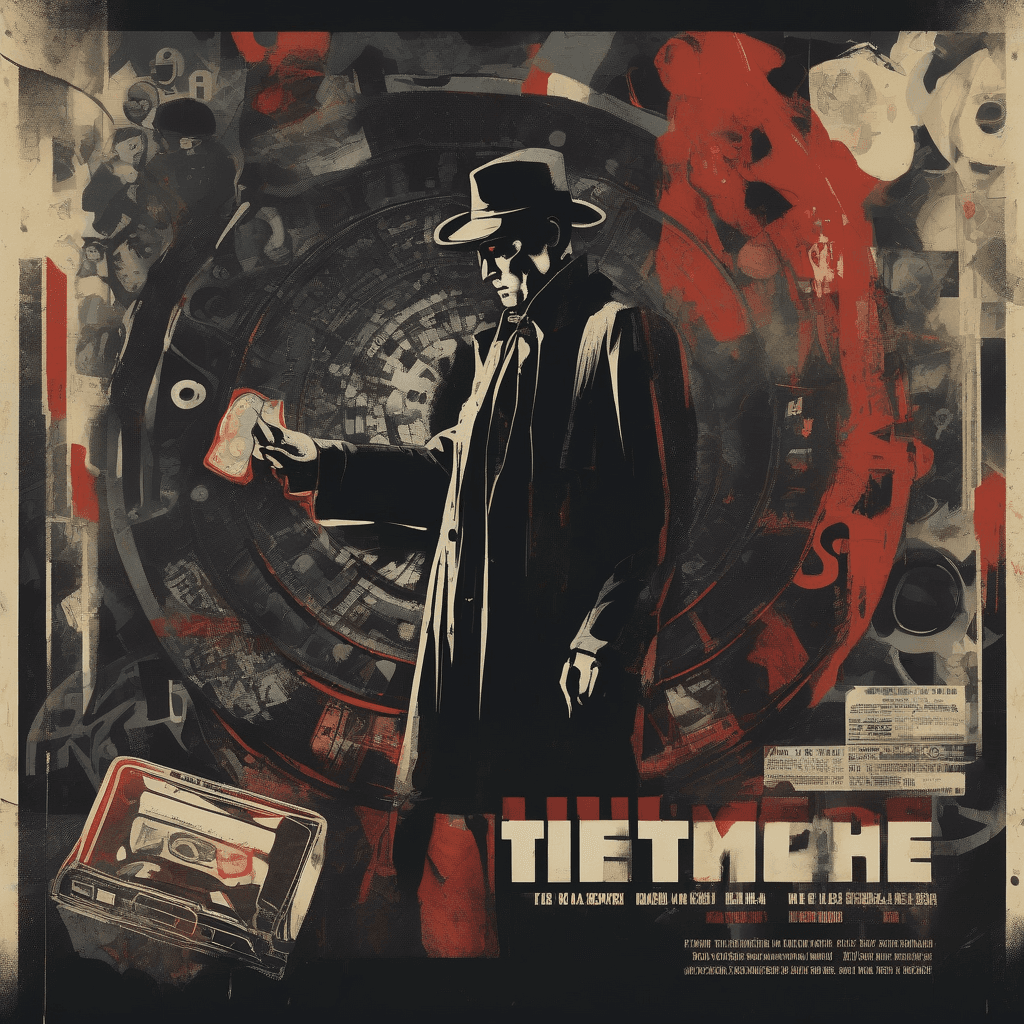
“Cult cinema thrives on the fringes, captivating audiences with its defiance of convention and celebration of the unconventional. This deep dive explores the enduring allure of these maverick visions, tracing their subversive DNA from early cinematic experiments to the beloved midnight movies of toda…”
In the vast, shimmering tapestry of cinematic history, certain films refuse to fade into obscurity. They are not always the blockbusters, the Oscar winners, or even the critical darlings of their era. Instead, they are the anomalies, the outsiders, the unconventional gems that resonate with a dedicated few, gradually building a fervent following that transcends time and trends. This, in essence, is the enigmatic power of cult cinema – a realm where the strange is celebrated, the subversive is sanctified, and the overlooked finds its enduring altar.
What defines a cult film? It's more than just box office failure or critical dismissal. It's an irresistible magnetism, a unique frequency that speaks to a specific sensibility, often one that feels alienated or misunderstood by mainstream culture. These films become touchstones, not merely watched, but absorbed, dissected, and ritualized by their devoted cinephiles. From the earliest flickering frames to the most audacious contemporary releases, the DNA of cult cinema has always been present, lurking in the shadows, waiting for its moment to spark a communal catharsis.
The Genesis of Transgression: Early Cinema's Rebel Heart
To truly understand the enduring allure of cult cinema, we must journey back to its primordial soup, the nascent years of filmmaking where the rules were still being written, and thus, were ripe for breaking. Even in the early 20th century, amidst melodramas and comedies, there were films that dared to push boundaries, to confront societal norms, and to explore the darker, more complex facets of the human condition. These were the proto-cult films, laying the groundwork for the transgressive narratives that would later define the genre.
Consider the dramatic intensity found in early works like Medea di Portamedina, which delved into the harrowing act of infanticide, or Mrs. Dane's Confession, featuring a woman driven to murder by a relentless tormentor. These narratives, while perhaps intended as cautionary tales or sensational dramas, inherently challenged the moral fabric of their time. They presented characters grappling with extreme circumstances, making choices that defied conventional morality, much like later cult classics would revel in their anti-heroes and morally ambiguous protagonists.
Films such as The Hypocrites, which explored themes of illegitimacy and social pretense, or The Wandering Image, with its narrative of free love and doppelgängers, hinted at a fascination with the forbidden and the unconventional. These were not stories designed for polite society; they were glimpses into the societal underbelly, the hidden desires, and the rebellious spirits that mainstream cinema often shied away from. This willingness to confront discomfort, to expose the raw edges of existence, is a defining characteristic that would echo through generations of cult films.
Even early genre experiments contributed to this foundation. Animated shorts like Dreams of the Rarebit Fiend: The Pet, with its surreal, escalating absurdity, demonstrated a playful disregard for realism and a embrace of the fantastical – elements often found in the most beloved midnight movies. Similarly, comedies like A Prohibition Monkey used humor to comment on social issues, a subtle form of subversion that cult audiences cherish.
The Art of the Outlier: Crafting Distinctive Visions
Beyond narrative content, the aesthetic and thematic singularity of a film often determines its cult potential. Cult films possess a unique visual language, a distinctive tone, or a sensibility that sets them apart. This commitment to an uncompromising vision, even if it alienates initial audiences, is what ultimately draws a devoted following.
Early films, despite technical limitations, often displayed remarkable stylistic daring. While specific visual details are lost to time for many of these obscure titles, their very existence suggests a nascent desire for artistic expression beyond mere storytelling. A film titled Four Around the Woman implies a dramatic, perhaps claustrophobic, study of relationships, while Das verwunschene Schloß (The Enchanted Castle) clearly aimed for a fantastical, atmospheric experience. These early attempts at creating immersive, distinct worlds are the ancestors of the elaborate, often bizarre, aesthetics of later underground classics.
Characters, too, were key. Films featuring strong, often morally complex female protagonists, such as Zelie in Gigolette, who turns tricks to save her sister, or Letty in Dust Flower, who attempts suicide before a marriage of convenience, presented audiences with figures who defied easy categorization. They were not simply damsels in distress or virtuous heroines; they were survivors, rebels, and women navigating difficult choices in a patriarchal world. This resonates deeply with cult audiences who gravitate towards characters who are outsiders, misfits, or those who challenge the status quo.
The exploration of social taboos and the darker corners of society also marked these early outliers. Voices of the City, with its depiction of San Francisco's underworld, or For the Defense, touching on themes of assault and murder, pulled back the curtain on the less glamorous aspects of urban life. Similarly, The Black Envelope hinted at political corruption and blackmail, themes that continue to fuel many subversive narratives cherished by cult followings. These films, in their own way, laid the groundwork for the unflinching realism and often gritty portrayals found in many modern cult favorites.
Forging Fandoms: The Unseen Rituals of Devotion
The true magic of cult cinema lies not just in the films themselves, but in the communities they foster. It's about the shared experience, the collective understanding of something extraordinary, often something that was initially dismissed. These films become a secret language, a badge of honor for those who appreciate their unique sensibilities.
While the concept of organized fandom as we know it today was still nascent in the early 20th century, the seeds of collective appreciation were undoubtedly being sown. Imagine audiences in dimly lit theaters, discussing the audacious twists of The Mystery of a Hansom Cab or the moral quandaries of A Soul for Sale. These discussions, these shared interpretations, are the precursors to the vibrant online forums, midnight screenings, and costume parties that define modern cult film culture.
The allure of films that were ahead of their time or simply too strange for mass appeal is a powerful one. Works that explored themes of wrongful conviction and societal judgment, such as The Cup of Fury or Shifting Sands, could resonate deeply with individuals who felt marginalized or misunderstood. The narrative of The Broken Gate, dealing with illegitimacy and social stigma, offered a poignant reflection on societal double standards, potentially forging a connection with viewers seeking stories that mirrored their own sense of otherness.
Even seemingly lighter fare, like the comedic western The Daredevil or the whimsical The Wishing Ring Man, might have found niche audiences who appreciated their specific brand of escapism or unique charm. The very act of seeking out and cherishing these films, often outside the mainstream spotlight, is a form of rebellion. It's a declaration that popular taste isn't the only taste, and that profound cinematic experiences can be found in the most unexpected places.
The Enduring Legacy: From Midnight Screenings to Digital Devotion
The journey of a cult film is often one of rediscovery. Many films that now enjoy cult status were initially overlooked, misunderstood, or even reviled upon their release. Their true value, their profound impact, often emerges years or even decades later, championed by discerning viewers and passionate cinephiles.
This pattern of initial obscurity followed by eventual veneration is a hallmark of cult cinema. Early films like Life's a Funny Proposition, which explored the escapades of a shy lawyer, or The Weakness of Strength, a drama about property rights and moral compromise, might have been seen as standard fare in their day. Yet, if they possessed a unique narrative rhythm, an unforgettable performance, or a particular thematic resonance, they could have slowly gathered admirers, kept alive through word-of-mouth and repeated viewings.
The transition from physical film prints exchanged among collectors to digital archives and streaming platforms has only amplified the potential for films to achieve cult status. Obscure works from the early 20th century, once lost to all but the most dedicated archivists, are now accessible, allowing new generations to unearth their hidden charms. Imagine the experience of stumbling upon the dramatic twists of Tangled Lives or the adventurous spirit of The Footsteps of Capt. Kidd, and finding a resonance that transcends the passage of a century.
The concept of the 'midnight movie' – a phenomenon born in the 1970s with films like Eraserhead and The Rocky Horror Picture Show – is a direct descendant of this early cinematic rebellion. These late-night screenings became sanctuaries for the unconventional, places where audiences could celebrate the weird, the wonderful, and the profoundly human aspects of films that dared to be different. The spirit of these midnight congregations, where films like Why Change Your Wife? (a social commentary on marriage) or Peacock Alley (a drama of love and societal expectations) might have once been debated and re-evaluated, continues to thrive in the digital age.
The enduring appeal of cult cinema lies in its ability to offer an alternative, a refuge from the predictable. It celebrates the maverick visions that defy easy categorization, the narratives that challenge our assumptions, and the characters who mirror our own complexities. Whether it's the intense drama of Love's Conquest, the adventurous spirit of Go Get 'Em Hutch, or the comedic antics of The Anvil Chorus, each film, in its own way, contributes to the rich, diverse tapestry of cinematic history, offering glimpses into what captivates and connects us.
The Unconventional Canon: A Timeless Allure
Ultimately, cult cinema is a testament to the power of artistic individuality and the enduring human need for connection. It’s a space where forgotten films are resurrected, where niche interests find a global audience, and where the act of watching becomes a ritual of shared devotion. The early cinematic landscape, with its experimental narratives and audacious thematic explorations, provided the fertile ground from which this phenomenon would blossom.
From the psychological depths of Her Father's Son to the social commentary of The Goddess, these films, obscure as some may be today, represent the earliest stirrings of a cinematic sensibility that valued authenticity over popularity, daring over convention. They remind us that the most profound and lasting cinematic experiences often emerge from the fringes, sparking a rebellion of taste that continues to shape our understanding of what film can be.
The cult film is not merely a genre; it is a living, breathing entity, constantly evolving, constantly inviting new members into its fold. It is a celebration of the weird, the wonderful, and the truly unique, proving that a film's true legacy is not measured in box office receipts, but in the hearts and minds of those it captures, forever transforming passive viewers into ardent devotees. The unseen mavericks of early cinema laid the foundation, and their spirit of rebellion continues to illuminate the path for every cult classic that follows.
Community
Comments
Log in to comment.
Loading comments…