
Cult Cinema Deep Dive
The Uncharted Currents: Tracing Cult Cinema's Maverick Soul from Early Film's Hidden Depths
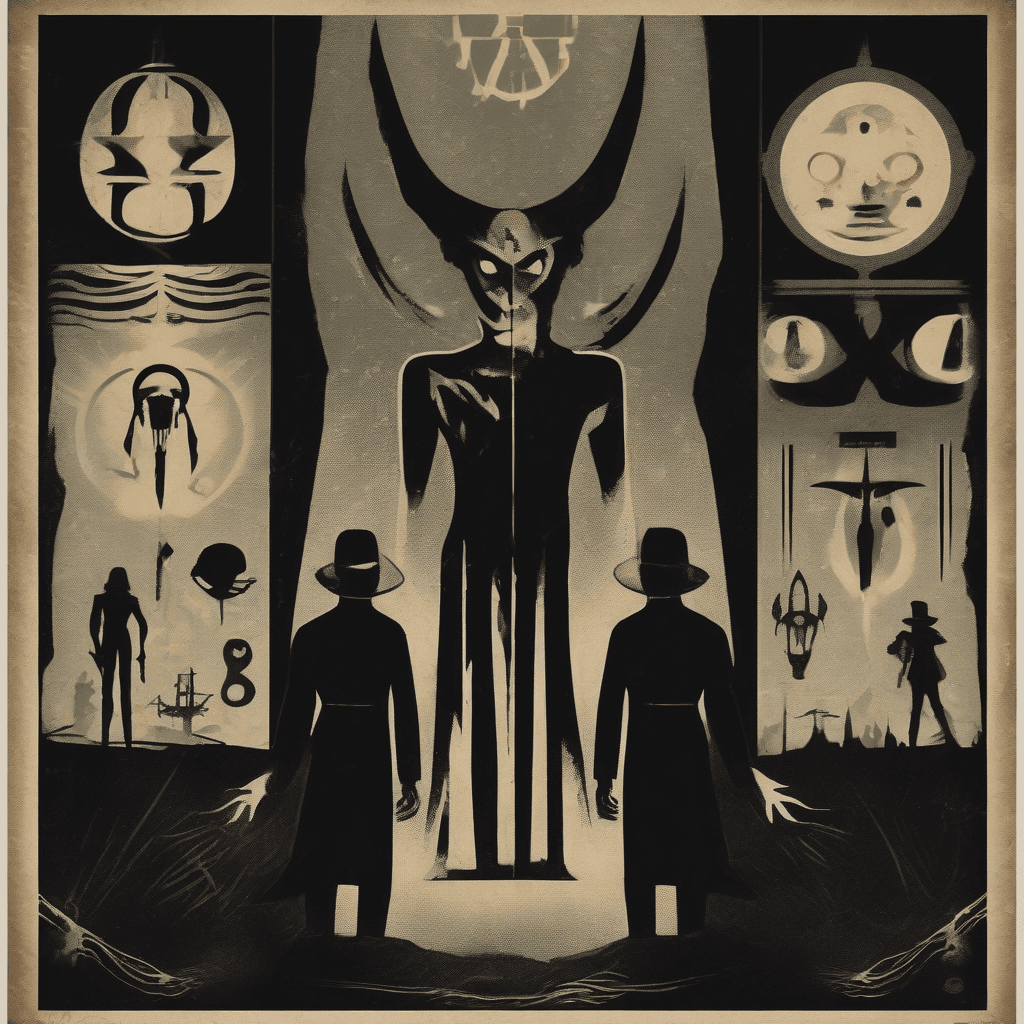
“Cult cinema, often celebrated for its transgressive narratives and devoted fanbases, boasts a history far deeper than commonly perceived. This article delves into the early 20th century, unearthing the proto-cult elements and maverick spirit that laid the groundwork for the phenomenon we cherish tod…”
The term 'cult cinema' typically conjures images of midnight screenings, audience participation, and films that defy mainstream categorization. We think of the audacious spectacle of The Rocky Horror Picture Show, the Lynchian surrealism of Eraserhead, or the nihilistic charm of Fight Club. Yet, to truly understand the enduring allure and rebel heart of cult films, we must embark on an archaeological dig, venturing beyond the neon glow of the late 20th century to the flickering shadows of cinema's formative years. The essence of what makes a film 'cult' – its unconventional spirit, its ability to resonate deeply with a niche audience, its defiance of easy classification – was present from the very beginning, embedded in the silent reels and early talkies that, for various reasons, broke from the norm.
These early cinematic ventures, often overlooked in the grand narrative of film history, harbored the nascent DNA of cult obsession. They were the anomalies, the brave experiments, the accidental masterpieces, and sometimes, simply the bizarre curios that hinted at cinema's boundless potential for subversion and profound connection. By examining films from the early 1900s, many of which were ephemeral or intended for fleeting consumption, we can trace the uncharted currents that eventually converged to form the powerful, often perplexing, river of cult cinema.
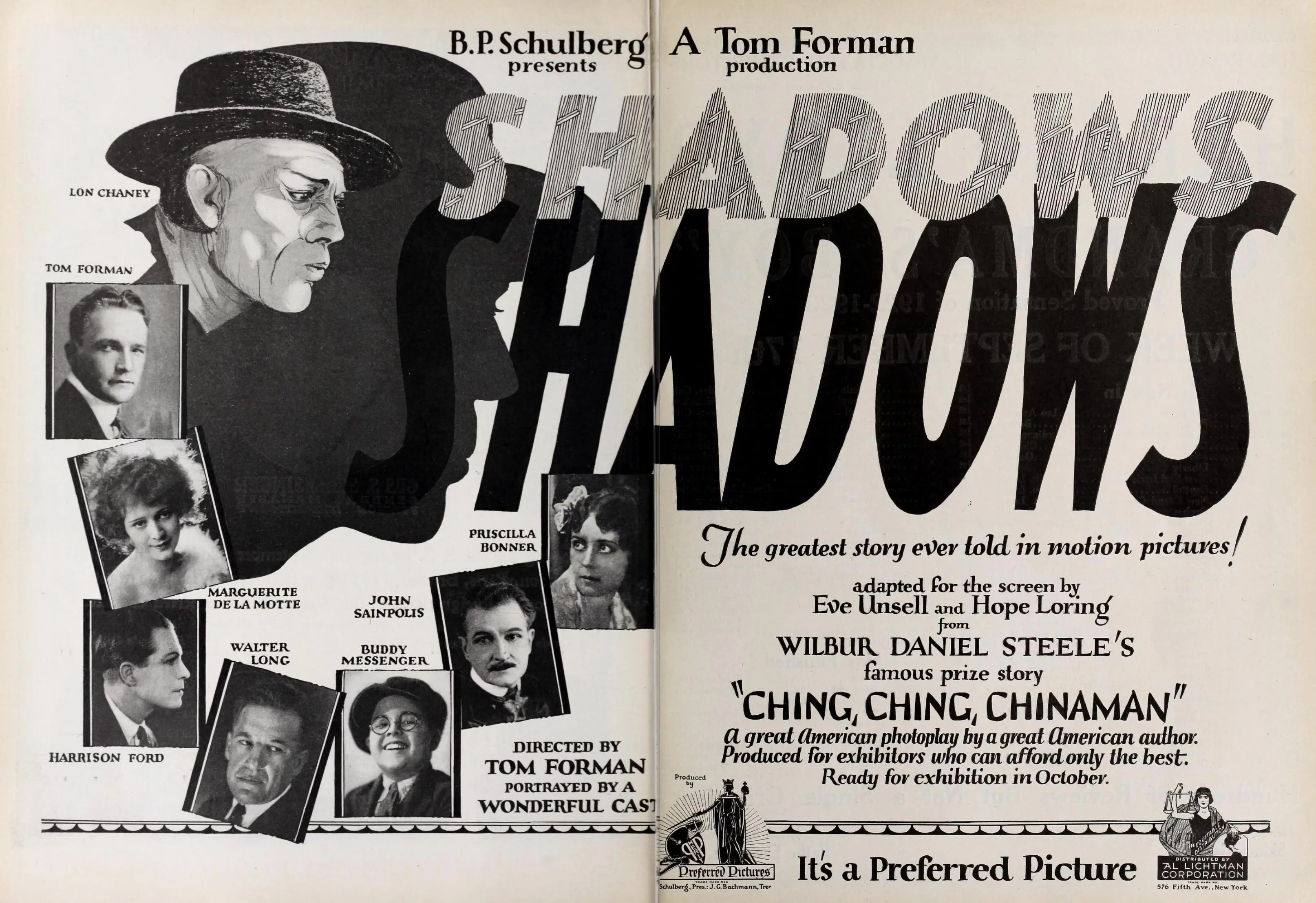
The Proto-Cult DNA: Subversion and Transgression in Early Narratives
Long before explicit shock value became a calling card, early filmmakers subtly pushed boundaries, introducing themes and characters that challenged societal norms or simply presented narratives far removed from polite mainstream fare. This nascent transgression, often born of artistic ambition or simply a desire to tell a compelling story, laid the groundwork for the more overt subversions of later cult classics.
Narratives That Dared to Be Different
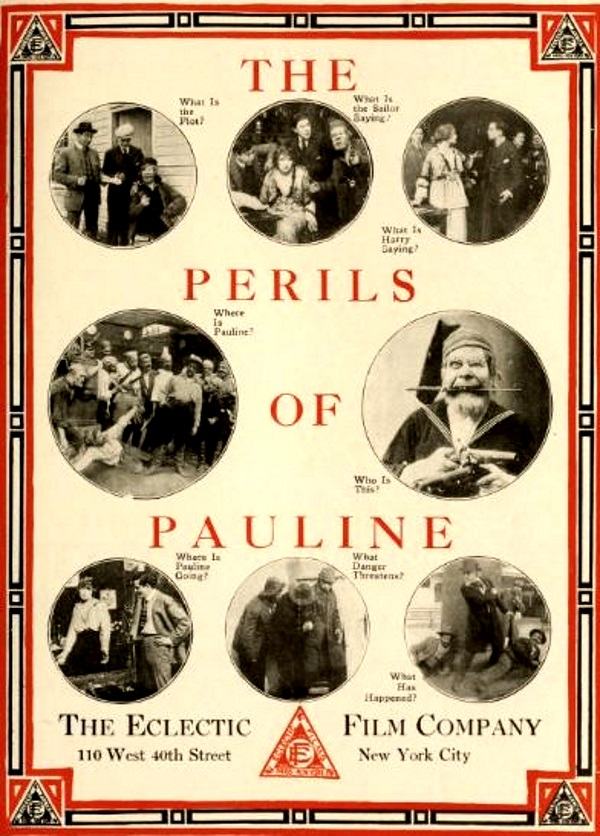
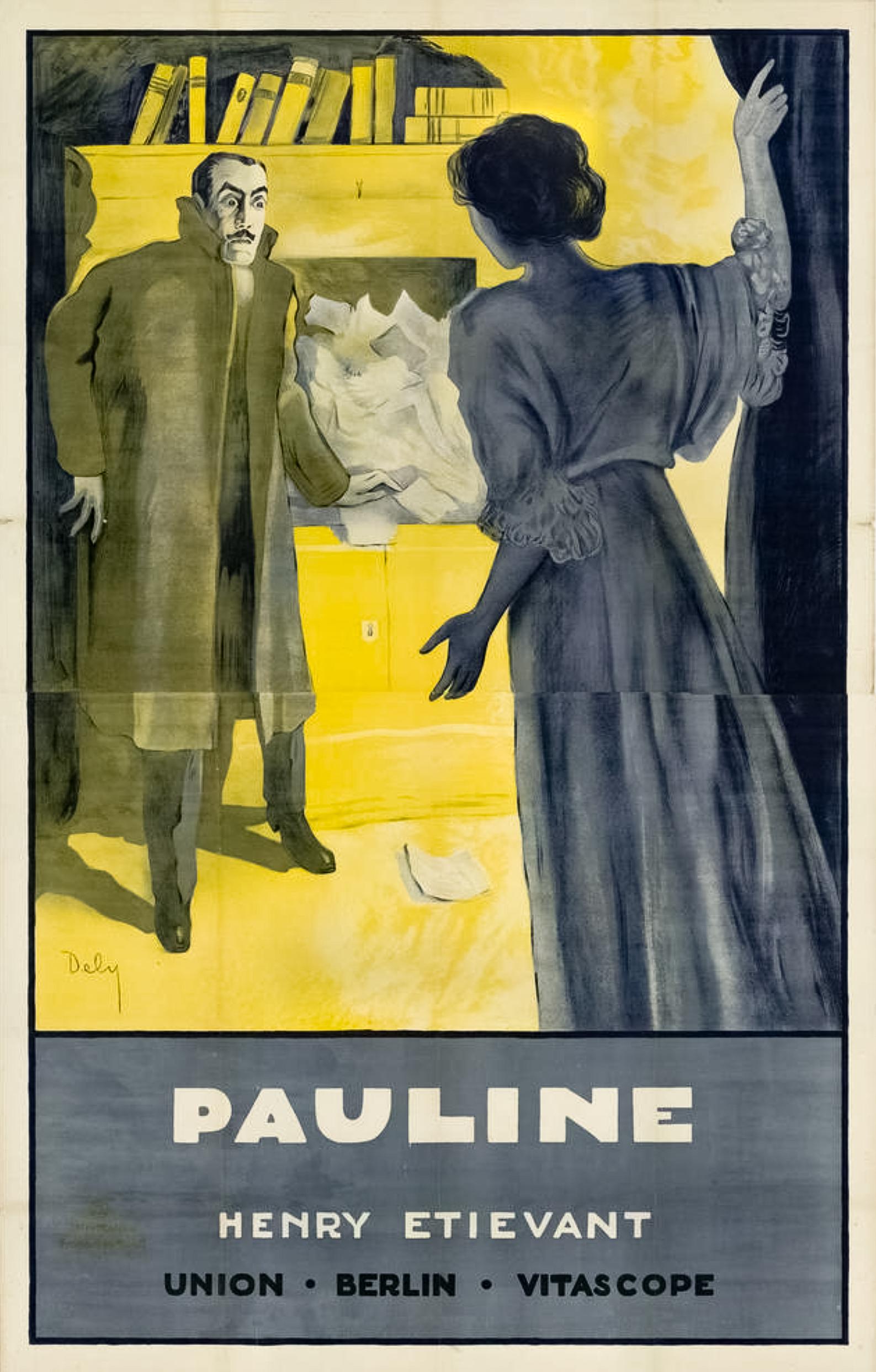
Consider the serial adventures that captivated audiences, demanding repeat visits to the picture house. The Perils of Pauline, while a mainstream hit in its day, possessed an episodic structure and a relentless focus on cliffhangers that fostered an intense, almost obsessive, viewership. This early form of serialized storytelling, with its damsel in distress facing constant danger, cultivated a dedicated following, a precursor to the sustained engagement seen in modern cult fandoms. The dramatic tension and the recurring threat of the villainous guardian created a narrative loop that compelled audiences to return, week after week, to witness Pauline’s latest escape.
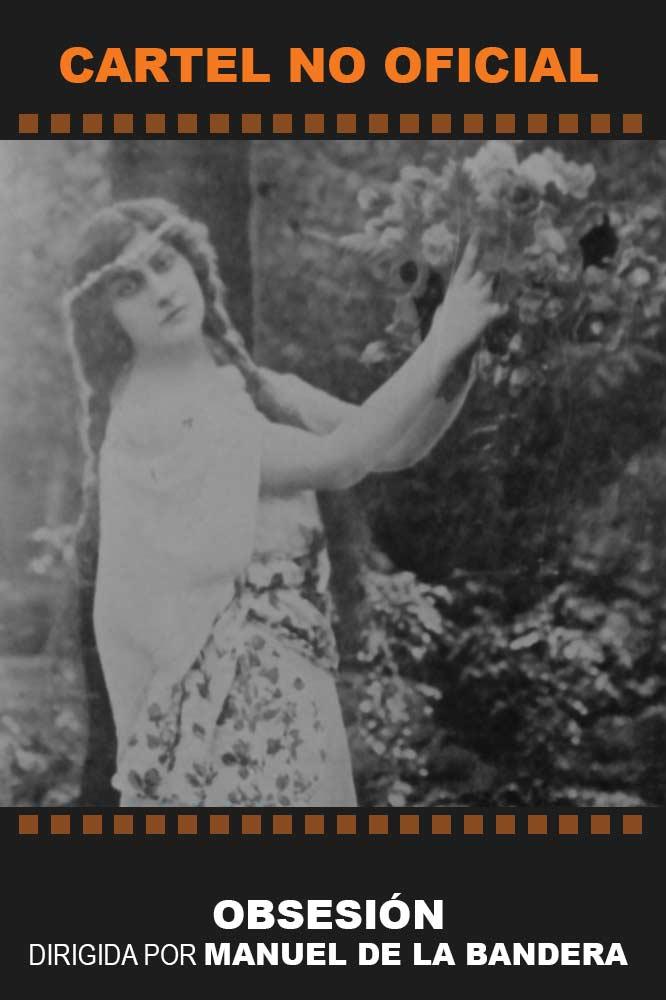
Other films explored darker, more complex human emotions and societal issues. The Unwritten Code, for instance, delves into themes of interracial romance and cultural clashes, subjects that, even if presented through a lens of melodrama typical of the era, were far from conventional. The film’s exploration of a Japanese daughter falling for an American, against the backdrop of a disapproving father and a geisha house proprietor, touched upon social taboos and moral ambiguities. Similarly, Wrath, set in a Russian province, explores power dynamics and forbidden love, hinting at the kind of intense, often morally ambiguous, narratives that would later define cult dramas. These films, by tackling sensitive or complex subjects, even subtly, carved out a space for cinema to be more than just escapist entertainment; they allowed it to reflect or even challenge the societal fabric.
Mysteries, Anomalies, and the Unexplained
The seeds of cult cinema’s fascination with the strange and the mysterious can also be found in these early works. The Black Box, with its futuristic technical inventions and bizarre murder case involving mysterious messages, represents an early foray into the kind of intricate, almost conspiratorial, storytelling that would later captivate cult audiences. The film’s reliance on gadgets and a convoluted plot would have stood out against simpler narratives, appealing to those who craved intellectual puzzles and unconventional thrills. This embrace of the extraordinary, of narratives that defied easy explanation, set a precedent for films that would deliberately disorient or challenge their viewers.

Even seemingly straightforward genre pieces could harbor an anomalous quality. Der Verächter des Todes (The Despiser of Death), an adventure film, likely played with themes of extreme courage and confrontation with mortality in a way that resonated deeply with certain viewers, perhaps those seeking vicarious thrills or philosophical musings within an action framework. The very title suggests a character pushing against fundamental human fears, a thematic boldness that speaks to the transgressive spirit inherent in many cult films. These early cinematic anomalies, whether through narrative complexity or thematic daring, offered glimpses into worlds just beyond the ordinary, planting the seeds for a cinema that would actively seek to push boundaries.
Archetypes and Obsession: Characters That Captured Imaginations
A defining characteristic of many cult films is their unforgettable characters – figures who, for better or worse, etch themselves into the collective consciousness of their devoted followers. These early films, despite technical limitations, introduced a pantheon of memorable archetypes who, through their actions and personalities, foreshadowed the iconic figures of later cult canon.
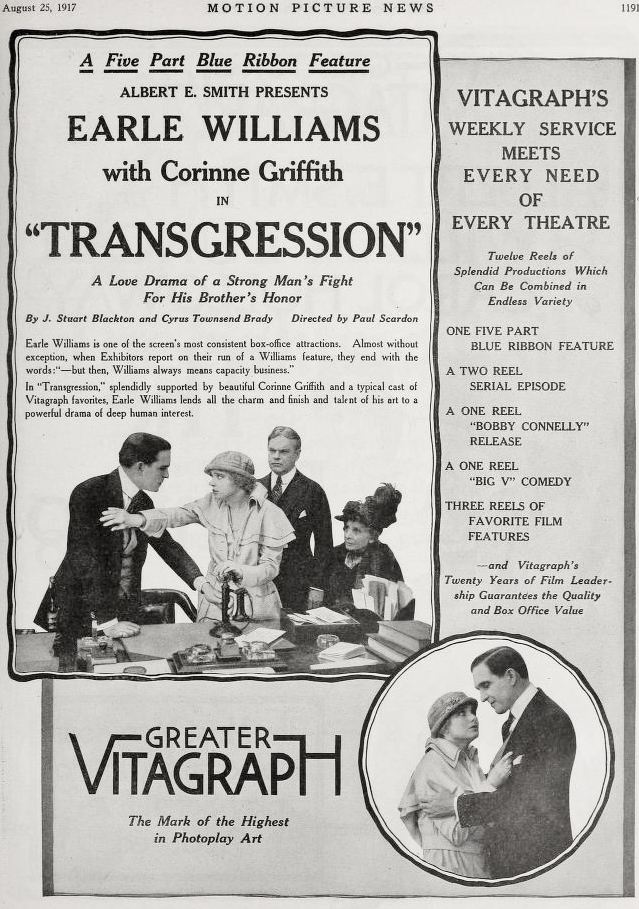
Heroes, Anti-Heroes, and Lovable Rogues
Characters like 'Cameo' Kirby, a New Orleans plantation owner's son with a fondness for cameos, embody a certain dashing charisma that transcends the narrative itself. His story, involving the sale of his family estate and slaves, positions him as a figure navigating personal tragedy and social upheaval. Similarly, Samson (1915), featuring Murice Brachard, a dock laborer who rises to become a 'Samson' of finance, presented a character of immense primordial power and ferocity. These were figures of ambition, resilience, and sometimes, moral ambiguity, whose larger-than-life personas could easily inspire fascination and identification among audiences seeking something beyond the mundane.
Even in simpler comedic contexts, characters could become objects of affection. Buster Keaton’s unwavering determination in Never Weaken, as he navigates escalating chaos to save his fiancée’s job, makes him a lovable, enduring figure. His physical comedy and stoic resilience, even when dangling precariously from a skyscraper, create an immediate connection. These early stars, through their unique screen presence and the roles they inhabited, cultivated a form of celebrity that bordered on adoration, a foundational element of cult following where the actor and character become inseparable icons.
The Appeal of the Eccentric and the Outcast
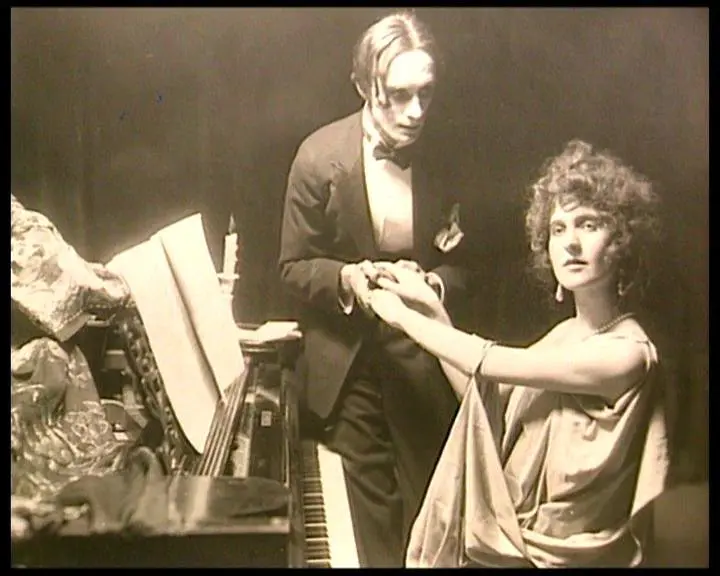
Cult cinema often gravitates towards characters who exist on the fringes of society, the misunderstood, the eccentric, or the outright strange. While not overtly 'freaks' in the modern cult sense, many early film characters occupied similar spaces of otherness. Consider the 'odd company of artists, sculptors, and their models' gathered in Skæbnesvangre vildfarelser (Fateful Delusions). Such a setting, focused on bohemian life and artistic angst, inherently appealed to a more niche audience, mirroring the way later cult films would celebrate outsiders and counter-culture figures.
Even in family-friendly fare, a distinct personality could forge a bond. The mischievous duo in Bobby Bumps in Their Master's Voice, a boy and his puppy, embody a rebellious spirit that, while innocent, resonates with the desire to break free from convention. The recurring antics of such characters created a sense of familiarity and affection, turning them into early mascots for their respective shorts. These early examples demonstrate that the appeal of the eccentric, the defiant, and the unconventional character is not a new phenomenon, but a deeply ingrained aspect of cinematic attraction.
Visual Alchemy and Atmospheric Resonance: The Silent Era's Unique Language
Before the advent of synchronized sound, cinema relied entirely on its visual language to convey narrative, emotion, and atmosphere. This necessity fostered a unique artistic expression, allowing filmmakers to craft immersive worlds and powerful emotional states through imagery, lighting, and performance – elements that are crucial to the lasting impact of many cult films.
Crafting Immersive Worlds Through Imagery
The visual storytelling of the silent era was, by its very nature, an exercise in atmospheric creation. Films like The Rose of Rhodesia, one of the few surviving works of African silent cinema, offered audiences a unique cultural and visual landscape. Its 'adventures and sentimental melodrama with an interesting framework of race relations and culture shock' would have been conveyed almost entirely through evocative settings, costumes, and the expressive performances of its actors. Such a film, with its distinct geographical and social context, would have stood apart, offering a window into a world rarely seen on screen, appealing to those seeking cinematic novelty and cultural depth.
Even within more conventional settings, visual choices could imbue a film with a particular mood. The tavern Moulin Rouge in Skæbnesvangre vildfarelser, hosting an 'odd company of artists,' immediately suggests a specific bohemian atmosphere, a world of passion and melancholy rendered through set design and lighting. These early exercises in world-building, where every visual element contributed to the story and mood, created a powerful, almost hypnotic, effect on viewers, laying the groundwork for cult films that use distinct aesthetics to draw audiences into their unique universes.
The Power of Expression and Symbolism
Silent films relied heavily on exaggerated expressions and symbolic gestures to communicate. This often led to a heightened sense of drama and emotion, a theatricality that could be both captivating and, to some modern eyes, delightfully strange. A film like Miraklet: Tavlor ur det katolska samfundslivet (The Miracle: Pictures from Catholic Community Life), set at a seaside resort with an artist, a widow, and a disguised abbot, would have used visual symbolism and expressive acting to convey its themes of faith, temptation, and artistic pursuit. The very title suggests a series of tableaux, each designed to evoke a specific emotional or spiritual state.
The raw, unfiltered emotion conveyed through the faces and bodies of silent film actors could be incredibly powerful, creating a direct, visceral connection with the audience. Consider the dramatic intensity required in films like The Defeat of the City, depicting a man’s struggle with ambition and relationships, or Arizona, where an officer sacrifices his reputation. These grand narratives, stripped of dialogue, became canvases for intense visual storytelling, where every gesture, every flicker of an eye, carried immense weight. This emphasis on visual impact and emotional resonance is a hallmark of many cult films, which often prioritize aesthetic experience over conventional narrative structure.
The Unseen Audience and the Spark of Fandom: From Obscurity to Reverence
Many films that later gain cult status are not immediate commercial successes. They often languish in obscurity before being 'discovered' by a dedicated audience. This pattern of belated recognition and passionate advocacy has its roots in the early days of cinema, where a vast array of films, some commercially viable, others less so, competed for attention, each finding its own small pockets of appreciation.
The Niche Appeal of the Different
Even in an era of burgeoning mass entertainment, certain films inherently appealed to narrower tastes. A short comedy like Tar Baby or Fruits of Faith, with its tramp protagonist finding a baby in the desert, might have found a dedicated following among those who appreciated its particular brand of humor or its heartwarming, albeit unconventional, narrative. Similarly, an animated short like Andy's Dancing Lesson, depicting 'Andy’s somewhat pained efforts to become a tango tripper,' would have resonated with viewers who enjoyed lighthearted, character-driven slapstick. These were not blockbuster spectacles but intimate experiences that, through their specific charm, could forge a bond with a receptive audience.
Films that tackled specific social niches, like Little Miss Smiles, which portrays the 'humble quarters in the ghetto of a large city' and a Jewish family, would have had a particular resonance within certain communities. While not a 'cult' film in the modern transgressive sense, its specific cultural focus meant it spoke to a specific demographic, fostering a sense of shared experience and appreciation. This early form of niche appeal is a direct ancestor of modern cult fandoms, which often coalesce around films that reflect specific subcultures or marginalized perspectives.
The Power of Rediscovery and Enduring Resonance
Many of these early films, even if not widely celebrated in their time, possess qualities that allow them to endure and be rediscovered by new generations. The sheer volume of films produced in the silent era means that many were lost, forgotten, or simply never achieved widespread fame. Yet, within this vast archive, lie potential cult objects awaiting resurrection. A film like The Foolish Matrons, which tells 'three separate stories set in New York about the success or failure of marriage,' might have been dismissed as conventional melodrama upon release, but its exploration of timeless human relationships could gain new meaning and appreciation over time, especially for audiences interested in historical portrayals of social dynamics.
The raw, unfiltered nature of many early films, their experimental spirit, and their direct emotional appeals can often bypass the filters of contemporary criticism and speak directly to a viewer's sensibility. A film about a wild moose, From Scales to Antlers, a documentary, might seem unremarkable, but its unique subject matter and visual capture of nature could hold a timeless, almost meditative, appeal for a specific audience. This process of rediscovery, where a film finds its true audience years or even decades later, is a cornerstone of cult cinema, proving that artistic merit and resonant themes can transcend initial reception and temporal boundaries.
The Enduring Legacy: From Flicker to Fandom
The journey of cult cinema from its earliest sparks to its current vibrant form is not a linear progression but a complex tapestry woven from threads of subversion, memorable characters, distinct aesthetics, and the passionate engagement of dedicated audiences. The films of the early 20th century, from the dramatic intensity of Stolen Honor and The Pawn of Fortune to the comedic antics of Mud and Sand and Petticoats and Pants, each contributed a unique hue to this developing tapestry.
The Collective Memory of the Unconventional
What these early films collectively demonstrate is that the impulse to create, appreciate, and even obsess over unconventional cinema is as old as the medium itself. Whether it was the daring narrative of When a Man Sees Red, the exotic setting of The Forbidden City, or the psychological depth attempted in The Edge of the Abyss, these films offered something distinct, something that deviated, however slightly, from the expected. This deviation, this willingness to explore the fringes of narrative, character, or visual style, is the very bedrock upon which cult cinema is built.
The audience, even in those nascent days, was not a monolithic entity. There were always viewers eager for something different, for stories that challenged, entertained in unusual ways, or simply offered a fresh perspective. Films like Happy Though Married, which playfully questions marital bliss, or All of a Sudden Peggy, a romantic comedy with a zoologist and spiders, show a willingness to experiment with themes and comedic situations, appealing to specific sensibilities. These early expressions of cinematic individuality laid the groundwork for a diverse cinematic landscape where every film, no matter how obscure or odd, has the potential to find its tribe.
Igniting the Midnight Mindset
Ultimately, the early films discussed here, while not explicitly 'cult' in their original context, embody the spirit and the raw materials that would later define the cult phenomenon. They show that the desire for cinematic experiences that are transgressive, deeply personal, aesthetically distinctive, and capable of fostering fervent communities has always been a part of the human relationship with film. From the melodramatic twists of The Return of Helen Redmond to the escapist thrills of Queen of the Forty Thieves, each film, in its own way, contributed to the evolving language of cinema, a language that includes the whispers of the underground and the shouts of the fiercely devoted.
The 'midnight mindset' – the appreciation for films that exist outside the mainstream, that challenge, provoke, or simply mystify – was not born overnight. It was forged in the flickering light of these early projectors, in the hushed gasps of audiences witnessing something new, something strange, something uniquely compelling. The uncharted currents of early cinema reveal that the maverick soul of cult film has always been flowing, a powerful, often hidden, force shaping how we connect with the stories and images that move us most profoundly. These films remind us that every cinematic outlier, every forgotten gem, carries within it the potential for enduring magic and the power to ignite lifelong obsession.
Community
Comments
Log in to comment.
Loading comments…