
Cult Cinema
The Unconventional Genesis: Tracing Cult Cinema's Rebel Heart in Early Film
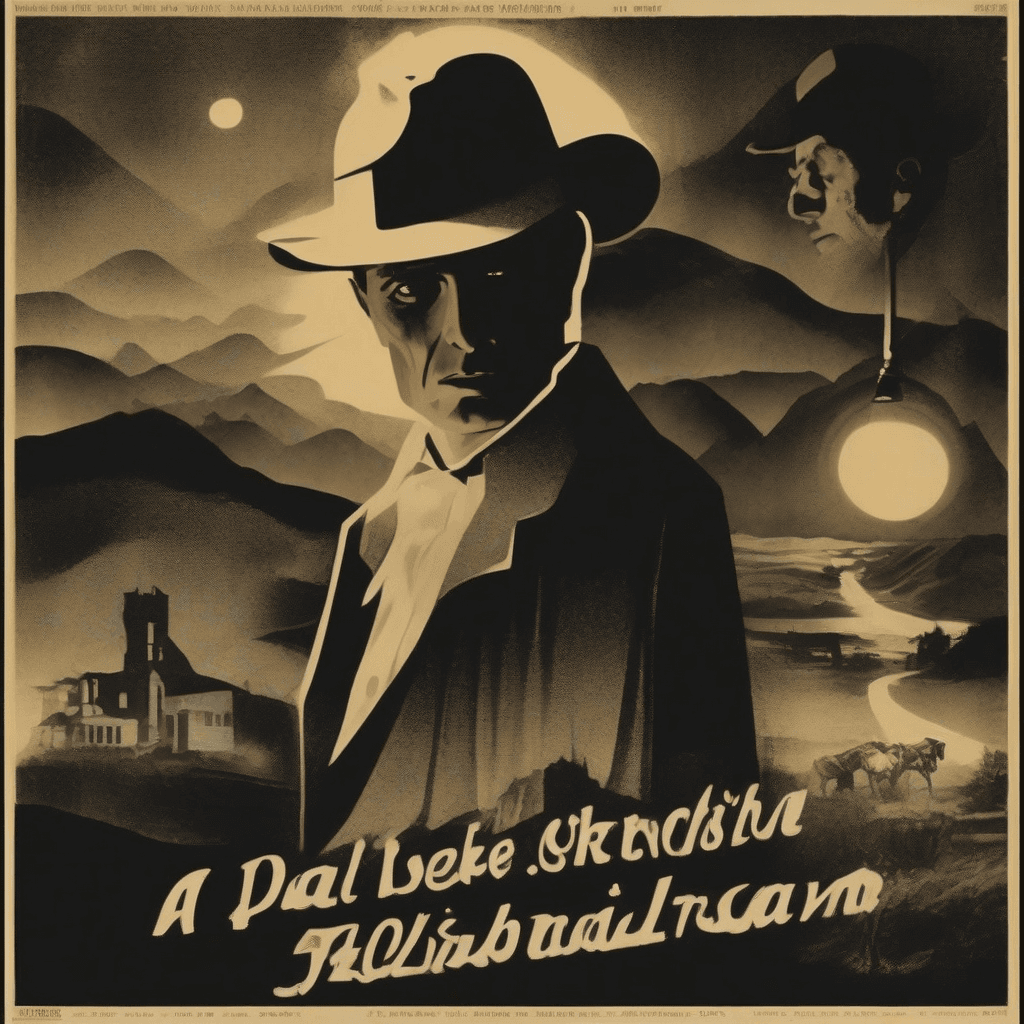
“Cult cinema, often associated with midnight screenings and fervent fandoms of the late 20th century, actually has its roots deeply embedded in the nascent days of filmmaking. This article explores how early, often overlooked films laid the groundwork for the transgressive, genre-defying spirit that …”
Cult cinema. The phrase conjures images of bizarre narratives, passionate fan communities, and films that defy mainstream categorization. From the surreal midnight escapades of Eraserhead to the interactive spectacle of The Rocky Horror Picture Show, these cinematic anomalies carve out their own devoted niches. Yet, to truly understand the enduring appeal and peculiar magnetism of cult films, we must journey beyond the familiar landmarks of the 1970s and 80s, venturing back to the very dawn of cinema. It is here, amidst the flickering nitrate and the burgeoning grammar of a new art form, that the unconventional genesis of cult cinema can be found, a rebel heart beating in sync with forgotten narratives and audacious experiments.
Many assume cult films are a product of modern counter-culture, born from rebellion against Hollywood's polished machinery. However, the seeds of this phenomenon were sown far earlier, in an era where cinema itself was a wild, untamed frontier. The early 20th century, particularly the silent and nascent sound periods, was a crucible of artistic and technical experimentation. Films from this epoch, such as the melodramas The Woman He Married and Greater Than Love, or the crime-tinged narratives of The Jail Bird and The Face in the Fog, might not immediately scream 'cult classic' to the modern viewer. But within their often simplistic plots and nascent storytelling techniques lay the proto-cult DNA: a willingness to explore taboo subjects, exaggerate human emotion, and present narratives that, for one reason or another, resonated deeply outside the conventional critical or commercial success metrics.
The DNA of Deviance: Early Cinema's Unsung Mavericks
Long before independent cinema became a recognized movement, early filmmakers were, by necessity, mavericks. Without established formulas or rigid genre constraints, they were free to experiment, often stumbling upon themes and styles that would later define cult status. Take, for instance, the pervasive theme of moral ambiguity and societal outsiders. Films like The Jail Bird, with its comedic portrayal of a lifelong criminal, or Honest Hutch, about a loafer who stumbles upon a fortune, presented characters who operated firmly outside societal norms. These weren't necessarily villains or heroes in the classical sense, but rather figures who challenged conventional morality, inviting audiences to ponder their complex motivations.
The melodramatic intensity of the era, exemplified by titles like Flames of the Flesh and Gypsy Love, pushed emotional boundaries. Characters driven by extreme revenge, forbidden love, or desperate circumstances became commonplace. While these films were popular in their time, their over-the-top narratives and heightened emotional stakes also contained an inherent transgressive spirit. They dared to explore the darker corners of human experience, albeit often through a lens that now seems quaint. This exaggeration, this commitment to emotional maximalism, is a hallmark of many later cult films, which often embrace theatricality and heightened reality as a form of artistic expression.
Even early Westerns, a genre that would become America's cinematic bedrock, displayed elements that would resonate with cult audiences. Tennessee's Pardner and The Sheriff, while seemingly straightforward tales of the frontier, often depicted lawlessness, moral compromise, and characters living on the fringes of society. This raw, untamed depiction of life, stripped of much of the later genre's romanticism, speaks to a grittiness and authenticity that cult audiences often cherish. The early crime dramas, such as Madam Who? and The Strange Boarder, further delved into espionage, deception, and the murky underworld, offering glimpses into illicit worlds that captivated viewers.
Genre Bending and Narrative Experimentation: A Blueprint for the Bizarre
In the formative years of cinema, genres were fluid, often blending in ways that would be considered unconventional by later standards. A drama could easily incorporate elements of mystery, romance, and even social commentary, creating a rich, if sometimes disparate, viewing experience. This genre defiance is a cornerstone of cult cinema, where films frequently subvert expectations or create entirely new categories.
Consider the early comedies. While titles like Sweethearts or Little Lord Fond o' Joy might have been lighthearted fare, others, like Captain Kidd's Kids, ventured into surreal dream sequences and gender-bending pirate fantasies. These moments of unexpected absurdity or fantastical deviation from reality are precisely what later cult films would embrace and amplify. The sheer novelty of cinema itself in this era often meant that audiences were more open to narrative experimentation, less bound by predefined expectations of what a film 'should' be.
Silent Narratives, Loud Statements
The absence of spoken dialogue in the silent era forced filmmakers to communicate through heightened visual storytelling, expressive acting, and intertitles. This unique constraint often led to a form of cinematic language that was both immediate and deeply symbolic. Films like I promessi sposi, an adaptation of a famous historical novel, or The Girl of Today, set during World War I, conveyed complex historical and social narratives through powerful imagery. The reliance on visual metaphor and exaggerated performance can be seen as a precursor to the stylized aesthetics prevalent in many cult films, where visual flair often takes precedence over conventional realism.
Even seemingly straightforward films tackled weighty issues. The Road to Divorce, for instance, grappled with marital dissatisfaction and societal pressures, topics that were often considered sensitive. Slander explored themes of reputation destruction and manipulation, hinting at darker psychological undercurrents. These films, by addressing contemporary anxieties and moral dilemmas, offered a form of social commentary that, while perhaps not overtly rebellious, certainly challenged the placid surface of polite society. This subversive undercurrent, the willingness to prod at societal discomforts, is a vital component of cult cinema's appeal.
Beyond the Mainstream Gaze: The Birth of Niche Appeal
Not every film from the early 20th century was a box office smash, nor was every critically lauded. Many, like those on our list, were simply part of the vast output of a burgeoning industry, enjoyed by audiences of their time and then largely forgotten by mainstream film history. Yet, it is precisely in this realm of the overlooked and the obscure that cult cinema often thrives. The journey from forgotten reel to revered artifact is a common trajectory for cult films.
Early serials, such as What Happened to Mary, cultivated dedicated followings long before the concept of fandom was formalized. Audiences returned week after week, invested in the ongoing adventures and cliffhangers. This early form of episodic storytelling fostered a sense of community and anticipation, mirroring the communal experience that defines cult film screenings today. People didn't just watch these films; they engaged with them, discussed them, and formed connections around them.
The Allure of the Anomalous
The very nature of early cinema's production often led to unique, sometimes bizarre, results. Limited budgets, rapid production schedules, and a lack of established industry standards meant that films could be wonderfully idiosyncratic. A film like Life in a Western Penitentiary, presented as a documentary, offered a raw, unflinching look at institutional life, a departure from typical narrative fare. Such films, by virtue of their anomalous subject matter or unconventional presentation, stood out from the rapidly standardizing mainstream.
Even romantic dramas like Desperate Youth or The Heart Specialist, while fitting into popular genres, often featured exaggerated conflicts, morally questionable characters, or resolutions that, to modern eyes, might seem strangely compelling. The inherent 'weirdness' of some of these early cinematic attempts, born from a combination of creative freedom and technical limitations, laid the groundwork for the appreciation of the bizarre that is central to cult fandom. These films, in their own ways, were fringe phenomena, existing slightly askew from what would become the polished Hollywood machine.
The Enduring Echoes: From Silent Whispers to Midnight Screams
The characteristics we identify with cult cinema today – its transgressive themes, genre fluidity, stylized aesthetics, and unique connection with audiences – were not invented in a vacuum. They are echoes of a cinematic past, reverberations of the experiments and narrative risks taken during the silent era and early sound period. The early crime films, Westerns, and melodramas, with their morally ambiguous protagonists and exaggerated emotional landscapes, foreshadowed the anti-heroes and heightened realities of later cult classics.
Films like The Son of Wallingford, which explored criminal tendencies within a family drama, or Hidden Charms, delving into political corruption, demonstrated a willingness to tackle complex, uncomfortable subjects. This fearlessness, this desire to peer into the darker corners of human nature and society, is a direct lineage to the subversive narratives that cult audiences crave. The raw, often unpolished aesthetic of early cinema, too, finds a parallel in the DIY spirit and low-budget charm of many modern cult favorites.
The Unseen Influence
While these early films might not have had 'midnight screenings' in the traditional sense, they certainly had their dedicated audiences. They were viewed, discussed, and re-evaluated, often forming a personal mythology for those who connected with their unique vision. The act of rediscovering these cinematic artifacts, of bringing them out of the dusty archives and into contemporary discussion, is a form of cinematic archaeology that cult film enthusiasts inherently understand.
The journey of a film from obscurity to cult status is often unpredictable, driven by a confluence of factors: a unique vision, a passionate director, an accidental rediscovery, or a narrative that speaks to a specific subculture. What these early films demonstrate is that this phenomenon is not new. The foundational elements of cult appeal – the magnetic pull of the unconventional, the allure of the transgressive, and the power of niche communities – were present from cinema’s very beginning. From the dramatic twists of The Other Woman to the whimsical adventures of All 'Fur' Her, these films, in their diverse forms, contributed to a nascent cinematic language that valued originality, emotional intensity, and a willingness to break new ground.
The transition from silent films to talkies, as seen in works like The Breath of a Nation which touched upon Prohibition, further diversified the cinematic landscape, but the underlying spirit of experimentation and boundary-pushing remained. The very act of watching a film in this era was, in itself, an experience that transcended mere entertainment; it was an engagement with a new form of magic, a collective ritual that fostered deep connections between audience and screen, a precursor to the fervent devotion characteristic of cult fandom.
Conclusion: The Perpetual Cult Soul
Cult cinema is not merely a genre; it is a philosophy, a way of engaging with film that prioritizes authenticity, individuality, and a willingness to embrace the strange. Its true origins are not confined to a single decade or a specific movement, but are woven into the very fabric of film history. The early films, often dismissed as historical curiosities or simple entertainments, were in fact the alchemists of the anomalous, forging the raw materials of narrative and spectacle into something unique and enduring.
From the melodramatic intensity of The Lost Romance to the bold characterizations in Little Wildcat, these cinematic ancestors contributed to a rich tapestry of storytelling that continually challenged, entertained, and sometimes bewildered its audiences. They paved the way for the midnight movie circuit, the passionate fan theories, and the enduring legacy of films that refuse to be forgotten. By acknowledging the unconventional genesis of cult cinema in these early, pioneering works, we gain a deeper appreciation for its complex evolution and its timeless power to captivate and inspire devotion, proving that the rebel heart of cinema has been beating strong since its very first flicker.
Community
Comments
Log in to comment.
Loading comments…