
Cult Cinema
The Neon Tabernacle: How the Silent Era’s Moral Misfits and Genre Rebels Engineered the Modern Cult Psyche
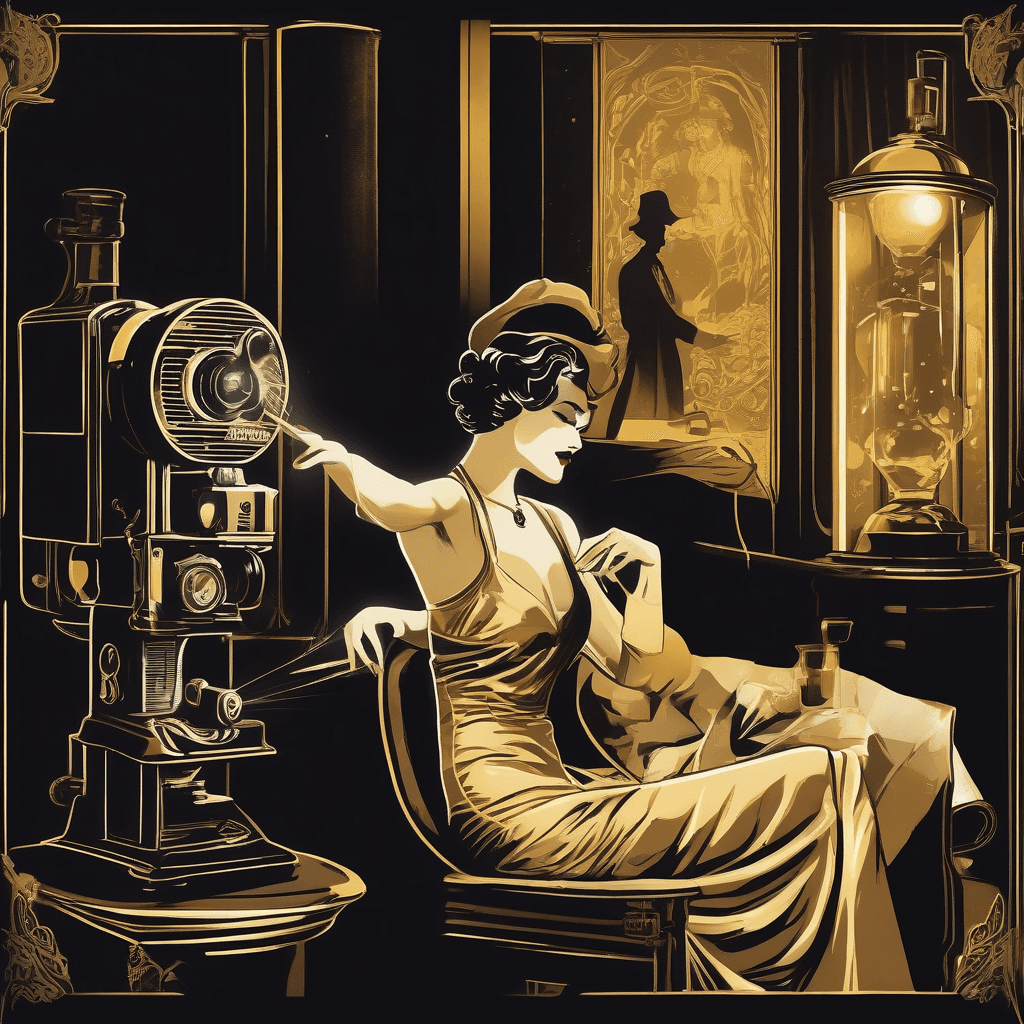
“A deep dive into the transgressive DNA of early 20th-century cinema, exploring how forgotten silent masterpieces and genre-bending anomalies birthed the modern cult movie phenomenon.”
Cult cinema is not merely a collection of films; it is a relationship—a sacred, often volatile bond between the discarded artifact and the devoted observer. While the modern 'midnight movie' was popularized in the smog-choked theaters of the 1970s, its genetic blueprint was drafted much earlier, in the flickering, nitrate-fueled shadows of the silent era. To understand why we obsess over the strange, the transgressive, and the misunderstood, we must look back at the cinematic outliers of the 1910s and 20s. These were the films that defied the burgeoning Hollywood hegemony, interrogating social taboos and moral gray zones long before the term 'cult' was ever applied to the silver screen.
The Architecture of the Anomaly: Spectacle and the Sacred
In the early days of the medium, the line between mainstream entertainment and experimental subversion was razor-thin. Consider The Fall of Babylon (1919). While it functioned as a grand historical spectacle, its focus on a tomboyish mountain girl fighting for her king amidst the collapse of an empire offered a proto-feminist grit that felt distinct from the era's more sanitized romances. This sense of 'otherness' is the primary ingredient of cult devotion. Similarly, Thais (1917) presented a collision of the sacred and the profane that would make modern provocateurs blush. The story of Paphnutius, a man of faith who falls for the notable courtesan Thais, explores the dangerous intersection of religious fervor and carnal obsession. It is a film that demands a specific kind of gaze—one that looks past the surface-level melodrama to find the underlying spiritual crisis.
Even the international landscape contributed to this architecture of anomaly. The Swedish film Fiskebyn (1920) brought a stark, coastal realism to the screen, focusing on the isolated life of a widower and his daughter in a fishing community. It eschewed the theatricality of the time for something more atmospheric and brooding, a precursor to the 'folk horror' and 'slow cinema' movements that cult audiences celebrate today. These films weren't just stories; they were atmospheres, and for the budding cinephile, they offered a sanctuary from the predictable.
The Moral Outlaws: Desperation and the Nitrate Noir
Long before the term 'Film Noir' was coined, the silent era was already exploring the dark underbelly of the human condition. The White Raven (1917) serves as a chilling example of moral nihilism, featuring a man who receives a five-dollar bill with the instruction to buy a gun and use it on himself. This level of stark, unapologetic cynicism provided a blueprint for the hard-boiled narratives that would later define the cult experience. These films functioned as 'moral outlaws,' refusing to provide the easy redemptions demanded by the era's censors.
In Out of the Storm (1920), we see the 'notorious dive' singer Margaret Hill, a character whose rise from a criminal underworld to the opera stage challenges the rigid class structures of the early 20th century. This fascination with the 'fallen woman' or the 'reformed criminal' is a recurring theme in the cult canon. Films like Live and Let Live (1921), where a professional thief attempts to reform under the roof of a judge, or Hitting the Trail (1918), featuring a New York gangster, tapped into an urban anxiety that resonated with audiences living on the fringes of society. These narratives provided a voice to the disenfranchised, turning the 'thief's kitchen' (as seen in Fight in a Thieves' Kitchen) into a site of cinematic fascination.
Genre Mutations: From Westerns to Weirdness
The evolution of the Western is often viewed through the lens of John Ford or Howard Hawks, but the cult soul of the genre lies in its more eccentric mutations. Thunderbolt Jack (1920) blended oil-rich land disputes with high-octane gang fighting, creating a hybrid of the Western and the urban thriller. Meanwhile, To a Finish (1921) and Bandit's Gold (1919) explored the lawless nature of the frontier not as a place of heroism, but as a site of systemic corruption and 'rustling' accusations. This skepticism toward authority is a hallmark of cult cinema, where the outlaw is often more sympathetic than the lawman.
The 'wilderness' itself became a character in films like The Wilderness Trail (1919) and The Valley of Doubt (1920). These were not just adventures; they were psychological journeys. In The Valley of Doubt, a dissipated youth is sent to the Northwest to find reform through 'hard living.' This trope—the transformation of the self through the harshness of nature—is a precursor to the survivalist cult films of the 70s. It suggests that the fringe of civilization is where the true self is revealed, away from the prying eyes of the 'yellow journals' mentioned in Over the Hill (1917).
Gender Subversion and the 'Baby Vamp'
One of the most fascinating aspects of early cult cinema is its interrogation of gender roles. Saving Sister Susie (1921) introduced the concept of the 'baby vamp' in rompers—a satirical take on the femme fatale that highlighted the performative nature of femininity. This playfulness with identity is echoed in La Sultane de l'amour (1919), where a princess and prince meet in disguise as commoners. These films suggested that identity was fluid, a mask to be donned and discarded, a concept that would later be central to the camp and queer aesthetics of cult fandom.
In The Crucible (1914), we see a girl whose 'boyish manner' leads her to a reformatory. The film acts as a critique of the rigid societal expectations placed upon young women, celebrating her escape and eventual meeting with an outsider. This celebration of the 'misfit' girl is a direct ancestor to the 'rebel without a cause' archetype. Even in comedies like Pick Out Your Husband (1918) or the domestic chaos of Fair and Warmer (1919), there is an underlying sense that the traditional family unit is a site of absurdity and performative deception. Jack Wheeler’s 'poker games' that mask his late-night activities in Fair and Warmer point to a domestic restlessness that cult cinema would eventually explode into full-blown suburban gothic.
The Shadow of the Great War
The psychological trauma of World War I looms large over the cinema of this period, creating a mood of uncertainty that fed into the cult aesthetic. Fickle Women (1920) and The Pride of New York (1917) dealt with the shattered expectations of returning soldiers. In Fickle Women, Calvin Price returns from the front only to find his hometown and his sweetheart Janie have moved on without him. This sense of alienation—of being a ghost in one’s own life—is a deeply cult sentiment. It reflects the 'lost generation's' disillusionment with the structures they were told to die for.
Films like The Flames of Chance (1918) and In Defense of a Nation (1917) used the war as a backdrop for tales of espionage and sacrifice, but they also introduced characters like the 'Black Legion' agent in Who Was the Other Man? (1917). The fascination with secret societies, spies, and the 'invisible web' of global conflict (as seen in The Invisible Web, 1921) spoke to a burgeoning paranoia that would eventually define the conspiracy-thriller subgenre of cult film. When we watch a film about a 'shadow government' today, we are seeing the echoes of these early nitrate nightmares.
The International Fringe and the Silent Macabre
The cult impulse is global, and the early century saw a wave of international films that challenged the visual language of the time. The Spanish tragedy El Verdugo (1917) depicted the near-total destruction of a proud family during the Napoleonic occupation, a visceral exploration of historical trauma. Similarly, La muerte civil (1919) and the Hungarian thriller A 111-es (1919) explored themes of social death and psychological entrapment. These films were 'difficult' by design, refusing the populist optimism of the early American studio system.
In Germany, Der Roman eines Dienstmädchens (1921) and Der Geheimsekretär (1917) brought a gothic intensity to domestic dramas, while the French production of The Mad Woman (1919) explored the harrowing journey of a peasant girl married into nobility and stripped of her child. These films tapped into a primal fear of institutional power and the loss of autonomy. They were the 'disturbing' movies of their day, the ones discussed in hushed tones by those who sought a more visceral cinematic experience. The 'isle of life' mentioned in the 1916 film The Isle of Life, where a man delights in being held in awe through his daring, serves as a metaphor for the cult filmmaker themselves: an individual who creates their own world, ruled by their own transgressive logic.
Conclusion: The Perpetual Devotion
Why does a film like Rob Roy (1913) or the obscure Adventures of Carol (1917) matter to a modern cult fan? Because they represent the 'proto-DNA' of the cinematic rebel. Whether it’s the 'press agent' in Hit or Miss (1919) trying to be 'of service to humanity' or the 'girl from outside' in The Girl from Outside (1919) leading a gang of criminals toward redemption, these characters are the ancestors of our modern anti-heroes. They inhabit a world where 'doctors disagree' (When Doctors Disagree, 1919) and where love is found in the most unlikely of places (Where Love Is, 1917).
The silent era was a time of radical experimentation, a period where the 'chains of evidence' (Chains of Evidence, 1920) were being forged to bind us to the screen. To be a cult film fan is to be a cinematic archaeologist, unearthing these 'something different' (Something Different, 1920) artifacts from the dust of history. As we sit in the dark of a modern midnight screening, we are not just watching a movie; we are participating in a ritual that began over a century ago. The neon tabernacle is open, and its first disciples were the misfits of the silent screen.
Community
Comments
Log in to comment.
Loading comments…