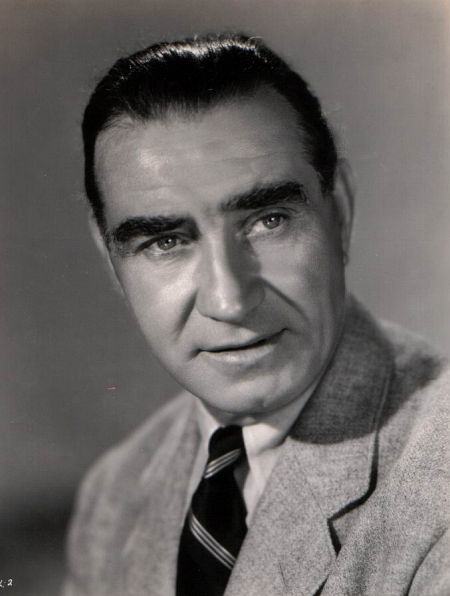
Frank Lloyd
actor, director, writer
- Birth name:
- Frank William George Lloyd
- Born:
- 1886-02-02, Glasgow, Scotland, UK
- Died:
- 1960-08-10, Santa Monica, California, USA
- Professions:
- actor, director, writer
Biography
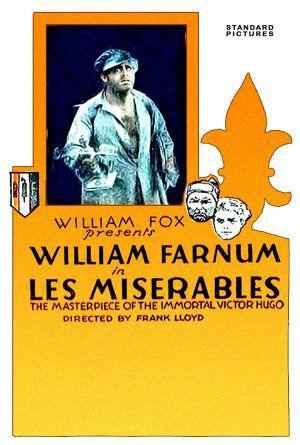
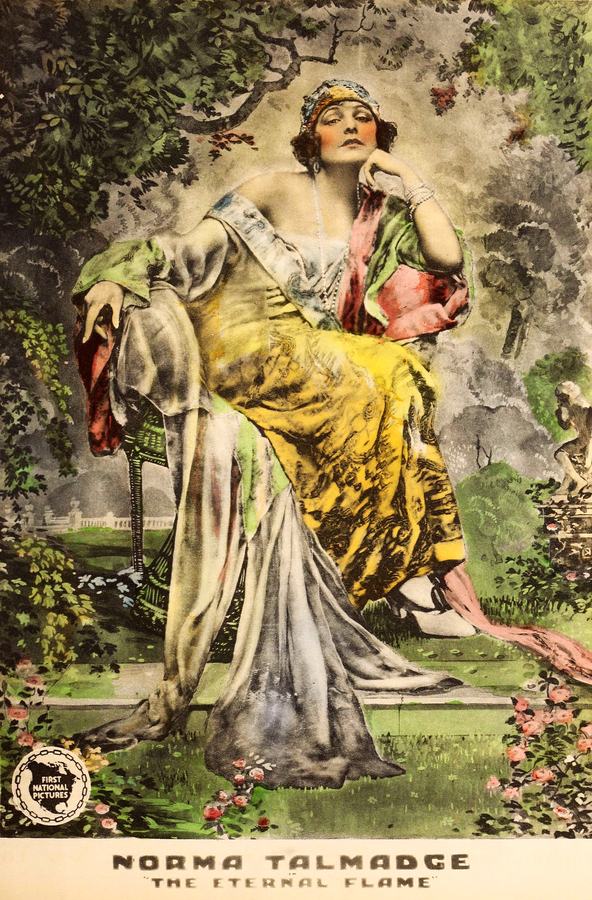
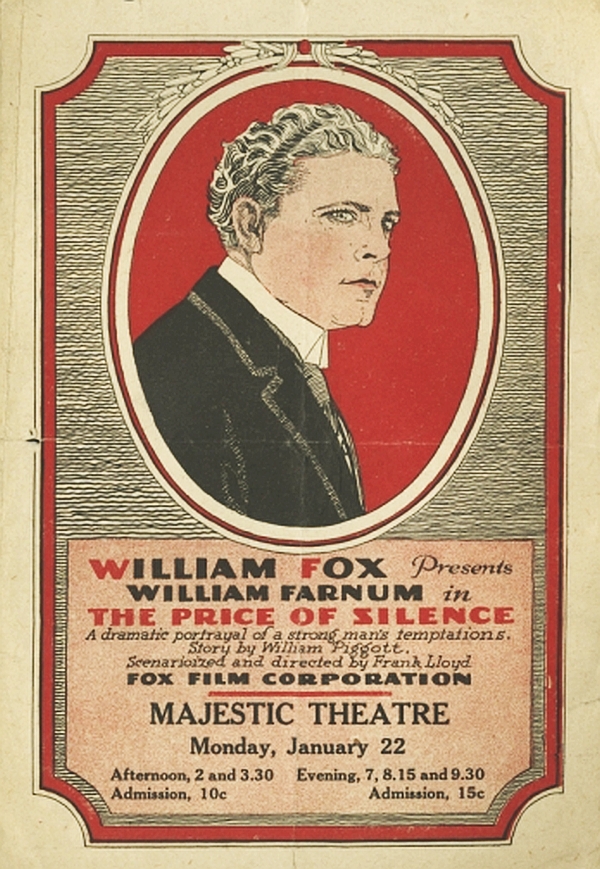
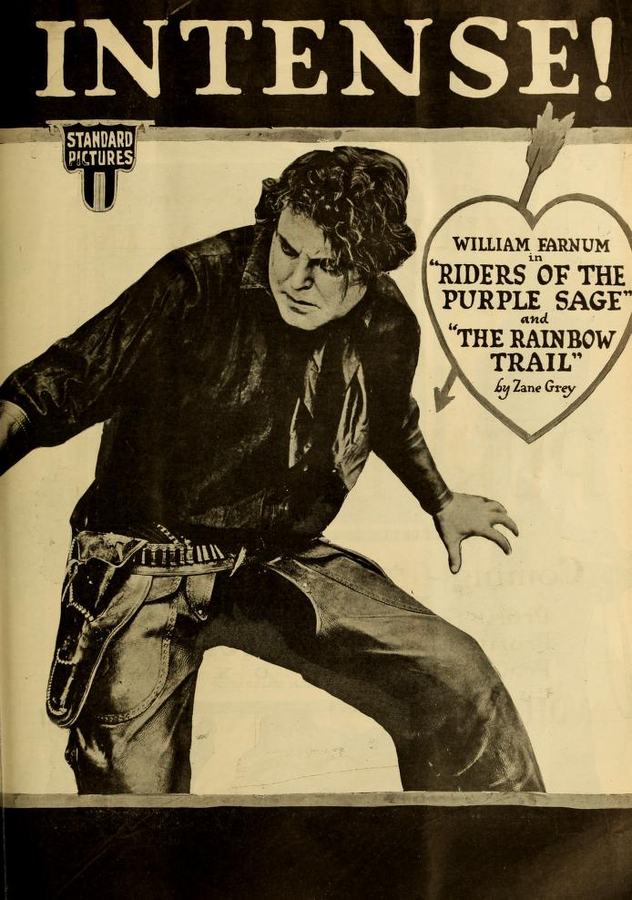
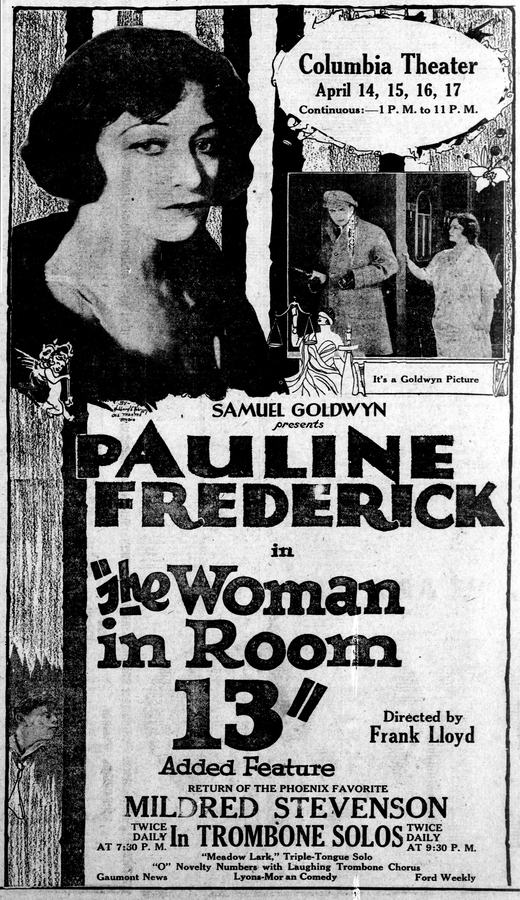
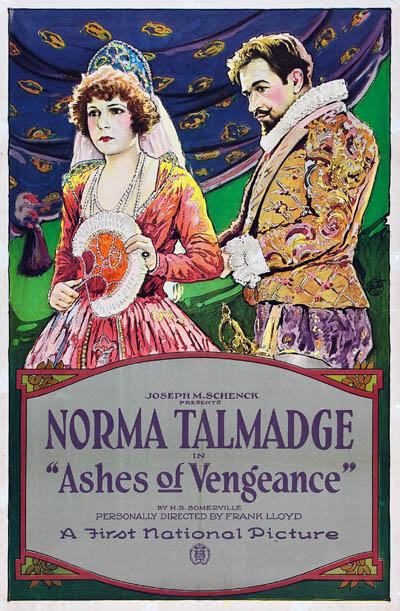
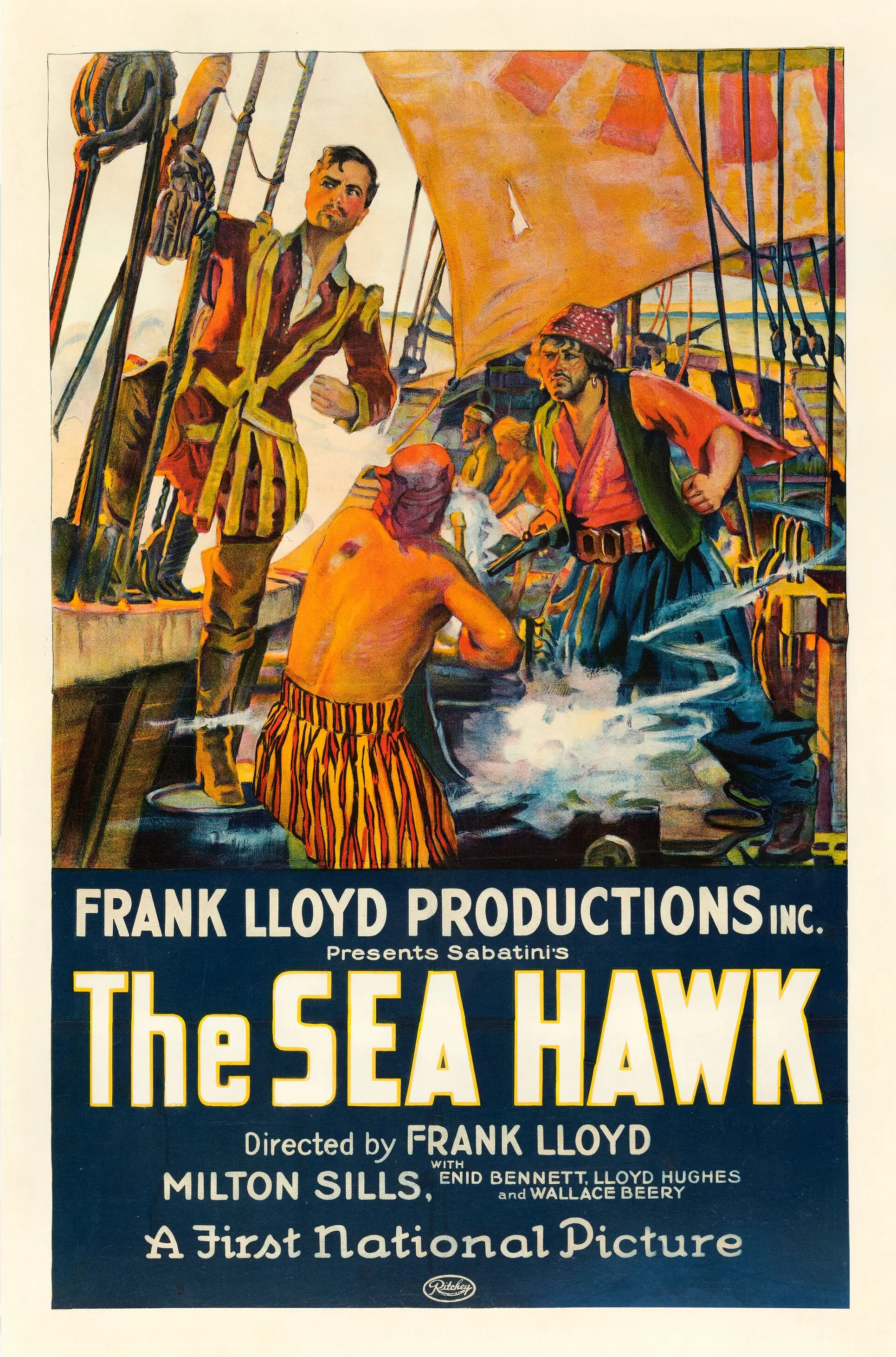
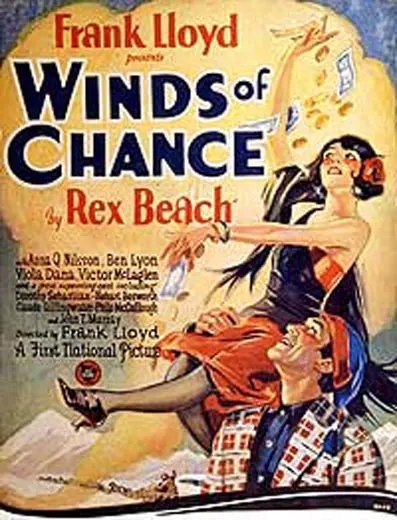
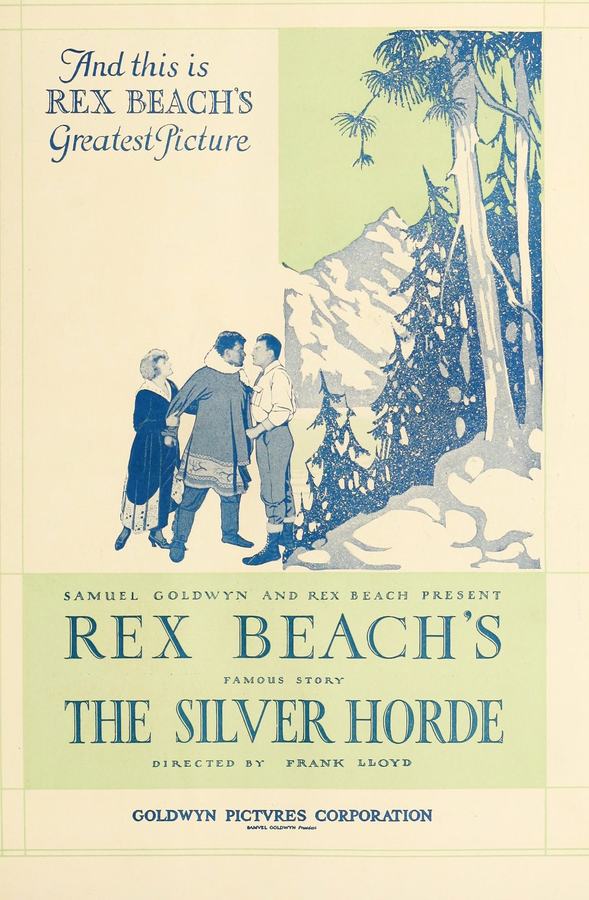
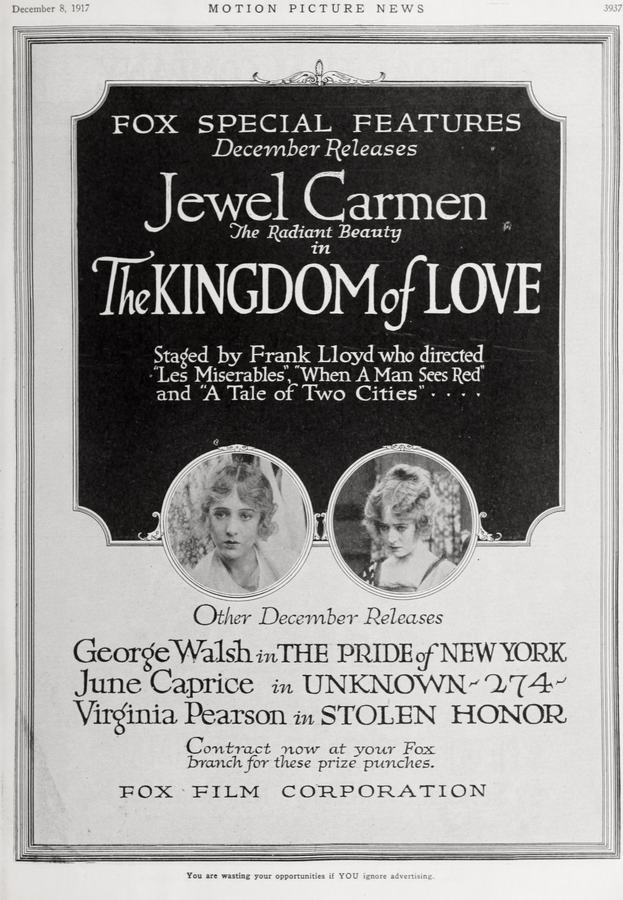
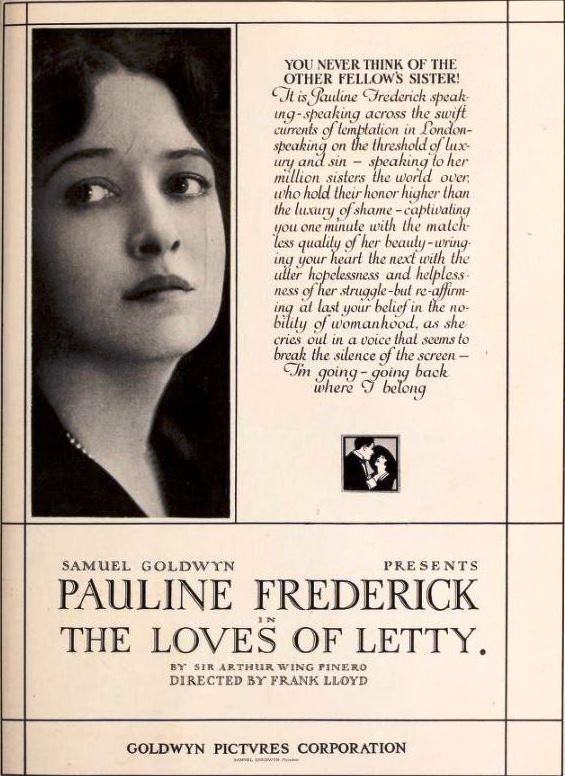
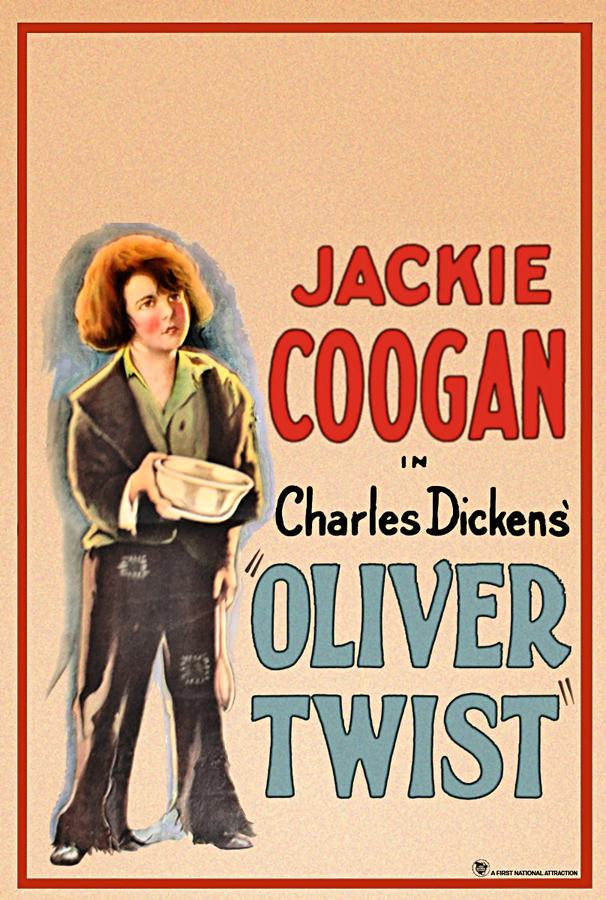
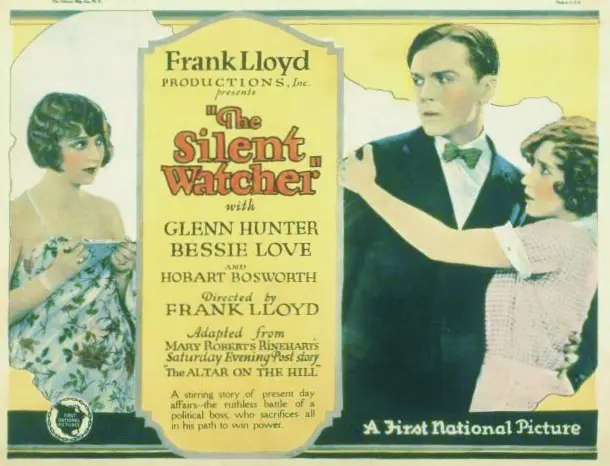
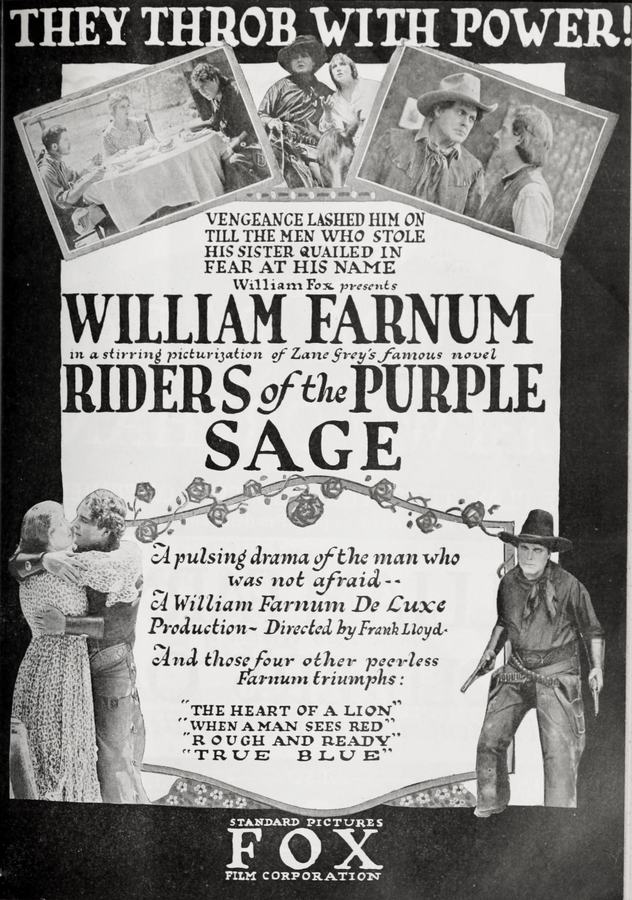
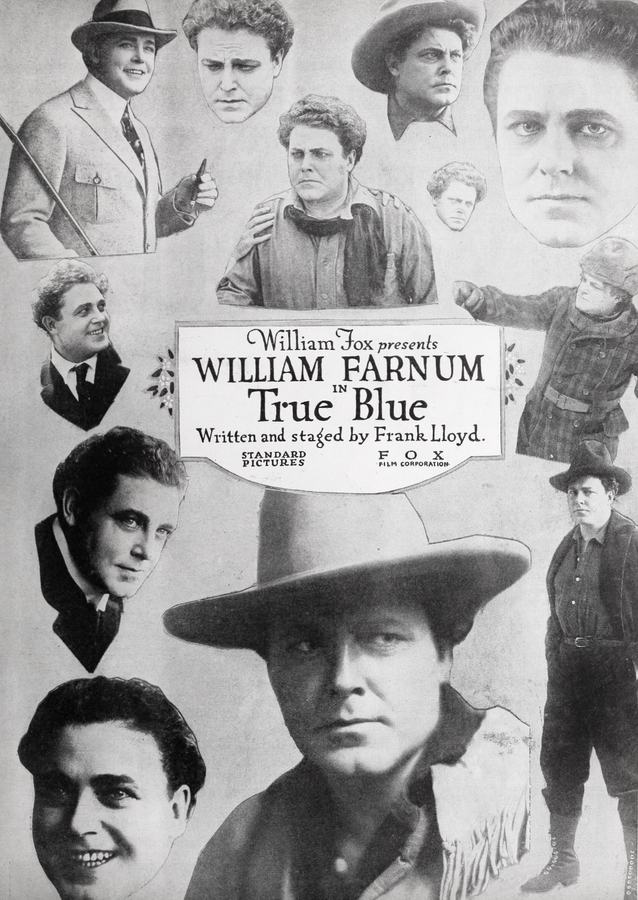
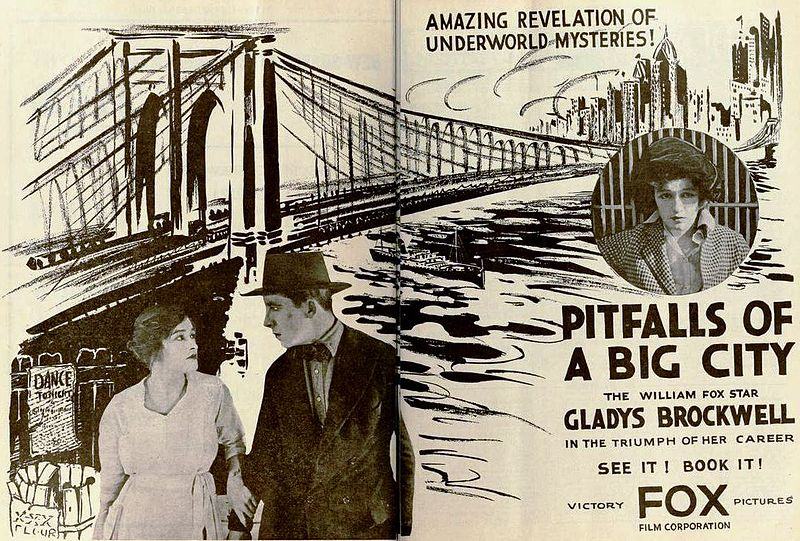
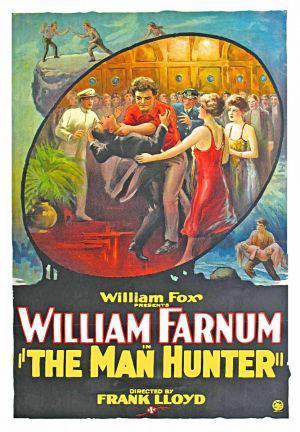
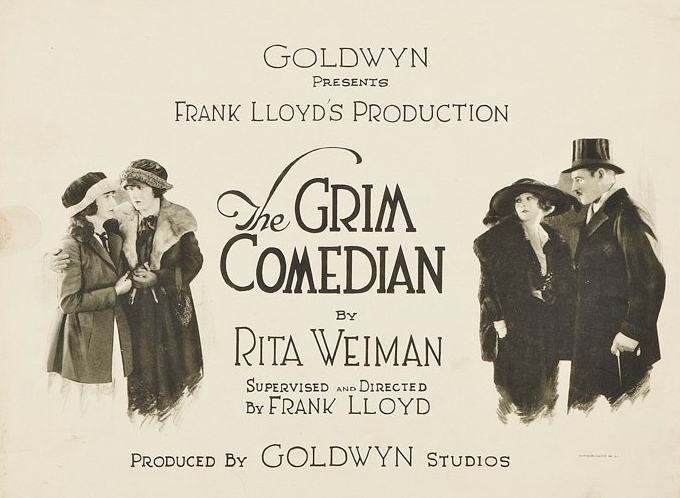
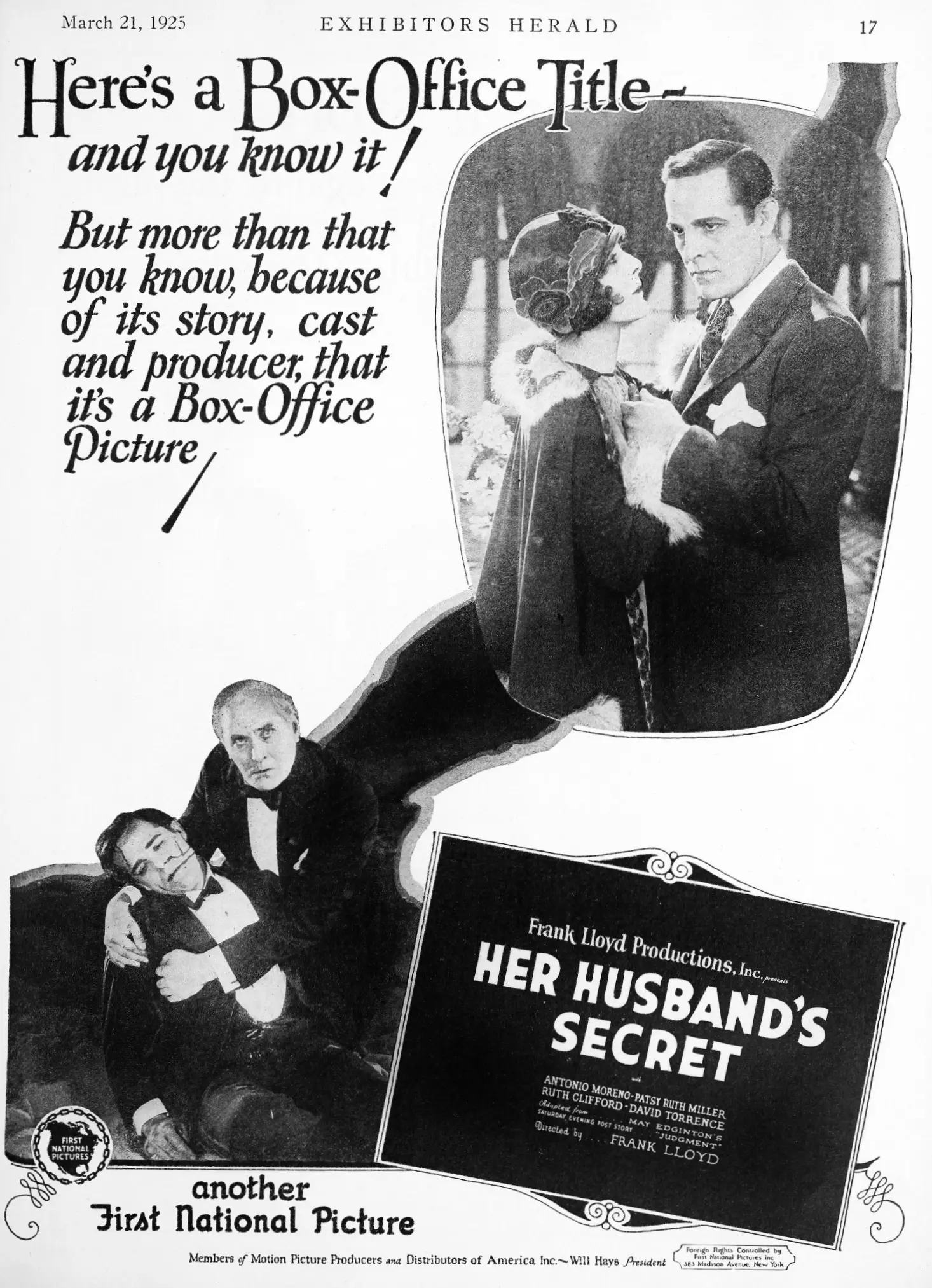
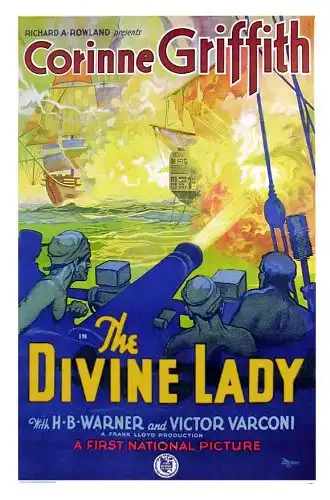
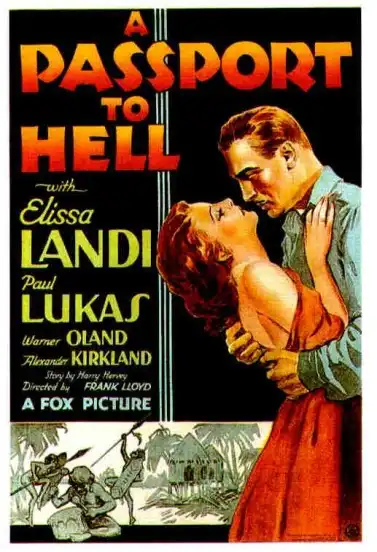
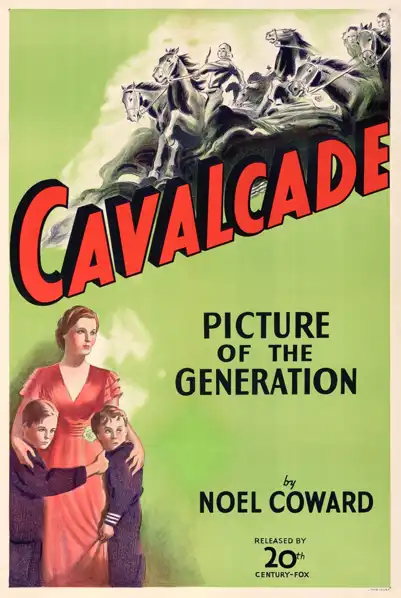
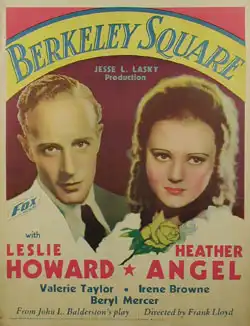
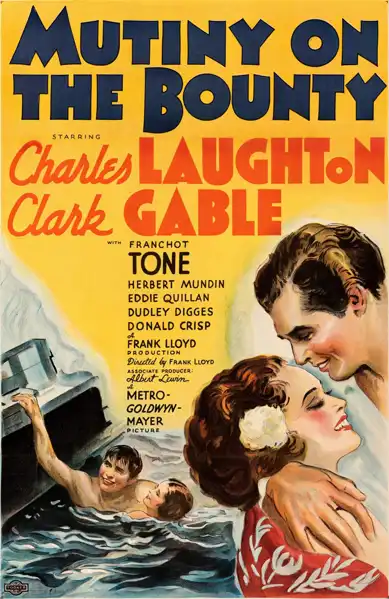
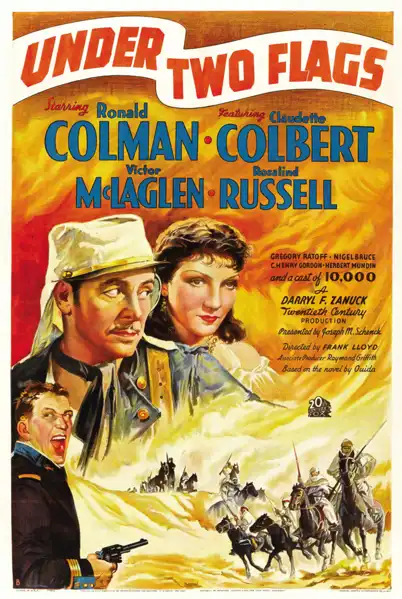
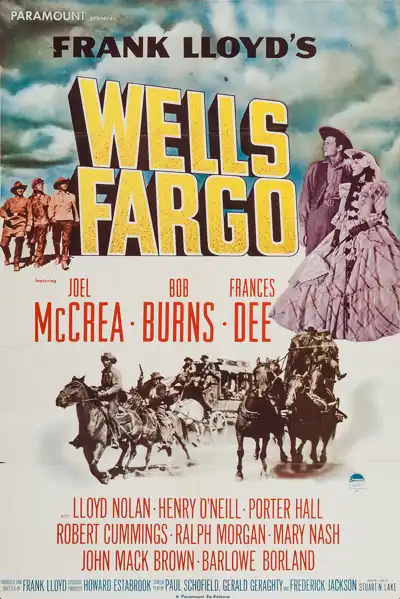
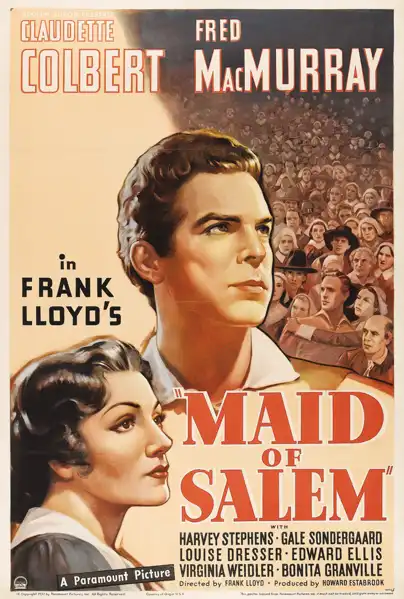
Frank Lloyd slipped into the world of celluloid almost sideways: a mimic of Harry Lauder on the sooty London boards of 1903, warbling for coins and applause, before packing his voice and tool belt across the Atlantic in 1909. Telegraph wires in the Canadian wilderness paid better than greasepaint, but the smell of sawdust never left him; neither did Alma Haller, the German-American soubrette he married in an Edmonton winter and kept beside him for four decades. Universal’s gates opened in 1913, yet the camera refused to love him. Two years of tepid notices convinced Lloyd the spotlight was brighter behind the lens. By 1917 he was at Fox, churning out fifteen features in twenty-four months—Zane Grey’s purple horizons in Riders of the Purple Sage (1918), the Paris sewers of Les Misérables (1917), and a Dickensian London fogged with Jackie Coogan’s Oliver Twist (1922). First National handed him bigger toys: galleons for The Sea Hawk (1924), Balzac hoop-skirts for The Eternal Flame (1922). The Academy noticed, and in 1929 mailed him the second statuette ever minted for Best Director—The Divine Lady (1928), a love triangle shot through with Nelson’s cannons. The 1930s became his private opera house. Cavalcade (1933) traced an English family from Boer War confetti to post-war ashes; audiences wept in 5-million-dollar waves, handing Lloyd his second Oscar. Berkeley Square (1933) whispered 18th-century Philadelphia into existence so gently that even the New Times feared breathing might break the spell. At MGM he commandeered the Bounty, letting Clark Gable’s grin duel Charles Laughton’s curled lip; the film sailed home with the Best Picture trophy and a permanent mooring in pop mythology. Wells Fargo (1937) sent stagecoaches thundering across a mythic West, while Under Two Flags (1936) let soldiers and sandstorms brawl in the Sahara. If I Were King (1938) gave Ronald Colman a cloak and a poem, Basil Rathbone a dagger and a smirk. War intervened. Major Lloyd traded soundstages for the Solomon Islands, leading the 13th Air Force Combat Camera Unit, filming what could not be written in letters, earning a Legion of Merit for keeping morale in focus when the jungle tried to blur it. Peace brought silence: a ranch in Carmel Valley, boots thick with red earth. Alma’s death coaxed him back once more; he chose to die on camera where he had lived. The Last Command (1955) replayed the Alamo’s last breath, a curtain call perfectly titled. Today his name sits in terrazzo on Hollywood Boulevard, five-pointed and immutable, while the films keep marching—period galleons, stagecoaches, and London fogs that refuse to fade.
Filmography
Directed (74)