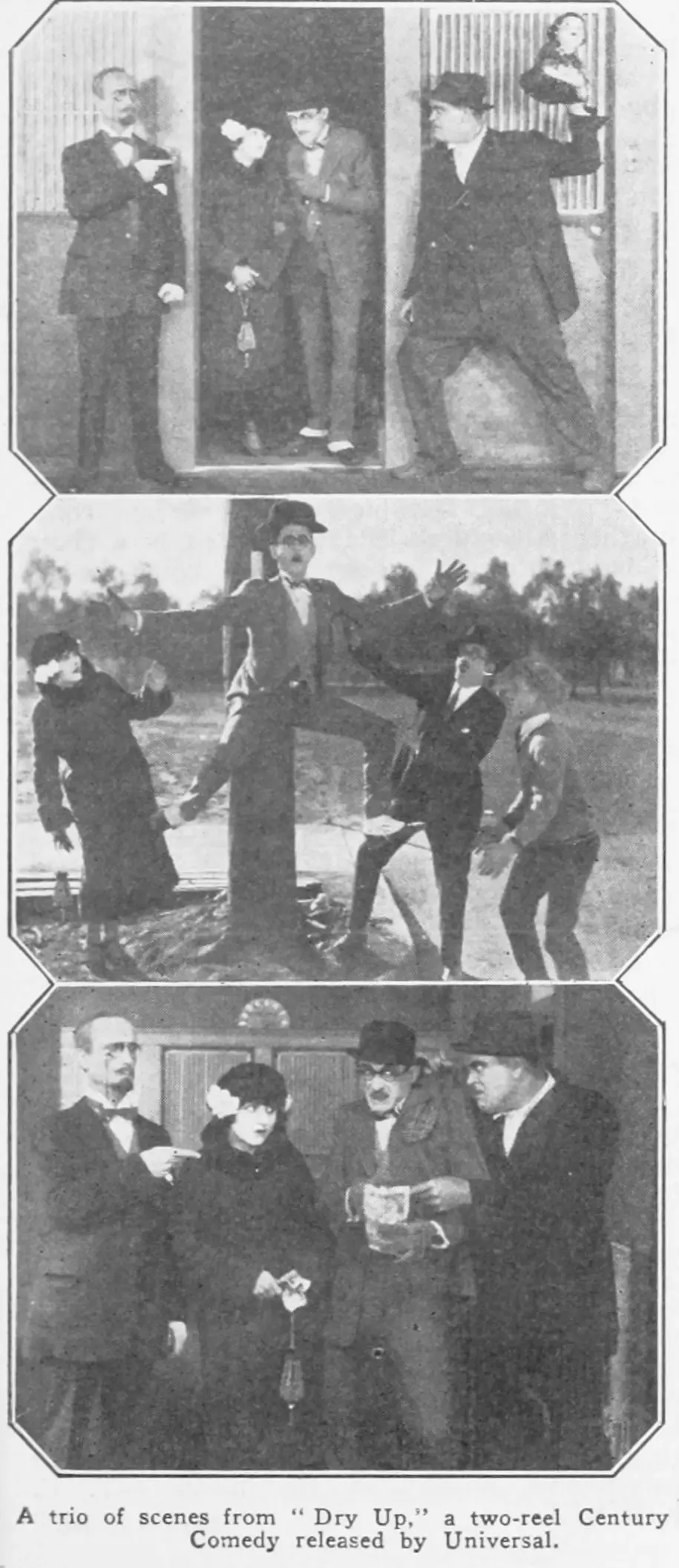
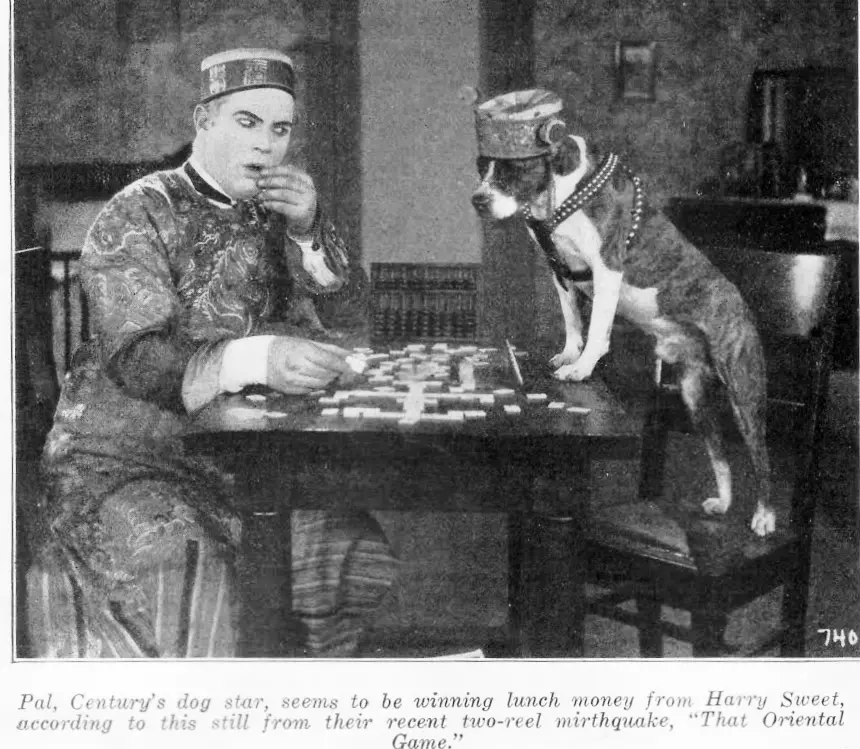
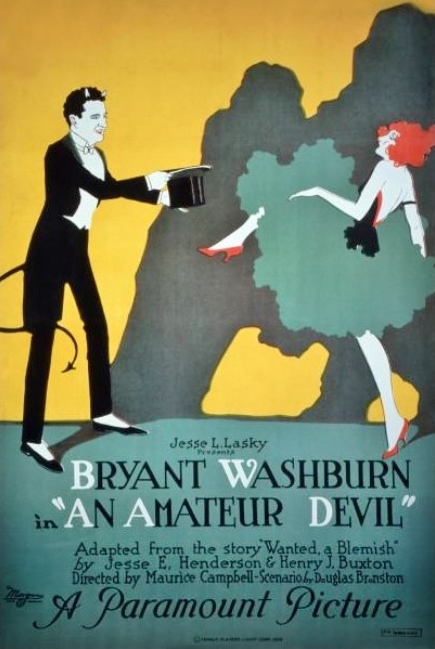
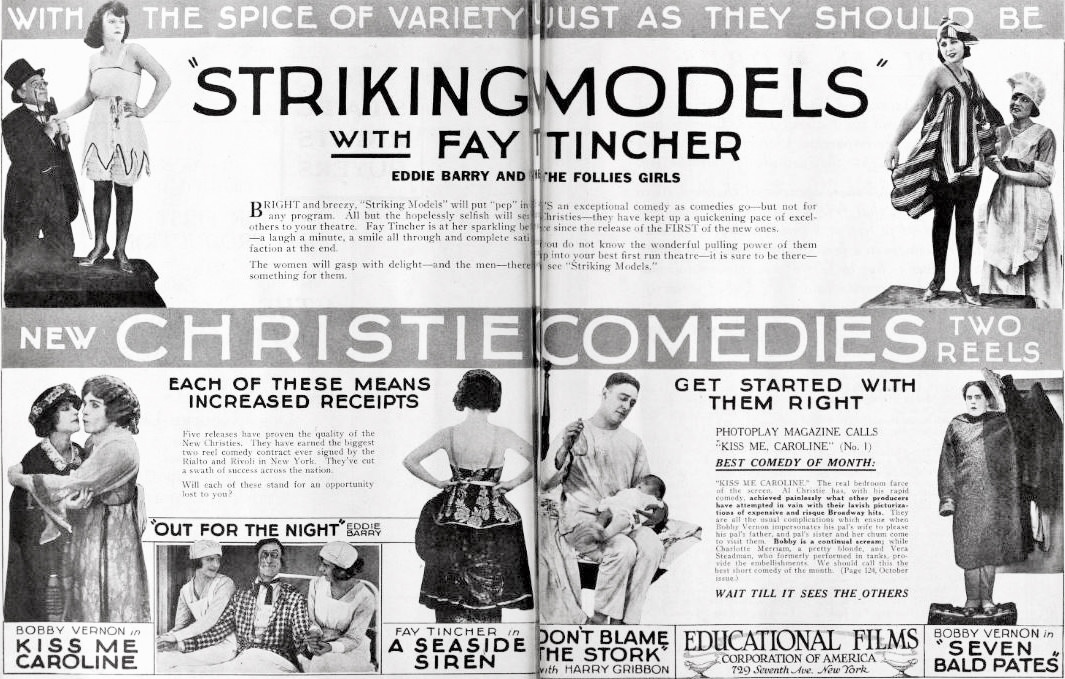
The hero, a farm boy, learns by correspondence how to be a detective. Going to the city, he becomes the prey of a gang of crooks who use him to obtain his own brother-in-law's furniture.
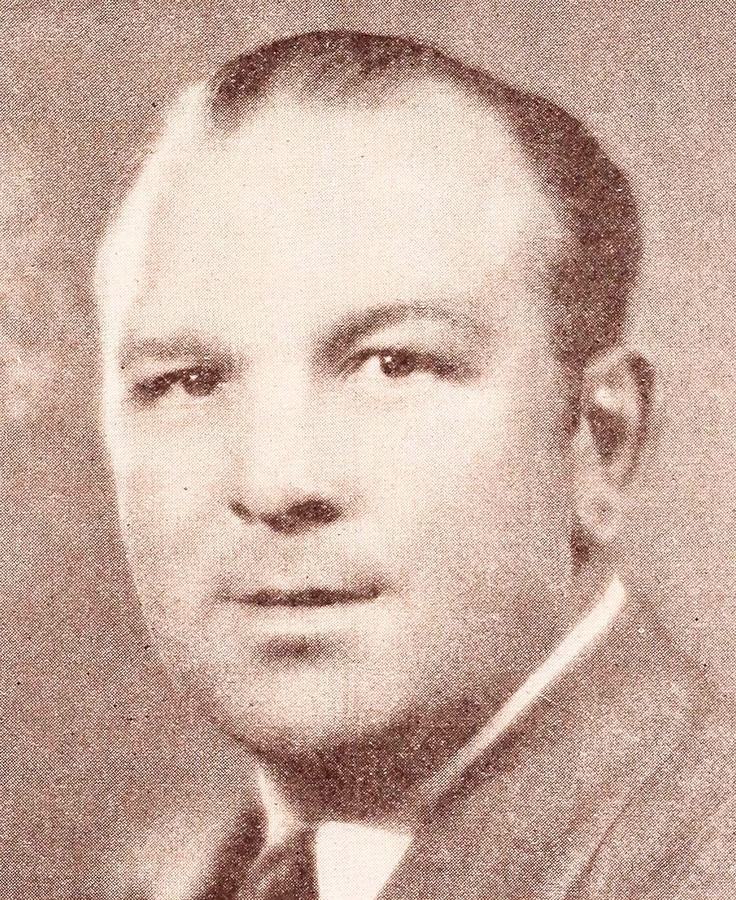
Albert Herman
United States
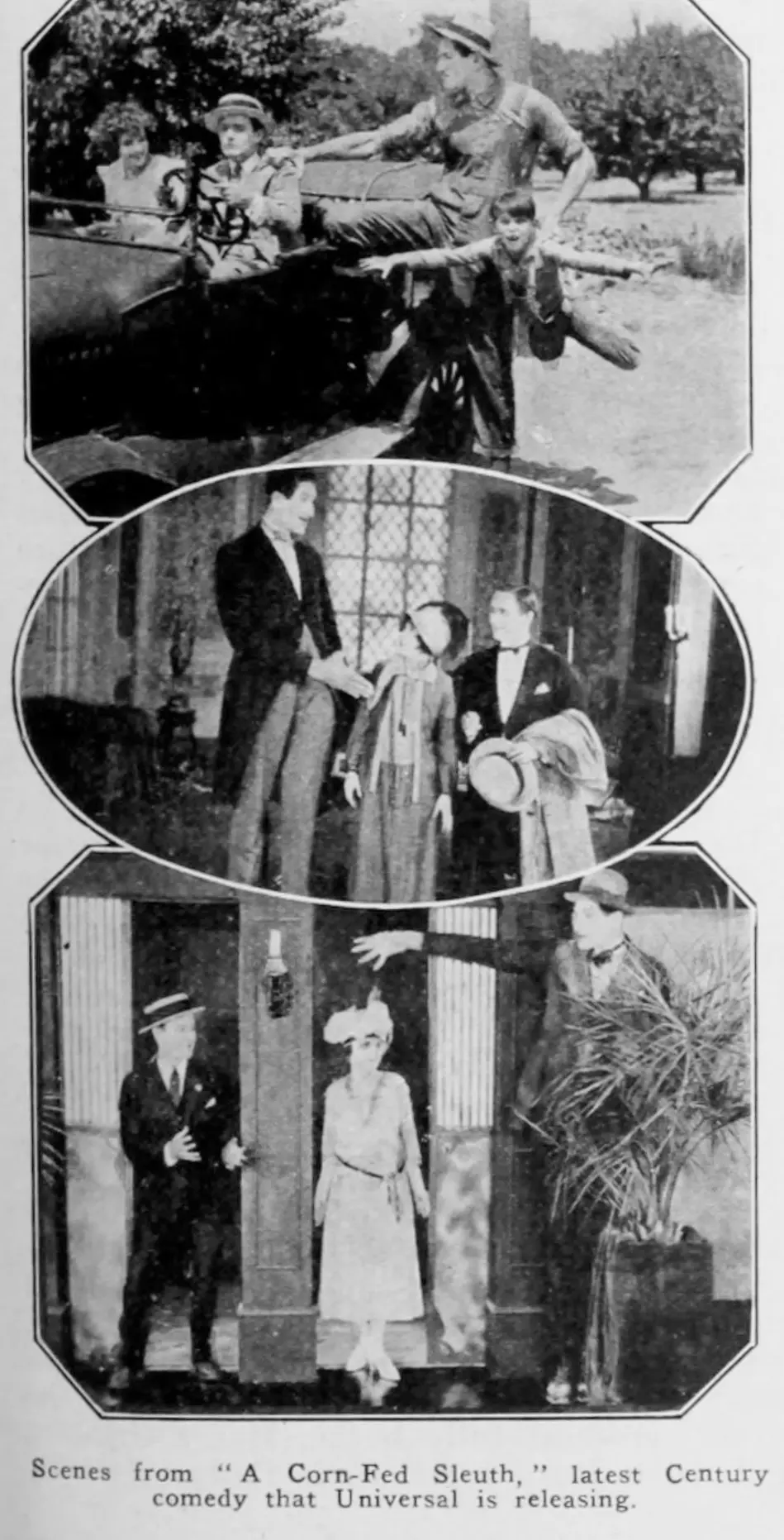
The cinematic landscape of the 1920s was frequently populated by the archetype of the 'rube'—the wide-eyed provincial wandering into the neon-lit maw of the metropolis. Yet, in Albert Herman’s 1923 curiosity, A Corn-Fed Sleuth, this trope is elevated through the singular presence of Jack Earle. Standing as a literal gi...
still_frame
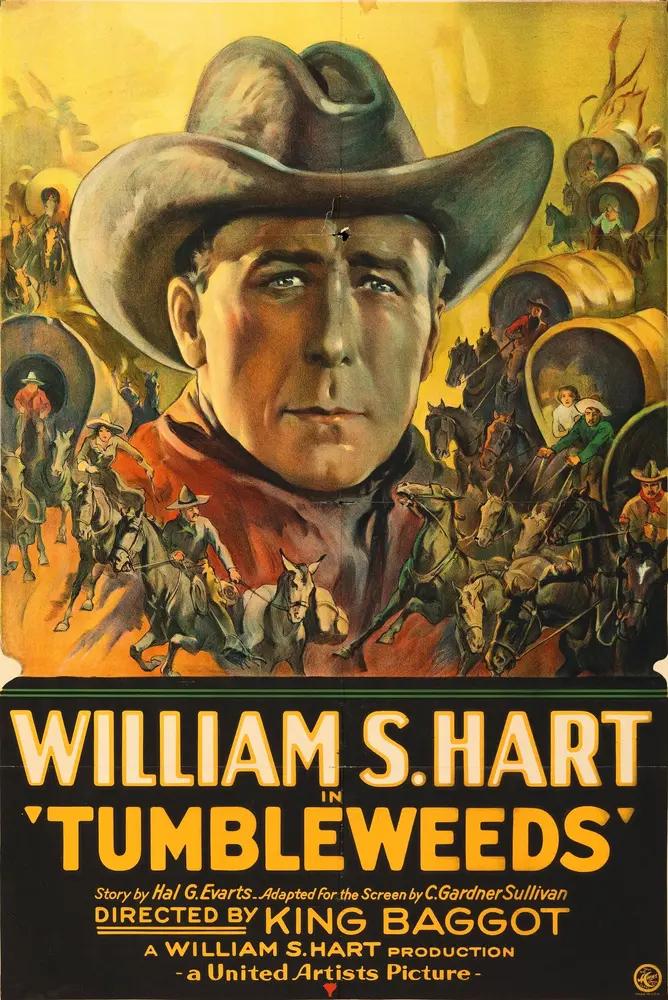
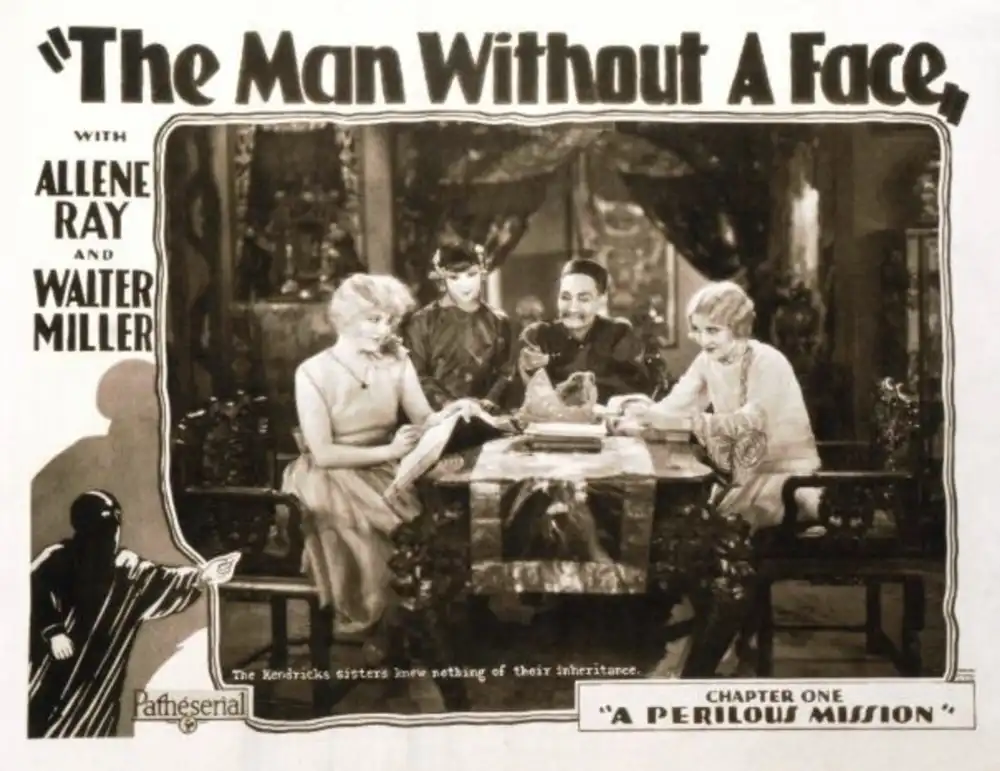
Comparing the cinematic DNA and archive impact of two defining moments in cult history.
Albert Herman

Unknown Director
Community
Log in to comment.
"The cinematic landscape of the 1920s was frequently populated by the archetype of the 'rube'—the wide-eyed provincial wandering into the neon-lit maw of the metropolis. Yet, in Albert Herman’s 1923 curiosity, A Corn-Fed Sleuth, this trope is elevated through the singular presence of Jack Earle. Standing as a literal giant of the silent era, Earle’s physicality transforms a standard fish-out-of-water narrative into a surrealist exploration of scale and social ineptitude. The film functions not me..."


Deep dive into the cult classic
Discover similar cinematic experiences
A Directorial Spotlight on Albert Herman