DbcultAccessing Vault...
Cult Review
Senior Film Conservator
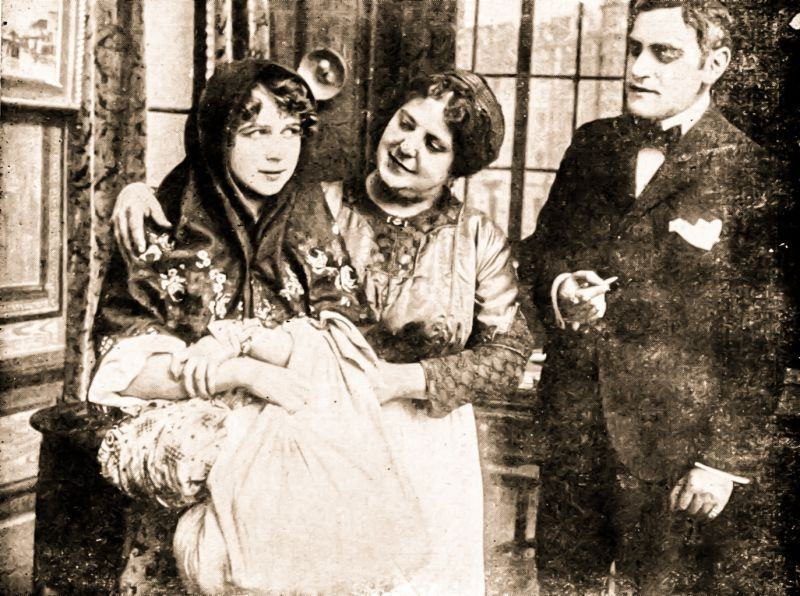
To witness Alfréd Deésy’s A Gög is to step into a vanishing world of sepia-toned grandeur and suffocating social etiquette. Released in 1918, a year of seismic geopolitical shifts, the film functions less as a mere entertainment and more as a psychological inventory of the Hungarian elite. The title itself—translating to 'Pride' or 'Arrogance'—serves as the thematic anchor for a narrative that is as much about the rigidity of the soul as it is about the fluidity of social status. Unlike the more action-oriented narratives of the era, such as Den farlige Haand, Deésy’s work here is an introspective exercise in cinematic portraiture.
At the heart of this visual poem is Klára Peterdy. Her performance is a masterclass in the economy of movement. In an era where silent film acting often veered into the melodramatic histrionics seen in works like The Rose of Blood, Peterdy maintains a reserved, almost statuesque presence. Her eyes convey a complex interplay of vulnerability and disdain, capturing the essence of a woman trapped by her own perceived superiority. When she shares the screen with Lajos Boray, the tension is palpable—not through dialogue, but through the spatial dynamics of their blocking. Boray provides a grounding force, a masculine counterpoint to Peterdy’s ethereal yet icy demeanor, creating a chemistry that feels modern even by today’s standards.
"The cinematography in A Gög doesn't just record the actors; it traps them in a web of light and shadow, much like the characters are trapped in the web of their own social standing."
The collaboration between Lujza Vécseyné Jankovich and Pál Forró on the script ensures that 'A Gög' avoids the pitfalls of simplistic morality. While contemporary American films like Sunny Jane focused on optimism and pluck, the Hungarian school—spearheaded here by Jankovich and Forró—was far more interested in the inevitability of tragedy. The dialogue cards are sparse but potent, reflecting a literary sensibility that respects the audience's intelligence. They explore the nuances of 'gög' not as a simple sin, but as a defense mechanism against a world that is rapidly changing. This depth of writing elevates the film beyond the standard fare of 1918, placing it in conversation with the more sophisticated European dramas like Leoni Leo.
Alfréd Deésy, a titan of the Star Film Company, demonstrates a sophisticated understanding of the frame. In 'A Gög', he utilizes deep focus and elaborate interior sets to emphasize the claustrophobia of wealth. The mirrors, the heavy velvet drapes, and the ornate furniture aren't just props; they are extensions of the characters' identities. There is a specific scene involving a grand staircase that rivals the visual ambition of A Romance of the Redwoods, though Deésy trades Cecil B. DeMille’s ruggedness for a refined, continental elegance. The lighting, often harsh and directional, highlights the sharp contours of the actors' faces, echoing the sharp social divides that define their lives.
The supporting cast, featuring Ila Lóth and Jenõ Medgyaszay, adds layers of texture to the social milieu. Lóth, in particular, offers a warmth that contrasts sharply with Peterdy’s coldness, serving as a reminder of the humanity that the protagonist has sacrificed on the altar of her pride. This ensemble dynamic is reminiscent of the intricate character webs found in The Cloister and the Hearth, where every minor player contributes to the overarching moral weight of the story.
When comparing 'A Gög' to its international peers, one notices a distinct lack of the escapism found in The Lotus Dancer or the pulp thrills of A Melbourne Mystery. Instead, Deésy’s film aligns more closely with the somber, realistic traditions of the Spanish tragedy, such as La España trágica o Tierra de sangre. It is a cinema of consequence. The film was produced at a time when Hungary was facing the end of an era, and the 'pride' depicted on screen feels like a metaphor for a nation that refused to see the writing on the wall.
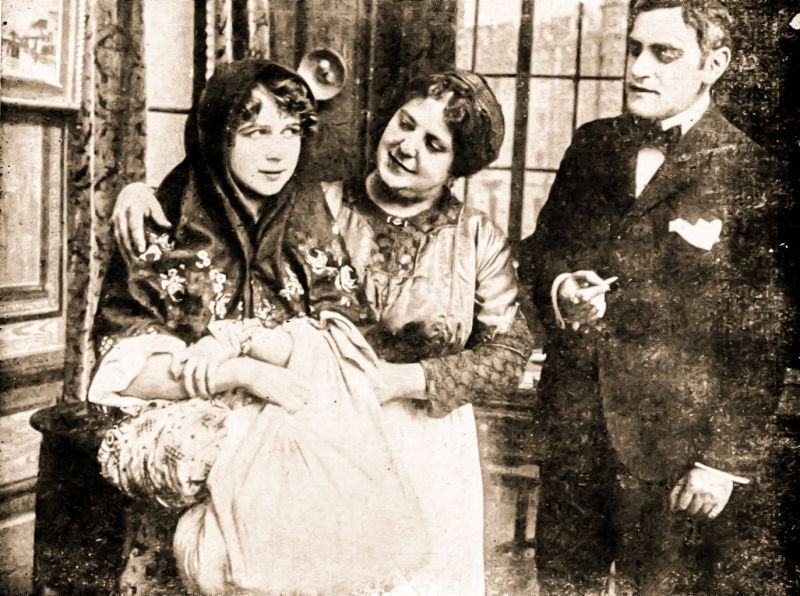
The pacing is deliberate, demanding a level of patience from the viewer that is rewarded by the sheer intensity of the climax. While films like The Ragamuffin relied on Dickensian sentimentality, 'A Gög' remains steadfastly cynical. It does not offer easy redemption. The protagonist's fall is not a moment of grace, but a cold realization of the emptiness of her own construction. This unflinching gaze into the abyss of the ego is what makes the film a precursor to the psychological depth seen in later silent masterpieces like He Who Gets Slapped.
From a technical standpoint, the restoration efforts required to appreciate 'A Gög' today remind us of the fragility of our cinematic heritage. The original nitrate prints possessed a silver-rich luminosity that is hard to replicate. The way Deésy captures the shimmer of a silk dress or the flicker of a candle in a cavernous dining hall speaks to a high level of craftsmanship within the Hungarian film industry of the 1910s. This was not a peripheral cinema; it was a vibrant, innovative hub that rivaled the technical prowess seen in In the Diplomatic Service or the German variety films like Der neueste Stern vom Variété.
The use of close-ups in 'A Gög' is particularly noteworthy. Deésy uses them sparingly, but when he does, they are devastating. A close-up of Peterdy’s mouth tightening, or a flicker of doubt in Boray’s eyes, carries more narrative weight than pages of exposition. This visual shorthand is the mark of a director who understands the unique power of the medium. It is a far cry from the more stage-bound productions of the early silent era, showing a clear evolution toward a purely cinematic language.
Why does 'A Gög' matter over a century later? It matters because the human condition remains tethered to the same insecurities and vanities. The 'gög' of 1918 is the 'clout' of the 21st century. The film’s exploration of how we perform our identities for an audience of our peers is strikingly relevant. It shares a thematic DNA with Garden of Lies, where the deception is not just of others, but of the self.
In the broader context of Deésy’s filmography, 'A Gög' stands as a bridge between his early experiments and his later, more polished works. It possesses a raw emotional honesty that is sometimes polished away in bigger-budget productions like The Edge of the Law. Here, the director is not afraid to let the silence sit, to let the characters breathe, and to let the audience feel the weight of the social expectations pressing down on the protagonists.
To conclude this analysis without mentioning the haunting final frames would be a disservice. The resolution—or lack thereof—leaves the viewer in a state of contemplative melancholy. It is a film that lingers, much like a ghost in the hallways of a grand, abandoned estate. It is a testament to the power of Hungarian silent cinema and a reminder that even in the absence of sound, the roar of human pride can be deafening. 'A Gög' is not just a relic; it is a mirror, reflecting the eternal struggle between the masks we wear and the people we truly are. It remains a vital, searing piece of art that demands to be seen by anyone serious about the history of the moving image.
IMDb 5.9
1933
Community
Log in to comment.