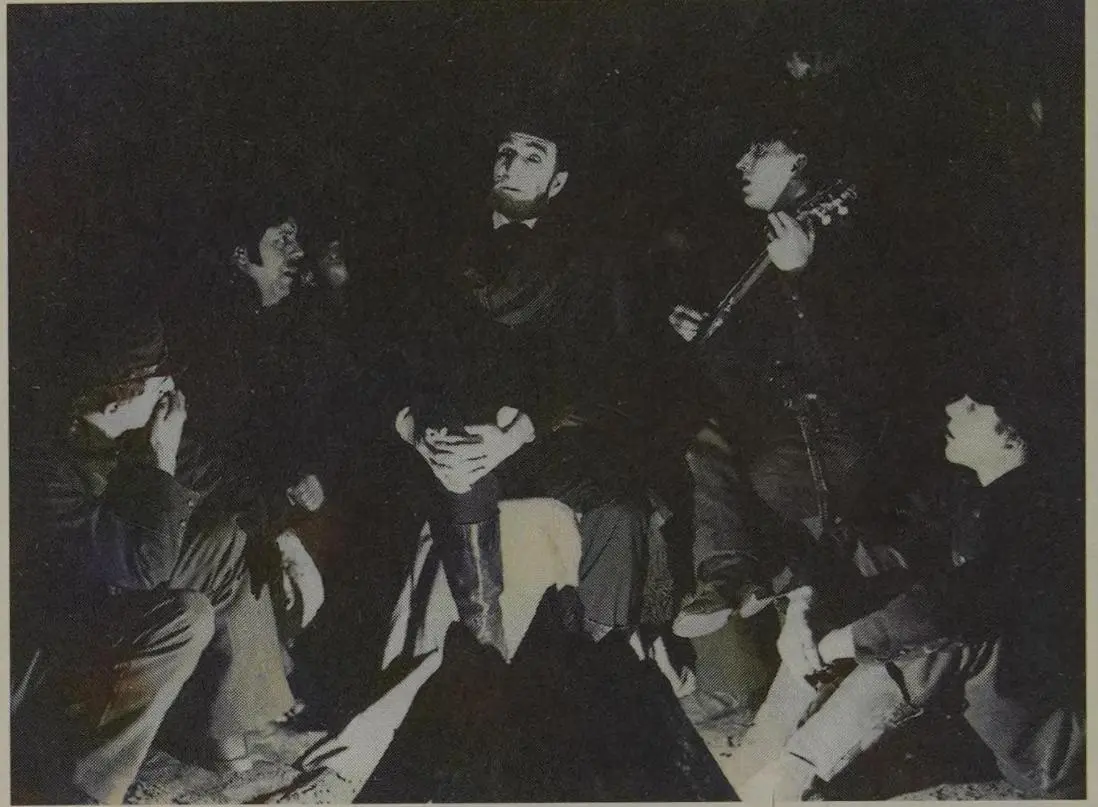
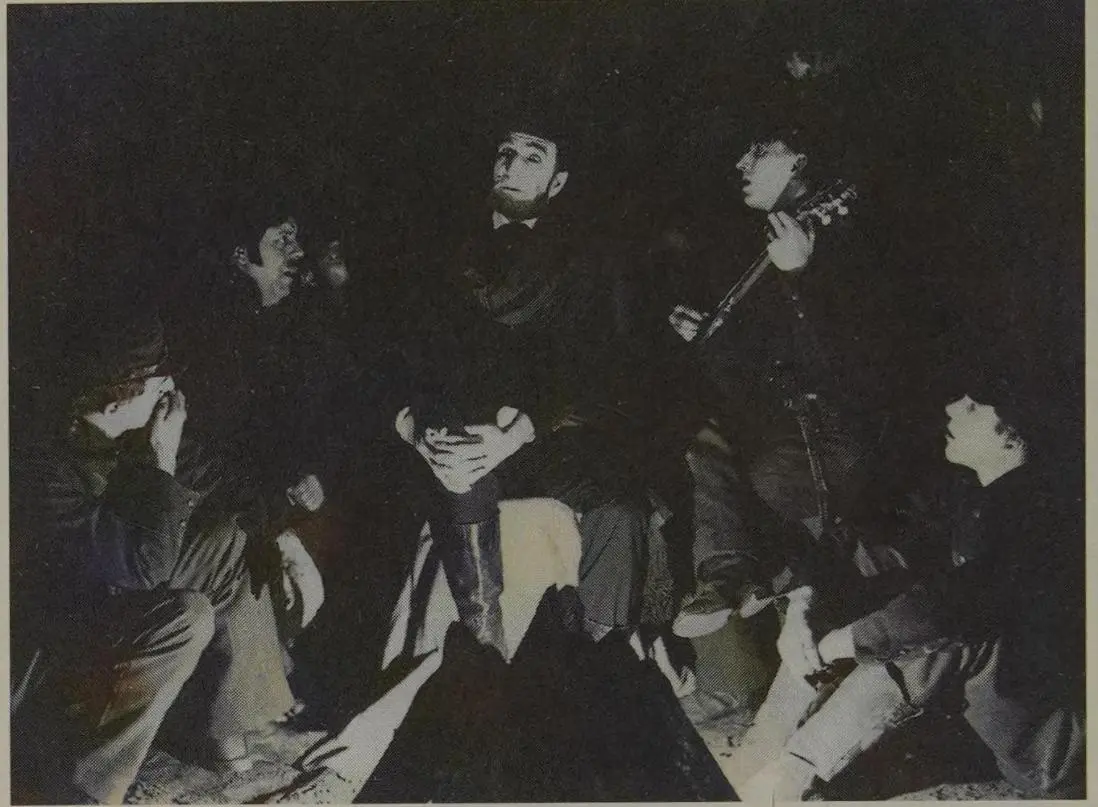
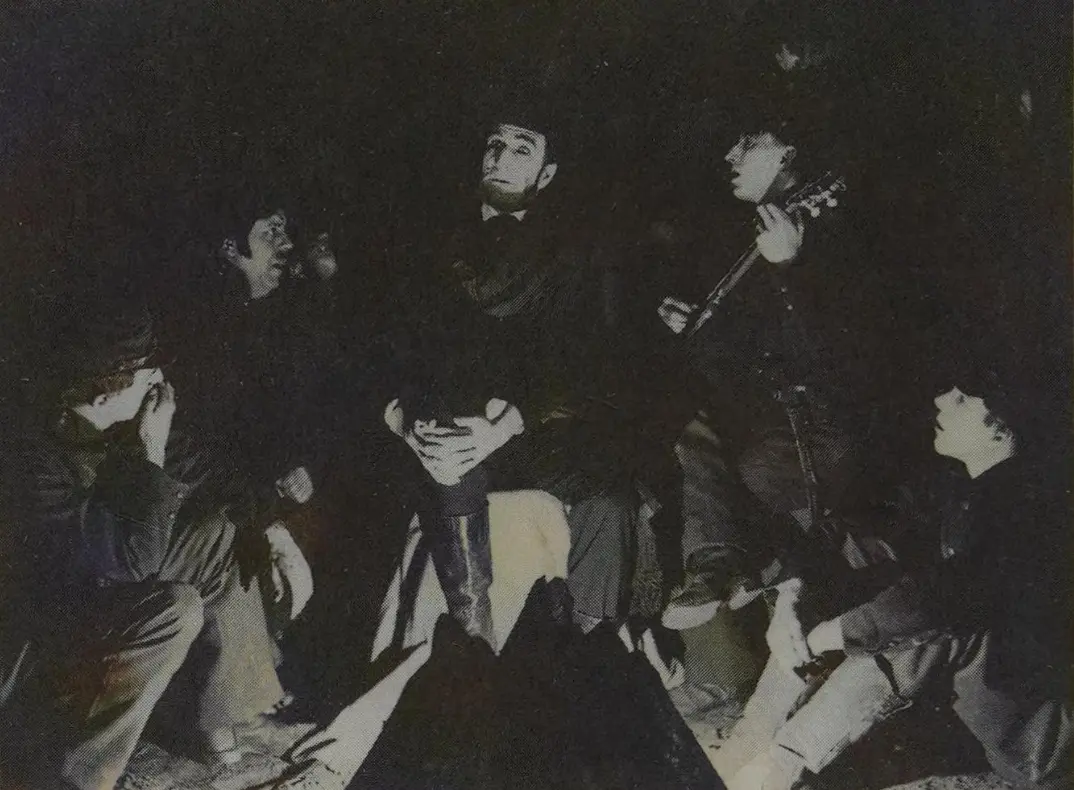
The highlight of the picture will be the delivery of the Gettysburg Address and the singing of a number of camp-fire songs.
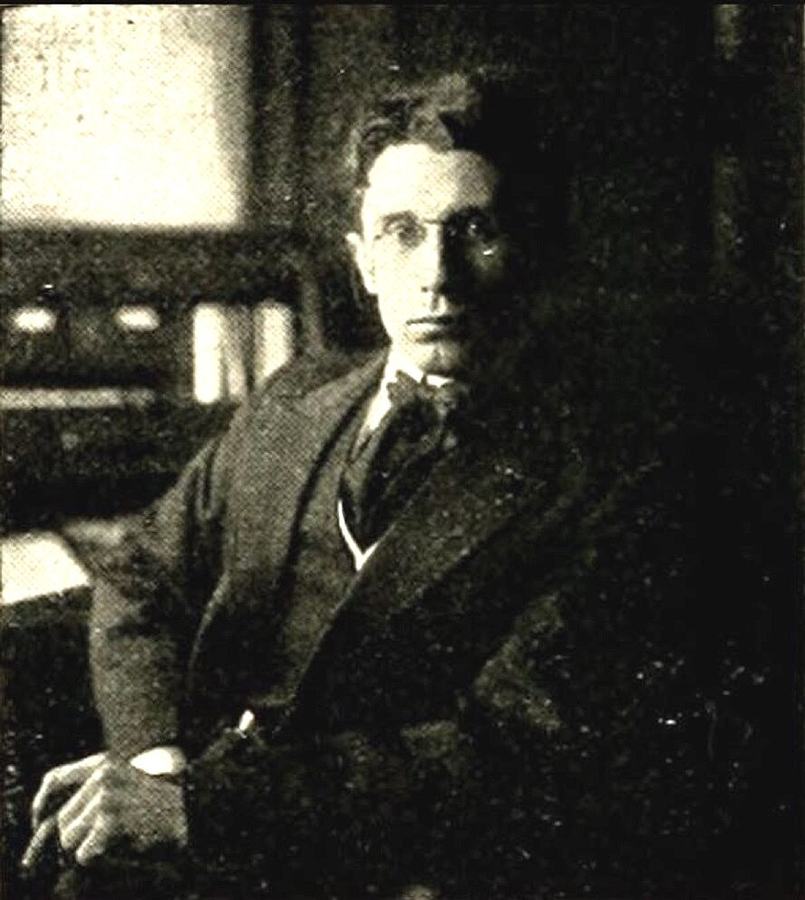
John Drinkwater
United States
To embark on a cinematic journey through the life of Abraham Lincoln is to confront the very soul of American history. John Drinkwater’s 'Abraham Lincoln' (1920) is more than just a historical drama; it is a profound artistic statement, a meticulously crafted tableau vivante that attempts to capture the essence of...
still_frame
still_frame
Comparing the cinematic DNA and archive impact of two defining moments in cult history.
J. Searle Dawley
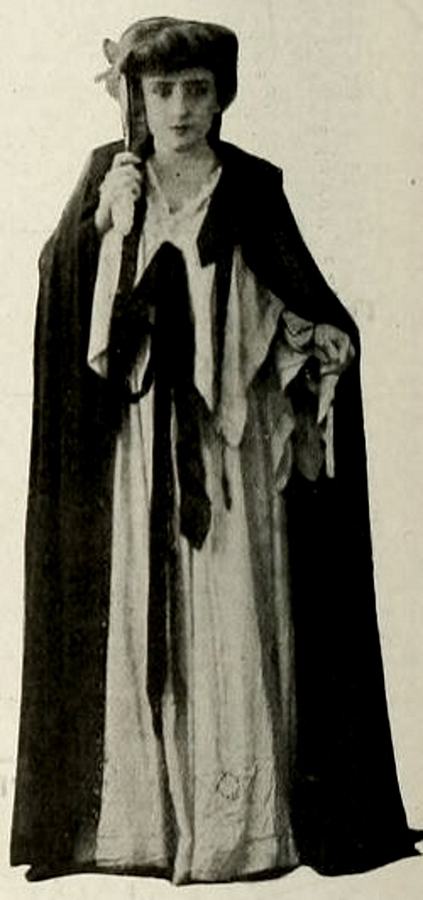
J. Searle Dawley
Community
Log in to comment.
" To embark on a cinematic journey through the life of Abraham Lincoln is to confront the very soul of American history. John Drinkwater’s 'Abraham Lincoln' (1920) is more than just a historical drama; it is a profound artistic statement, a meticulously crafted tableau vivante that attempts to capture the essence of a man whose legacy remains an unshakable cornerstone of the nation’s consciousness. This film, particularly through its central performances and its daring narrative focus, transc..."
Deep dive into the cult classic
Discover similar cinematic experiences
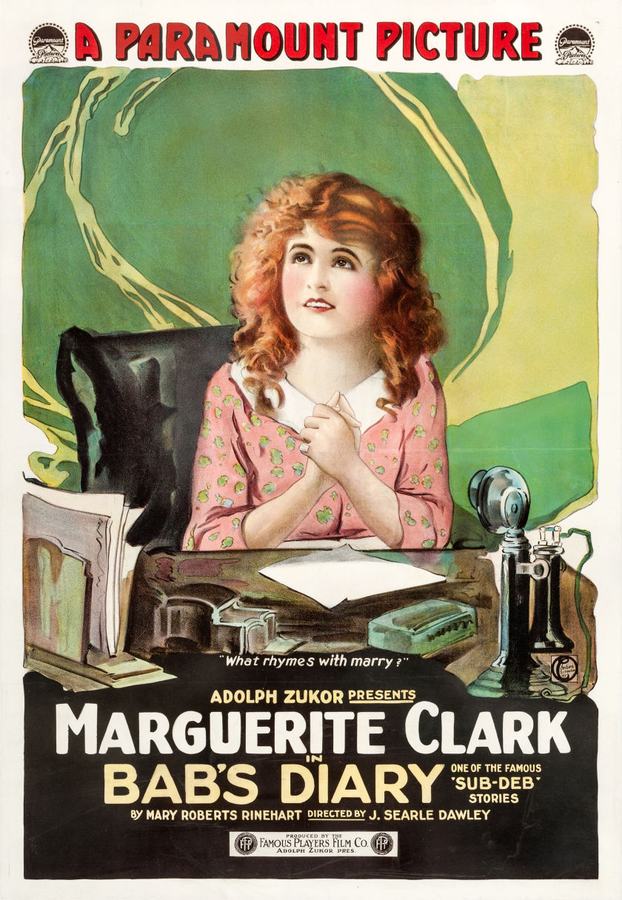
A Directorial Spotlight on J. Searle Dawley