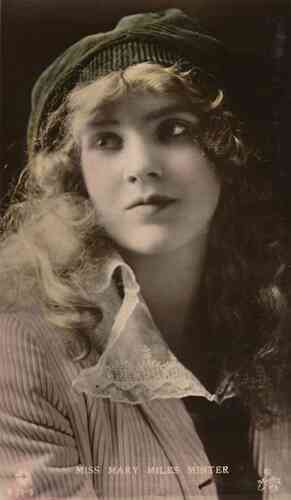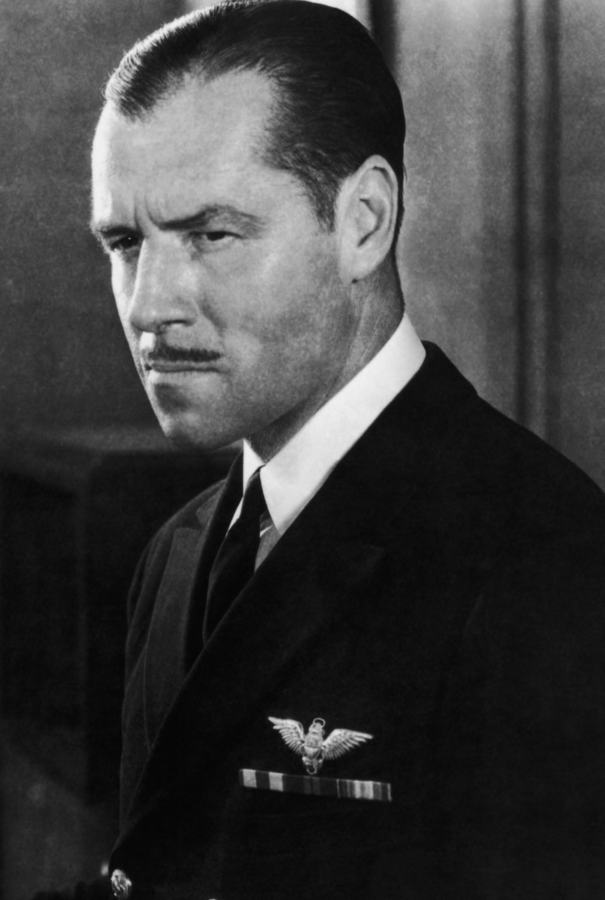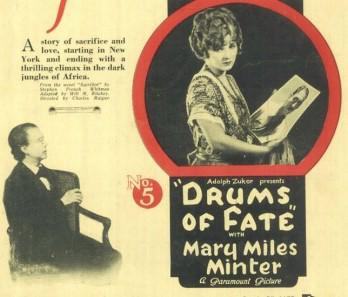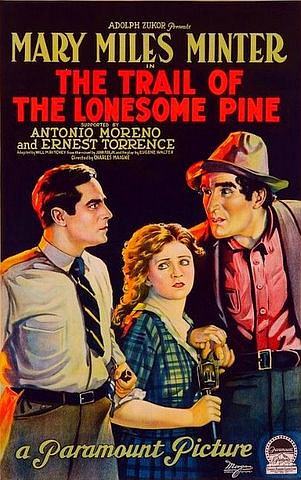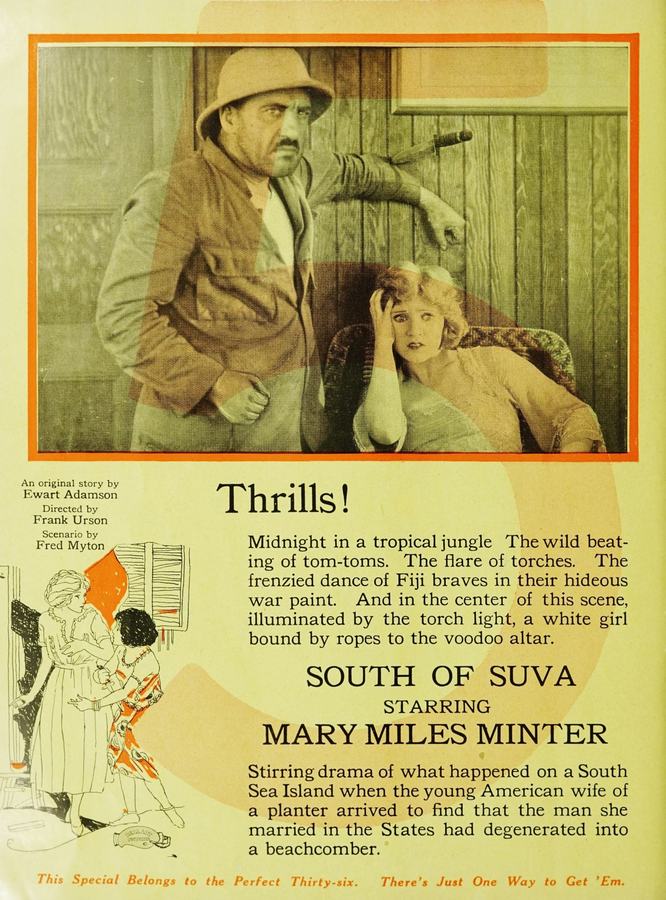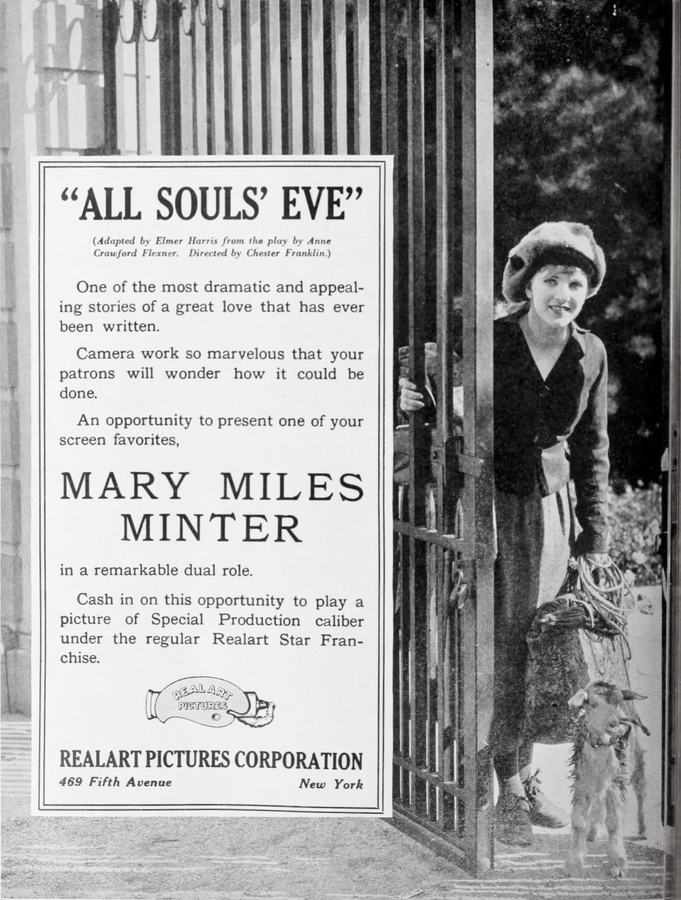
Sculptor Roger Heath realizes his new maid is possessed by the soul of his departed wife..
There are films you watch and films that watch you—All Souls’ Eve belongs to the latter coven. Released in the autumn of 1921, when the world still wore bandages from war and influenza, this spectral romance drapes its grief in lace so delicate you could mistake it for moonlight until it leaves burn marks on your wri...
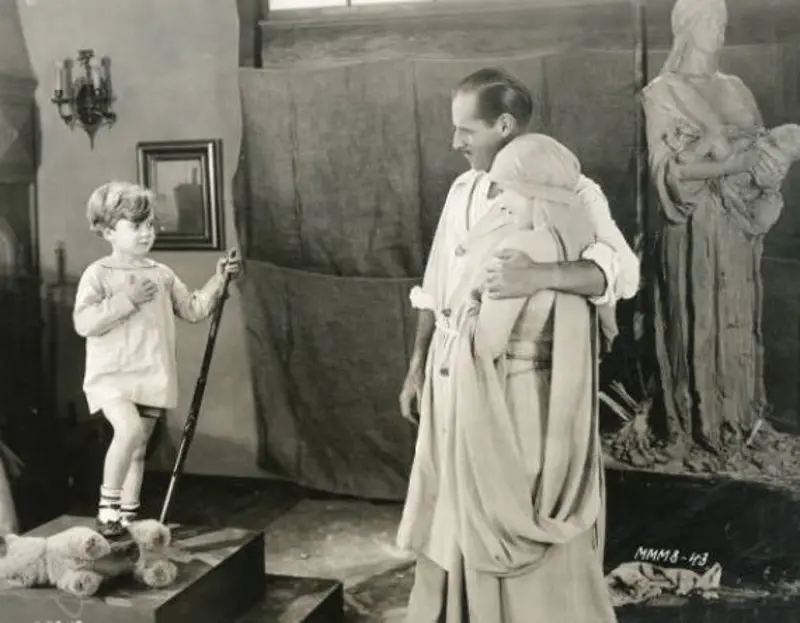
still_frame
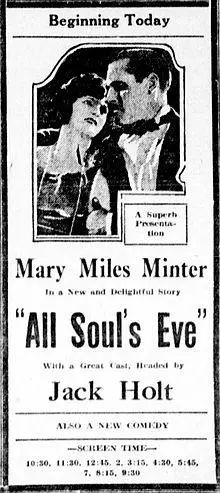
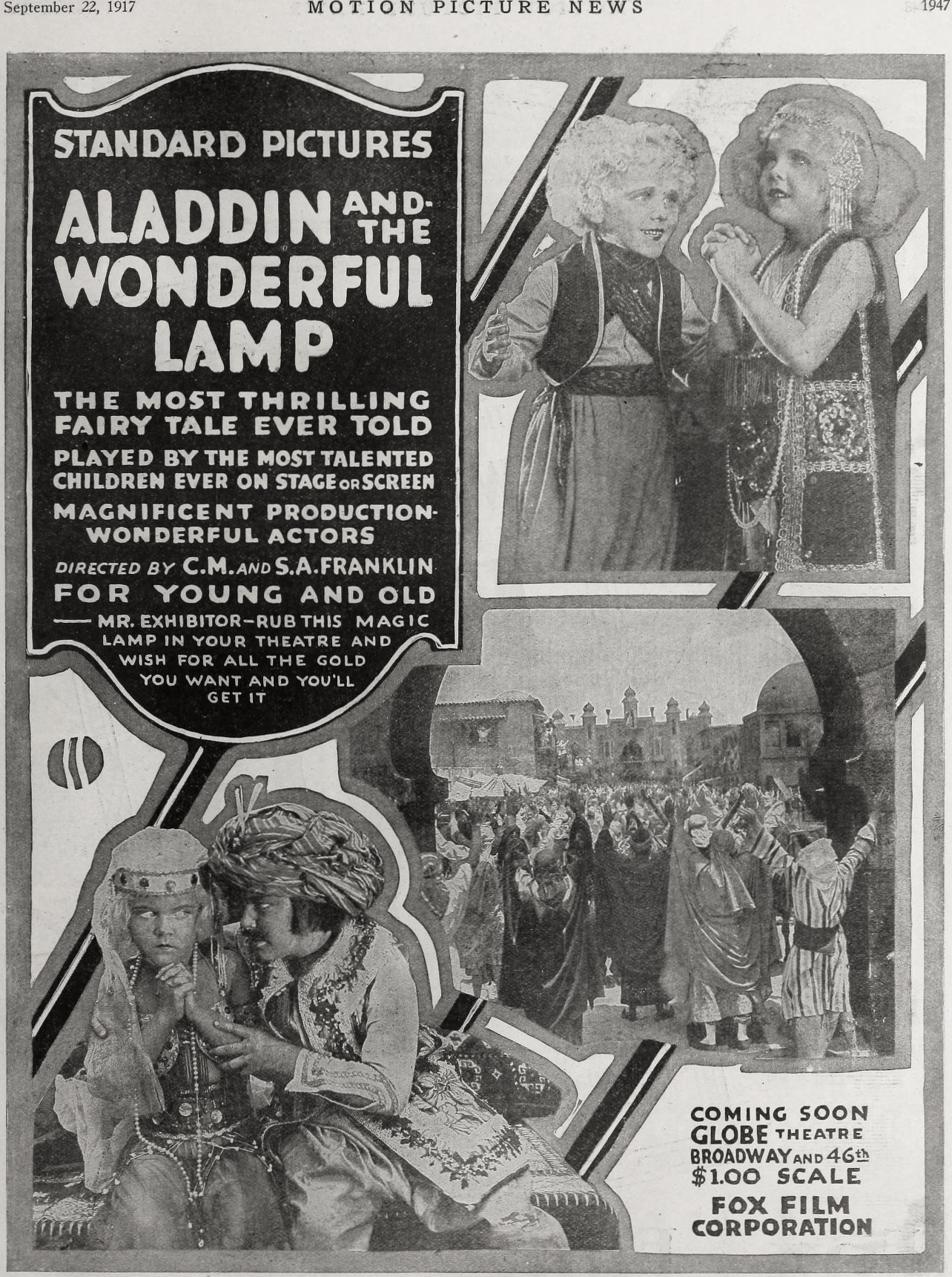
production_art
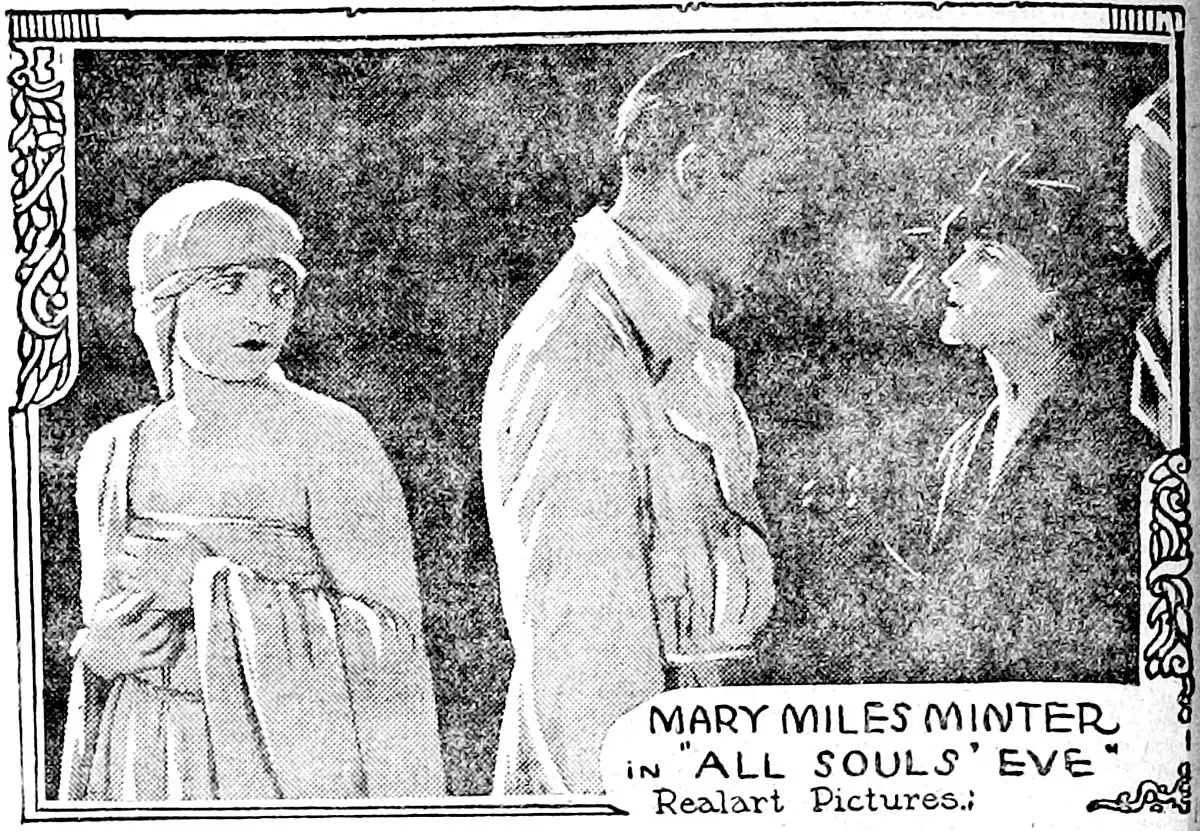
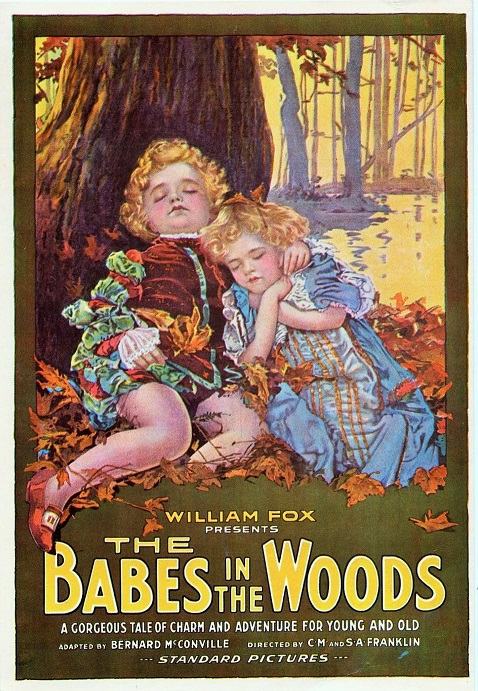
production_art
Comparing the cinematic DNA and archive impact of two defining moments in cult history.
Chester M. Franklin
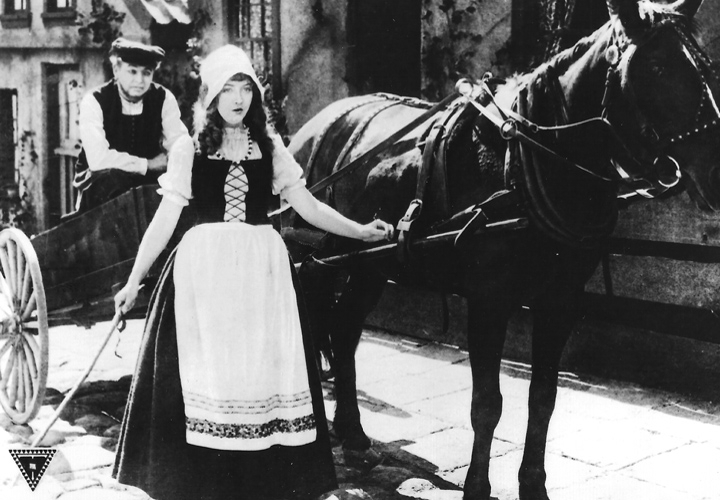
Chester M. Franklin
Community
Log in to comment.
" There are films you watch and films that watch you—All Souls’ Eve belongs to the latter coven. Released in the autumn of 1921, when the world still wore bandages from war and influenza, this spectral romance drapes its grief in lace so delicate you could mistake it for moonlight until it leaves burn marks on your wrists. Jack Holt’s Roger Heath arrives like a man who has already been embalmed by sorrow: cheekbones sharp enough to cut the fog that perpetually loiters outside his studio, eyes t..."
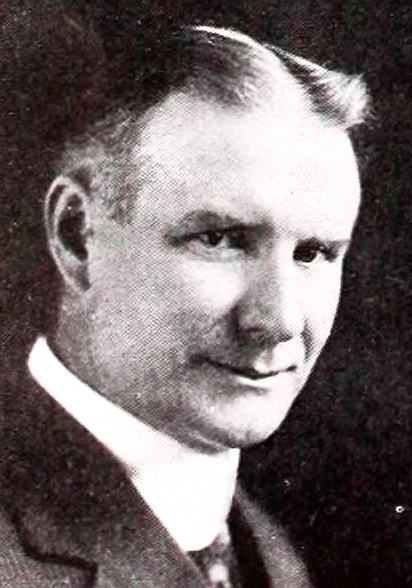
Clarence Geldert
Elmer Harris, Anne Crawford Flexner
United States
Deep dive into the cult classic
Discover similar cinematic experiences
A Directorial Spotlight on Chester M. Franklin