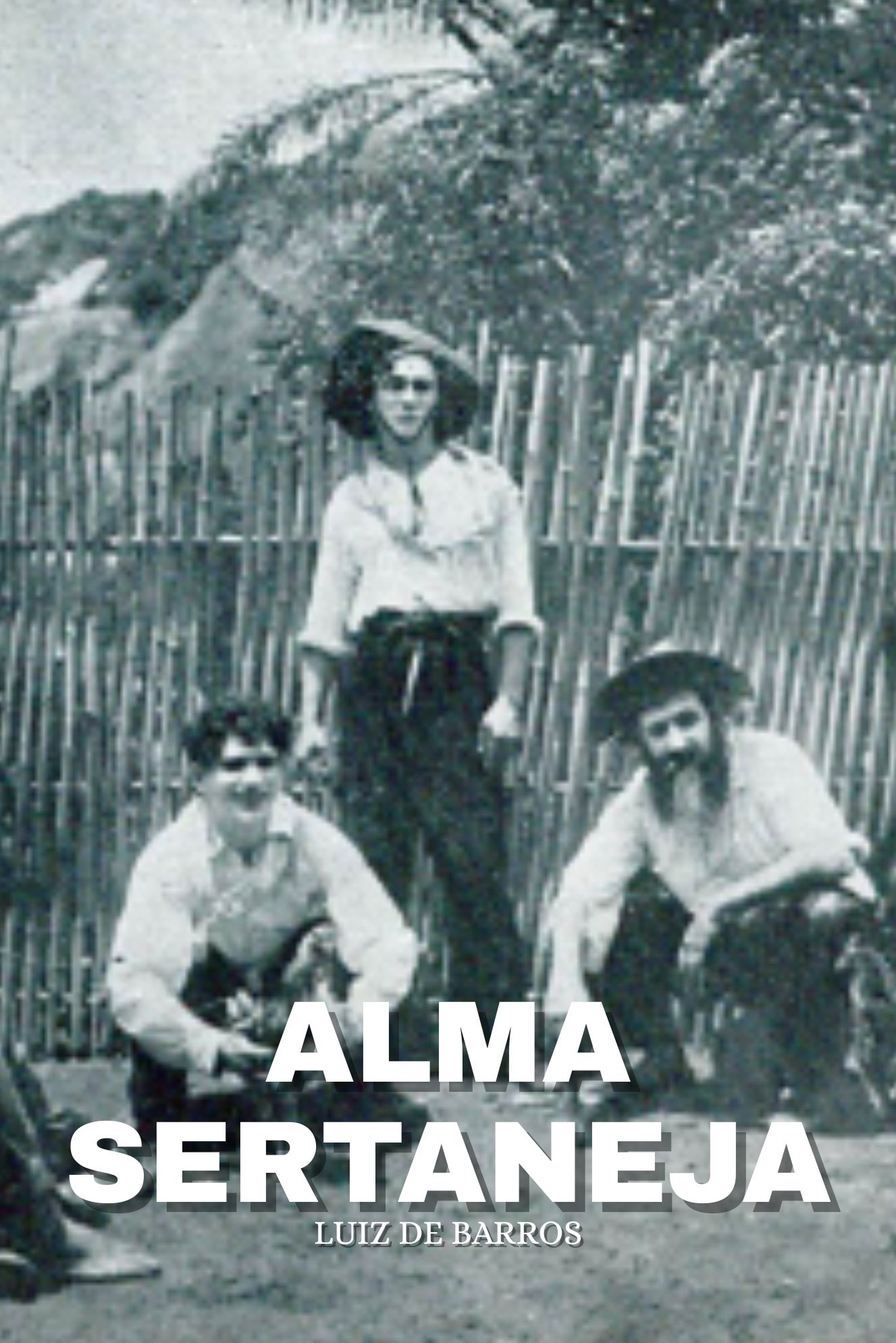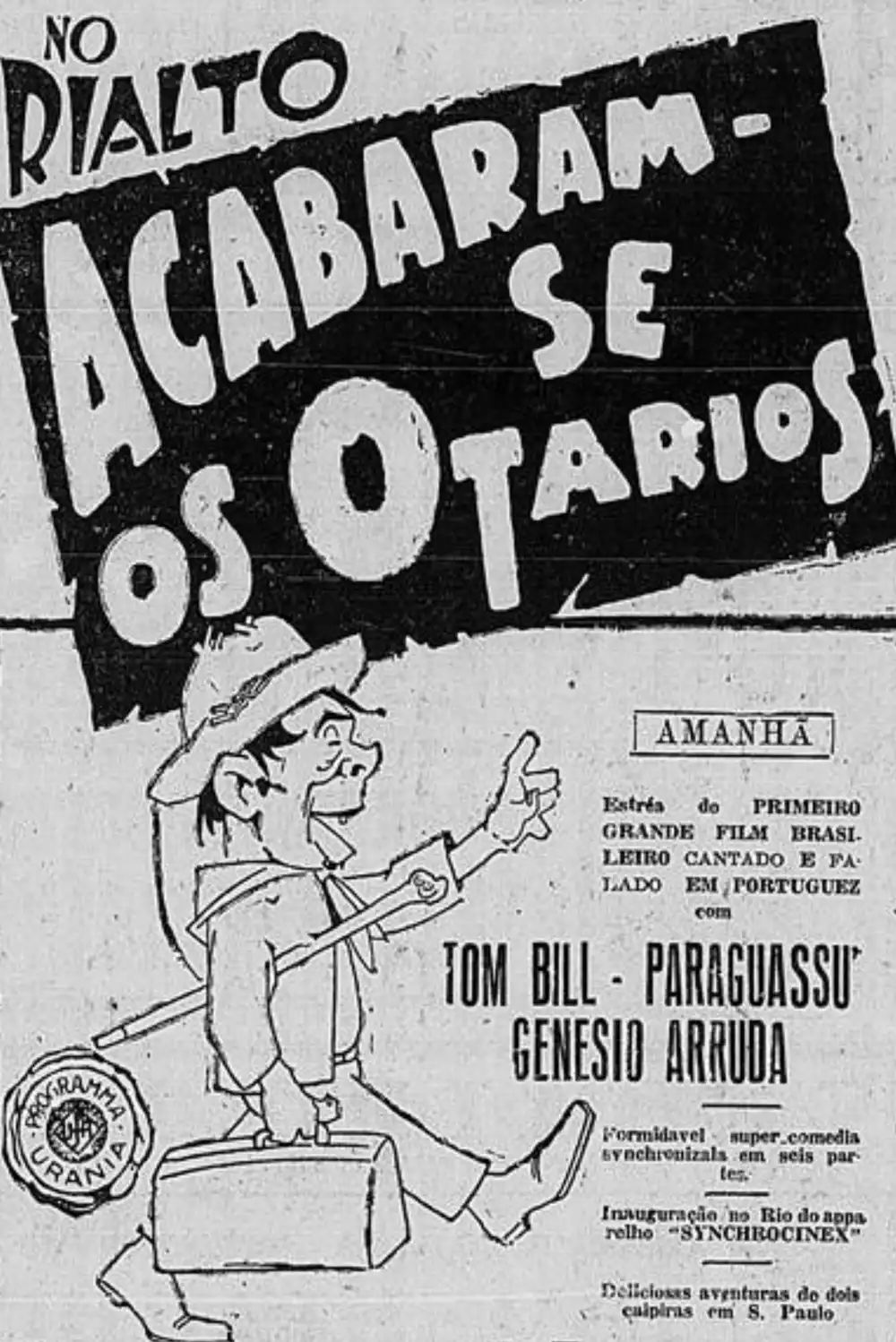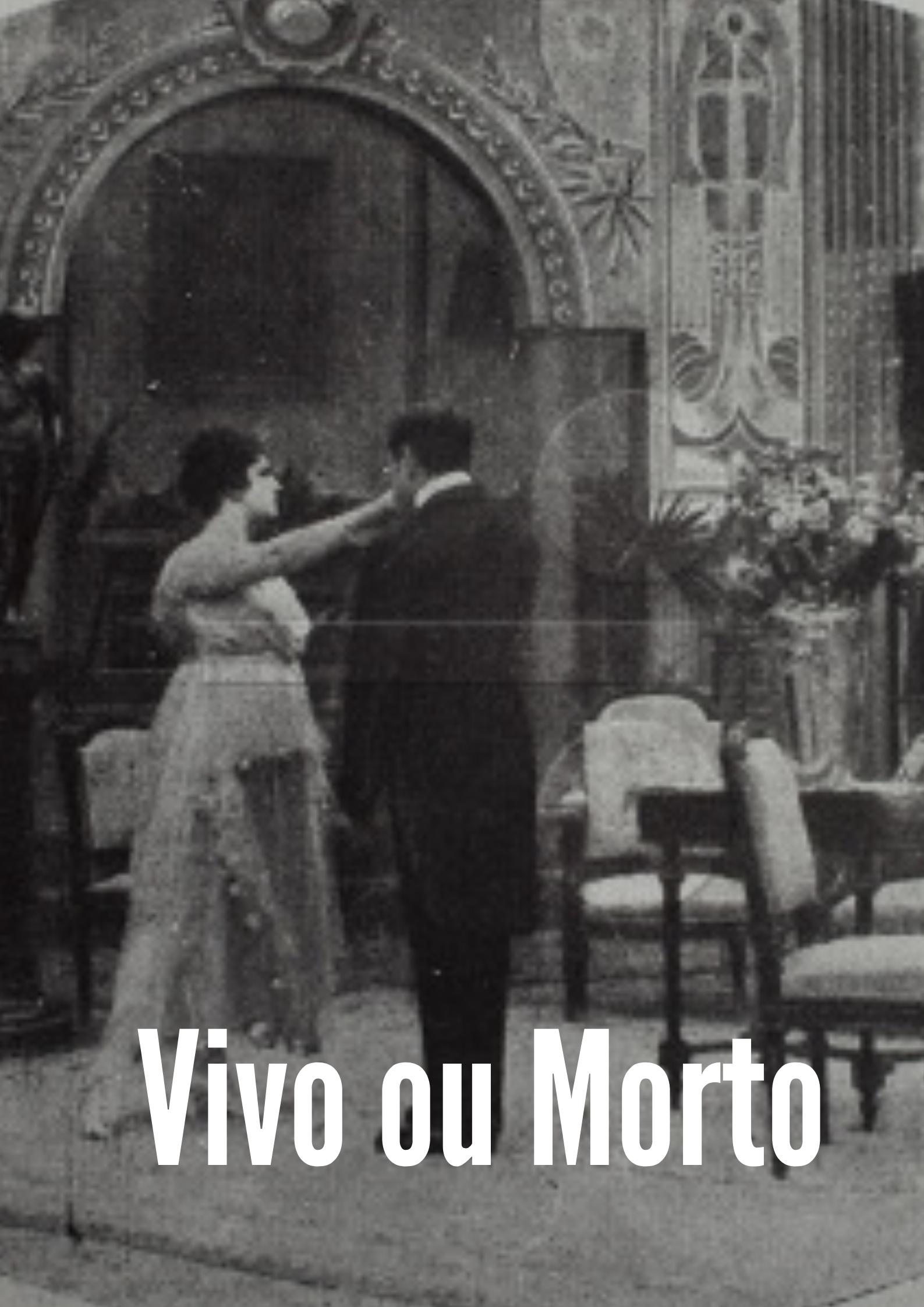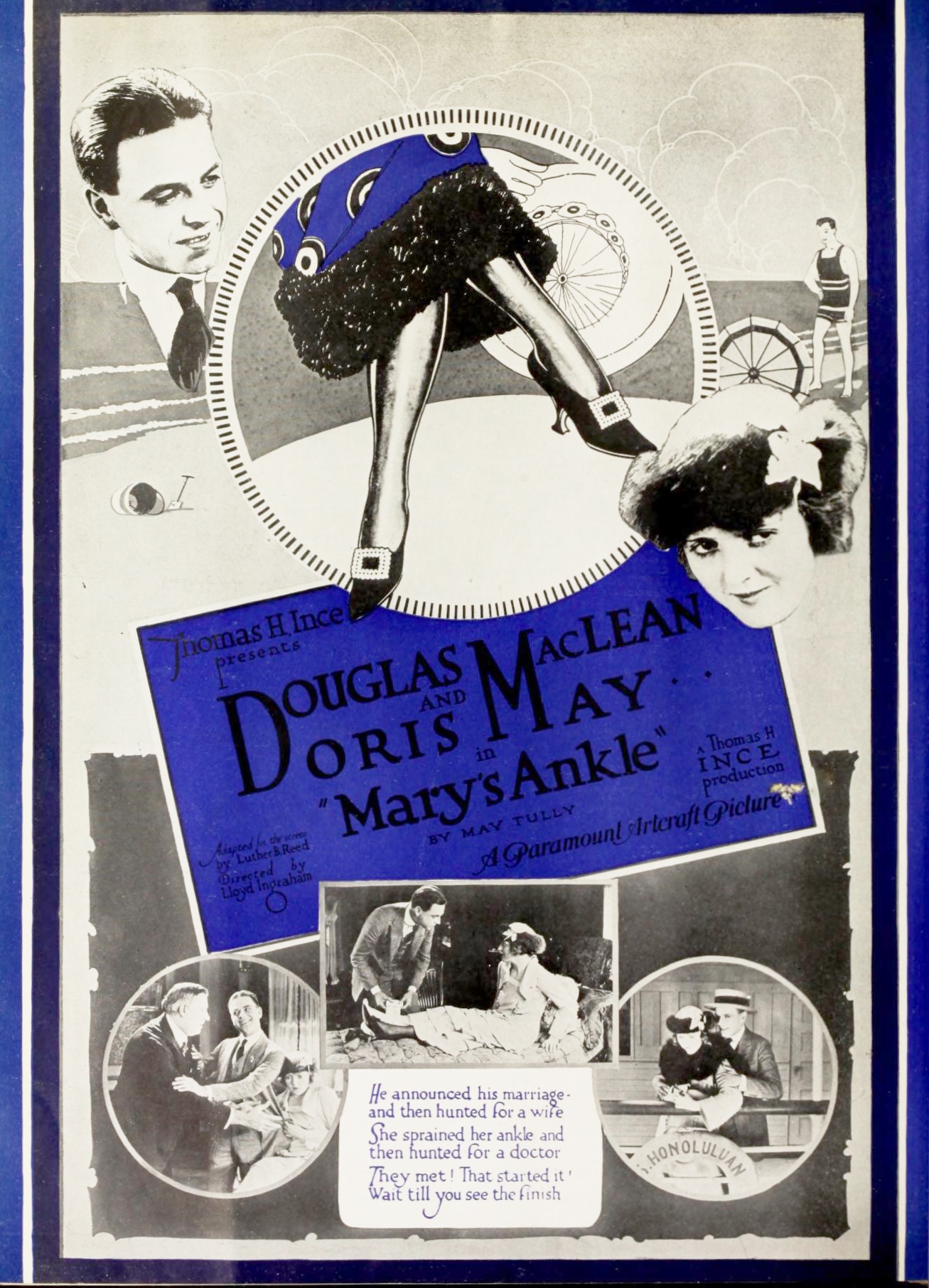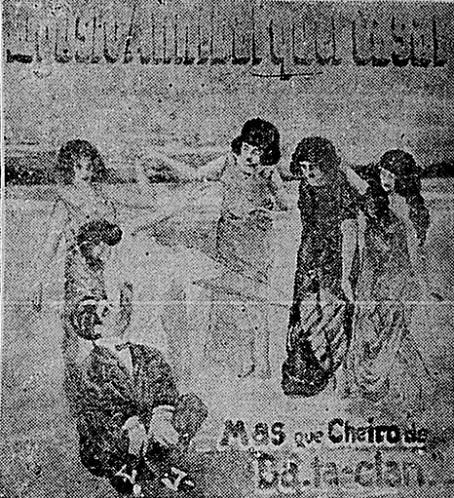
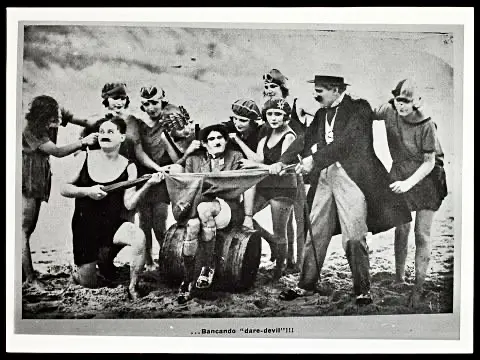
To traverse the history of Brazilian cinema without pausing at the altar of Augusto Aníbal Quer Casar is to ignore the very foundation of the nation's comedic vernacular. Released in 1923, this work by Luiz de Barros represents a pivotal moment where the theatricality of the circus and the vaudevillian stage met the bu...

publicity
publicity

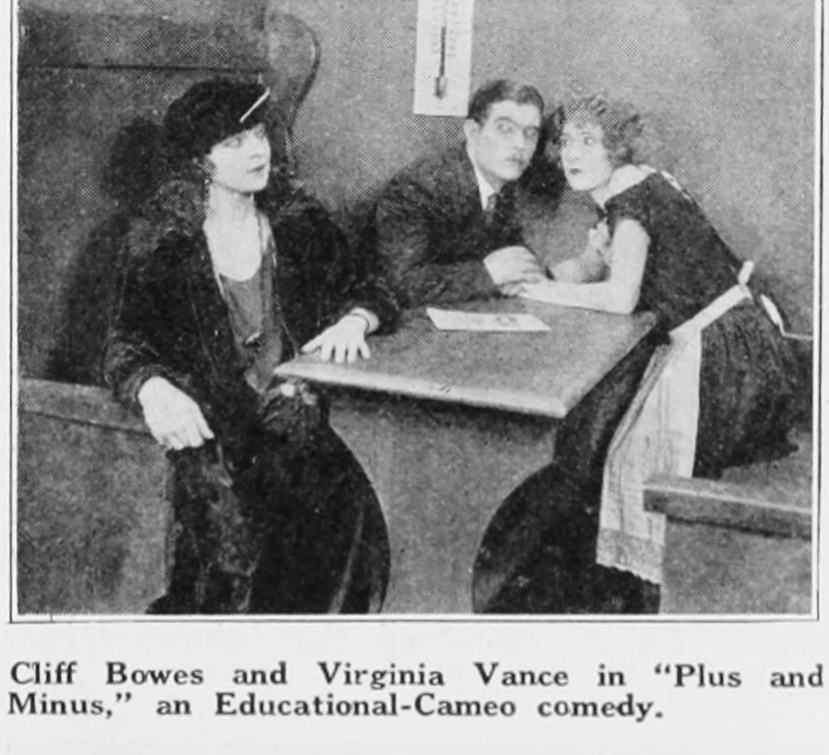
Comparing the cinematic DNA and archive impact of two defining moments in cult history.
Luiz de Barros
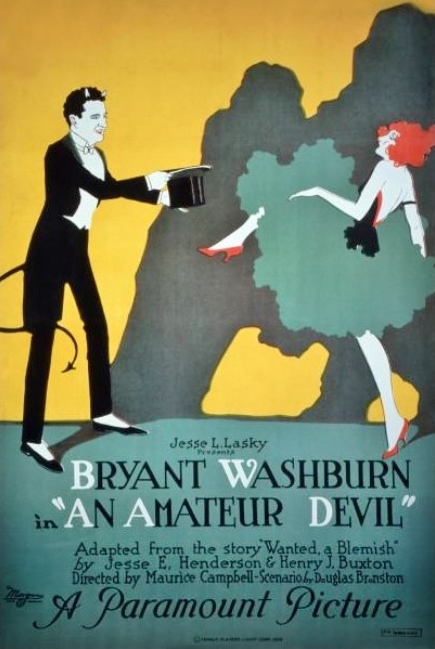
Maurice Campbell
Community
Log in to comment.
"To traverse the history of Brazilian cinema without pausing at the altar of Augusto Aníbal Quer Casar is to ignore the very foundation of the nation's comedic vernacular. Released in 1923, this work by Luiz de Barros represents a pivotal moment where the theatricality of the circus and the vaudevillian stage met the burgeoning possibilities of the celluloid medium. It is an effervescent, albeit chaotic, exploration of desire, status, and the sheer absurdity of the human condition under the press..."
Barcklay
Vittorio Verga, Carlos Verga, Luiz de Barros
Brazil


Deep dive into the cult classic
Discover similar cinematic experiences
A Directorial Spotlight on Luiz de Barros