Summary
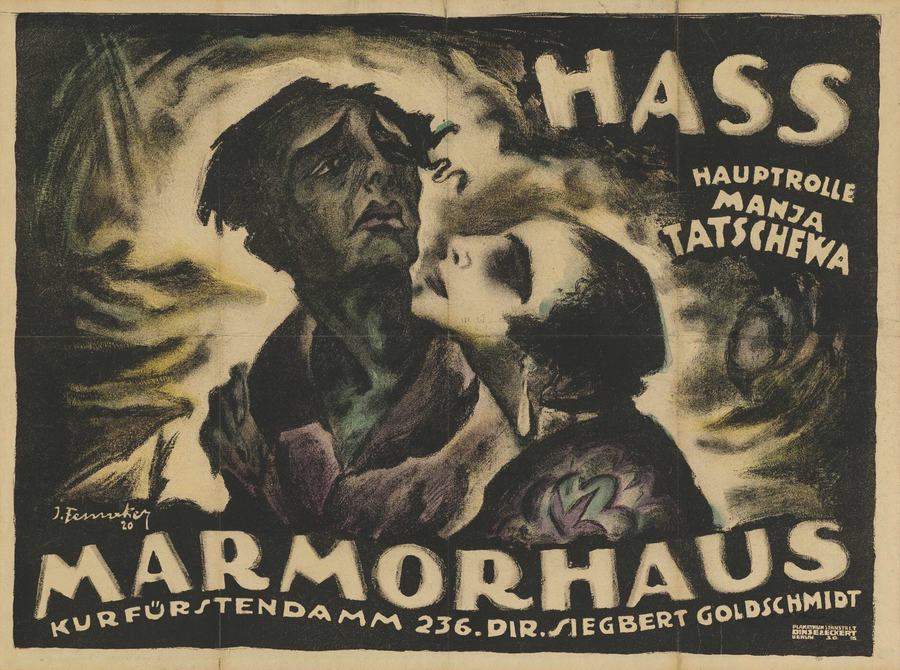
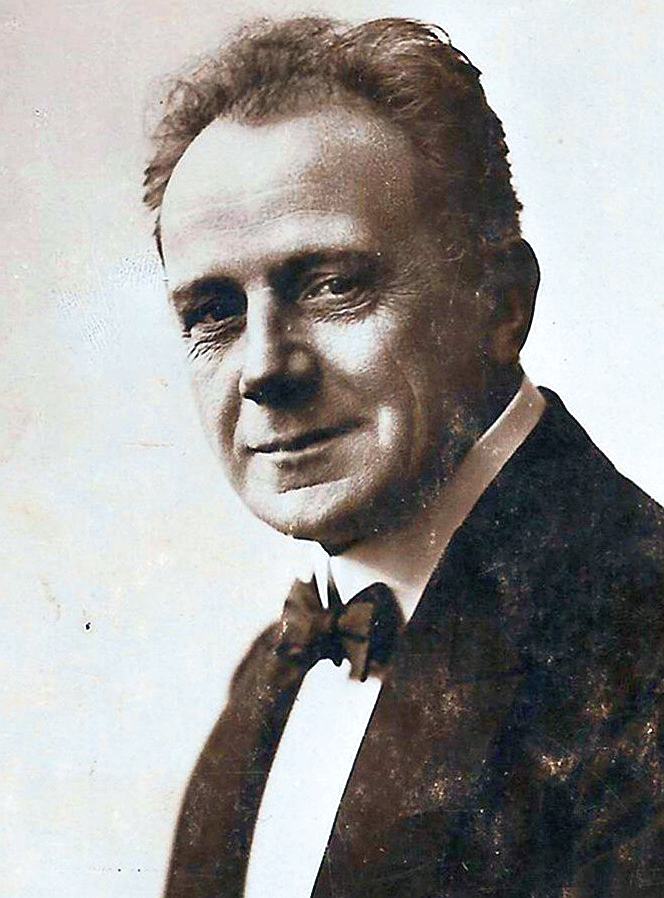
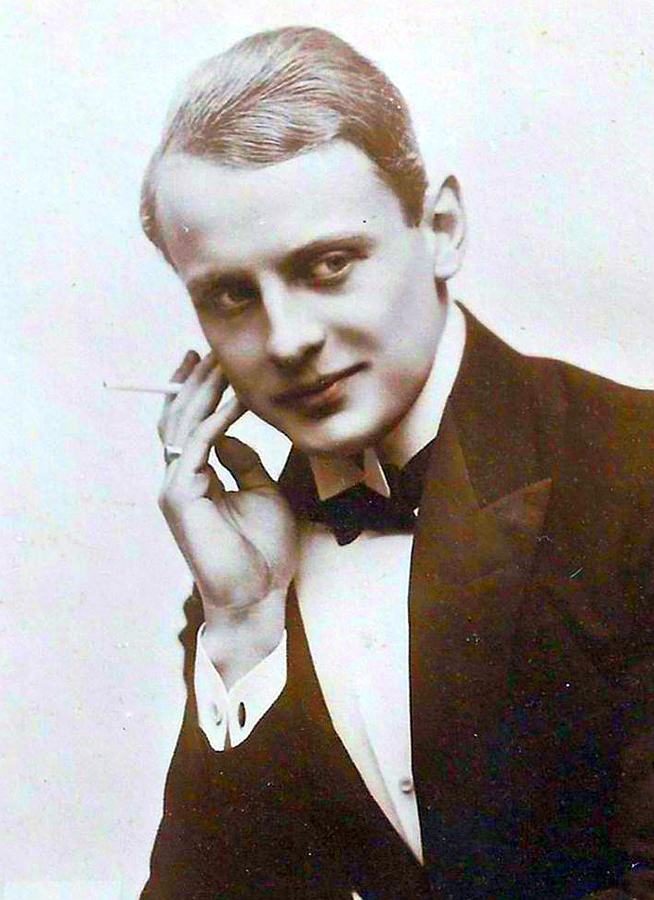
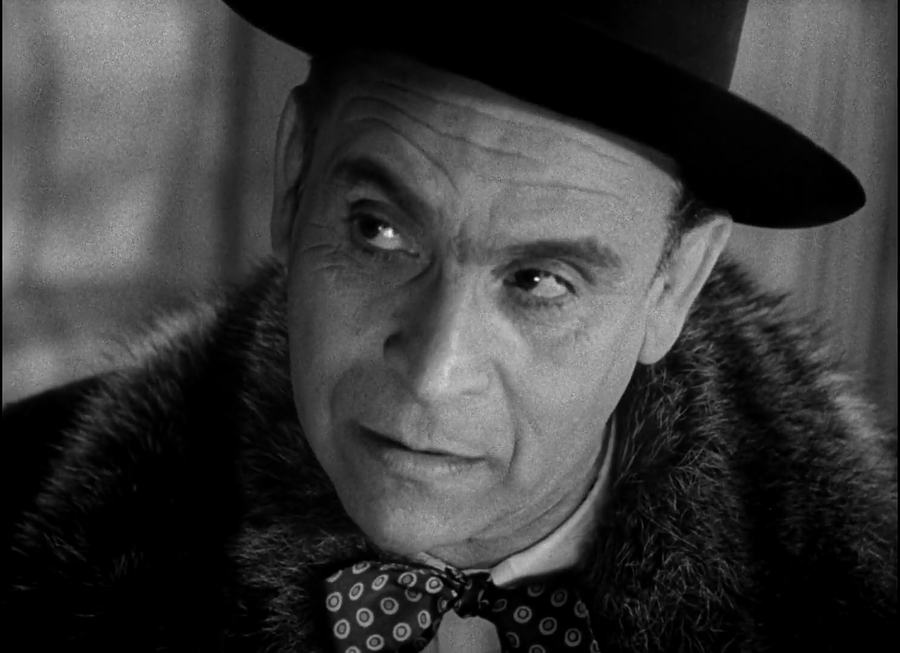
Berlin, winter 1919: a city still exhaling gunpowder. Margarete-Maria Langen’s scenario stitches together shards of post-war psychosis into a fever-dream that never deigns to speak its own name. Rudolf Lettinger’s unnamed bureaucrat—gray temples, ink-stained cuticles—returns from the front with a suitcase full of trench maps and a throat that refuses to pronounce the word “home.” Every streetlamp flares like a mortar flash; every tram bell tolls like the last shot at Spicheren. Into this shell-shocked labyrinth drifts Ernst Deutsch as the Janus-faced carnival pitchman who sells “forgetting salts” from a velvet-lined valise: one pinch and the war evaporates, two and it returns as puppet-theater complete with papier-mâché corpses. Frida Richard’s war-widowed landlady knits scarves from unraveled telegram ribbons, convinced each stitch re-animates her fallen son; she rents the bureaucrat a room wallpapered with rejected peace treaties. Tzwetta Tzatschewa, a monochrome flapper who claims to have swallowed a searchlight, pirouettes through dive cellars demanding “a dance for every disappeared regiment.” Meanwhile Sent Mahesa’s colonial veteran—face lacquered in Weimar chiaroscuro—haunts the Spree’s frozen banks, dragging a disused railway signal that he rings whenever memory becomes unbearable. Langen’s script refuses causal chain; instead it accumulates scar-tissue vignettes. A children’s carousel spins to the clatter of machine-gun fire; a corset advertisement morphs into a field hospital sketch; a champagne saber re-emerges as a bone-saw in the bureaucrat’s nightmare. The turning point is not an event but an optical rupture: the bureaucrat discovers that the pitchman’s miracle powder is ground from the bones of unclaimed soldiers, a revelation rendered only by the sudden inversion of the celluloid itself—black becomes white, shadows bloom like phosphorus. Henri Peters-Arnolds appears briefly as a deaf archivist who sifts through confiscated love-letters, lip-reading the dead. Fritz Richard’s cameo—a one-legged accordionist—provides the film’s only diegetic score, squeezing out a lullaby that slows the footage to 14 fps, as if time itself were hemorrhaging. The climax is a danse macabre in an abandoned anatomical theater where every character wears a papier-mâché mask of their own pre-war face; as the bureaucrat tears off his mask he finds beneath it another mask, ad infinitum, until the film physically decays—Langen ordered the final reel printed on nitrate stock mixed with vinegar, so the emulsion bubbles, rots, and finally combusts in the projector gate, leaving the audience staring at white heat that feels suspiciously like forgiveness.
Review Excerpt
"
The first time I saw Haß it was via a 4K scan of a 28-minute nitrate fragment rescued from the Spree’s muddy floor; the second time it was in my skull at 3 a.m., projecting itself against the bedroom wall like a ghost that refuses evacuation. Margarete-Maria Langen’s 1919 fever-dream—never granted a censor’s number, never even premiered—belongs to that rare phylum of films that watch you back.
A Berlin That Never Existed, Except in Trauma
Langen, a dramaturg at the Kleist-Theater before the wa..."