Summary
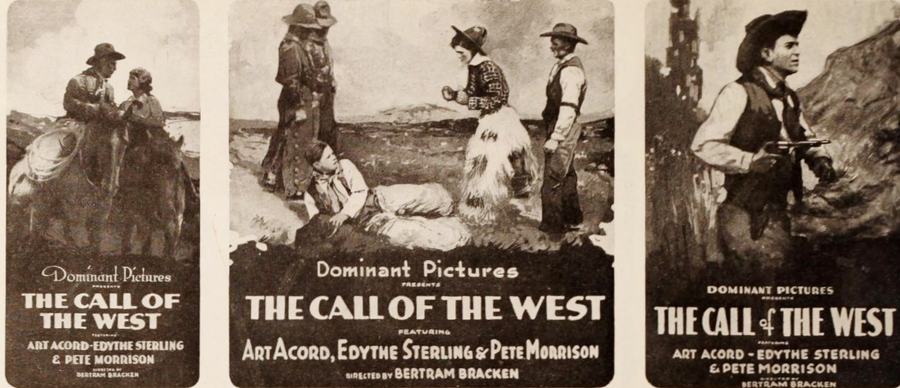
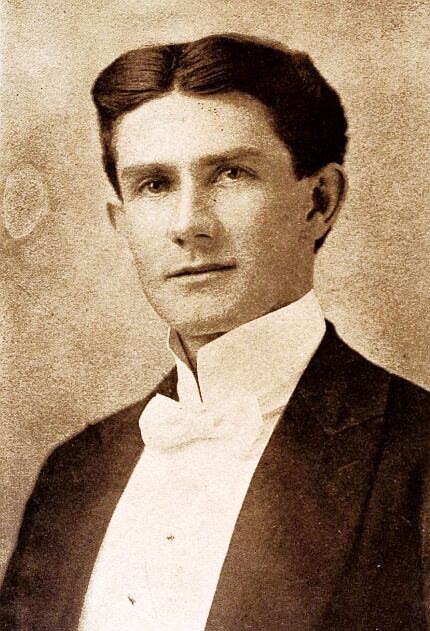
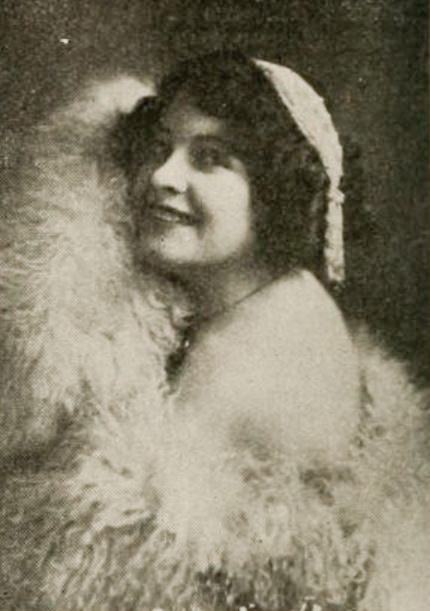
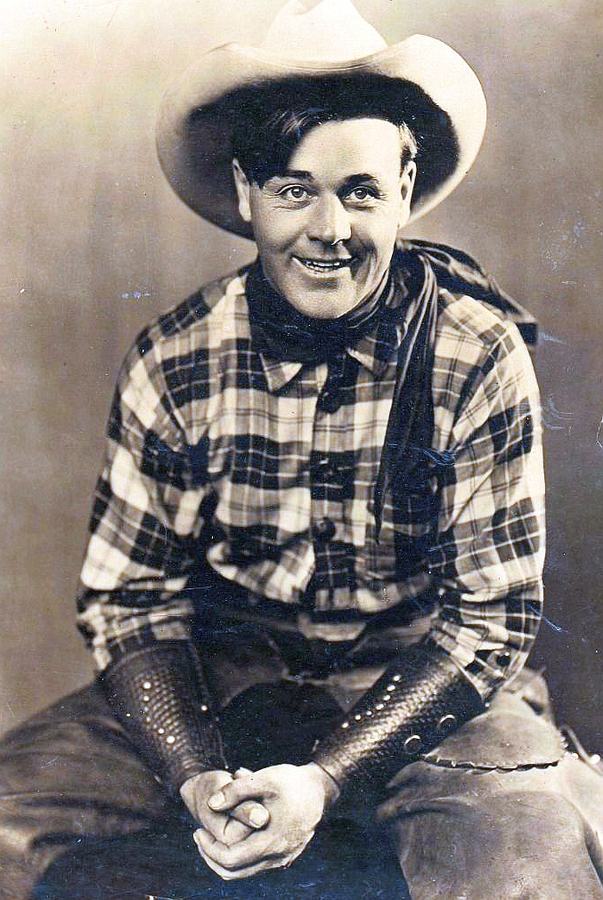
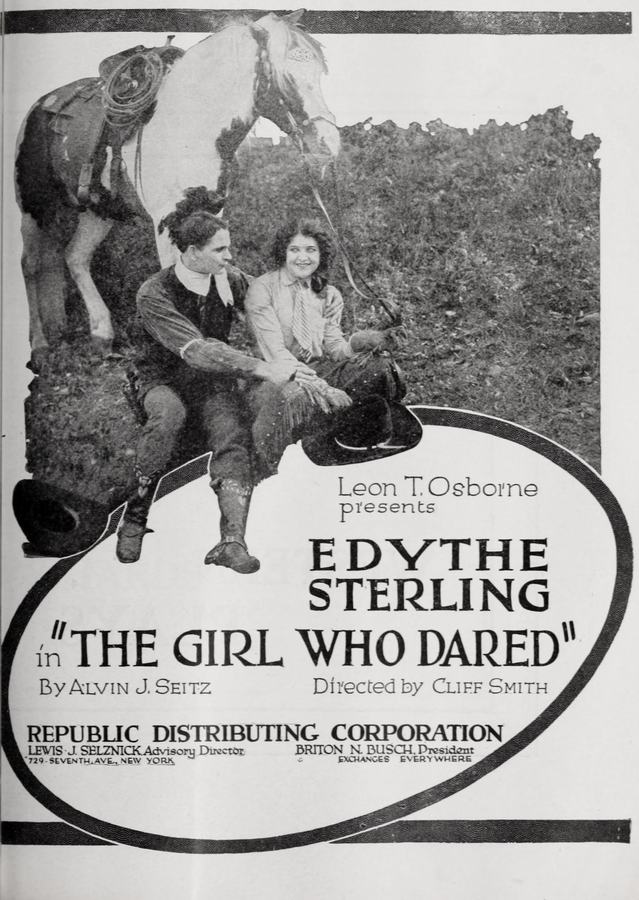
A lone rider, half-shadow and half-man, drifts out of the Mojave’s white glare into a nickelodeon dream of saloons, false-front churches, and railroad cuts that slice the continent like surgical scars. Pete Morrison’s silhouette—angular, almost cut from tin—leans against a sky so big it bruises itself purple. He carries a letter stained with desert dust and blood that is not his; inside it, a promise of land, a dead brother’s name, and the echo of a woman’s laugh that once slipped between canyon walls. Edythe Sterling appears first as a daguerreotype come alive: copper hair catching the sun like a struck match, eyes that have already seen the future and found it wanting. She is bound to a cattle baron whose brand is shaped like an ouroboros—property swallowing itself—yet her gaze keeps drifting to the stranger who rides a paint horse with mismatched eyes. Between them unfurls a map inked in moral greys: a stagecoach hold-up staged for insurance, a preacher who keeps a derringer in the hollowed-out Bible, a herd of longhorns driven not toward pasture but toward the slaughter of stock-market speculation. Art Acord’s stunt double somersaults off a cliff, but it is the screenplay that really leaps—into flashbacks rendered as hand-tinted nightmares, into iris-shots that shrink the world to the pupil of a gunfighter deciding whether to pull the trigger. The climax arrives inside a half-built courthouse where wind rattles the studs like broken piano wires; Morrison challenges the baron to a duel of deeds, not bullets, wagering his brother’s letter against every fenced acre. When the sun clocks out behind the buttes, the locomotive whistle becomes the film’s true verdict: progress itself on trial, steel wheels singing a requiem for open range. Fade-out leaves Sterling framed in a doorway, dress the color of dried blood, watching the rider vanish into a horizon that keeps rewriting its own ending.
Review Excerpt
"
The first thing that strikes you about Call of the West is the way it refuses to behave like a 1920 release. While Griffith was still coaxing melodrama off his sleeves and DeMille was powdering decadence into biblical epics, this obstinate little film slips through the cracks of history wearing spurs of modernity. Watch how the camera pushes toward Pete Morrison’s cracked-leather face rather than merely recording it—an aggressive intimacy that wouldn’t become fashionable until late-era Ford. T..."