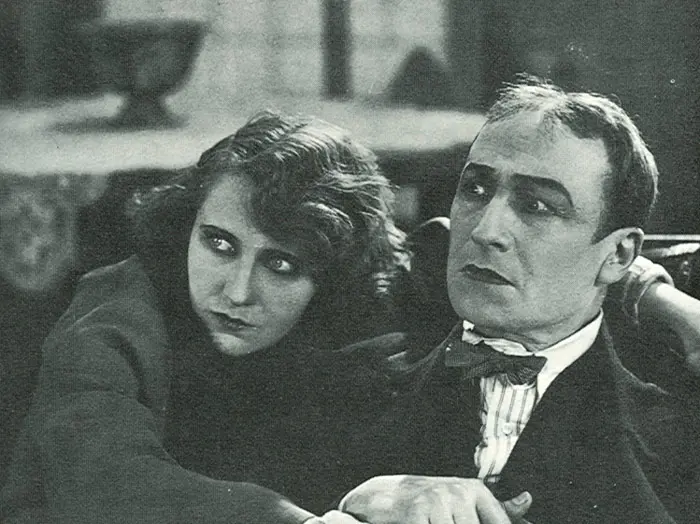
Lydia Borelli is divided in to 4 parts, the white carnival, the innocent and pure childhood, the blue carnival love and youth, the red carnival the violent and destructive passion, the black carnival, death and madness..
Lucio D'Ambra
Italy
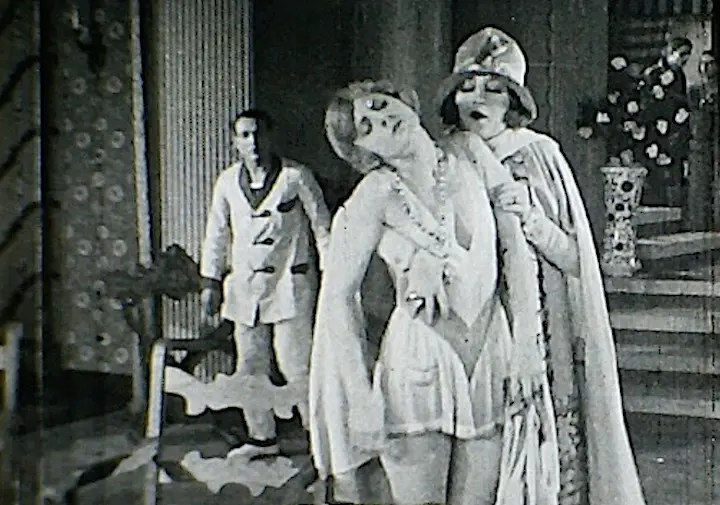
The cinematic landscape of the early 20th century, particularly within the fertile ground of Italian silent film, often yielded works of profound artistic ambition. Among these, Lucio D'Ambra's Carnevalesca emerges not merely as a motion picture but as a deeply resonant psychological ballet, a visual poem charting the ...
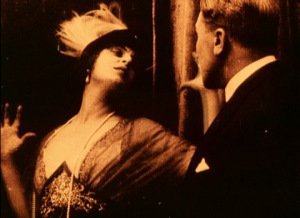
still_frame
Comparing the cinematic DNA and archive impact of two defining moments in cult history.
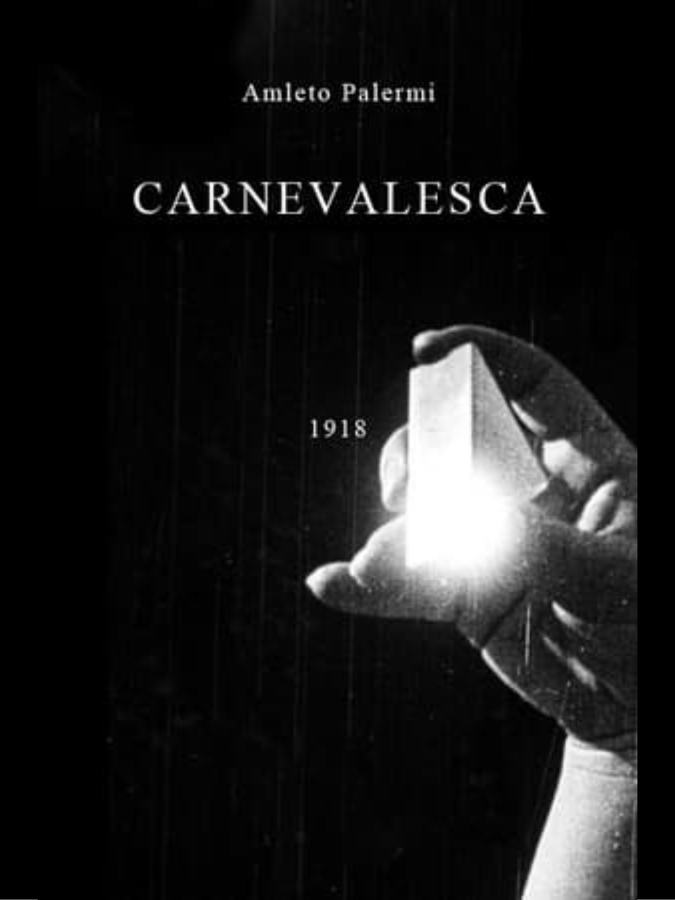
Amleto Palermi
Amleto Palermi
Community
Log in to comment.
"The cinematic landscape of the early 20th century, particularly within the fertile ground of Italian silent film, often yielded works of profound artistic ambition. Among these, Lucio D'Ambra's Carnevalesca emerges not merely as a motion picture but as a deeply resonant psychological ballet, a visual poem charting the tumultuous inner life of its protagonist, Lydia Borelli. This is not a film content with simple narrative progression; instead, it delves into the very essence of human experience ..."