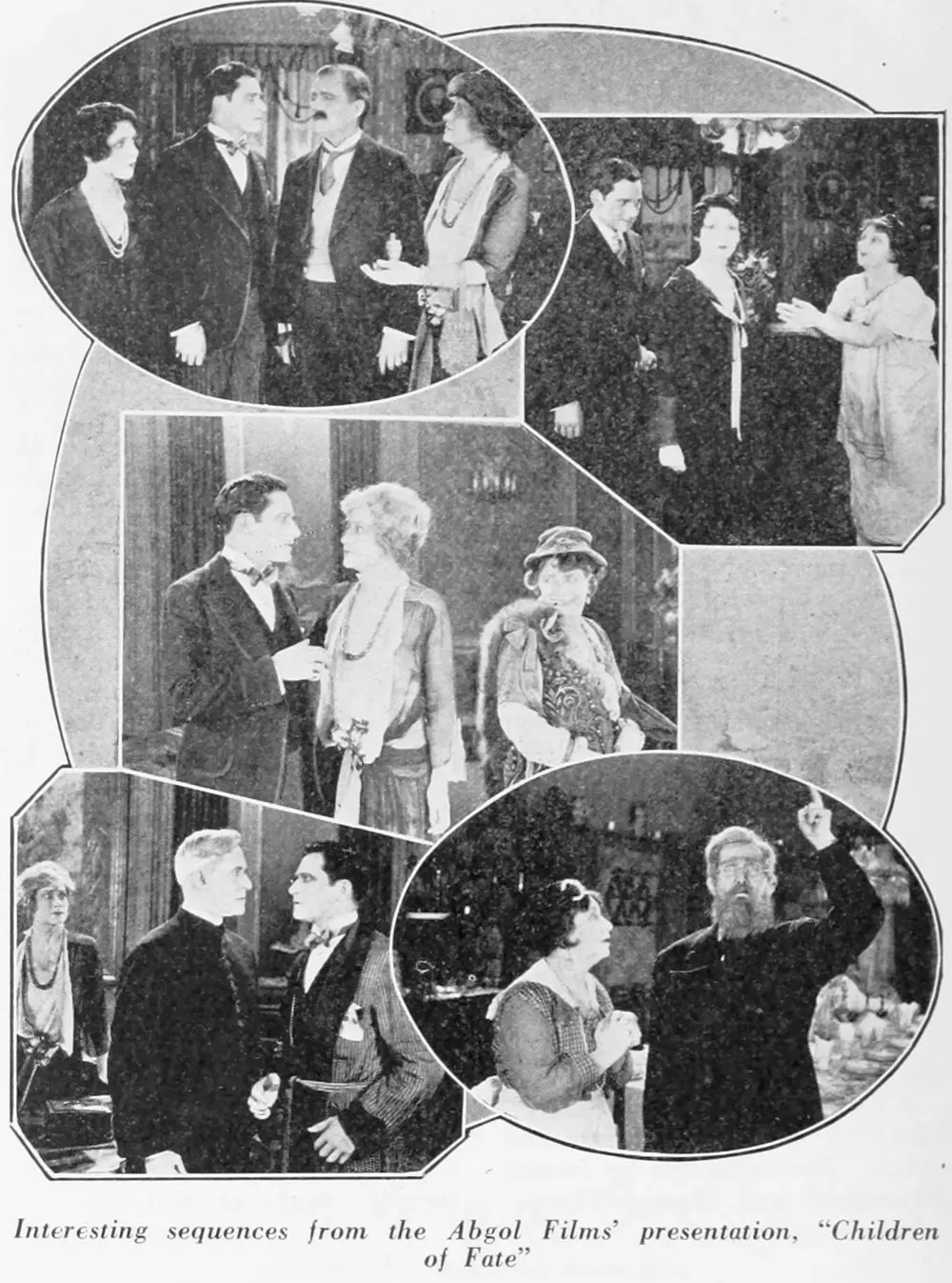
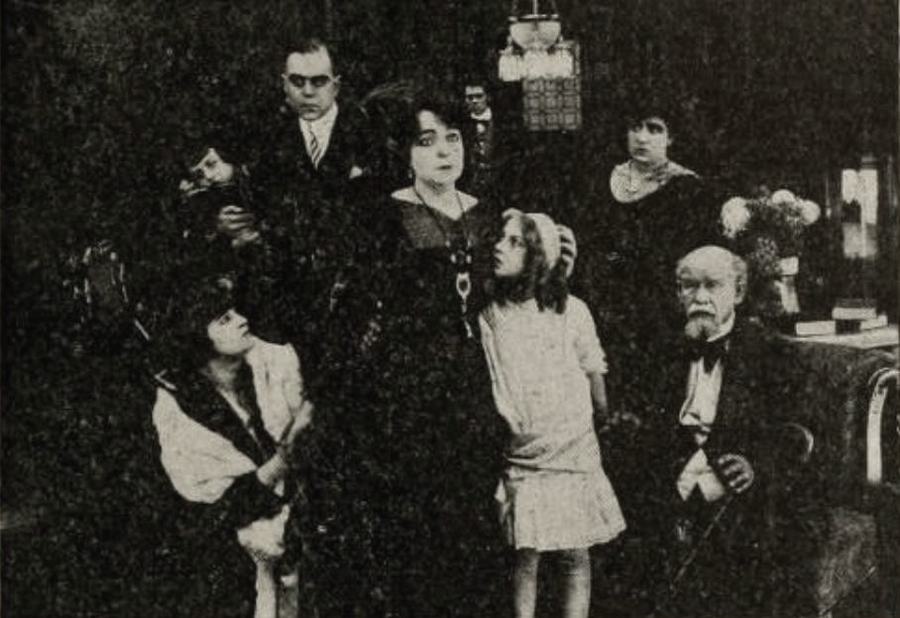
The daughter of a rabbi falls in love with a violinist. Her father, the rabbi, opposes the match because he is of another creed, and wishes her to marry a wealthy member of his congregation.

Is Children of Fate a must-watch for the modern cinephile? Short answer: No, unless you are a dedicated scholar of early ethnic representation or a silent film completist. While it offers a fascinating window into 1917 cultural anxieties, its narrative reliance on convenient coincidences makes it a tough sit for those ...
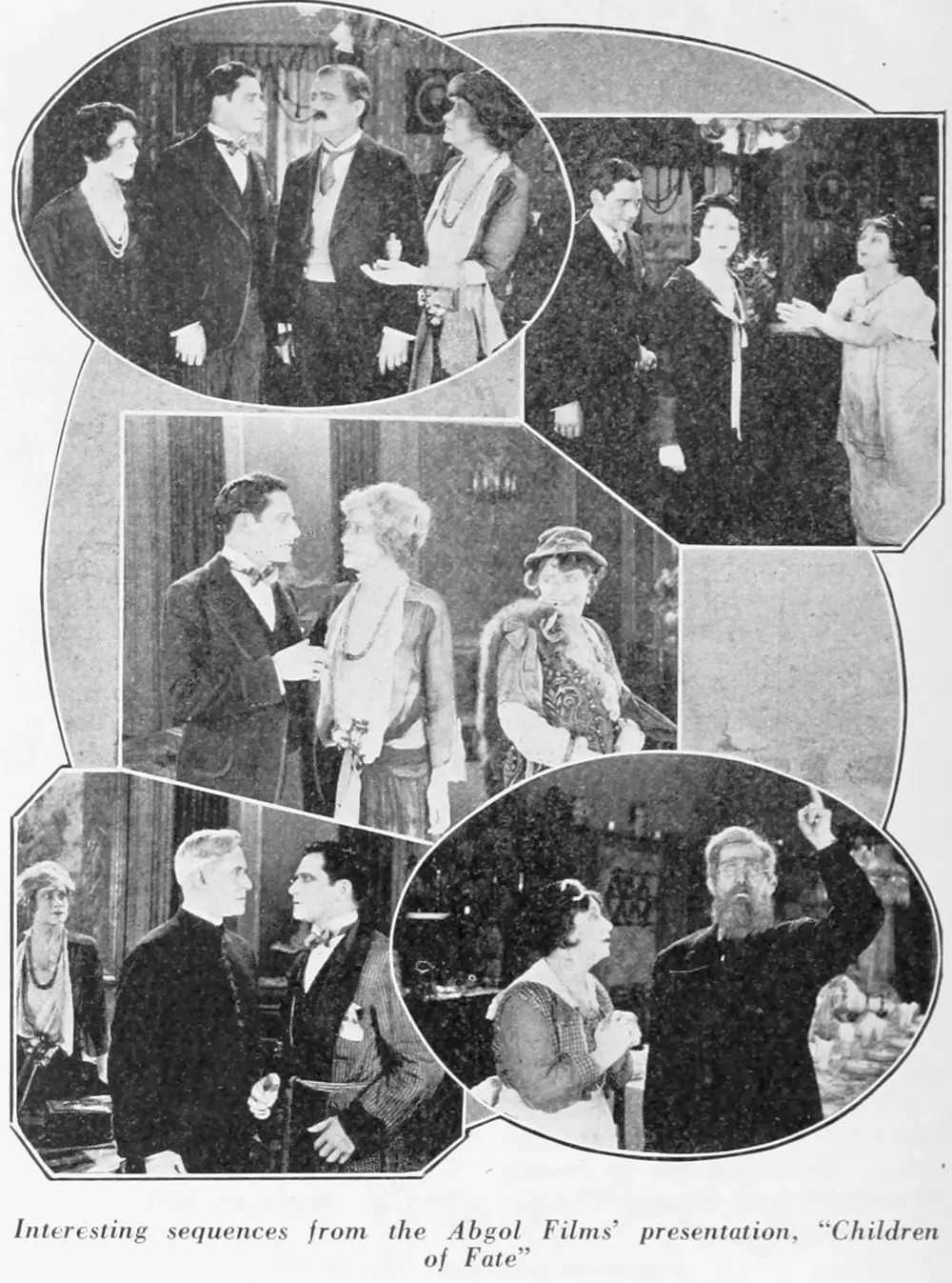
still_frame


Comparing the cinematic DNA and archive impact of two defining moments in cult history.
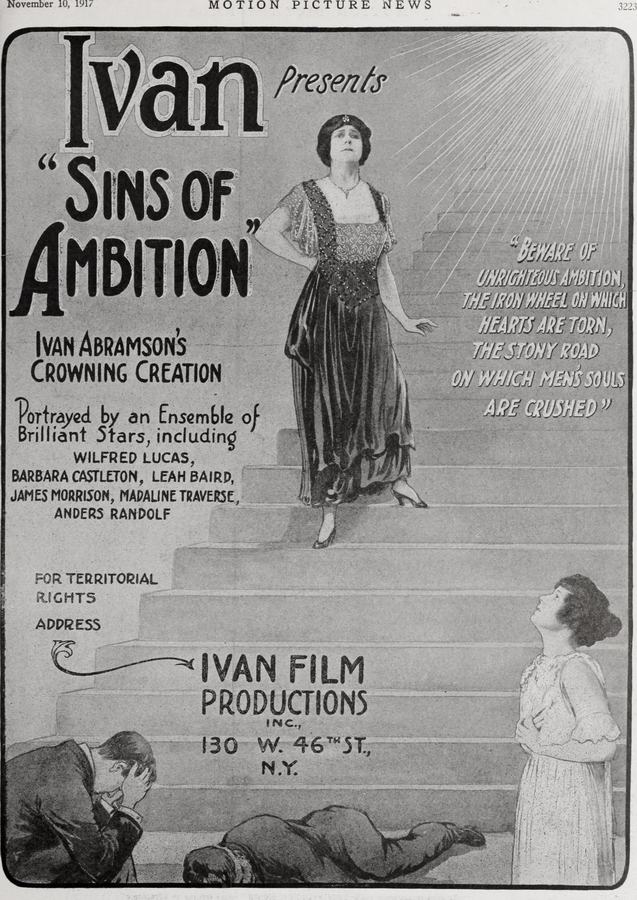
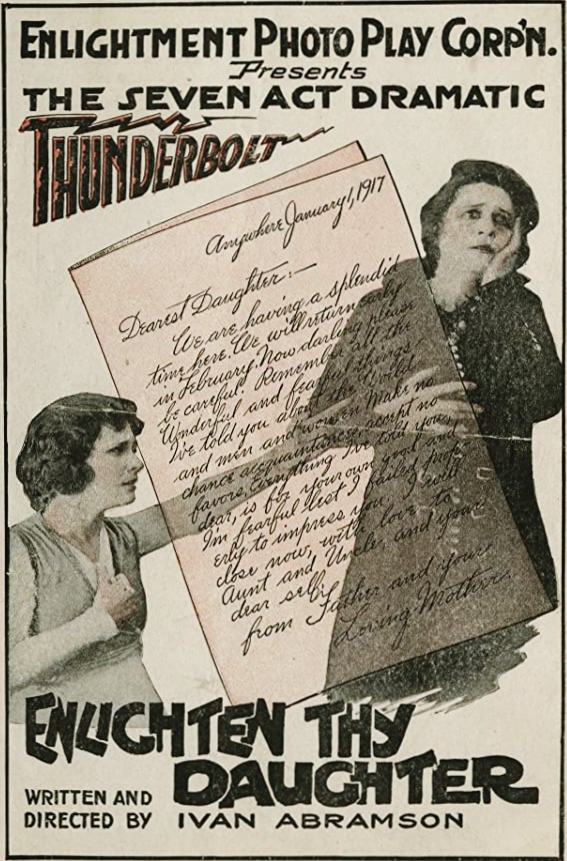
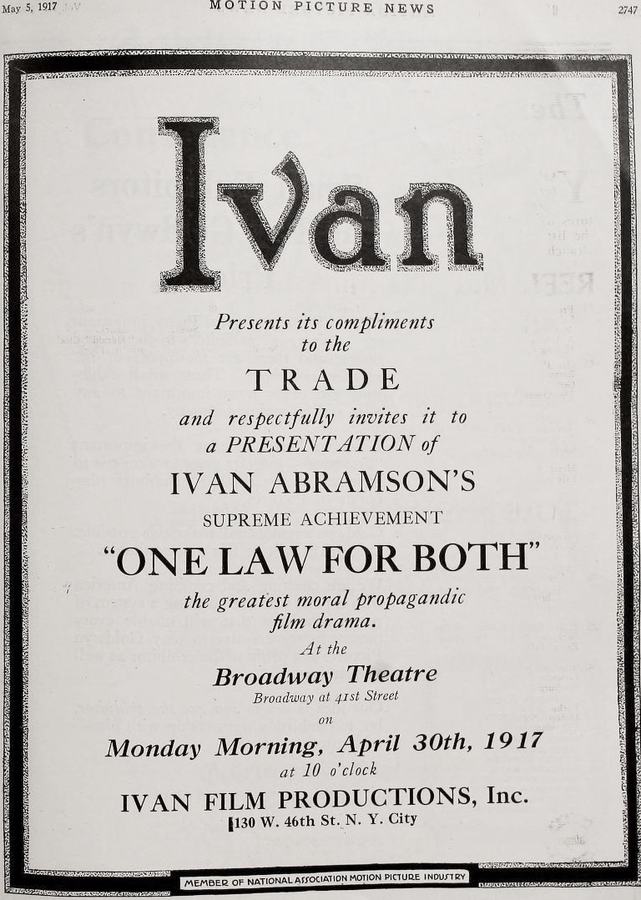
Ivan Abramson
Ivan Abramson
Community
Log in to comment.
"Is Children of Fate a must-watch for the modern cinephile? Short answer: No, unless you are a dedicated scholar of early ethnic representation or a silent film completist. While it offers a fascinating window into 1917 cultural anxieties, its narrative reliance on convenient coincidences makes it a tough sit for those accustomed to modern storytelling.This film is for historians of Jewish cinema and fans of early 20th-century melodrama. It is definitely not for anyone looking for nuanced charact..."

Charlotte Walker
Ivan Abramson
United States


Deep dive into the cult classic
Discover similar cinematic experiences
A Directorial Spotlight on Ivan Abramson