Summary
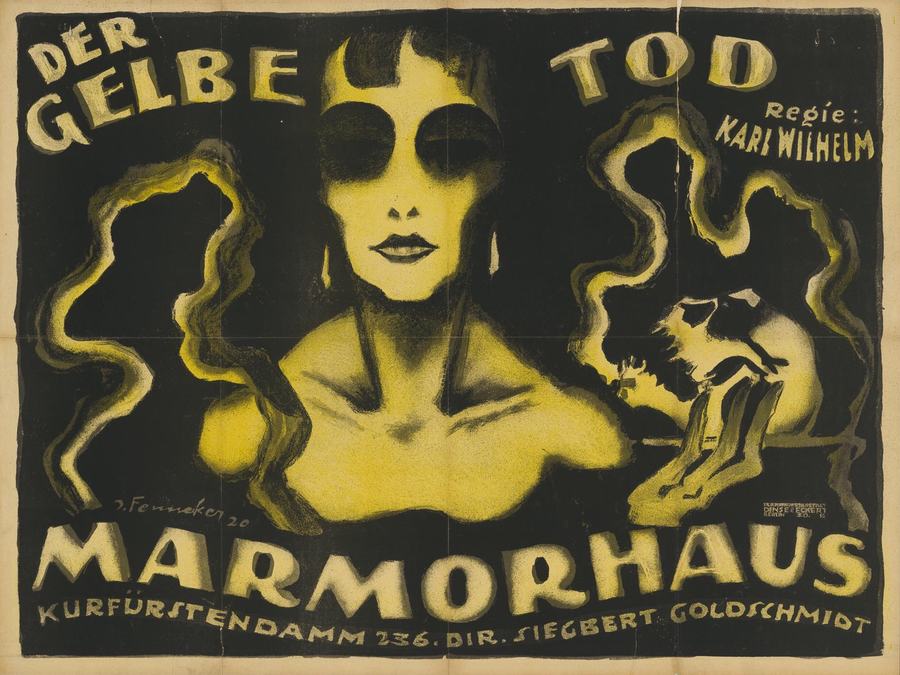
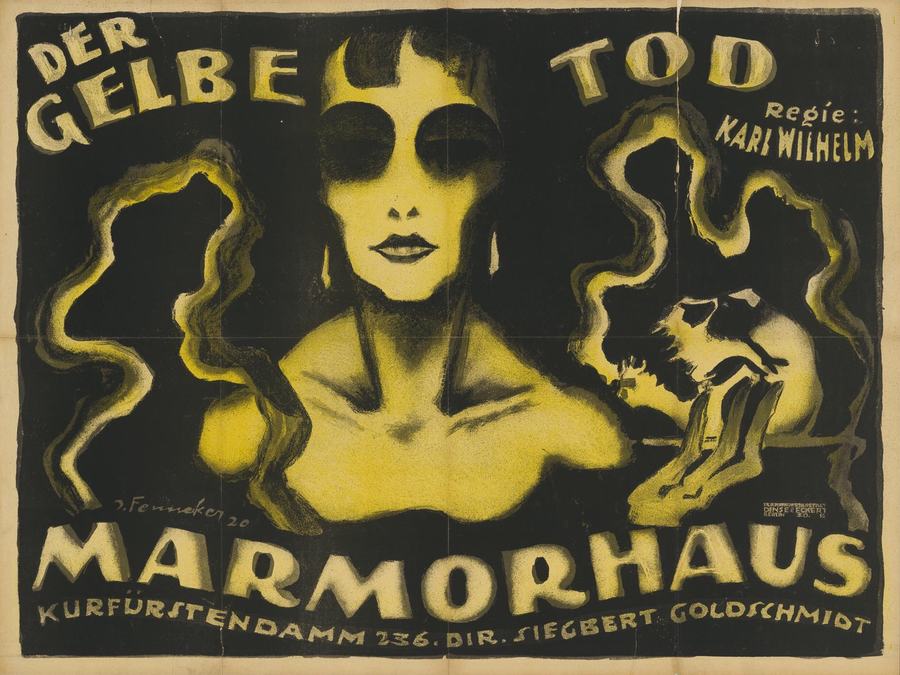
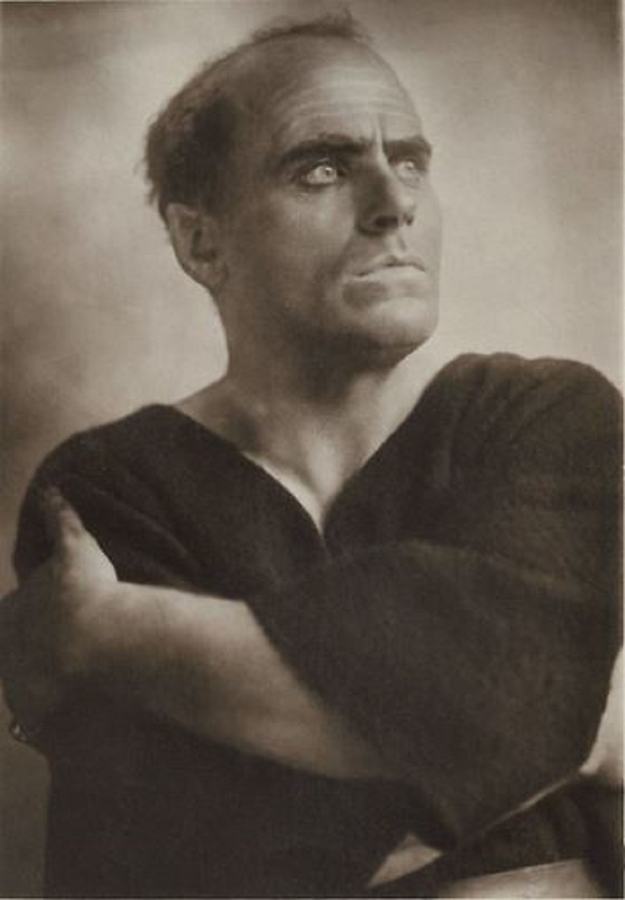
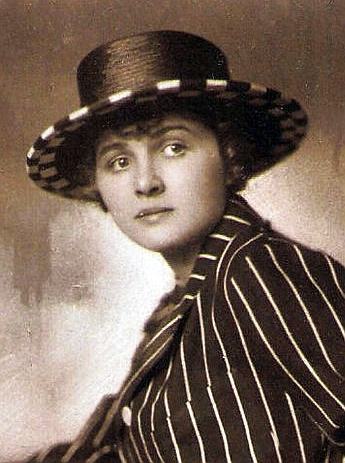
Berlin, winter 1921: a city still coughing up the soot of war and revolution. Neon signs sputter like faulty synapses while the Spree glimmers with the livid sheen of a fresh bruise. Into this feverish half-light drifts a rumor—Der gelbe Tod, a mythical cocaine of such volcanic purity that to inhale it is to glimpse your own autopsy in advance. Part II of the serial plunges us straight into the aftermath of a ballroom massacre: crystal chandeliers drip blood like sugared cherries, and the surviving revelers—bankers, demimondaines, occultists—scurry for the exits, pupils dilated into black suns. Gustav Adolf Semler’s Detective von Rohn, a man whose spine seems soldered from iron filings, stalks the corridors of the abandoned Palais Drosos, chasing phantoms that leave sulphur footprints across the parquet. Aenderly Lebius, gaunt as a consumptive poet, reprises the urbane poison baron Dr. Mabuse-like figure Dr. Miron Korff, here more puppet-master than pharmacist, coaxing the city’s elite to trade their last scruples for a thimble of saffron powder. Ernst Deutsch, all cheekbones and twitching eyelid, plays Korff’s double-agent secretary who furtively photographs ledgers by candlelight, while Hanne Brinkmann’s cabaret chanteuse Lola Wassermann—voice like a cracked gramophone record—belts out a torch song whose chorus is simply the chemical formula C17H21NO4, the audience howling it back at her like a prayer. Esther Hagan’s aristocratic addict Countess Irmgard von Stoltz glides through opium dens in a velvet wheelchair, pupils reflecting the flicker of a film projector that nobody remembers starting. Margot Boerbes’ street urchin turned courier, Liesl, sprints across rooflines with a satchel of yellow vials strapped to her chest like a bomb that could detonate morality itself. The plot coils through séance parlors where Rosa Valetti’s cigar-puffing medium commands the dead to reveal safe combinations, and into the Reichstag corridors where Wilhelm Prager’s morphine-addicted deputy whispers that the next shipment will arrive inside the hollowed-out stomach of a polar bear at the Zoo. Guido Herzfeld’s portly police commissioner, half-blinded by glaucoma, mistakes every shadow for an assassin and fires his revolver at chandeliers, showering dancers with glass shrapnel that looks like frozen yellow hail. Olga Limburg’s monochrome close-ups—shot through a prism smeared with iodine—turn every tear into a comet. The narrative climaxes aboard a zeppelin drifting above the city at dawn: Korff plans to aerosolize the drug over Berlin, baptizing the metropolis in a golden monsoon of addiction. Von Rohn, disguised as a stoker, confronts him in the catwalk lattice; their struggle is lit only by the flicker of the airship’s red running lights, so faces flash in and out of visibility like guilty consciences. When the dirigible explodes, the blast dyes the clouds a lurid amber, and snowflakes of crystallized cocaine drift down on wedding parties and bread queues alike, a narcotic benediction. The final shot—an iris-in on Liesl catching a flake on her tongue—leaves us suspended between innocence and damnation, the city’s pulse syncing to a metronome of craving.
Review Excerpt
"
The first thing that strikes you in Der gelbe Tod, 2. Teil is the color yellow—not the cheery daffodil sort, but the bile-tinged hue of old medical textbooks left to molder. Directors of photography Rudolf Klein-Rhoden and Fred Juncker saturate every frame with it: gaslight halos, cocaine granules, even the sickly moon that hovers above the Brandenburg Gate like a voyeuristic coin. This isn’t merely a sequel; it’s a symphonic relapse, a city-state’s collective comedown rendered in stark monoch..."