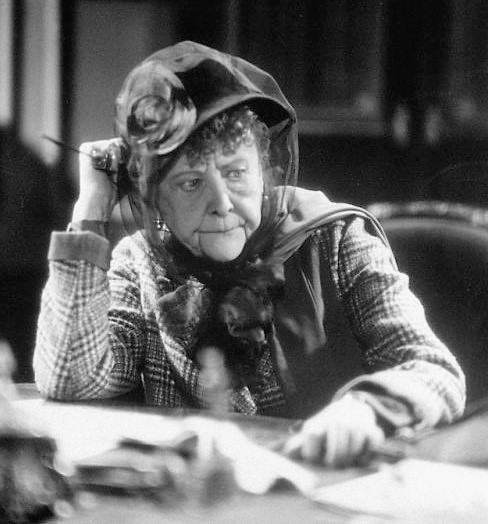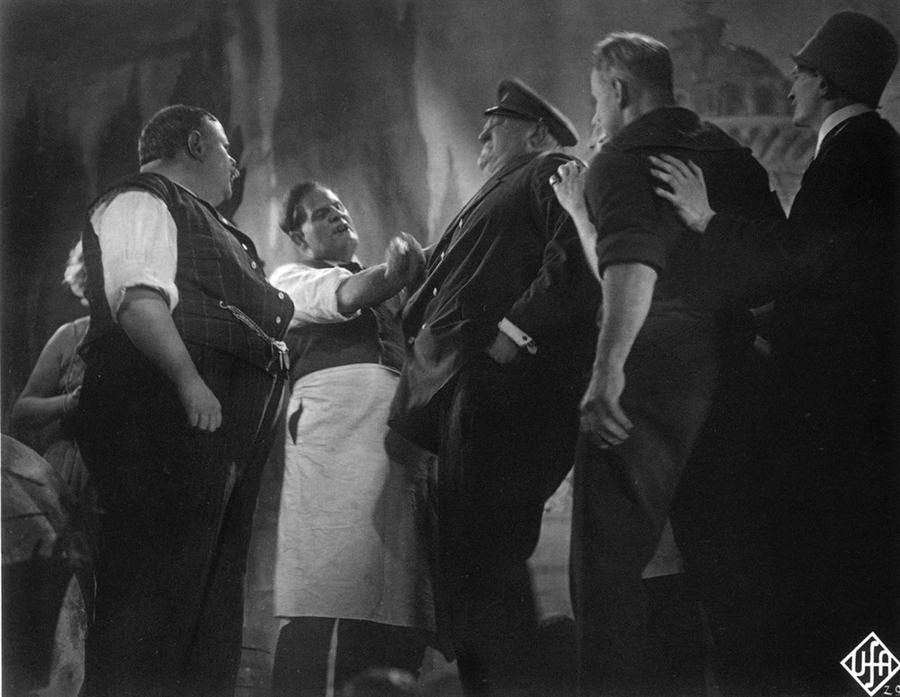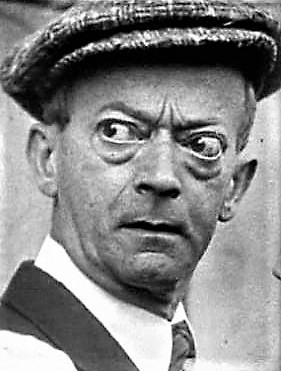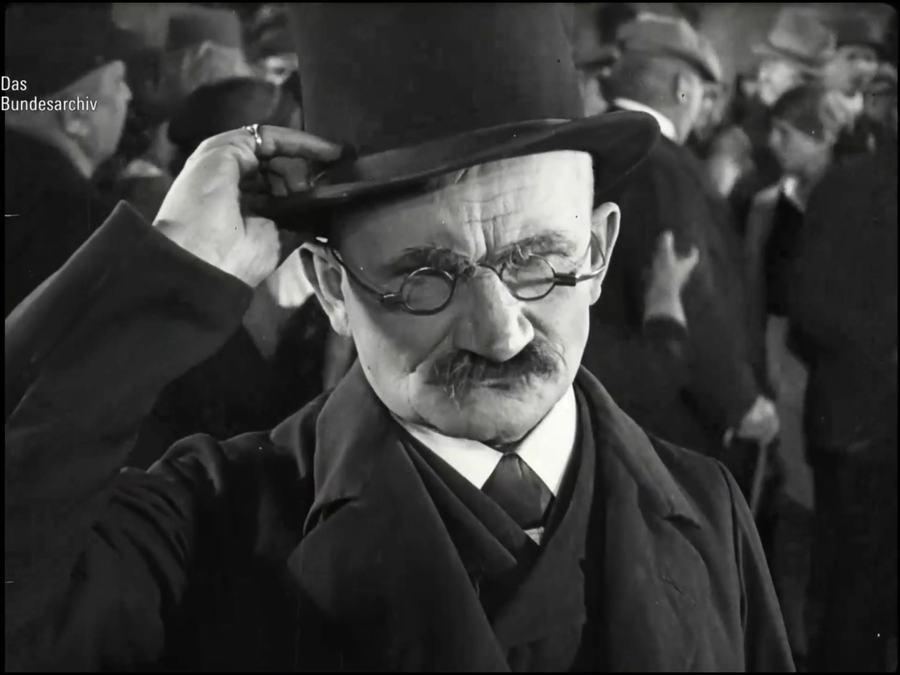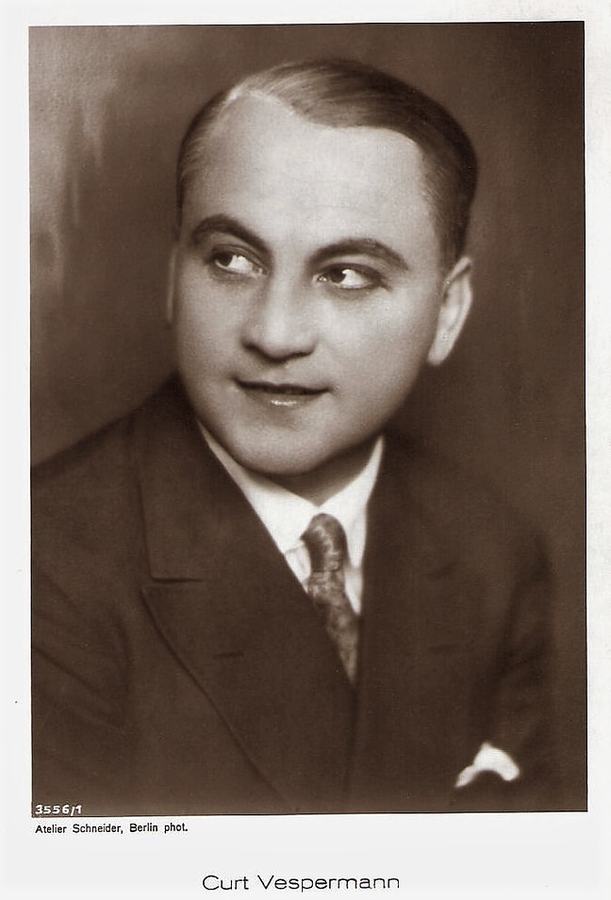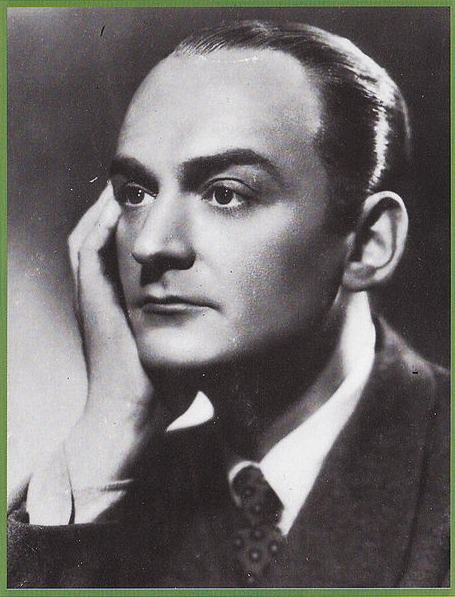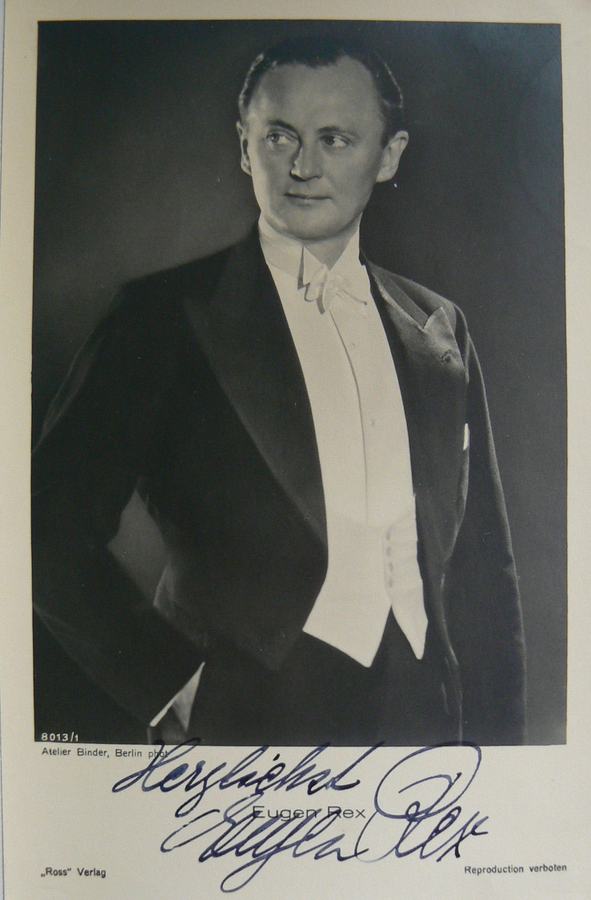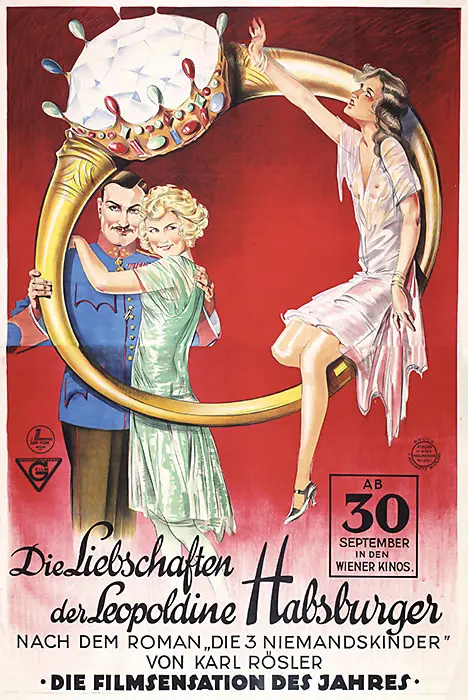
Should you invest your time in a silent German drama from 1927? Short answer: yes, but only if you value historical texture over modern pacing. This film is for the cinephile who enjoys deconstructing the social anxieties of the Weimar Republic; it is absolutely not for anyone looking for high-octane thrills or easy re...

Comparing the cinematic DNA and archive impact of two defining moments in cult history.
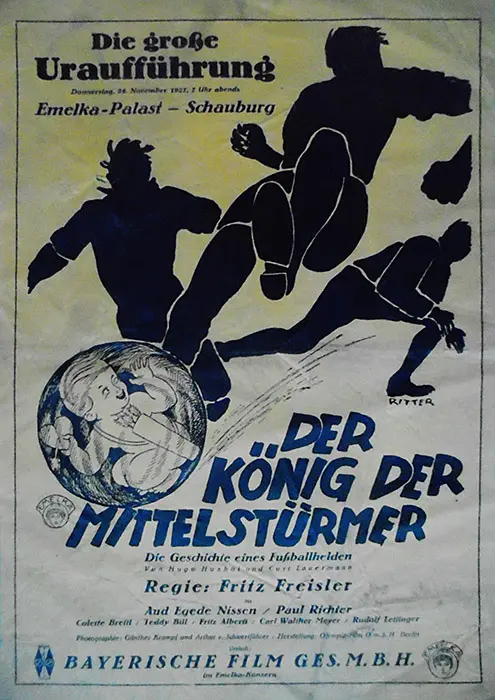
Fritz Freisler
Fritz Freisler
Community
Log in to comment.
"Should you invest your time in a silent German drama from 1927? Short answer: yes, but only if you value historical texture over modern pacing. This film is for the cinephile who enjoys deconstructing the social anxieties of the Weimar Republic; it is absolutely not for anyone looking for high-octane thrills or easy resolutions.Die 3 Niemandskinder is a heavy experience. It doesn't ask for your attention—it demands your tolerance for bleakness. If you've spent time with The Eternal Grind, you kn..."
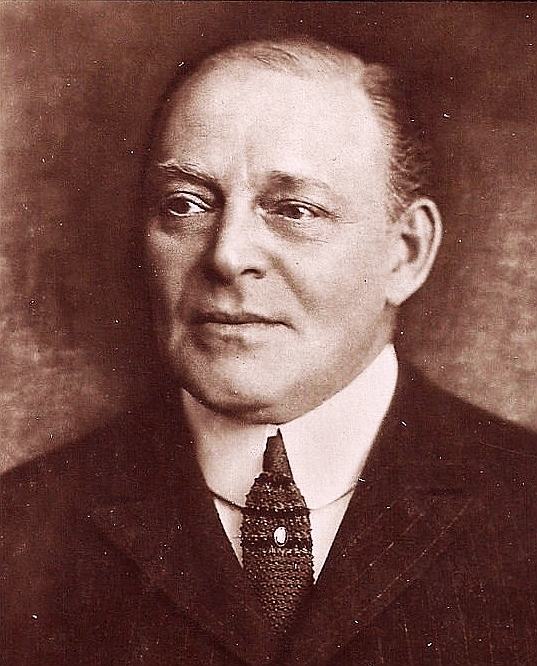
Hermann Vallentin
Fritz Freisler
Germany
Deep dive into the cult classic
Discover similar cinematic experiences
A Directorial Spotlight on Fritz Freisler