Down the Line (1921) Review: Clarence Budington Kelland's Silent Masterpiece
The Architect of Silent Morality: Clarence Budington Kelland
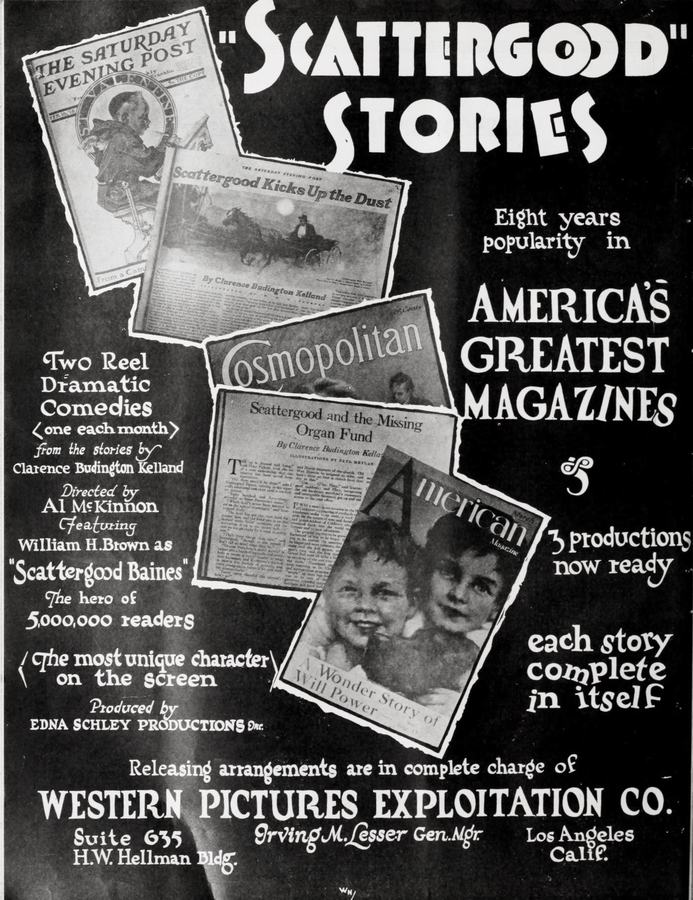
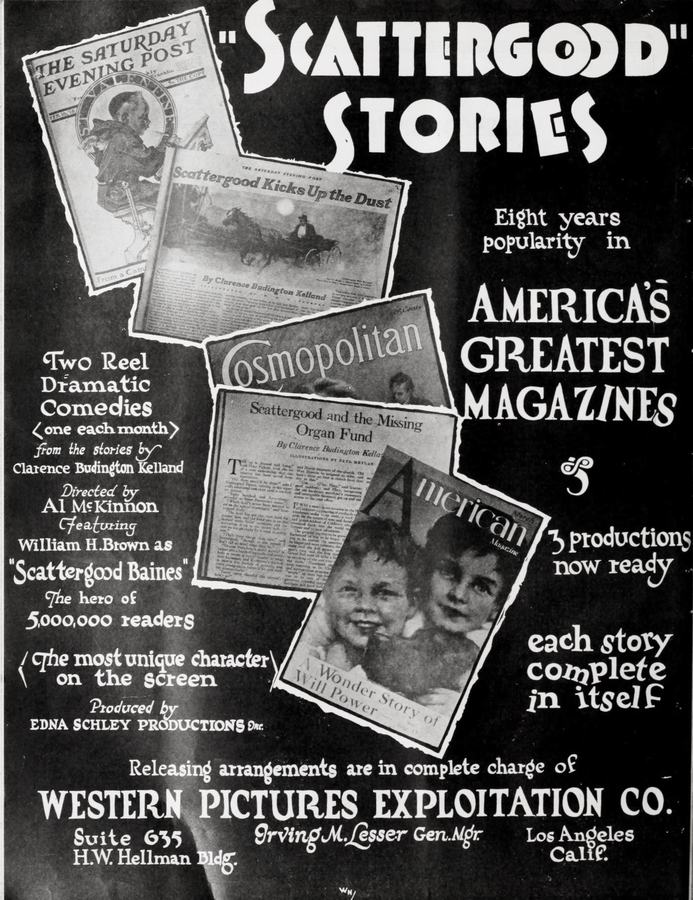
To understand the gravitational pull of Down the Line, one must first acknowledge the literary scaffolding provided by Clarence Budington Kelland. Kelland, a writer whose name was once synonymous with the quintessential American protagonis...
In an era where the silent screen was frequently a conduit for moralistic fables, 'Down the Line' emerges as a sophisticated exploration of the friction between ancestral duty and the burgeoning momentum of modern industrialization. The narrative, penned by the prolific Clarence Budington Kelland, follows a protagonist thrust into a crucible of ethical ambiguity. It is not merely a tale of transit, but a profound odyssey where the 'line' serves as both a physical railroad and a metaphysical boundary between honor and avarice. As the characters navigate a landscape fraught with socio-economic upheaval, the film meticulously deconstructs the American dream, revealing the jagged edges of progress. The interplay of light and shadow serves as a visual metaphor for the internal struggle of a man caught between the rigid expectations of his lineage and the fluid, often treacherous, promises of a new century. Each frame acts as a silent witness to the erosion of pastoral innocence, replaced by the relentless, clanking gears of a society in transition.
Review Excerpt
"
The Architect of Silent Morality: Clarence Budington Kelland
To understand the gravitational pull of Down the Line, one must first acknowledge the literary scaffolding provided by Clarence Budington Kelland. Kelland, a writer whose name was once synonymous with the quintessential American protagonist—the honest, slightly naïve, yet fundamentally incorruptible everyman—infuses this 1921 production with a narrative density that was rare for its time. Unlike the more flamboyant ..."