Summary
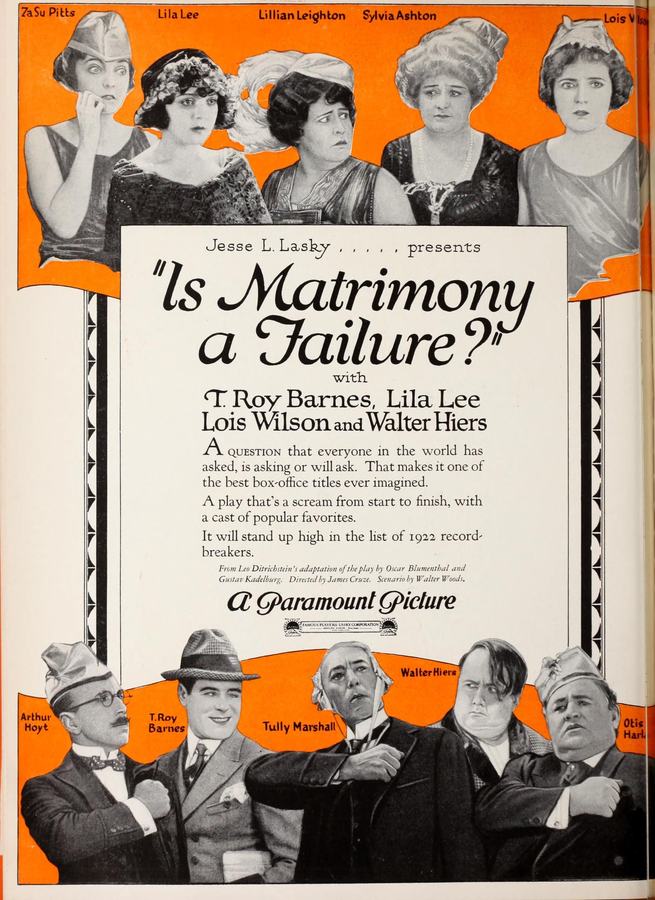
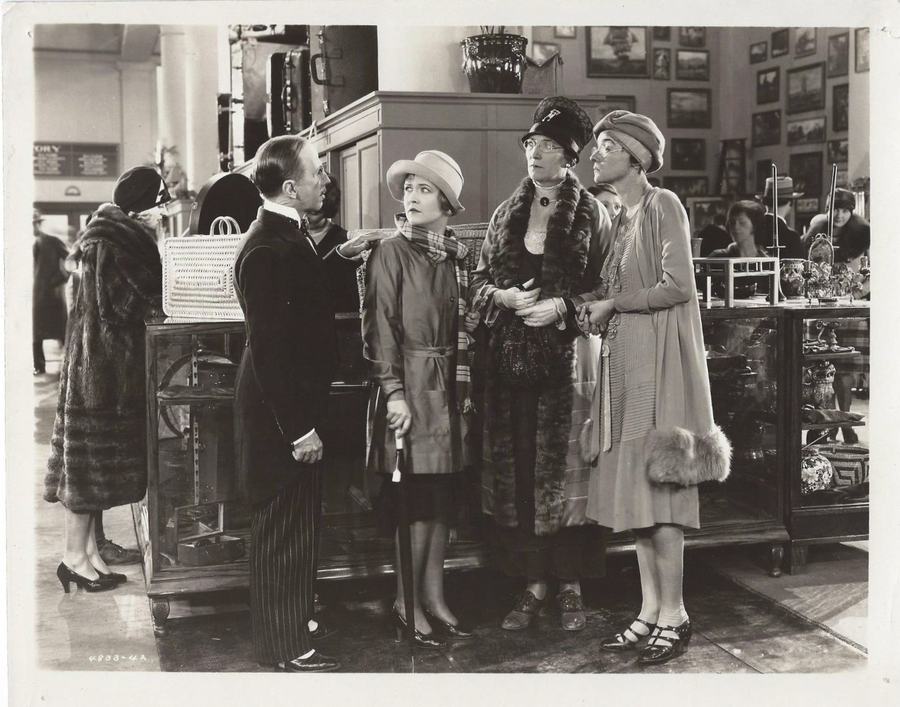
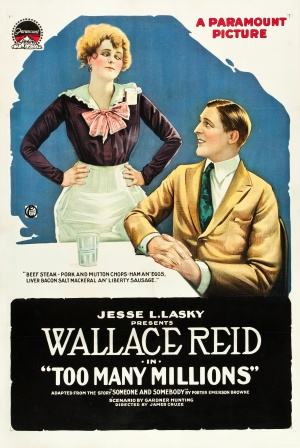
The film detonates its satirical charge inside a drawing-room that reeks of silver-plated complacency: the Saxbys, twenty-five years shackled in bourgeois decorum, toast their matrimonial longevity only to witness their daughter Margaret sprint toward a liaison with a pen-pushing bank clerk. Enter Dudley King—law student, thwarted lover, pedant of parchment—who exposes the town’s marital house of cards: the clerk forgot his oath, every November license for three decades dissolves like tissue in rain, and legions of respectable bedrooms suddenly become no-man’s-land. The narrative pirouettes from bedroom farce to civic earthquake: husbands blink at their emancipation, wives weigh the price of autonomy, and the screen becomes a carnival mirror in which wedlock itself is stripped to its barest scaffolding. When the bureaucratic pendulum swings back—poof, legitimacy restored—Arthur reclaims his trembling bride from King’s opportunistic embrace, and the curtain falls on a world that has glimpsed the void beneath its own parquet flooring.
Synopsis
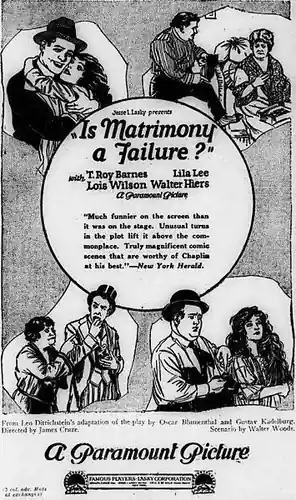
Mr. and Mrs. Amos Saxby's silver wedding anniversary is interrupted by the surprise elopement of their daughter Margaret with bank clerk Arthur Haviland. Law student Dudley King, and rival suitor for Margaret, announces that the marriage-license clerk is on vacation and that the license obtained by the elopers is invalid; he wires the proprietor of the lodge where the couple plan to spend their honeymoon, and Arthur and his wife indignantly return home. Demanding an explanation from the assistant clerk, Arthur learns that all marriages processed in November for the past 30 years are void because the clerk had not then been sworn in, and in consequence many households dissolve. But the husbands do not relish their newly-gained freedom, and when the license clerk returns, he declares all the marriages legal. Arthur rescues his bride just as King is about to carry her off, and the matrimonial routine begins.
Review Excerpt
"
Picture, if you will, a mahogany table groaning under the weight of crystal, lace, and the brittle smiles of a couple who have spent a quarter-century rehearsing the same breakfast conversation. The Saxbys’ silver-anniversary soirée is staged like a Dutch still-life—every object polished to a moral sheen—until their daughter Margaret ricochets down the staircase with a suitcase in one hand and a shy bank clerk on the other. In that instant, the still-life tilts; the fruit tumbles; the painter’..."