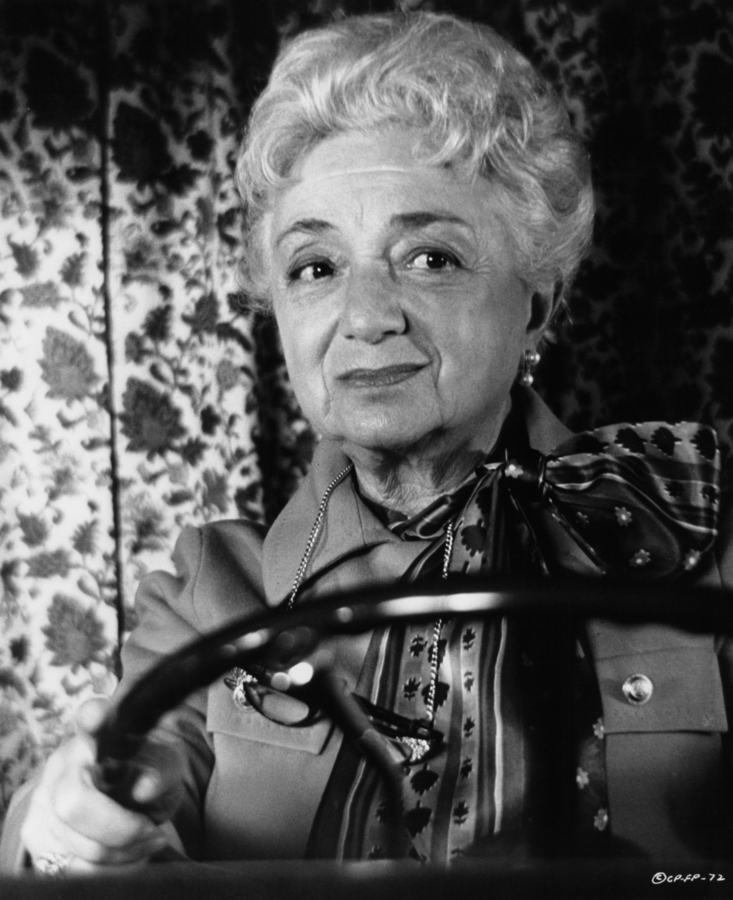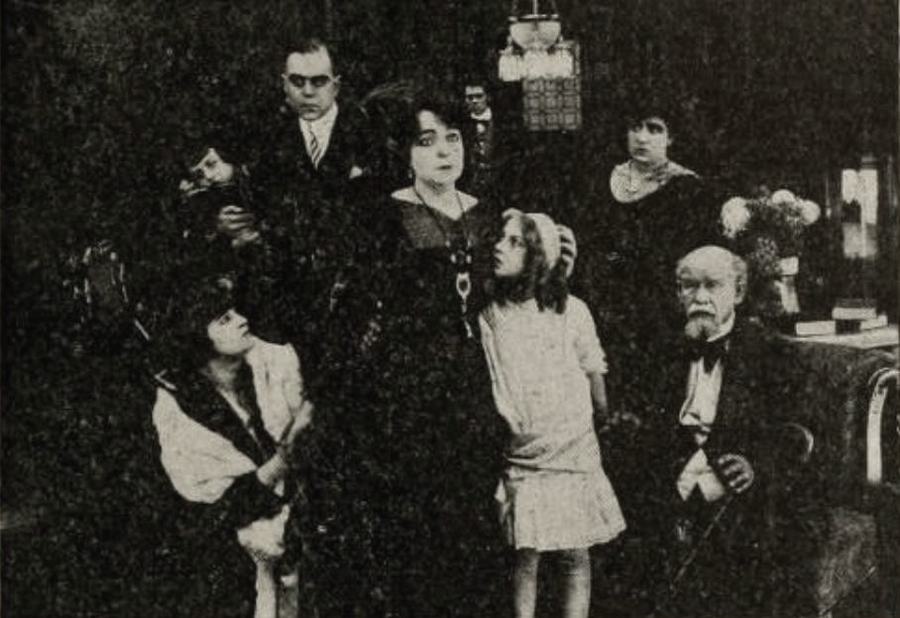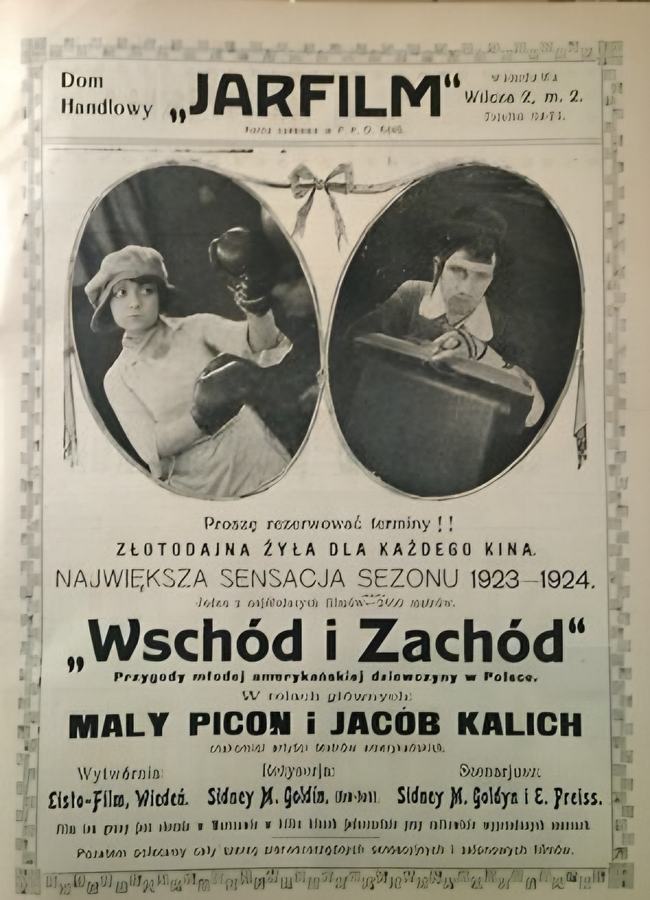
Morris Brown, a New York gambler acquainted more with his checkbook than his prayer book, returns to Galicia with his very American daughter, Mollie (Molly Picon) for a family wedding. But Mollie, whose exuberant antics fill the film, unexpectedly meets her match--an engaging young yeshiva scholar who forsake tradition and joins the secular world to win her heart.
The silent era of the 1920s often finds itself pigeonholed into the binary of German Expressionism or Hollywood slapstick, yet Sidney M. Goldin’s Good Luck (1924) emerges as a fascinating third path—a piece of Yiddish-inflected cinema that bridges the gap between the Lower East Side’s grit and the pastoral mysticism of...
Comparing the cinematic DNA and archive impact of two defining moments in cult history.
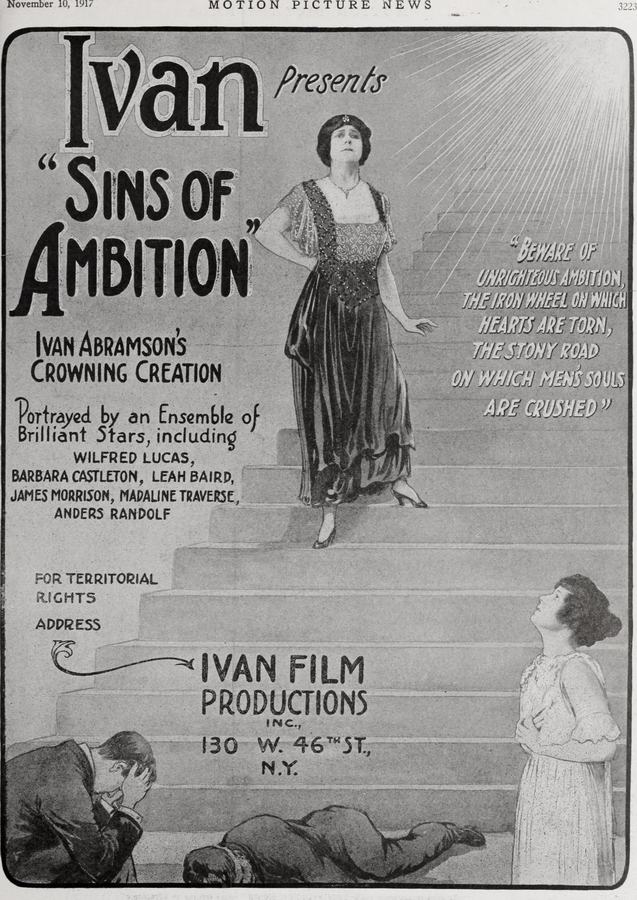
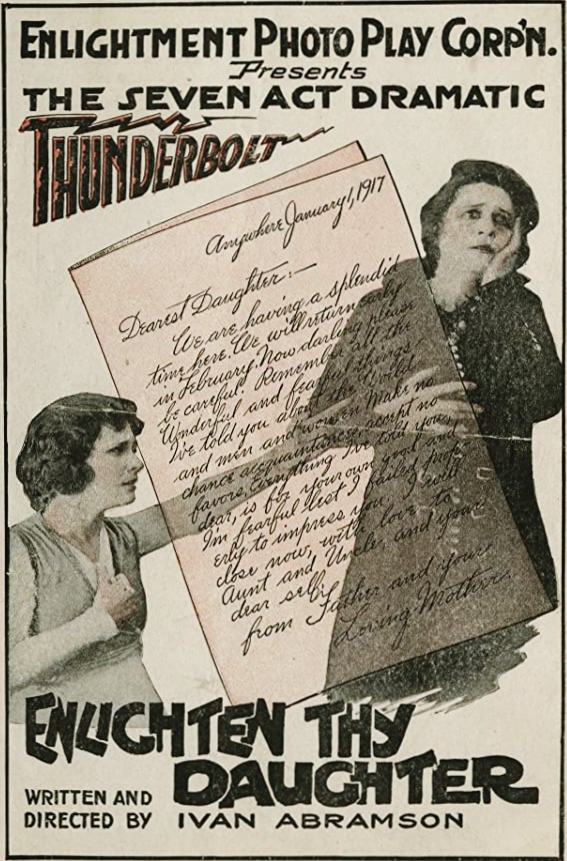
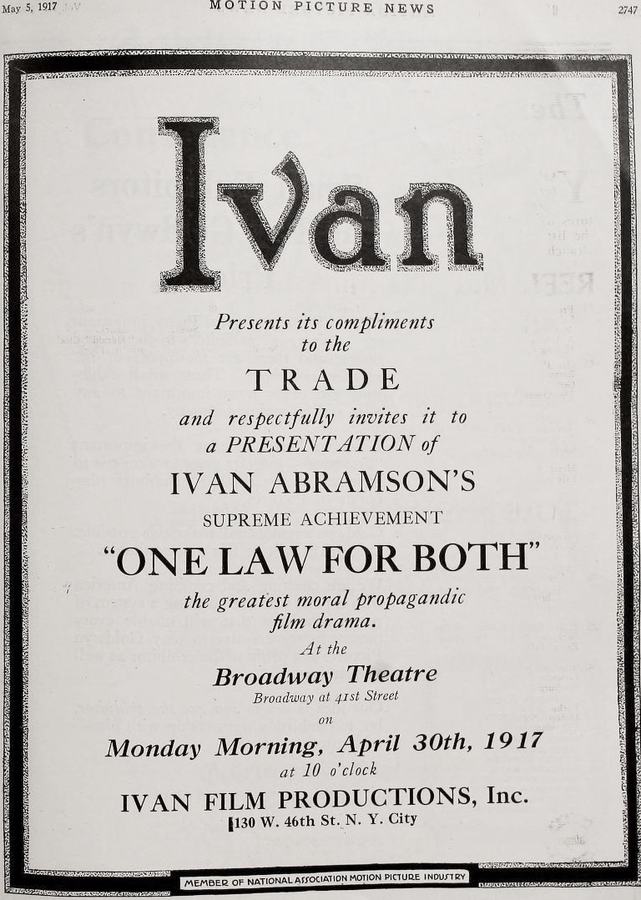
Ivan Abramson
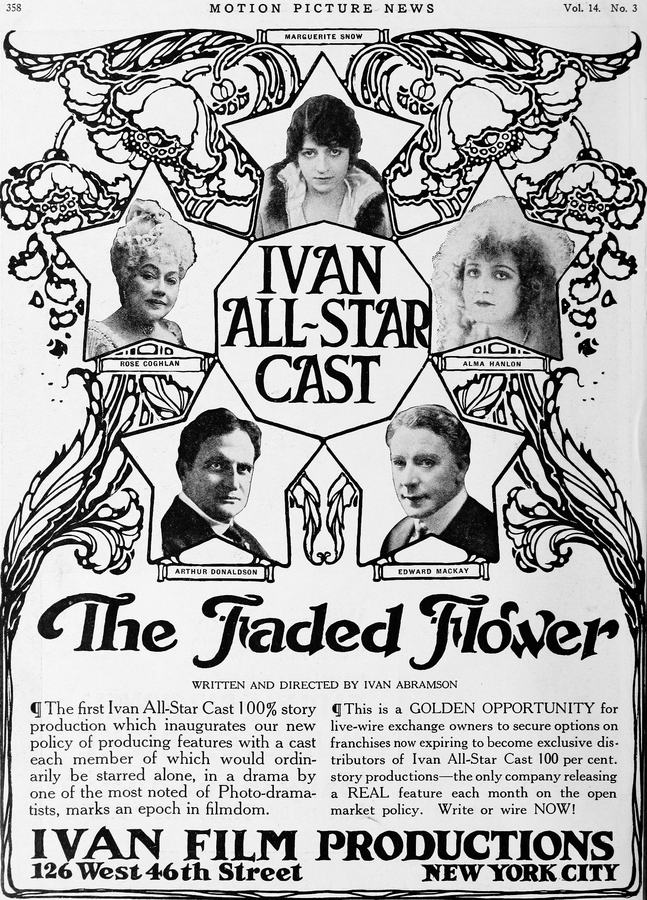
Ivan Abramson
Community
Log in to comment.
"The silent era of the 1920s often finds itself pigeonholed into the binary of German Expressionism or Hollywood slapstick, yet Sidney M. Goldin’s Good Luck (1924) emerges as a fascinating third path—a piece of Yiddish-inflected cinema that bridges the gap between the Lower East Side’s grit and the pastoral mysticism of Eastern Europe. At the center of this whirlwind is the incomparable Molly Picon, an actress whose sheer physicality and rubber-faced expressiveness suggest a talent that could hav..."
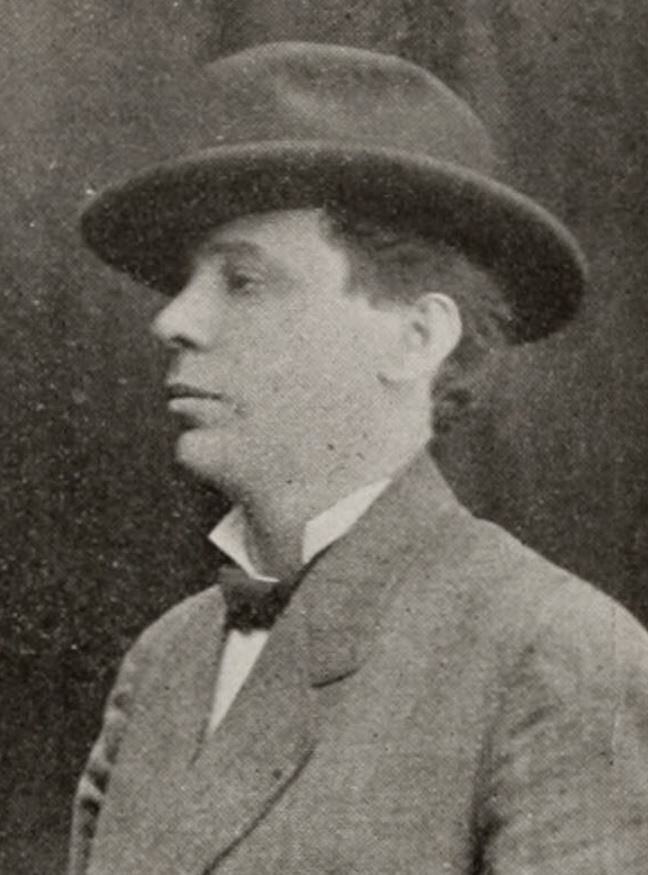
Eugen Preiß, Sidney M. Goldin
Austria