Summary
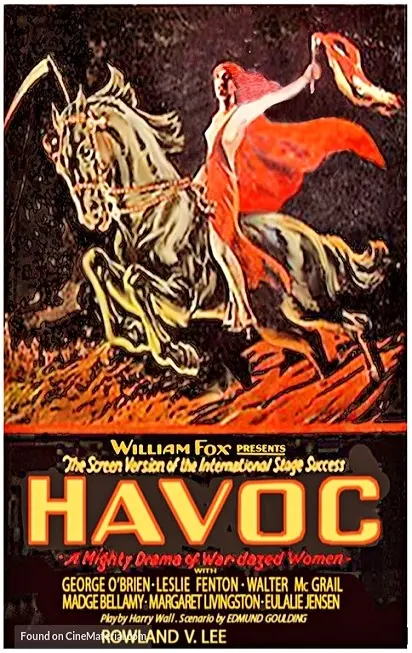
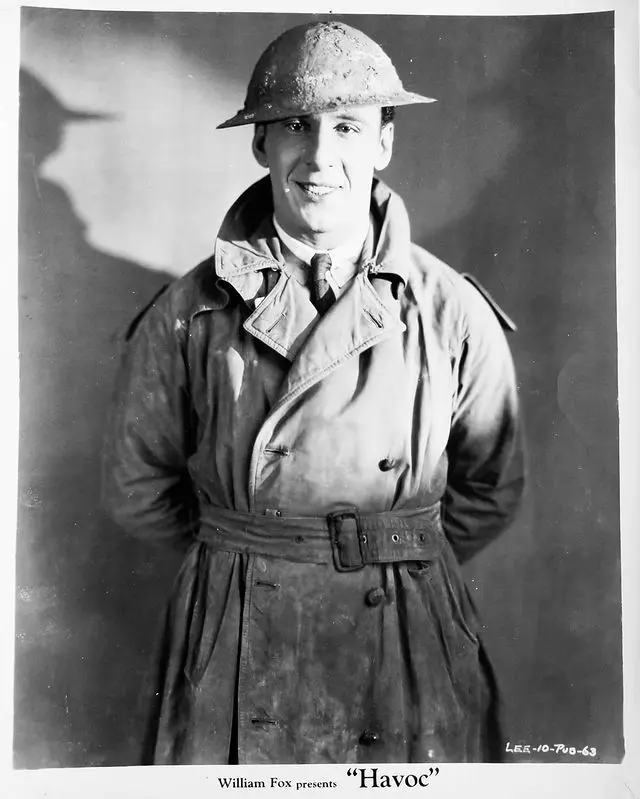
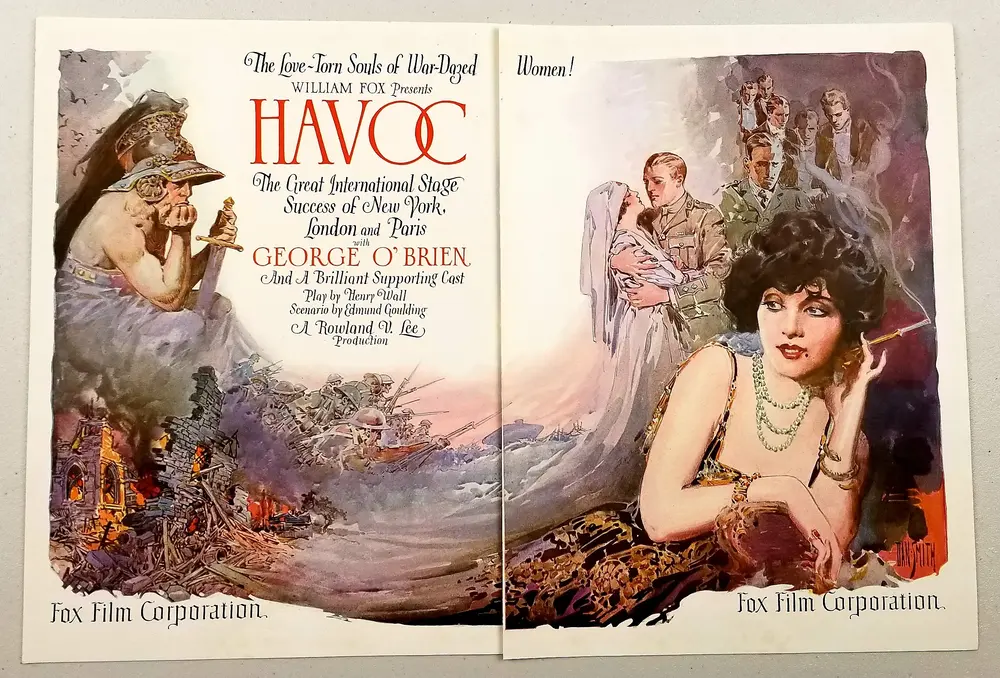
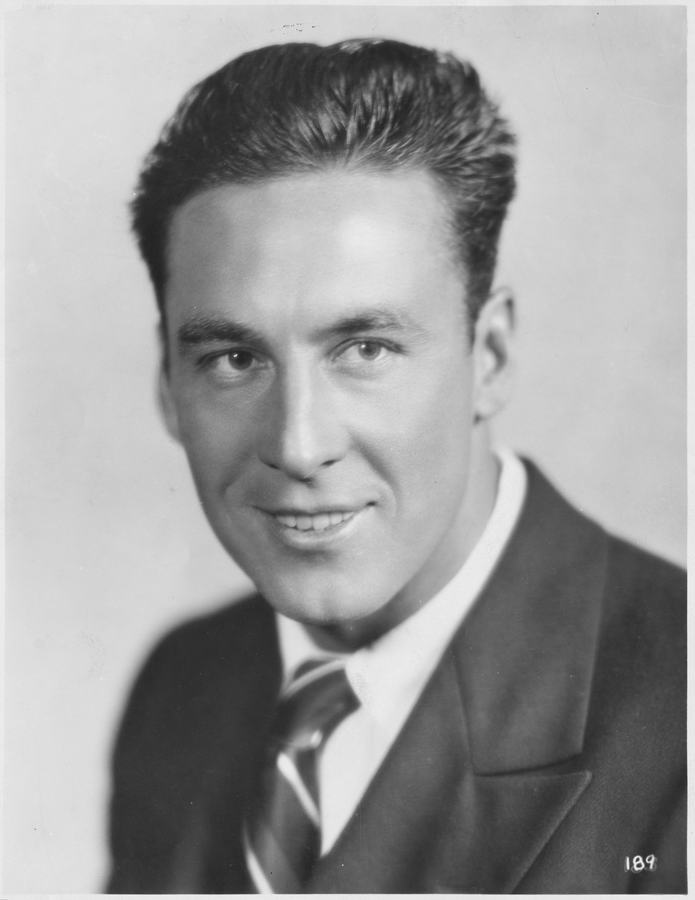
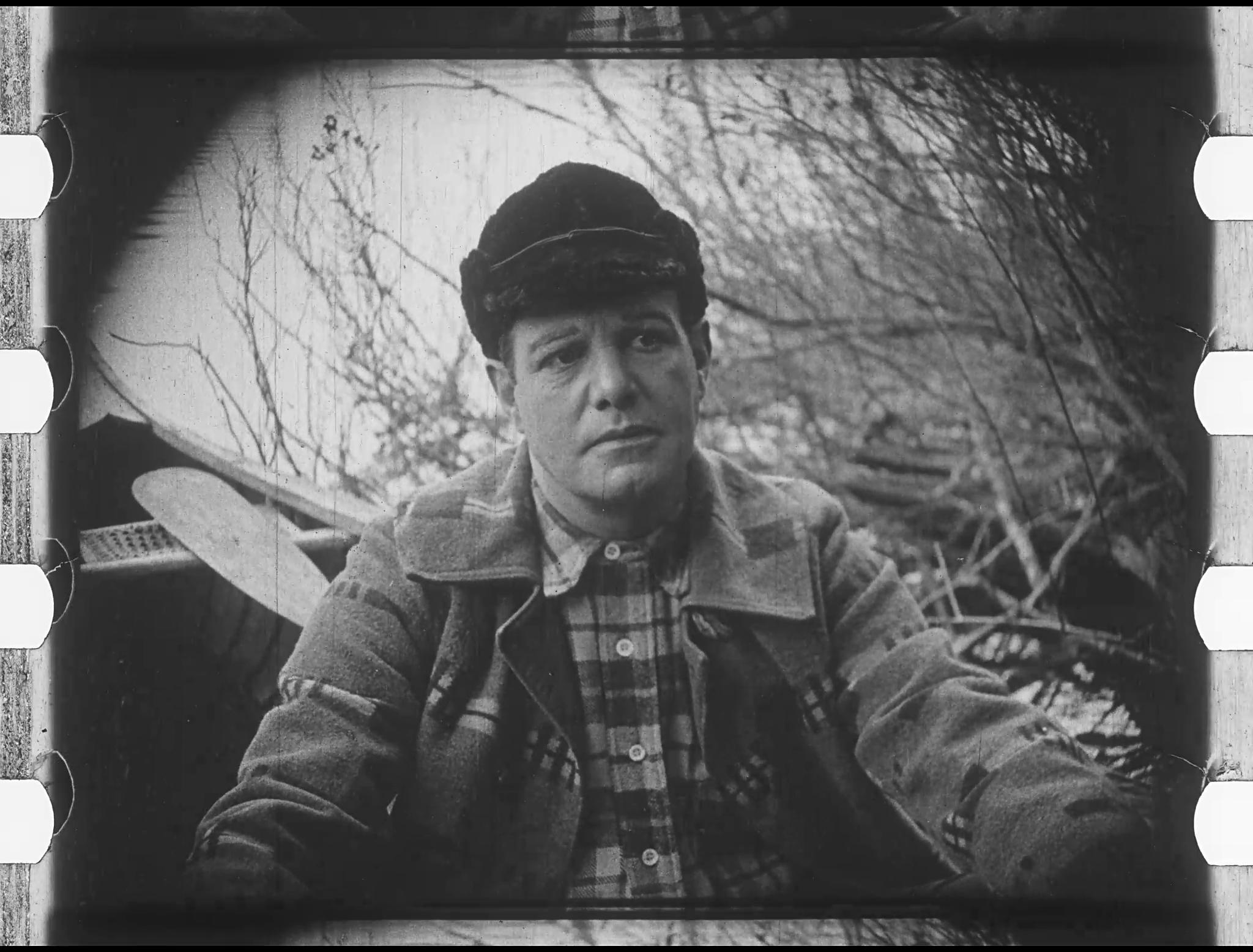
Set against the backdrop of a world still reeling from the seismic tremors of 1918, Havoc (1925) dissects the precarious intersection of romantic duplicity and the existential meat-grinder of the Western Front. Dick Chappell, portrayed with a rugged yet vulnerable earnestness by George O'Brien, finds his aspirations for martial glory entangled with a domestic betrayal of the highest order. His fiancée, the mercurial Violet Deering, shifts her fickle affections toward his comrade-in-arms and supposed friend, Roddy Dunton, setting the stage for a psychological collapse as devastating as the artillery fire that eventually robs Chappell of his vision. The narrative weaves a grim tapestry where the silence of the trenches is punctuated by the unspoken treachery of a friend, leading to a tragic climax of self-immolation for the guilt-stricken Dunton and a tentative, sightless redemption for Chappell in the arms of the virtuous Tessie. It is a profound meditation on the scars—both ocular and spiritual—inflicted by a generation's descent into the abyss of mechanized warfare and the fragile nature of human loyalty.
Synopsis
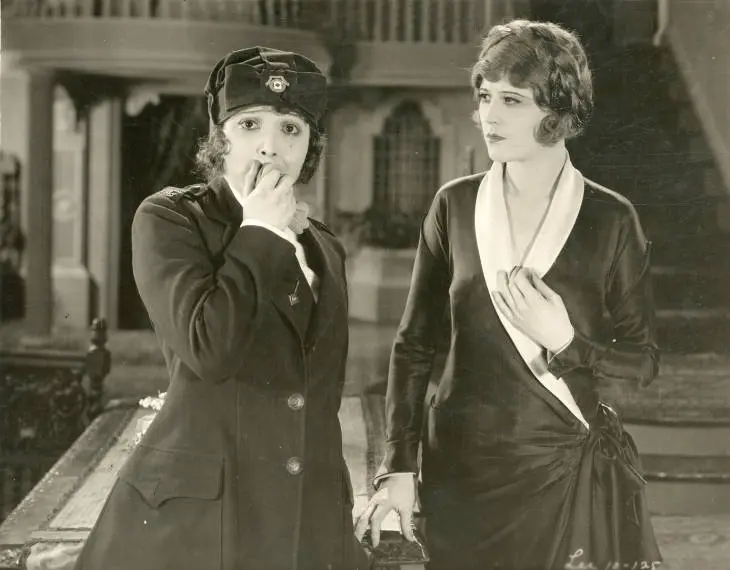
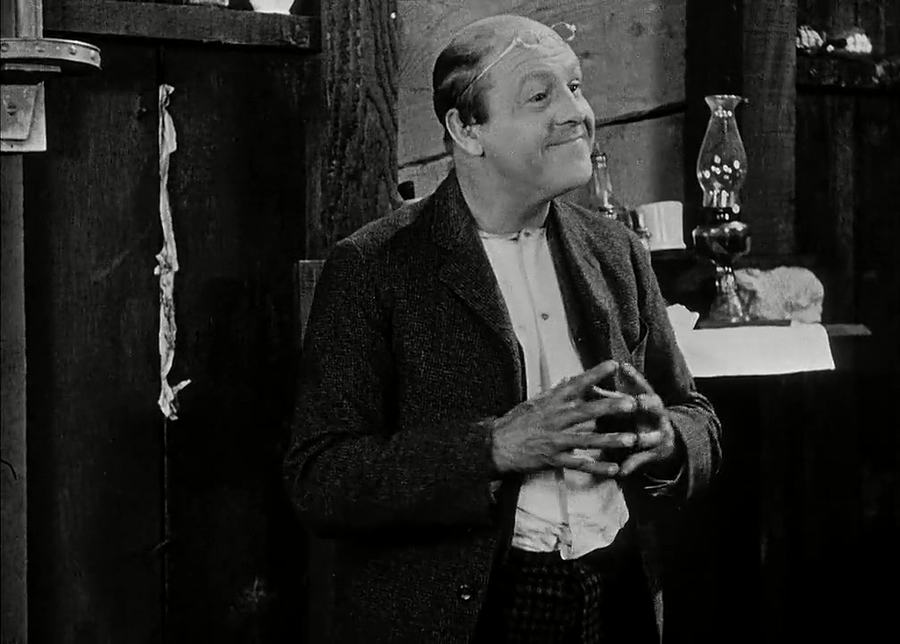
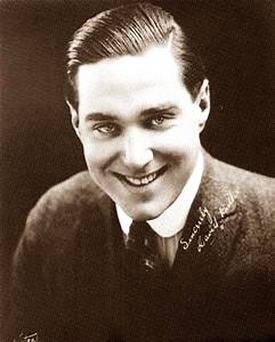
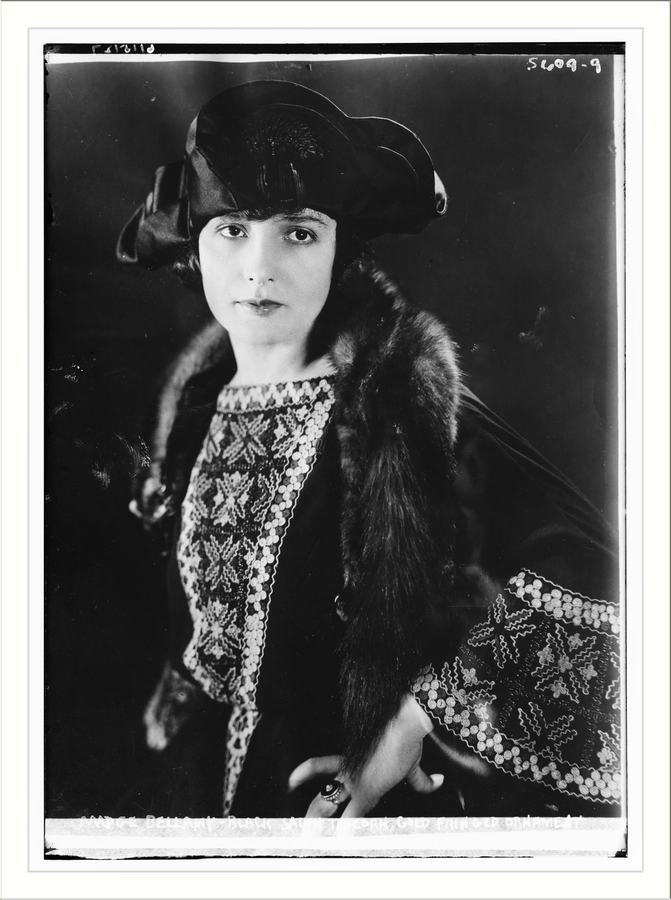
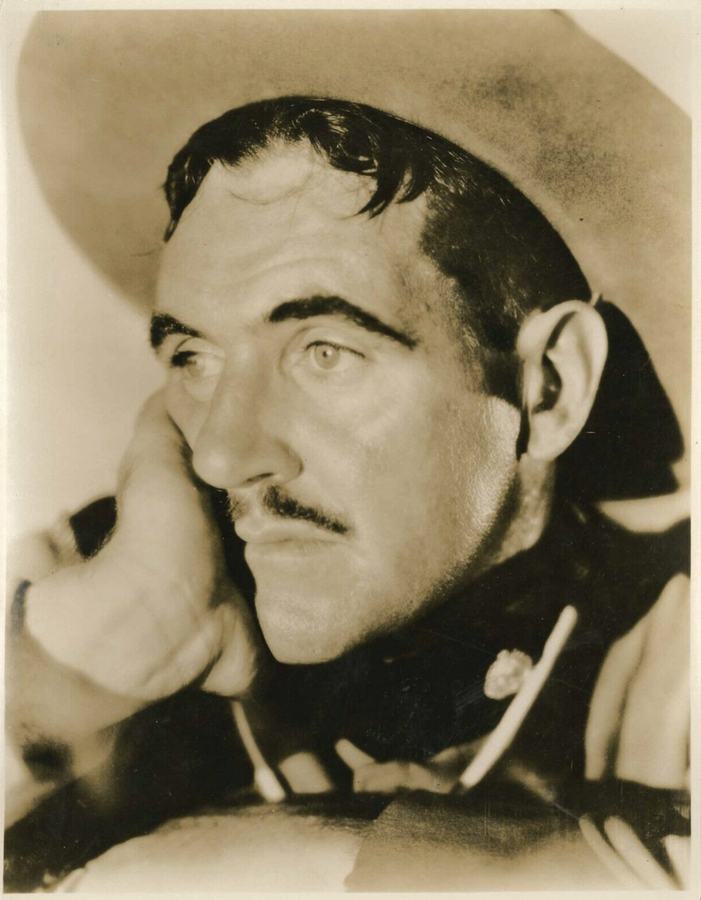
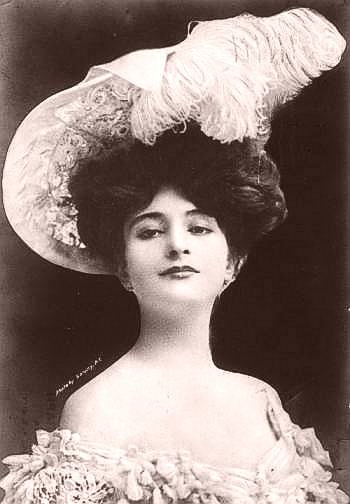
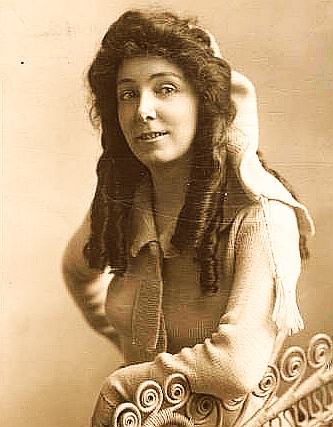
A war drama produced only 7 years after the end of World War I. Based on the play by Henry Wallace it chronicles two Englishmen, Dick Chappell (George O'Brien) and Roddy Dunton (Walter McGrail) at the dawn of The Great War. Both men are in love with the same woman, Violet Deering (Margaret Livingston). Chappell, whose proposal has been accepted by Violet, enlists for the war in Europe hoping to distinguish himself and make his fiancé proud of him. After he leaves Violet suddenly finds herself drawn to Dunton instead who has also enlisted. She convinces him to let Chappell know that she has had a change of heart and that their engagement is off. However Dunton never confesses this and encourages his brazen and zealous friend to face the Germans in a fierce trench war battle in high spirits. Chappell is almost killed, but able to survive, though he is blinded during the attack. The guilt over what he has done ultimately has the remorseful Dunton commit suicide. Back home in London, Dunton's sister Tessie (Madge Bellamy) nurses Chappell back to health. His sight eventually returns and he realizes Violet's schemes and drops her in favor of Tessie.
Review Excerpt
"
There is a specific, haunting quality to films produced in the immediate shadow of the Great War. Released a mere seven years after the Armistice, Havoc (1925) isn't just a piece of entertainment; it is a cinematic exhumation of a collective trauma. Directed by Rowland V. Lee and adapted from Harry Wall's play, this film bypasses the sanitized heroism often found in later war epics, opting instead for a claustrophobic study of how domestic infidelity and the horrors of the front lines can..."