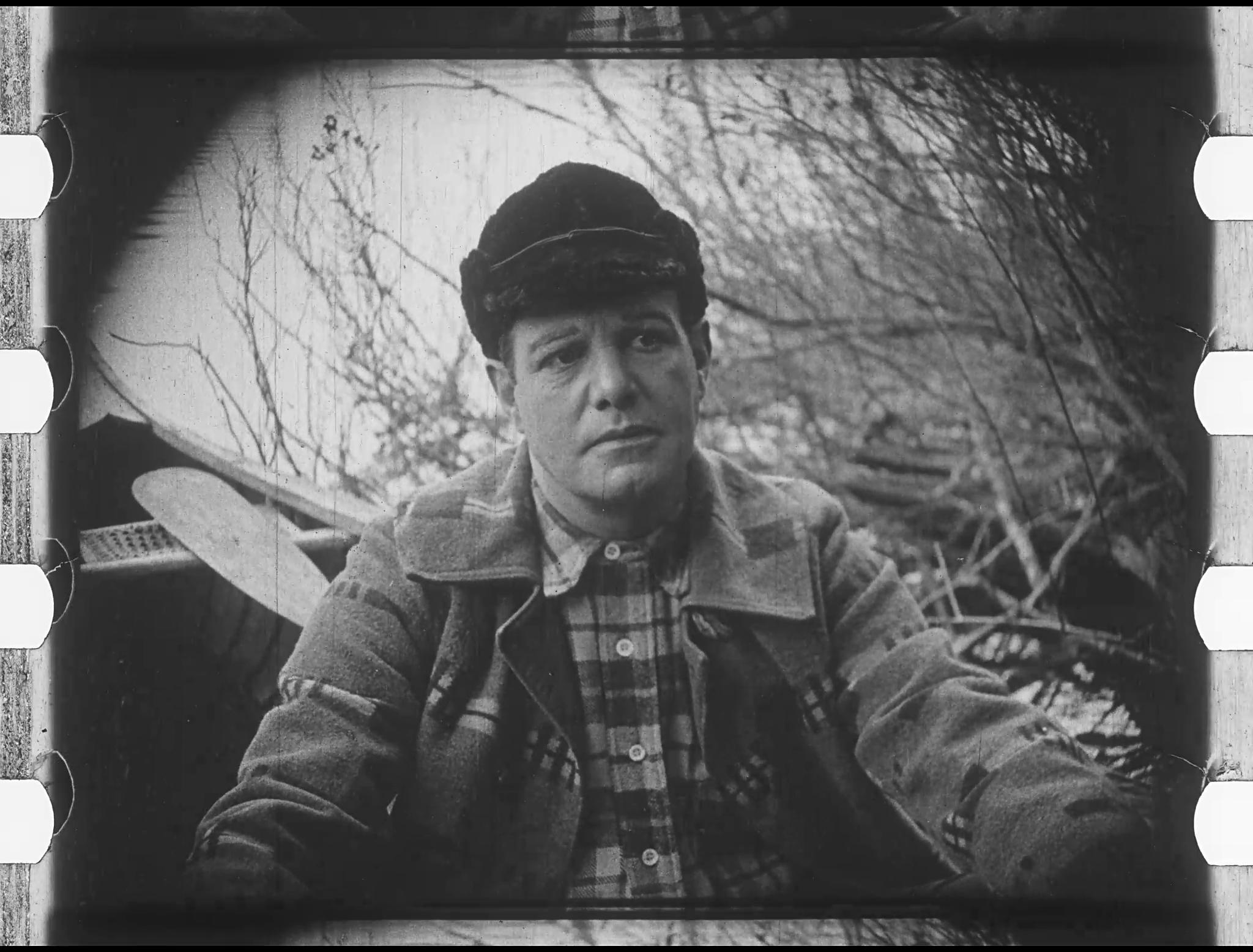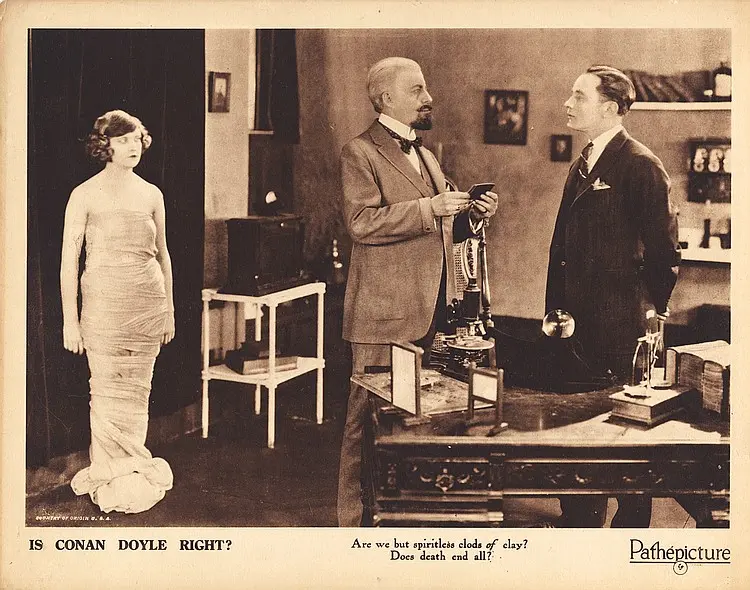
Documentary exposé of the then-popular fad of spiritualism, of which Arthur Conan Doyle was a proponent..
United States
The year 1923 stood at a precarious crossroads of human history. The shadow of the Great War still loomed large, leaving a vacuum of loss that traditional religion struggled to fill. Into this void stepped Sir Arthur Conan Doyle, a man whose literary creation, Sherlock Holmes, epitomized the pinnacle of cold, de...
Comparing the cinematic DNA and archive impact of two defining moments in cult history.
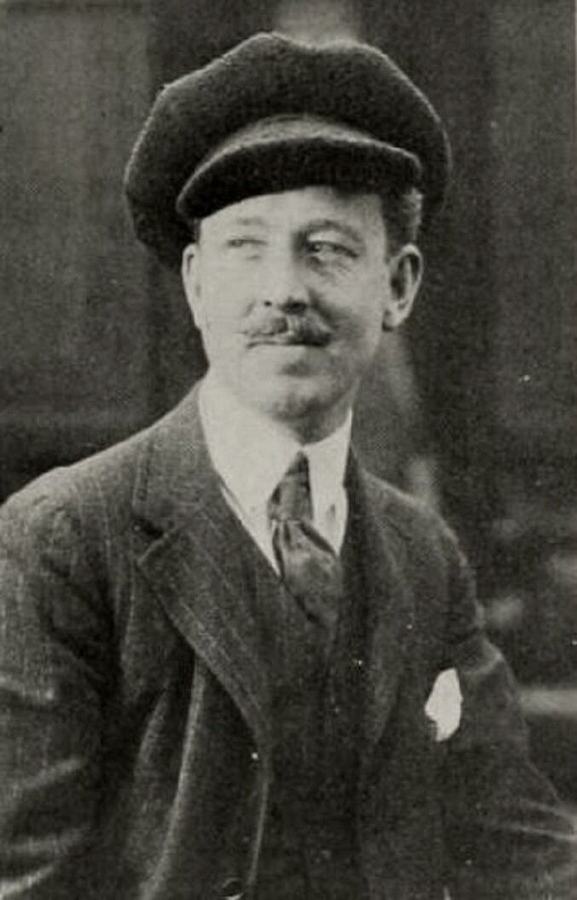
Jack Harvey
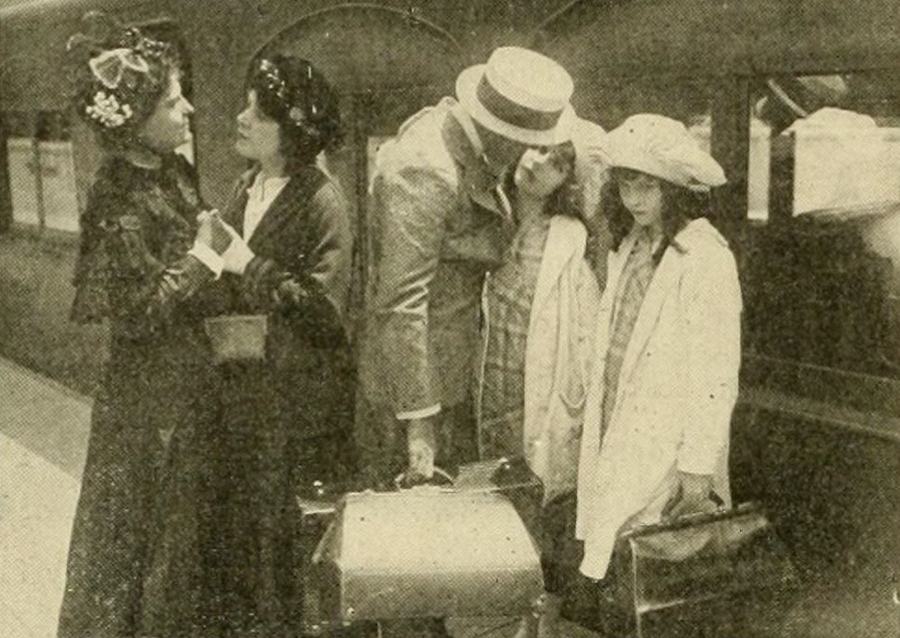
Jack Harvey
Community
Log in to comment.
" The year 1923 stood at a precarious crossroads of human history. The shadow of the Great War still loomed large, leaving a vacuum of loss that traditional religion struggled to fill. Into this void stepped Sir Arthur Conan Doyle, a man whose literary creation, Sherlock Holmes, epitomized the pinnacle of cold, deductive reasoning, yet who personally surrendered to the allure of the supernatural. Jack Harvey’s Is Conan Doyle Right? emerges not merely as a film, but as a cultural interventio..."
Deep dive into the cult classic
Discover similar cinematic experiences
A Directorial Spotlight on Jack Harvey