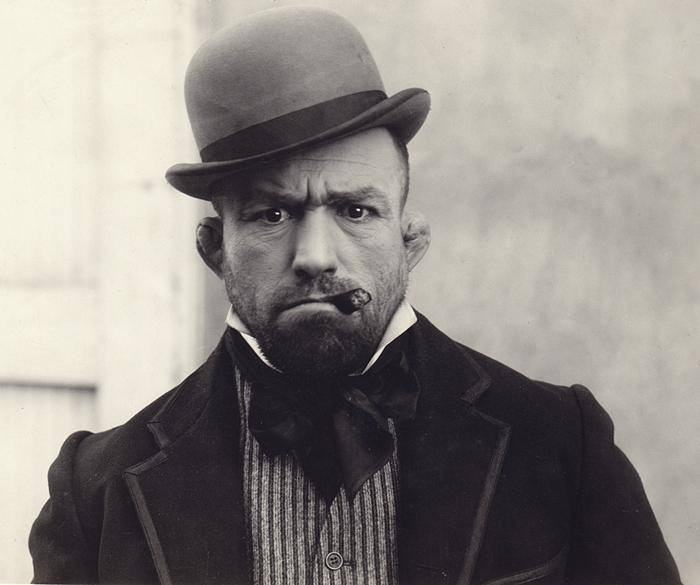
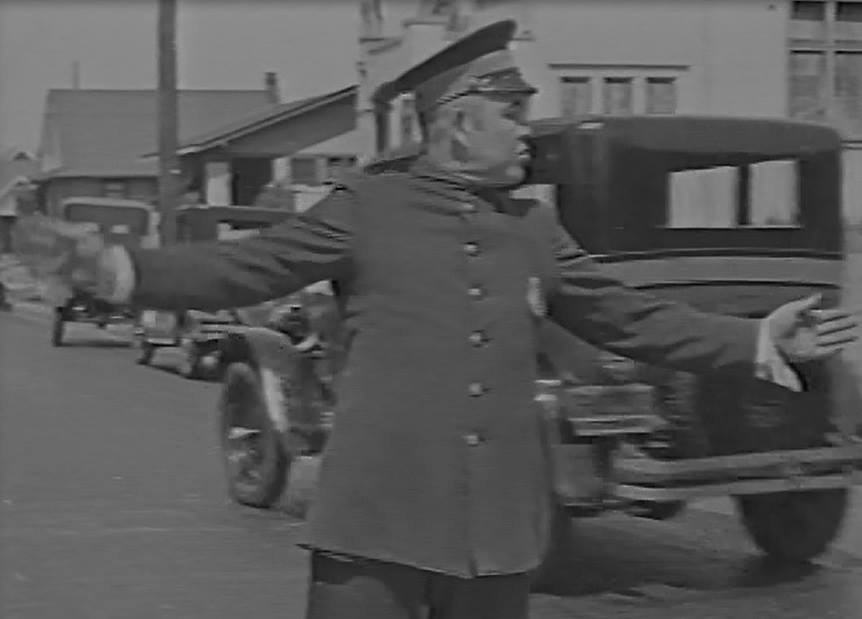
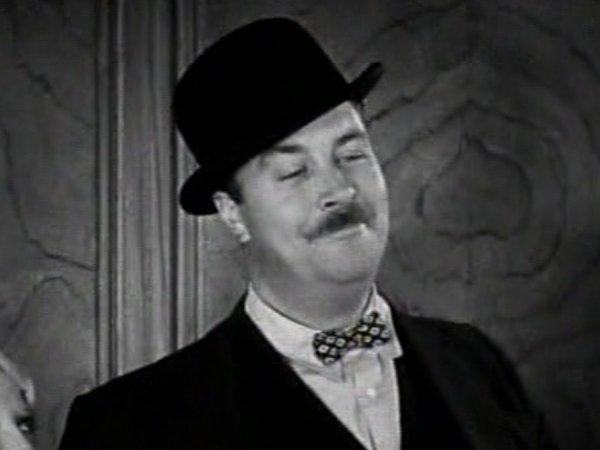
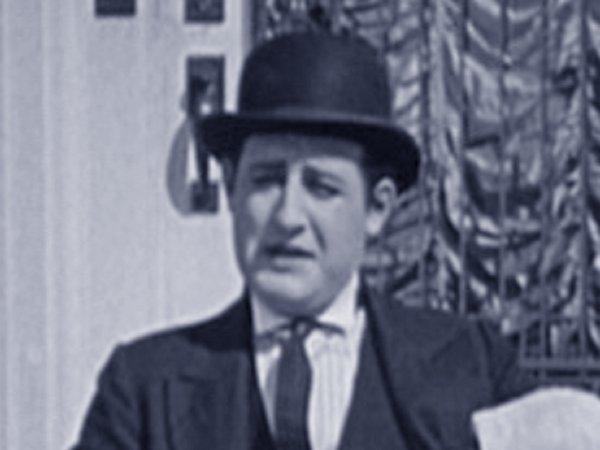
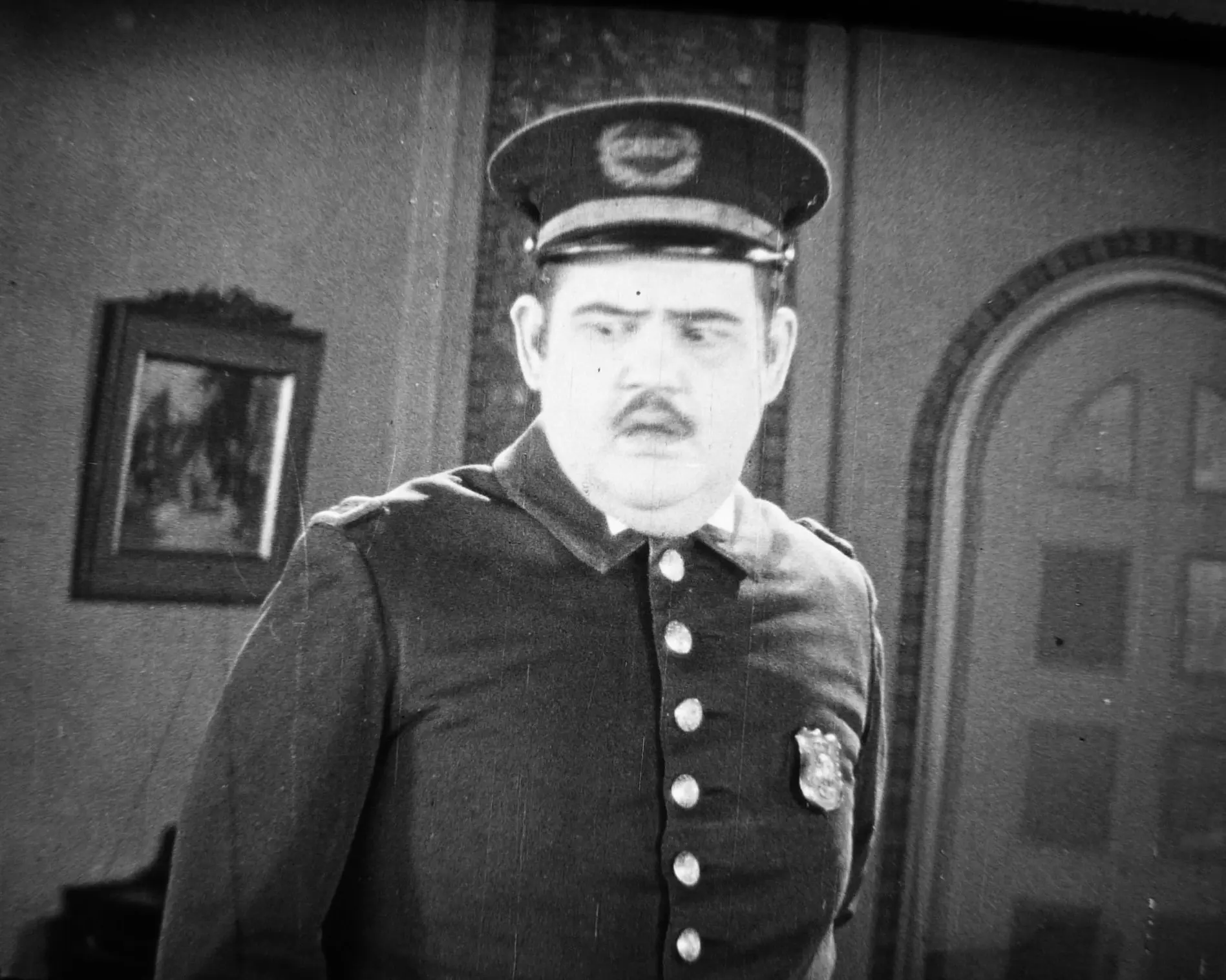
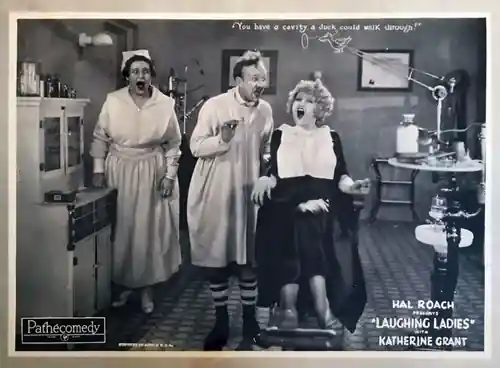
A dentist believes in dosing patients with generous doses of laughing gas. When a girl arrives with a toothache, he gives even more than usual.
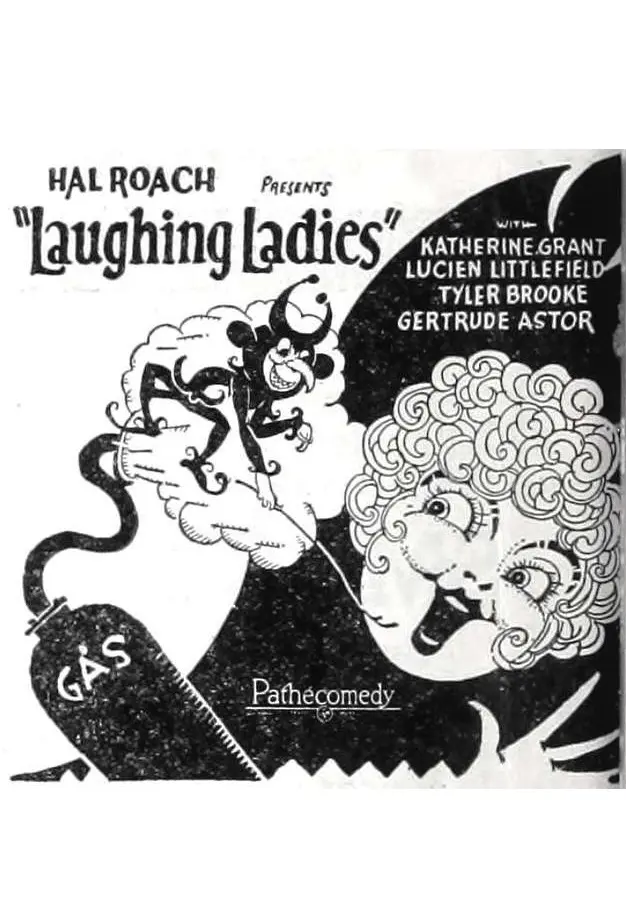
The Pharmacological Farce of the Hal Roach Era To watch Laughing Ladies (1925) is to witness the Hal Roach studio operating at a peak of kinetic spontaneity. While history often prioritizes the feature-length endeavors of the era, the short-form comedy was the true laboratory of the avant-garde. This film, directed ...
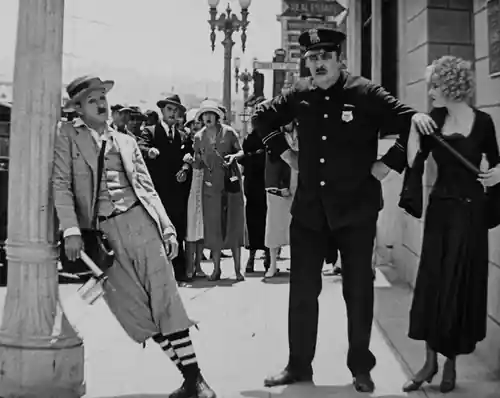
still_frame
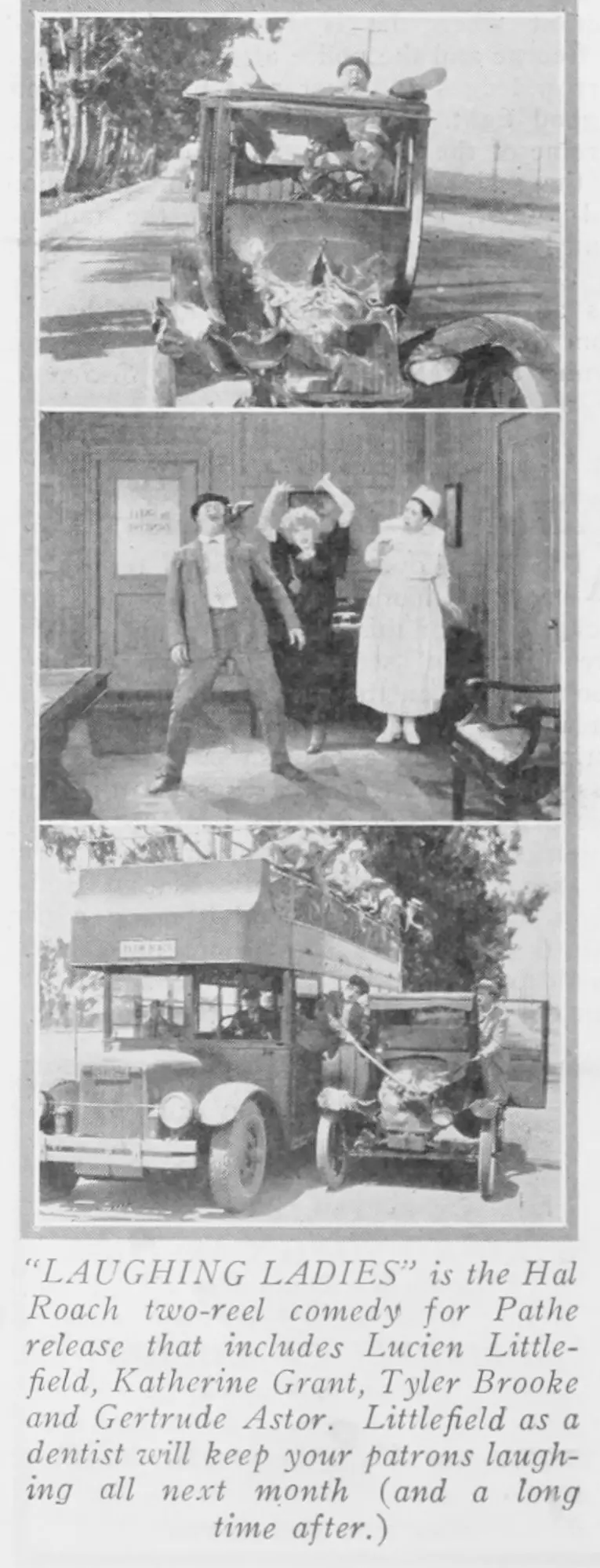
still_frame
still_frame
still_frame
still_frame
still_frame
Comparing the cinematic DNA and archive impact of two defining moments in cult history.
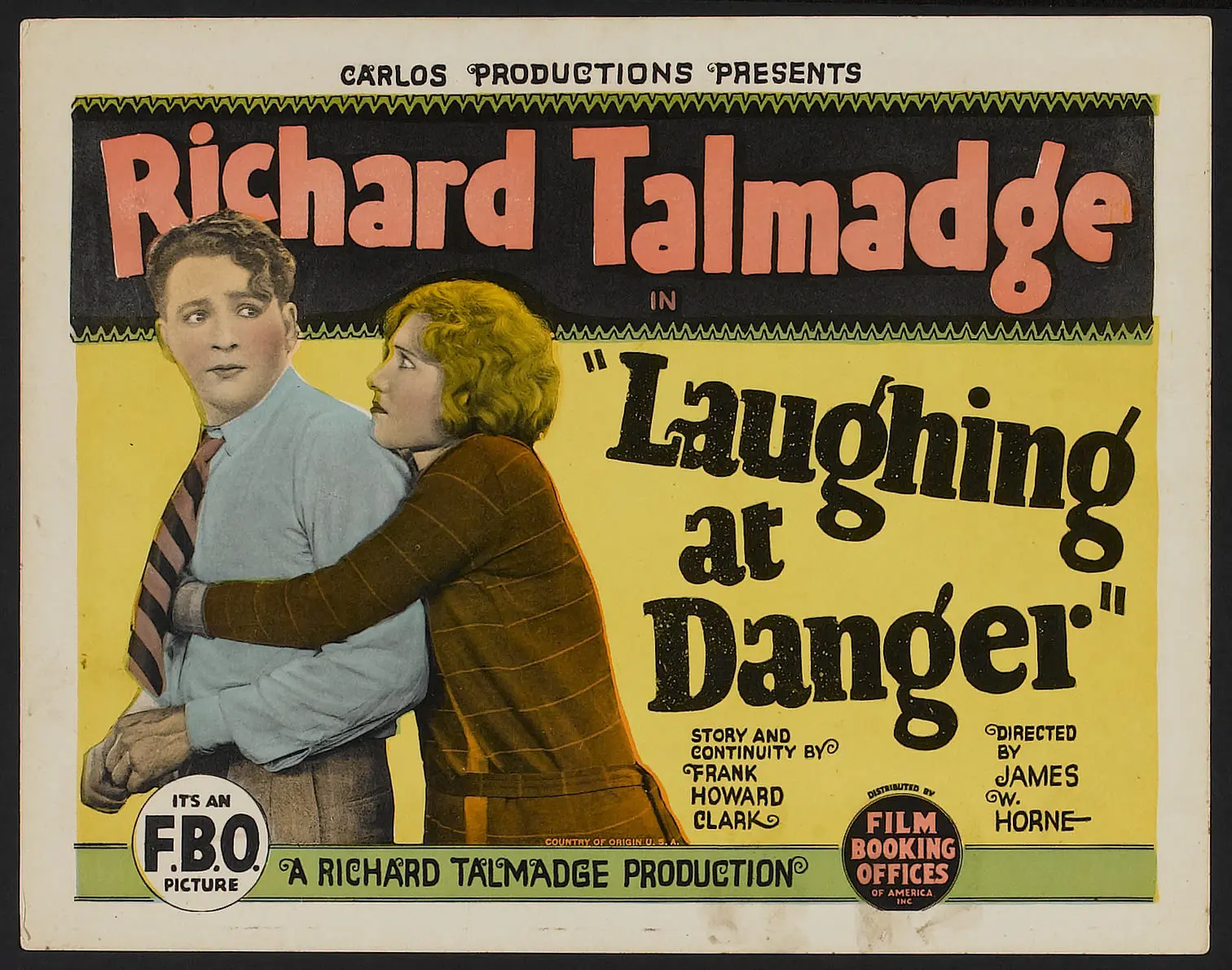
James W. Horne
James W. Horne
Community
Log in to comment.
" The Pharmacological Farce of the Hal Roach Era To watch Laughing Ladies (1925) is to witness the Hal Roach studio operating at a peak of kinetic spontaneity. While history often prioritizes the feature-length endeavors of the era, the short-form comedy was the true laboratory of the avant-garde. This film, directed by the prolific James Parrott and Hal Yates, utilizes the dental chair—a site of universal anxiety—as a springboard for a sophisticated study in social transgression. The premise i..."
Hal Yates, James Parrott
United States
Deep dive into the cult classic
Discover similar cinematic experiences
A Directorial Spotlight on James W. Horne