
DbcultAccessing Vault...
Recommendations
Senior Film Conservator
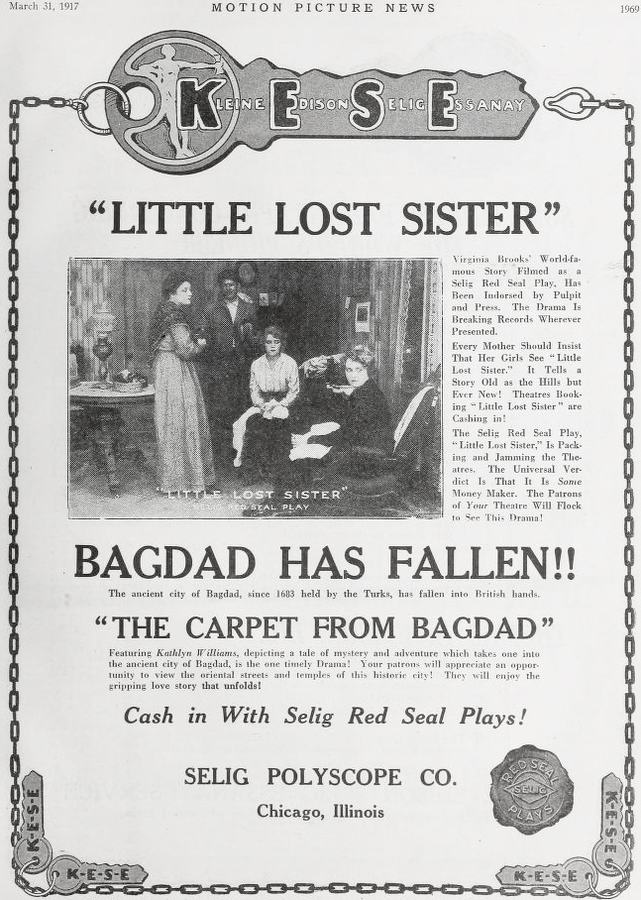
Navigating the complex narrative architecture of Little Lost Sister is a artistic bravery experience, the legacy of Little Lost Sister is a beacon for those seeking the unconventional. Unlock a new level of cinematic understanding with these cult alternatives.
The artistic audacity of Little Lost Sister ensures it to sustain a sense of mystery that persists after the credits roll.
Critics widely regard Little Lost Sister as a cult-favorite piece of cult cinema. Its artistic bravery is frequently cited as its strongest asset, solidifying its place in United States's film legacy.
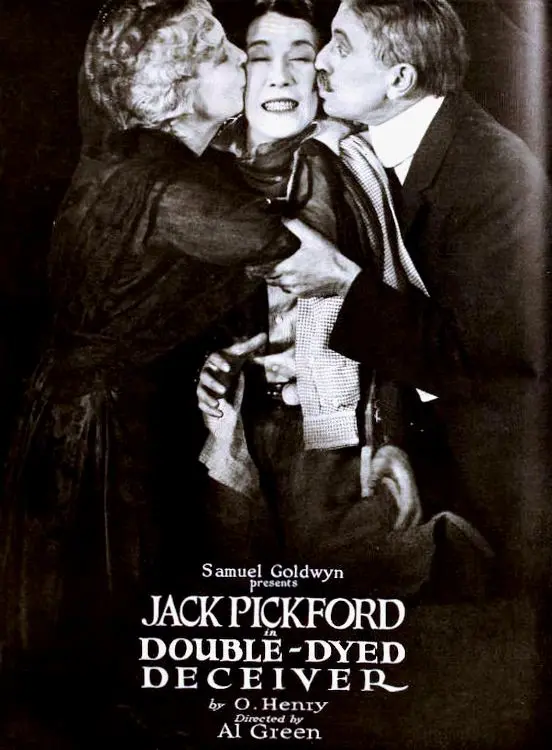
Based on the unique artistic bravery of Little Lost Sister, our vault has identified these titles as the most compelling follow-up experiences for fans of cult cinema:
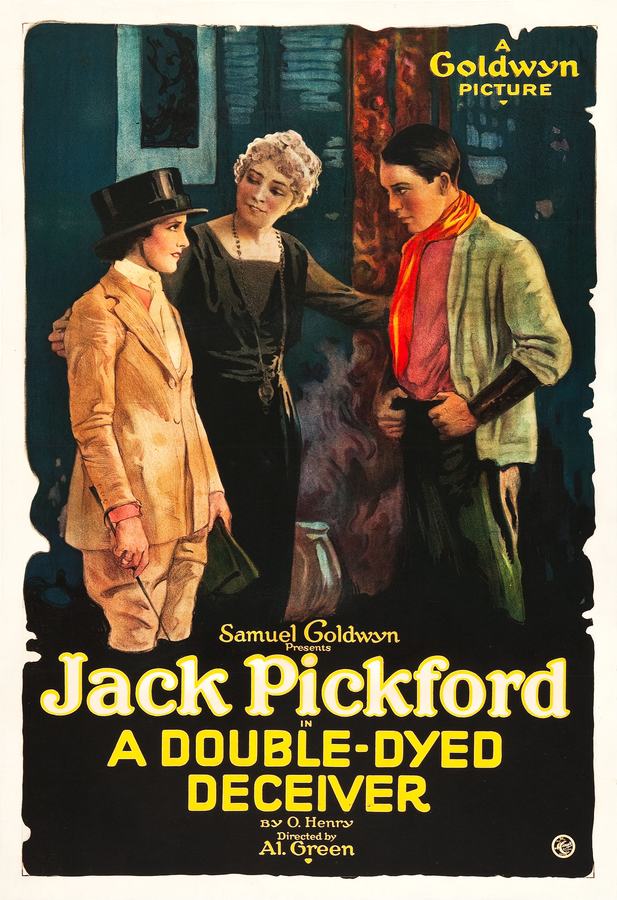
Dir: Alfred E. Green
Most of the scenes are laid in a parrot-and-monkey country in South America, a land where "it is always after dinner." The Llano Kid, a Texas bad man, flees there from justice. The consul persuades him to play the long-lost son of a Castilian family, and tattoos a coat of arms on the back of the Kid's hand to make the deception complete. The Kid is taken into the household, trusted and loved by the gladdened mother. For the first time he has a home. The romance develops. And when the time comes to rob and flee he has too much manhood to break the loving mother's heart. The surprise comes when it is revealed that the man the Kid killed in Texas was the real son.
View Details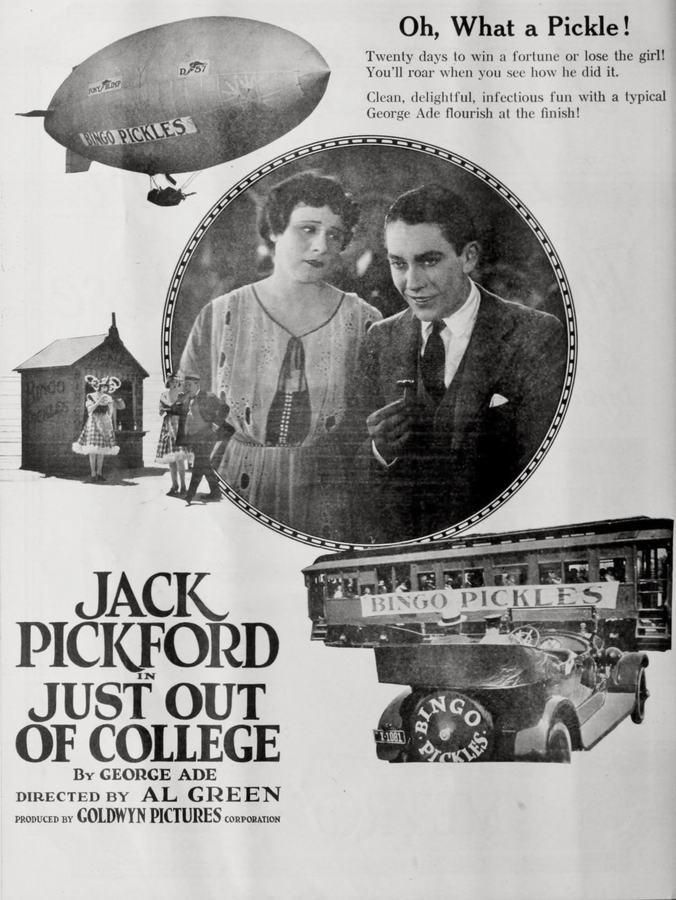
Dir: Alfred E. Green
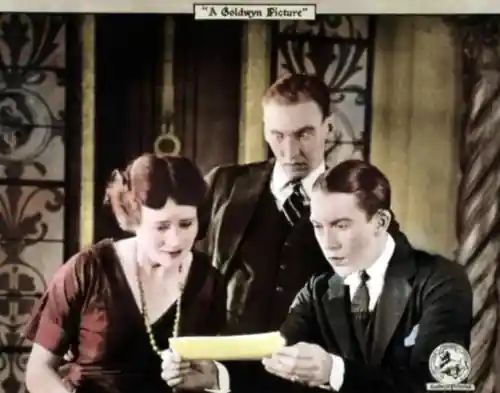
In order to win the hand of the girl he loves, Ed Swinger creates a phony business to fool her father.
View Details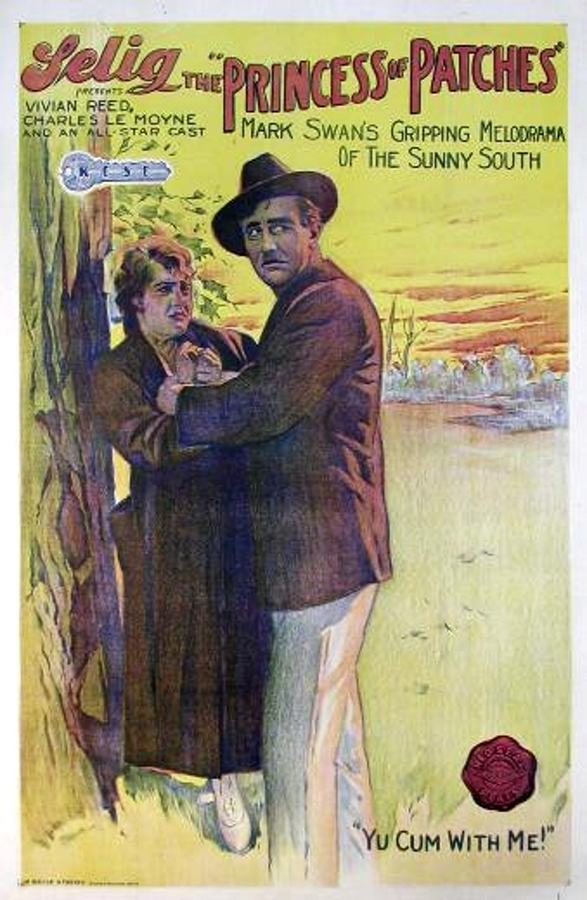
Dir: Alfred E. Green
Patches, a beautiful girl, lives with her foster-mother Liza Biggs, who dresses her in rags. She is surprised to see Judas, the overseer, give Liza a locket. Jack Merry arrives to purchase cotton from Colonel Silverthorne, a Southern gentleman of the old school, who looks after his dead brother's estate for his niece and nephew, Juliet and Lee. Col. Silverthorne tells Merry that years ago his brother chastised a field hand named Judas, and that little Selma disappeared. Her mother died of grief, while her father had not been seen since, on one occasion, he rowed to a houseboat, and was supposed to have been murdered; and that according to his will, the entire estate was to go to his missing daughter Selma if found within 20 years; if not, the estate was to be divided between Juliet and Lee. That night Judas demands money from Lee on penalty of disclosing the whereabouts of Selma. In the meantime, Merry meets Patches and kisses her hand, exclaiming "May the Princess of Patches have a happy reign." He leaves with Col. Silverthorne, the money for the cotton, and Lee steals it. Lee claims that Waggles, a tramp friend of Patches, is the thief, but Patches believes Judas has the money and he is captured with part of it in his possession. Col. Silverthorne, despite the protests of Juliet and Lee, invites Patches to become one of the family. Years pass. Patches returns from a fashionable school and again meets Merry Judas, who has escaped from prison, also returns, as does Waggles the tramp. Waggles asks Lee where he can find the "Princess of Patches," as he wishes to return a locket which she lost. Lee recognizes the locket as the one proving the identity of Selma, and upon his promise to deliver it to Patches, Waggles surrenders it. This is the locket Judas gave to Liza, and which Patches afterwards secured. Patches, among the daisies, plucks the petals and murmurs "He loves me, he loves me not." "He loves you dearly," exclaims Jack Merry behind her, as he takes her in his arms. Lee is dumbfounded to see Judas, who tells him unless he helps to keep him out of jail, he will produce proofs that Patches is Selma Silverthorne. Lee gives money to Judas and tells Juliet what he has learned; she tells him he must marry Patches. Waggles overhears Judas and Lee and informs Patches. At midnight they secrete themselves on the houseboat and hear Judas tell Lee that he stole Selma, and that the baby clothes he produces are proofs of her identity. The money Lee offers Judas is not satisfactory, and as the two fight, Waggles secures the proofs. They discover the loss, and suspecting someone else is on the boat, light the fuse connected with a box of gunpowder. Lee springs overboard, and Patches confronts Judas, exclaiming: "I know everything and you shall be punished." Judas overpowers the girl and Waggles, binds them, and swims ashore. Patches finally frees herself and releases Waggles. They spring into the water just as the explosion demolishes the houseboat. On reaching the shore, Waggles overpowers Judas, who confesses Patches is the real heiress; and repeats the confession to Colonel Silverthorne a few minutes before Lee and Juliet would have come into possession of the property. Lee, implicated by Judas, disappears and Patches is happy in the love of Jack Merry.
View Details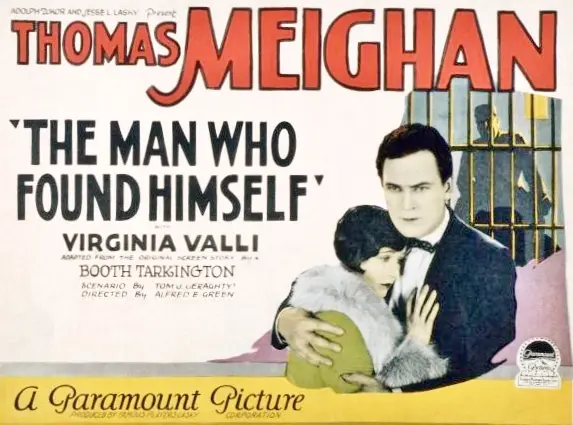
Dir: Alfred E. Green
Tom Macauley and his younger brother, Edwin, are directors in their father's bank. Edwin speculates with the bank's funds, but banker Lon Morris, a supposed friend, plots successfully to have Tom shoulder the blame. In prison, Tom becomes a trusty, but he breaks out when he learns that Morris is to marry Nora Brooks, his fiancee. He confronts Morris and Nora with the truth, beats up Morris for good luck, and returns to prison. His father dies heartbroken, and Tom is scorned by Edwin's wife when he is released. With the aid of two prison buddies (The Optimist and The Pessimist), Tom breaks into the Macauley bank (now controlled by Morris), steals funds, plants them in Morris' house, and notifies the bank examiners. Morris, who actually has been embezzling funds, goes to the bank to obtain more money before making a getaway. He is shot by a watchman; Tom learns that Nora has been a wife in name only; and he marries her.
View Details
Dir: Alfred E. Green
Disgusted with his spendthrift son, Kirk Anthony's father has Kirk shanghaied and taken to Panama, where he (Kirk) attracts the attention of Mrs. Edith Cortlandt; falls in love with Chiquita, the daughter of a Panamanian general; gets a railroad job through Stephen Cortlandt (Edith's husband); and decides to make something of himself when he meets Allen Allan, a Negro soldier of fortune. Stephen Cortlandt's death is blamed on Kirk until Edith produces a suicide note; he succeeds in his railroad position and returns to the United States with Chiquita to ask his father's forgiveness.
View Details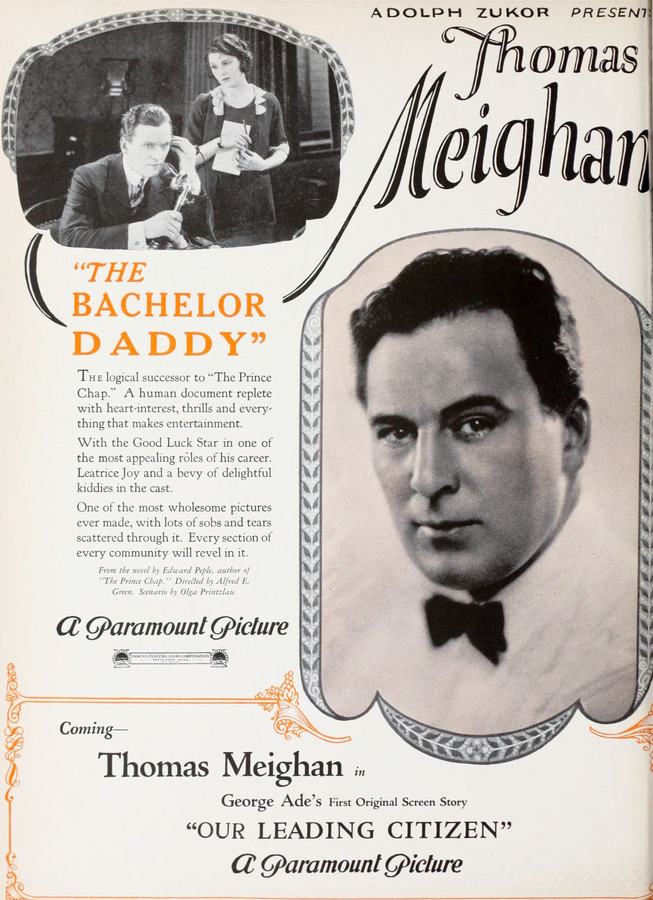
Dir: Alfred E. Green

After his mining partner Joe Pelton's (MacDonald) death, wealthy bachelor Richard Chester (Thomas Meighan) adopts Joe's five young children and takes them East by train. The children upset the calmness of the passengers of the Pullman car en route to New York City, and when they arrive at Richard's home they drive the servants almost crazy. Richard enrolls them all in school except for the youngest. His fiancee Ethel McVae (Maude Wayne), a frosty society woman, refuses to have anything to do with the children and breaks their engagement when she sees how Richard reacts when his stenographer Sally Lockwood (Leatrice Joy) helps him nurse the youngest child through a night's illness. The secretary wins Richard's love through the baby.
View Details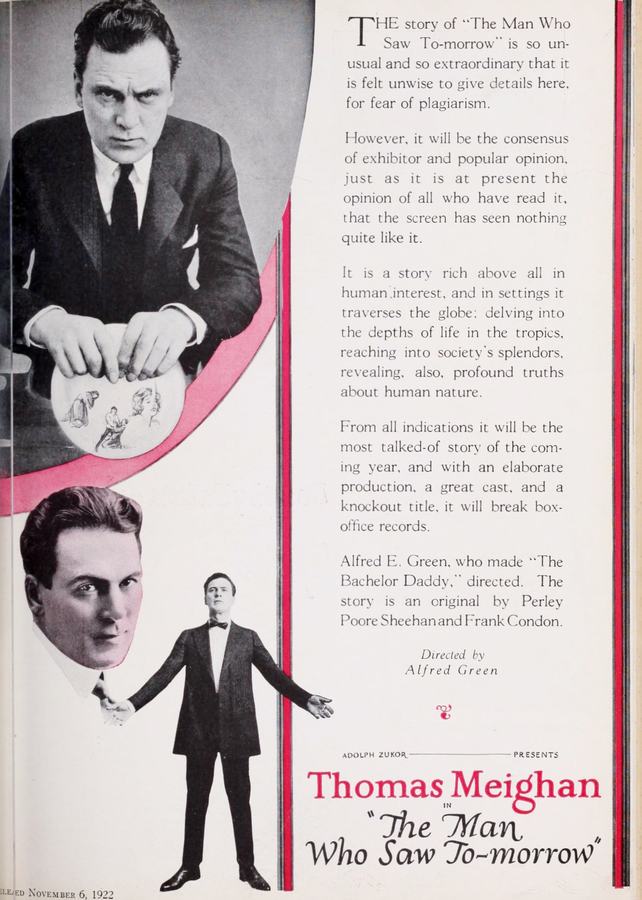
Dir: Alfred E. Green
In trying to decide whom to marry--Rita Pring, the daughter of a South Seas ship captain, or Lady Helen Deene, an Englishwoman with wealth and influence--Burke Hammond consults Professor Jansen, a psychologist. Jansen induces in Burke a hypnotic trance in which he sees his future with each of the women. If he marries Helen, he will have fame, material comforts, and political power, but no love from his wife. If he marries Rita, his life will be humble but happy until Captain Pring's first mate, Jim McLeod, stirs up trouble and a shot is fired at Burke. Jansen cannot tell if the shot means death to Burke; nevertheless, Burke unhesitatingly chooses life with Rita.
View Details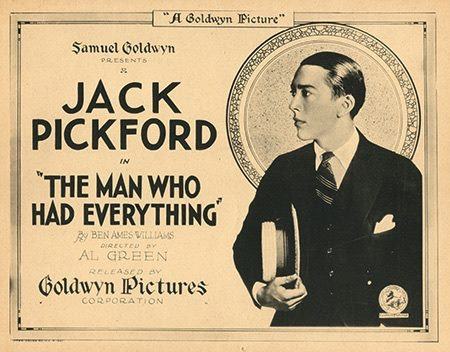
Dir: Alfred E. Green
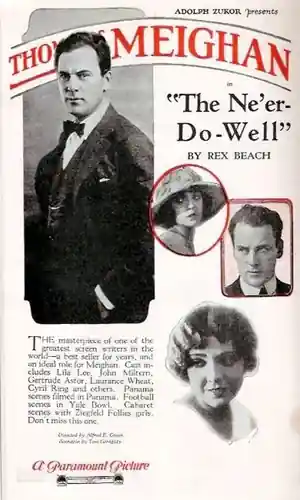
Harry Bullway is a careless young man, always after a good time. He nearly runs over a blind beggar with his car, but he shows no remorse. In response to his heartlessness, the beggar curses him, saying, "May you always have everything that you want."
View Details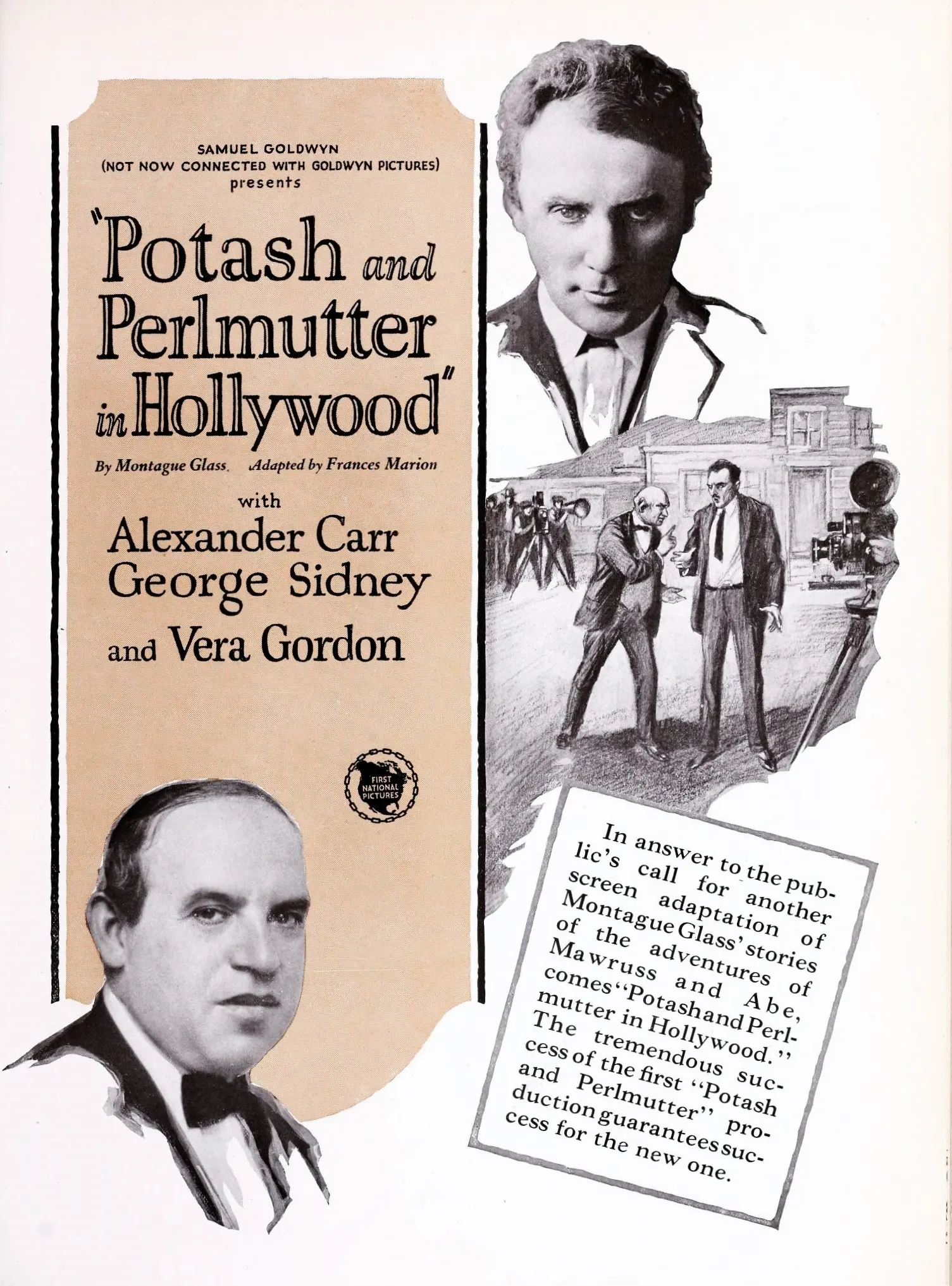
Dir: Alfred E. Green
Potash and Perlmutter give up their textile business to produce motion pictures. Though their initial effort is a failure, they interest a banker, Blanchard, in financing their productions, provided that they engage Rita Sismondi, an actress famous for vamp roles. She all but breaks up the homes of the partners. When they finally settle their differences, their new picture is a success and the vamp begins a romance with the director.
View Details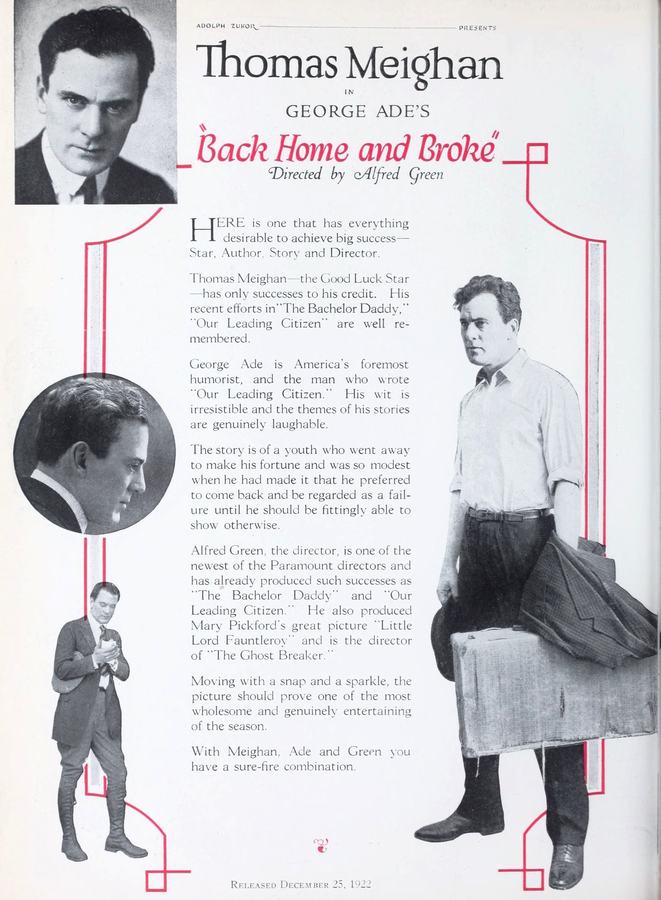
Dir: Alfred E. Green
When Tom Redding's wealthy father dies and it turns out that all he left Tom was a mountain of debts, all of his "friends" desert him--except young Mary Austin. Determined to get out from all his debt, Tom heads west and eventually strikes it rich with an oil well. Now wealthy, he hatches a plan to get even with his "friends" in his hometown--by pretending to return home broke but having a colleague secretly buy up as much property in town as he can.
View DetailsAnalysis relative to Little Lost Sister
| Film Title | Atmosphere | Complexity | Similarity |
|---|---|---|---|
| A Double-Dyed Deceiver | Tense | Dense | 88% Match |
| Just Out of College | Surreal | Layered | 92% Match |
| The Princess of Patches | Gothic | Layered | 86% Match |
| The Man Who Found Himself | Tense | Linear | 85% Match |
| The Ne'er-Do-Well | Gothic | High | 85% Match |
This guide was algorithmically generated using the cinematic metadata of Alfred E. Green's archive. Last updated: 6/28/2026.
Back to Little Lost Sister Details →