Summary
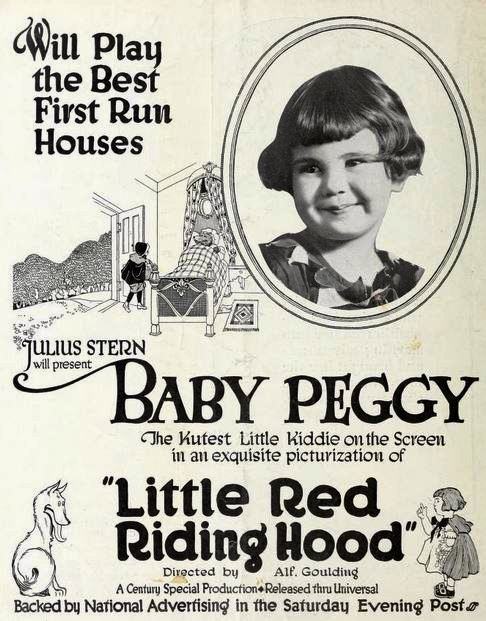
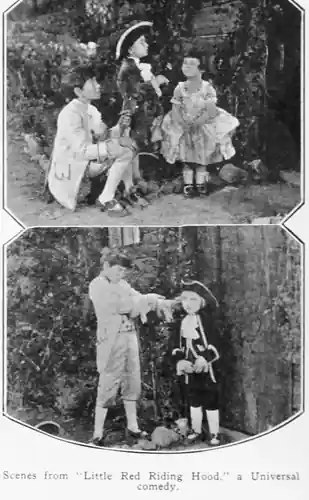
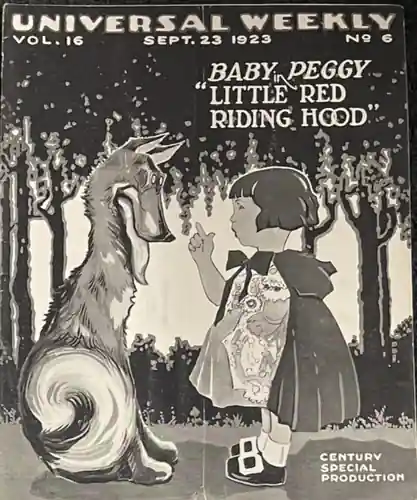
In Alfred J. Goulding's 1922 cinematic articulation of the enduring Brothers Grimm narrative, "Little Red Riding Hood" transcends a mere children's fable, emerging as a stark, if simplified, allegorical journey into the treacherous liminal spaces between innocence and peril. Young Baby Peggy, a prodigious talent of the silent era, embodies the eponymous heroine, a figure of radiant naiveté dispatched by her maternal guardian to traverse a verdant, yet subtly menacing, forest. Her mission: to convey sustenance to her infirm grandmother, who resides beyond the sylvan threshold. This seemingly innocuous errand is swiftly complicated by the predatory machinations of a lupine antagonist, a creature of primal cunning who, through deceptive charm and calculated guile, extracts the child's destination. The wolf's subsequent race to the grandmother's dwelling culminates in a chilling pre-emptive strike, the matriarch consumed, her identity usurped by the disguised predator. Red Riding Hood's arrival at the cottage, marked by a gradual dawning of suspicion regarding her "grandmother's" grotesquely exaggerated features, heightens the suspense. The climactic reveal of the wolf's true nature and his impending attack on the child is abruptly thwarted by the opportune intervention of a vigilant woodcutter, a symbolic protector who had earlier imparted cautionary wisdom. His decisive act not only vanquishes the ursine threat but also effects the grandmother's improbable liberation, restoring a semblance of order to the disrupted pastoral idyll and reaffirming the triumph of vigilance over vulnerability.