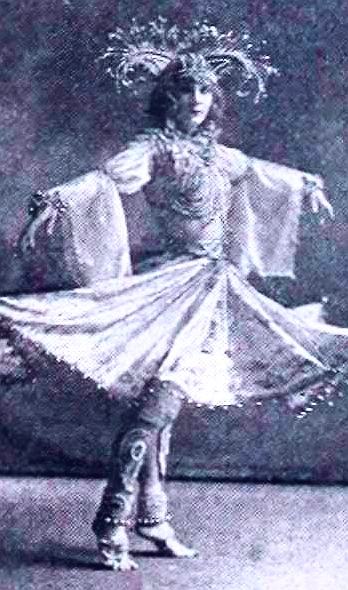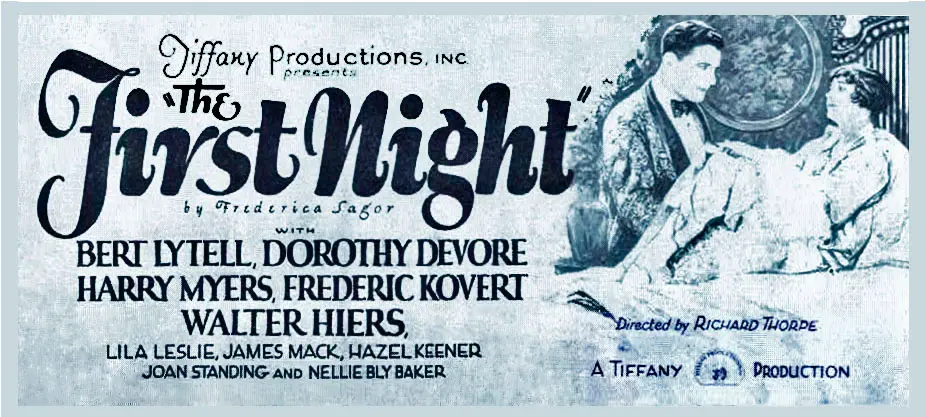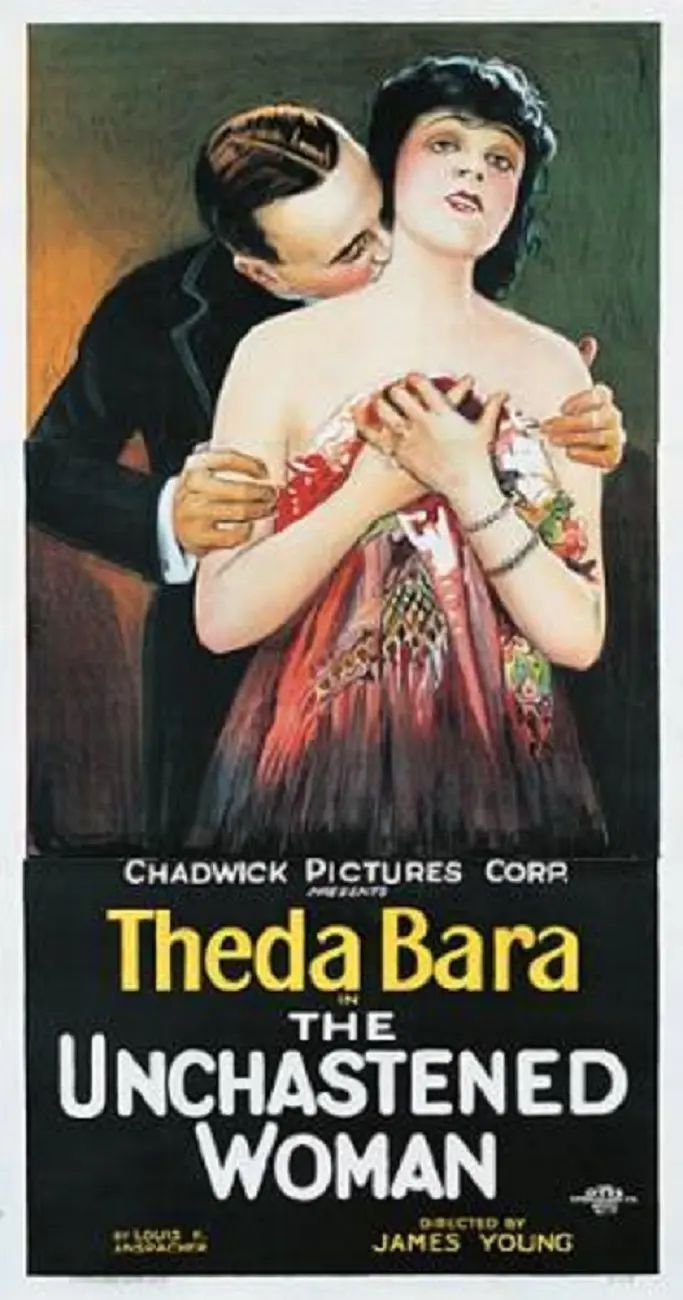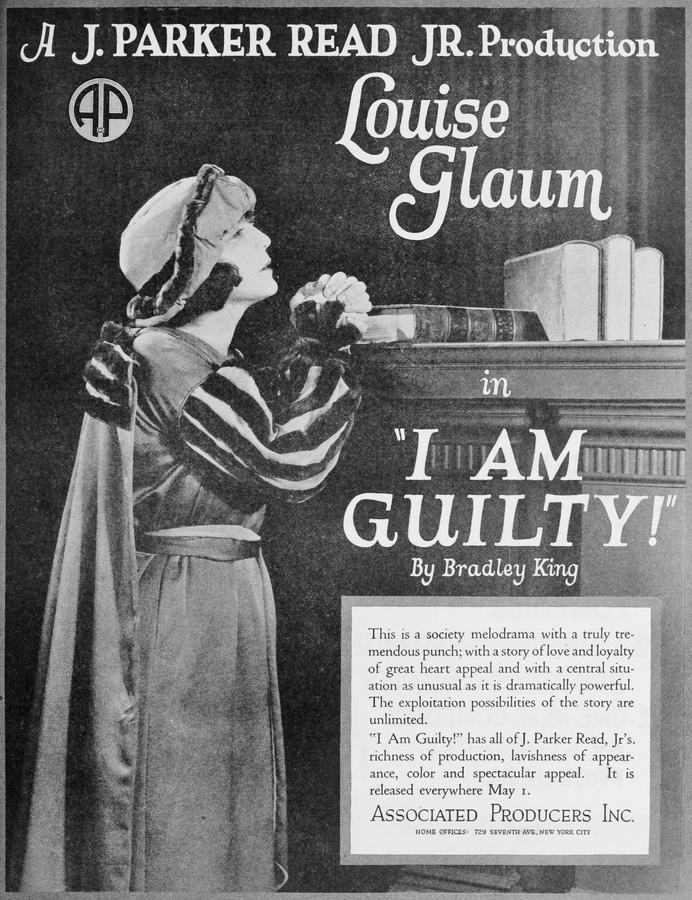
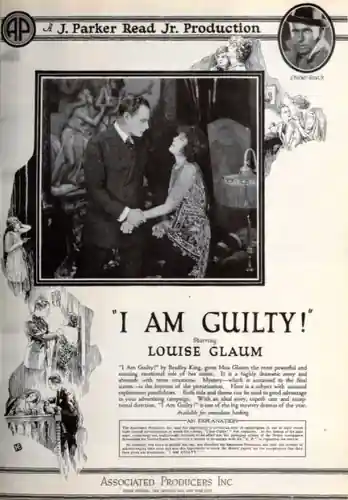
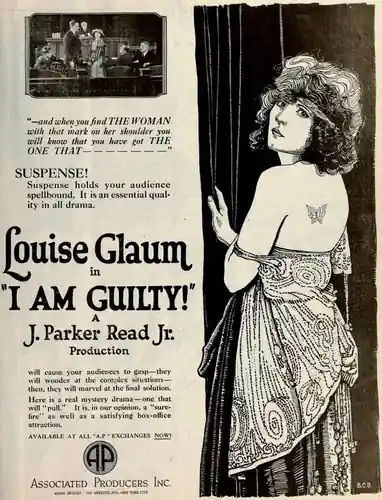
Connie a chorus girl, meets Robert MacNair an up-and-coming lawyer. Four years into their marriage, though still in love, MacNair neglects Connie.
p{margin:0 0 1.2em;line-height:1.7em;font-size:1.05em}strong{color:#EAB308}a{color:#0E7490;text-decoration:none;border-bottom:1px dotted #0E7490}a:hover{color:#C2410C;border-color:#C2410C}blockquote{border-left:4px solid #C2410C;padding-left:1.2em;margin:1.5em 0;font-style:italic;color:#EAB308}h2{color:#C2410C;margin:...
production_art
production_art
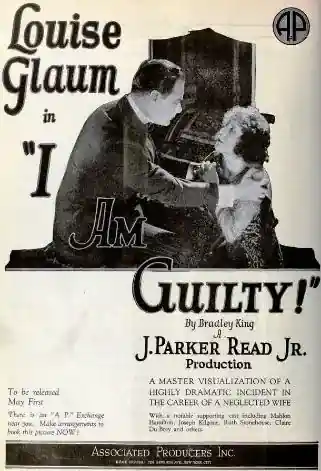
production_art
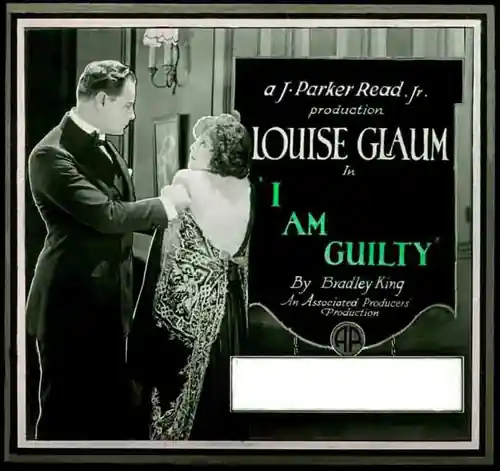
production_art
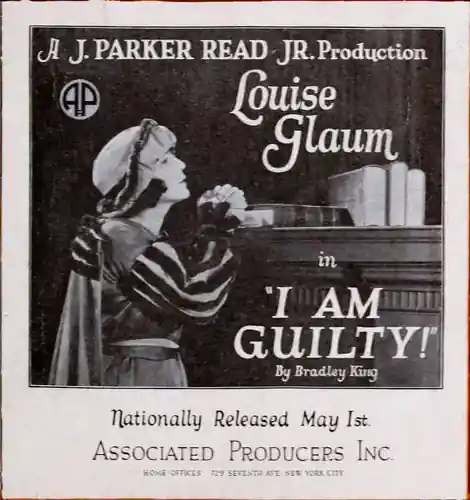
production_art
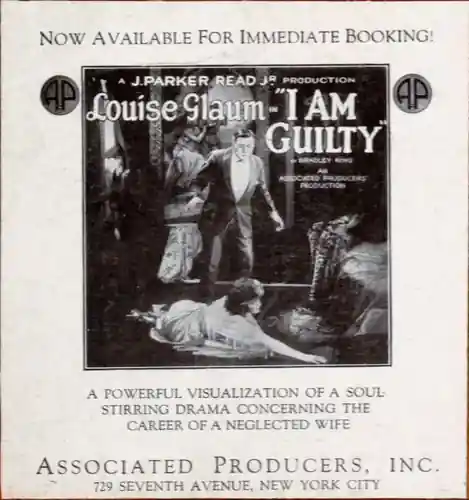
production_art
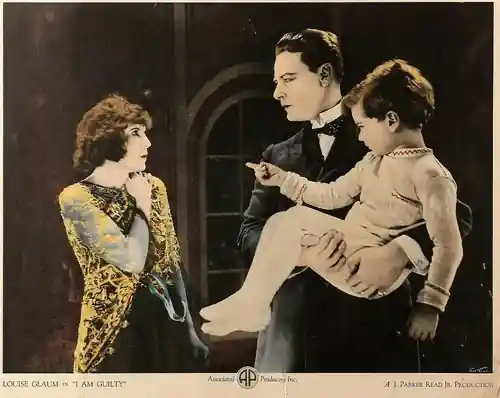
publicity
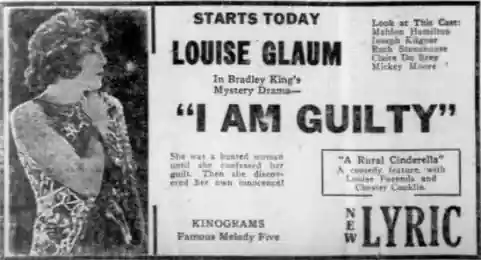
production_art

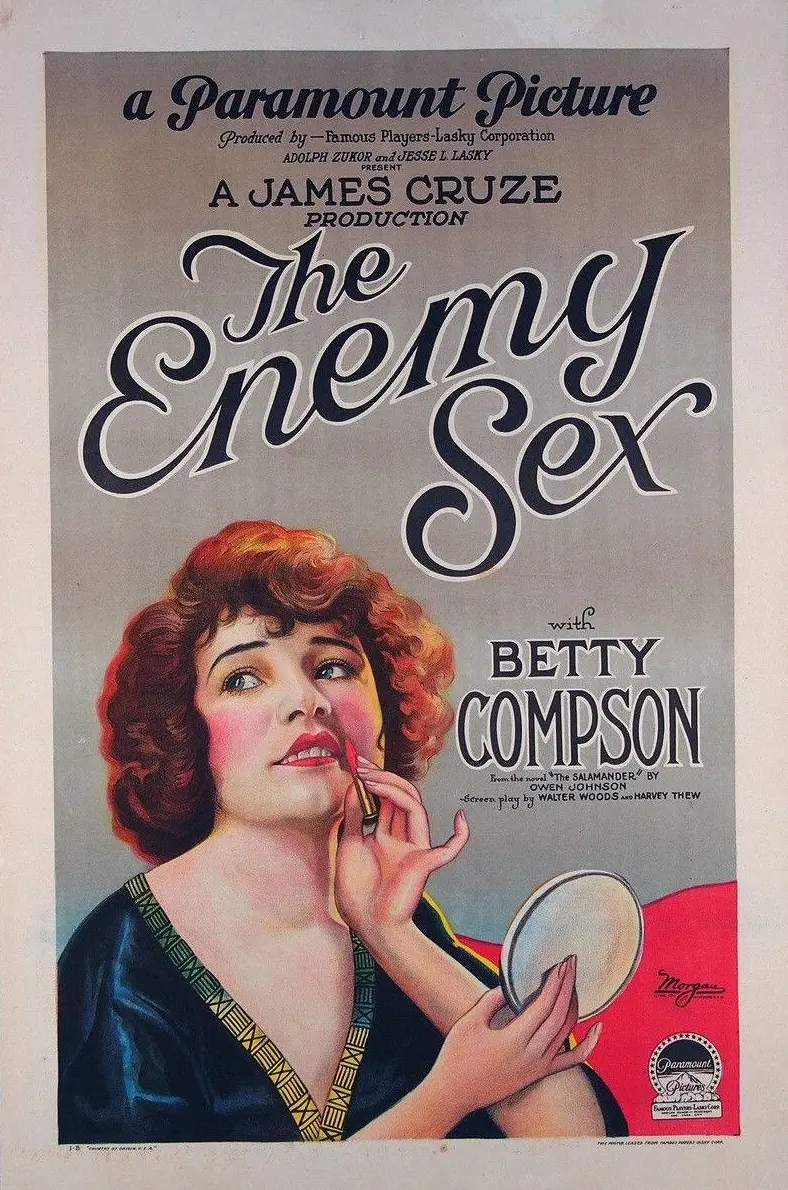
Comparing the cinematic DNA and archive impact of two defining moments in cult history.
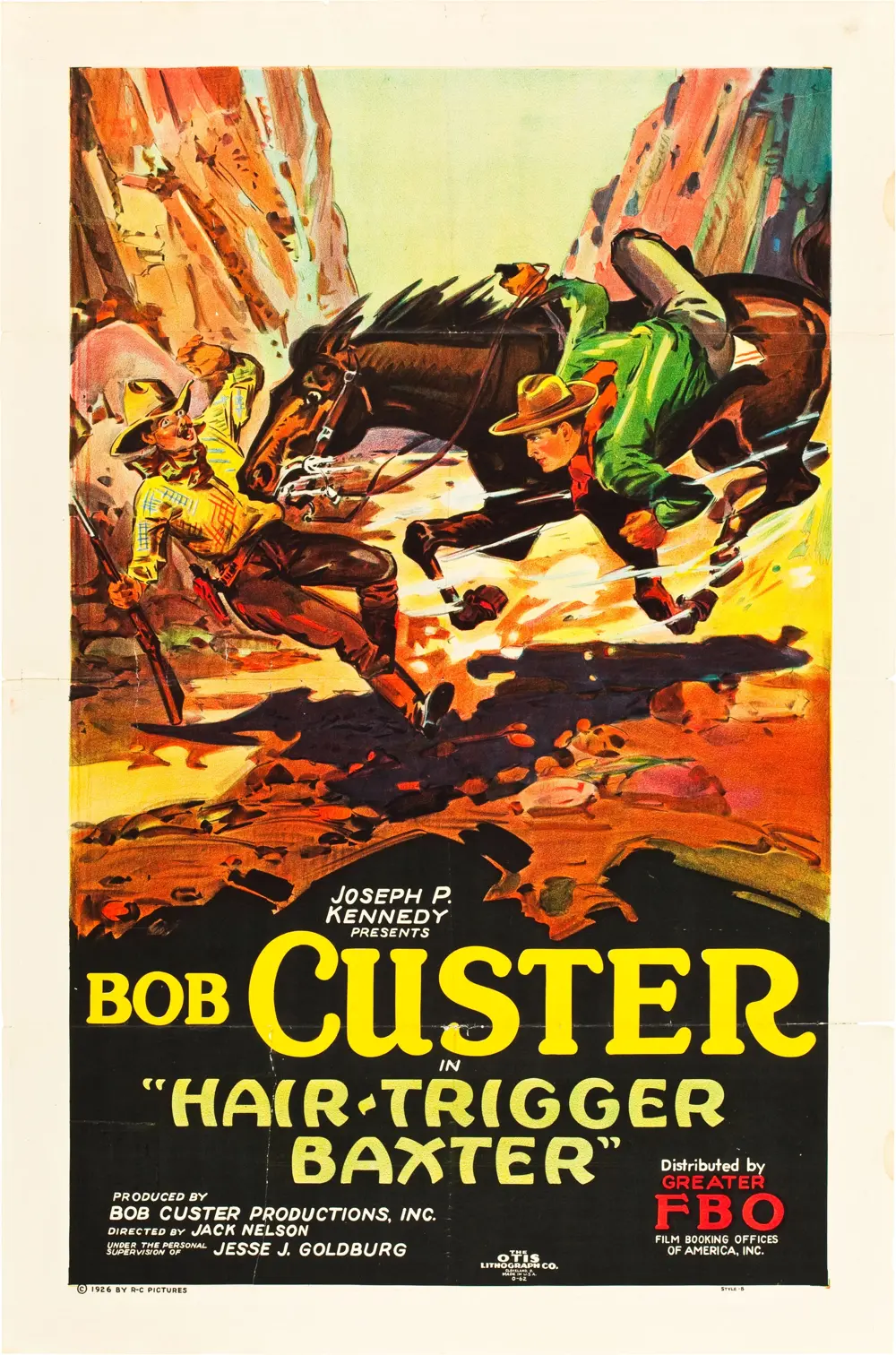
Jack Nelson
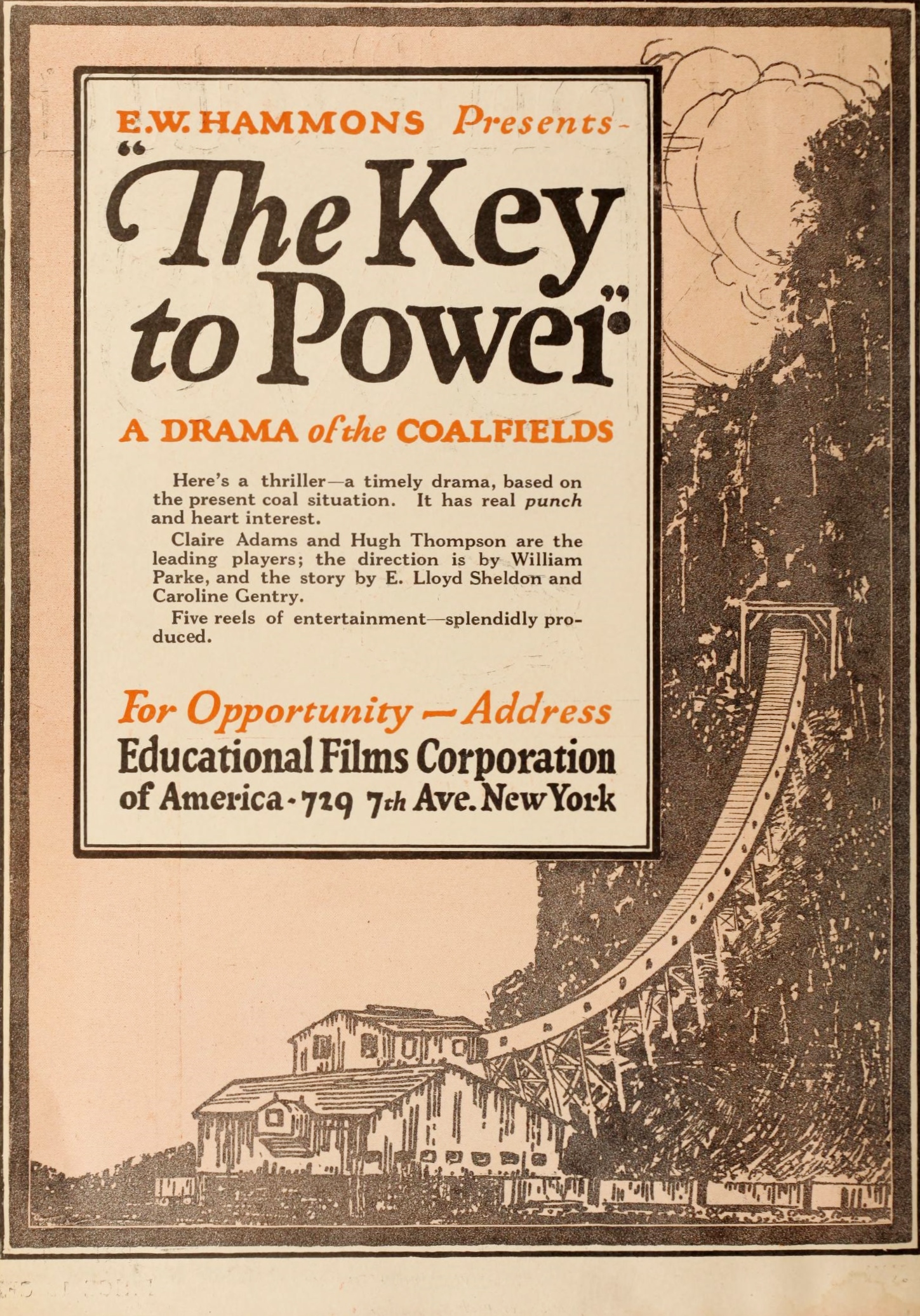
William Parke
Community
Log in to comment.
" p{margin:0 0 1.2em;line-height:1.7em;font-size:1.05em}strong{color:#EAB308}a{color:#0E7490;text-decoration:none;border-bottom:1px dotted #0E7490}a:hover{color:#C2410C;border-color:#C2410C}blockquote{border-left:4px solid #C2410C;padding-left:1.2em;margin:1.5em 0;font-style:italic;color:#EAB308}h2{color:#C2410C;margin:2.2em 0 .6em;font-size:1.4em;letter-spacing:.5px}ul{list-style:square inside;color:#EAB308}li{margin-bottom:.4em} The first time we see Connie she is all calf-skin and spangles, a..."
Bradley King
United States

Deep dive into the cult classic
Discover similar cinematic experiences
A Directorial Spotlight on Jack Nelson