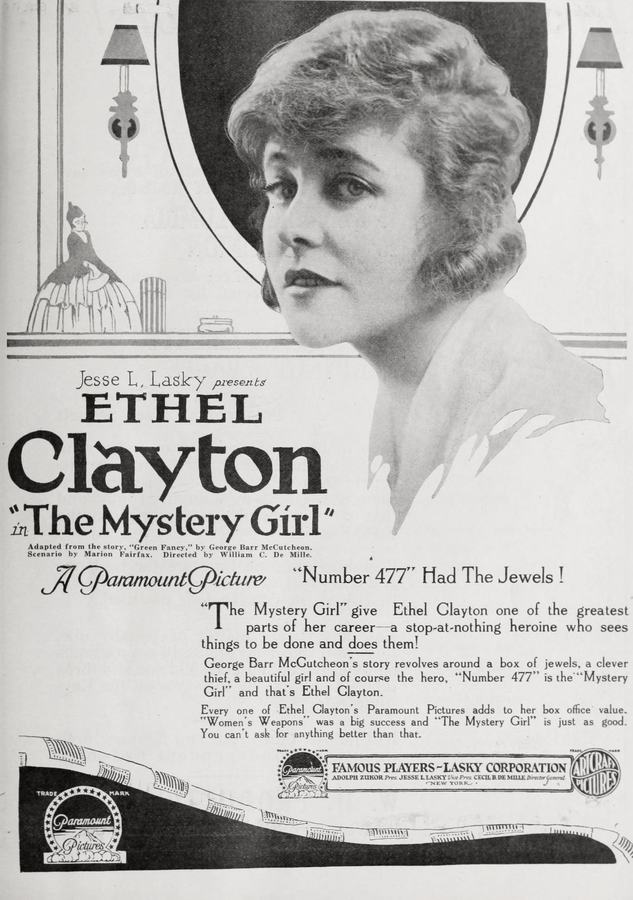
The death of her clergyman husband causes Mrs. Stanley, young mother of teenage twins, to change her style of life.
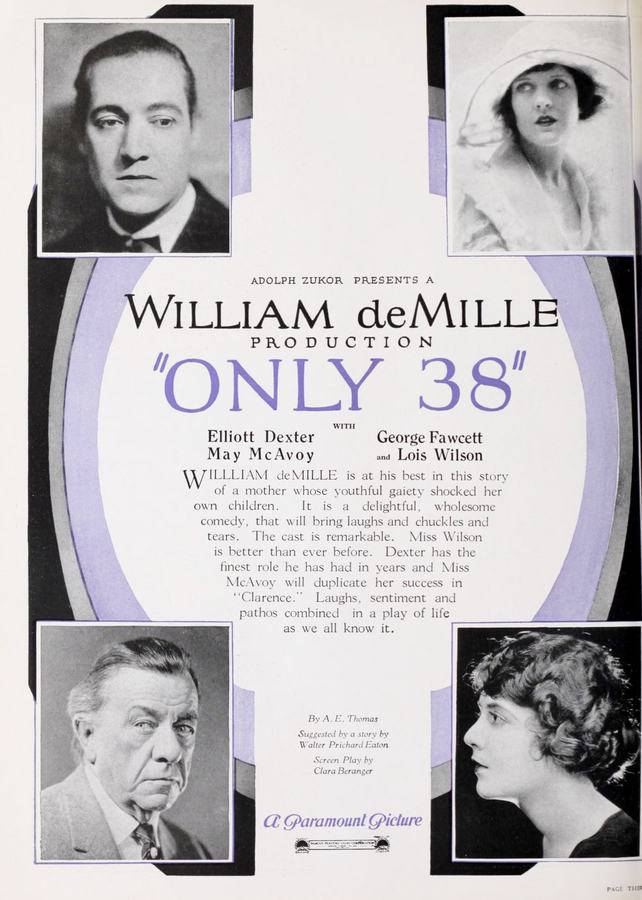
A Quiet Revolution in Silent Cinema When Only 38 first flickered across the silver screens of 1926, its modest box‑office receipts belied a narrative richness that would later attract the attention of scholars and cinephiles alike. Directed by an unnamed hand but scripted by the adept trio of A.E. Thomas, Clara Be...
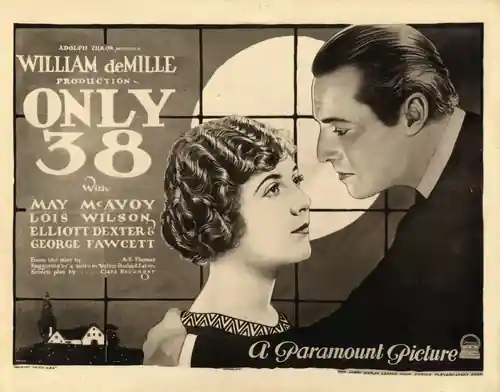
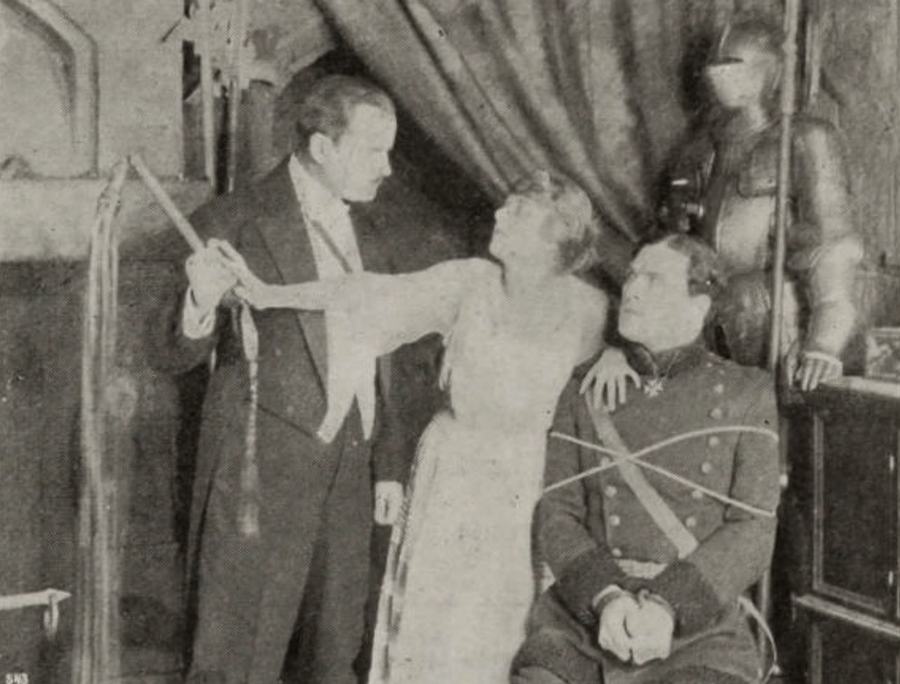
still_frame
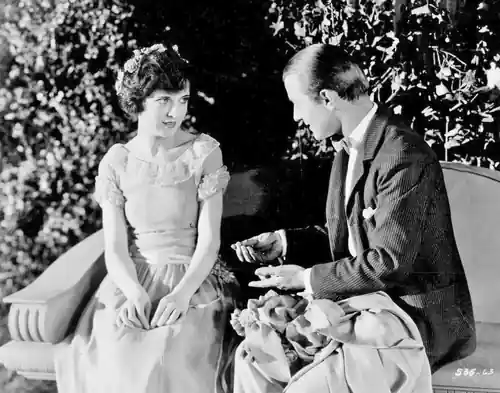
still_frame
Comparing the cinematic DNA and archive impact of two defining moments in cult history.
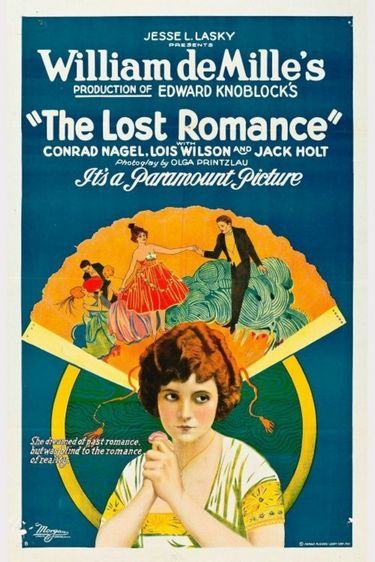
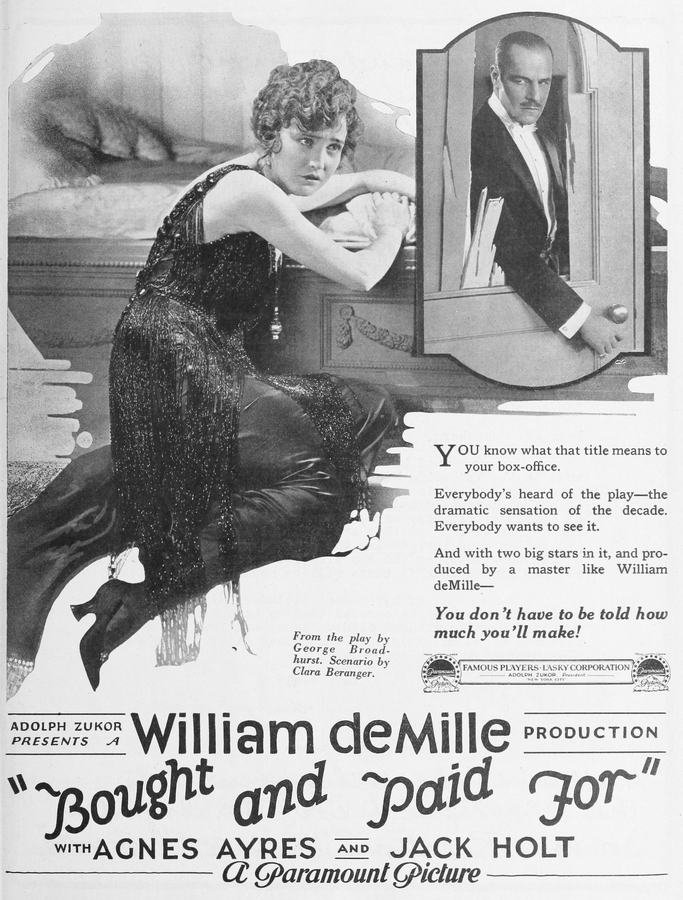
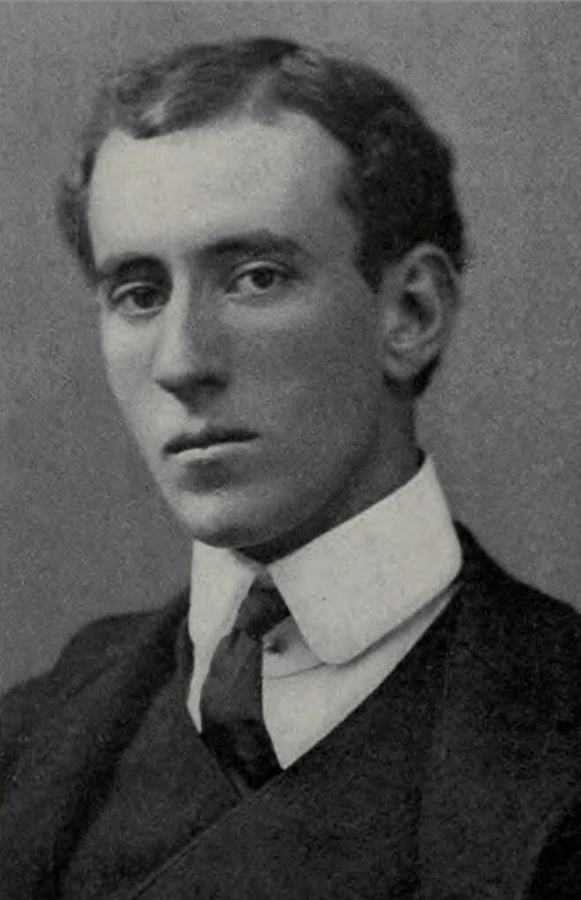
William C. de Mille
William C. de Mille
Community
Log in to comment.
" A Quiet Revolution in Silent Cinema When Only 38 first flickered across the silver screens of 1926, its modest box‑office receipts belied a narrative richness that would later attract the attention of scholars and cinephiles alike. Directed by an unnamed hand but scripted by the adept trio of A.E. Thomas, Clara Beranger, and Walter Prichard Eaton, the film offers a nuanced portrait of a woman navigating the treacherous waters of grief, societal expectation, and self‑actualization. Cast..."
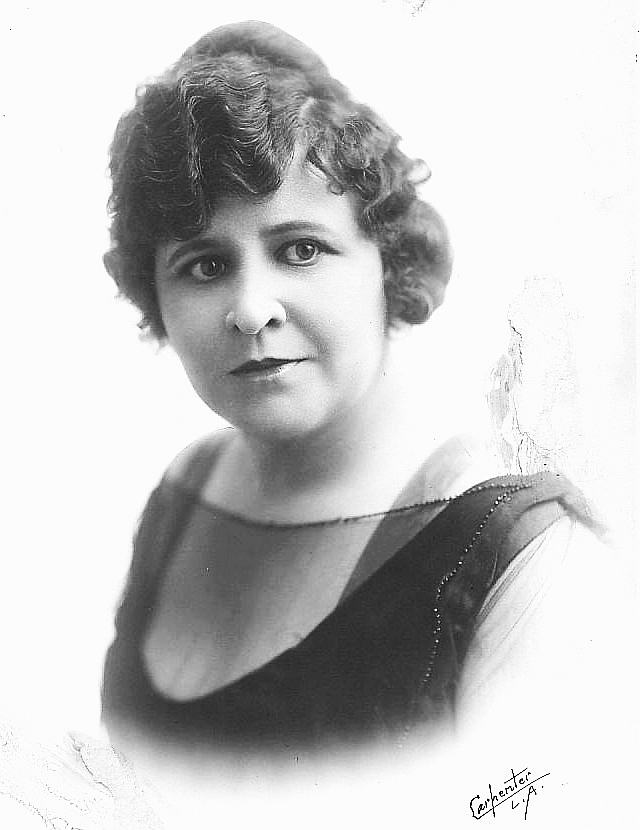
Lillian Leighton
A.E. Thomas, Clara Beranger, Walter Prichard Eaton
United States