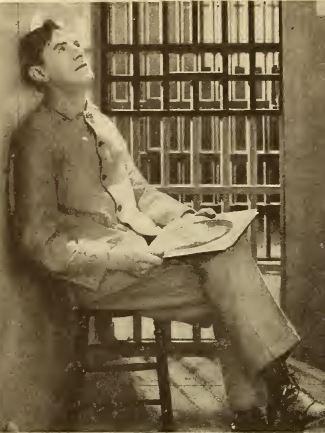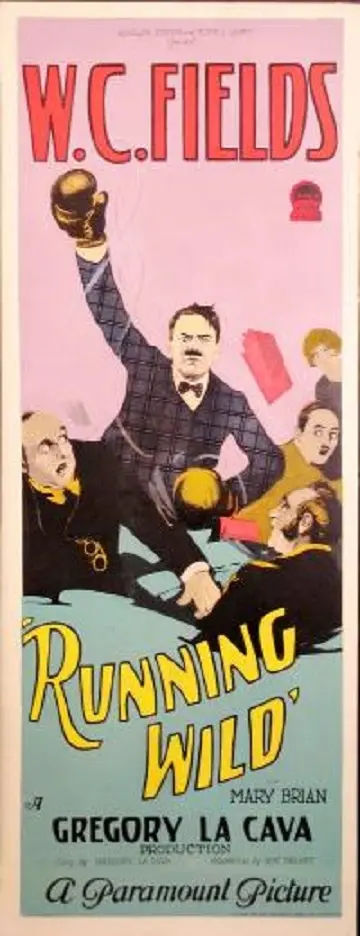
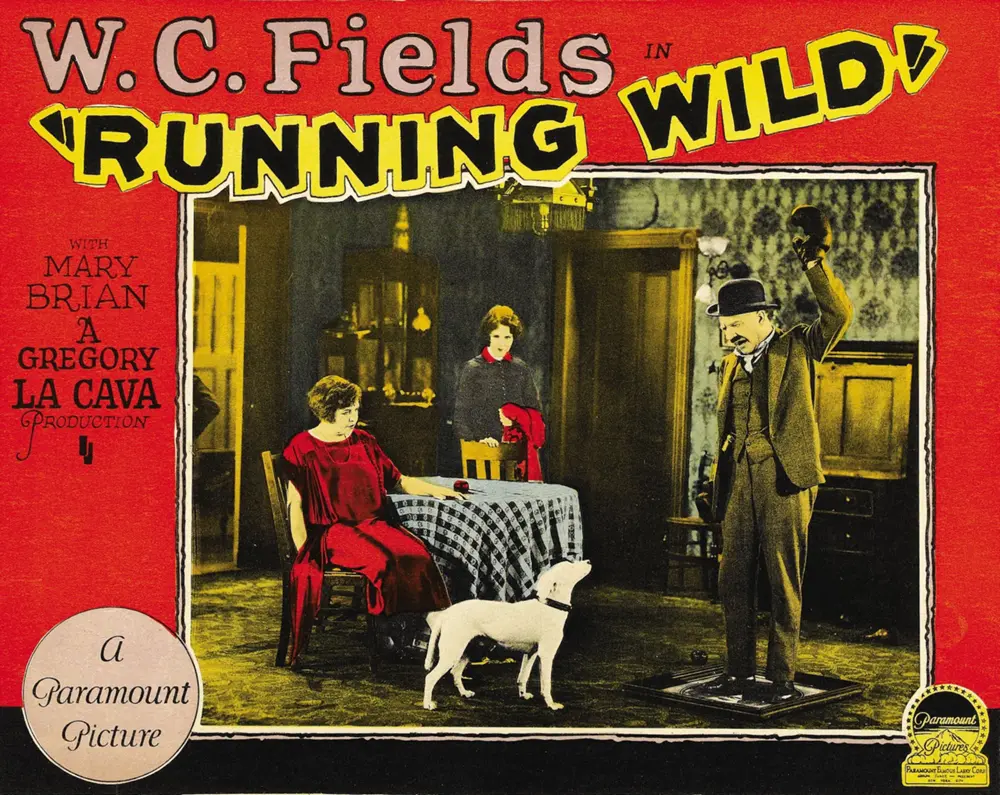
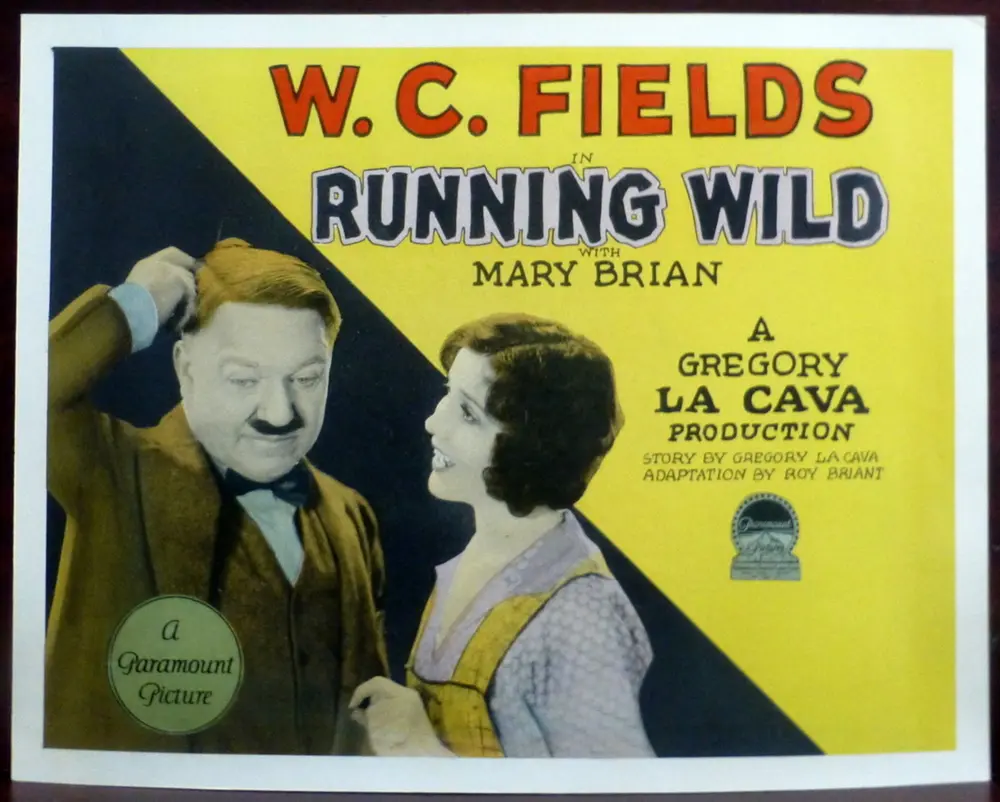
Cowardly Elmer Finch is browbeaten by his wife, daughter, fat son and the family dog. After hypnosis he is domineering.
Is <strong style="color...

product
production_art
production_art
Comparing the cinematic DNA and archive impact of two defining moments in cult history.
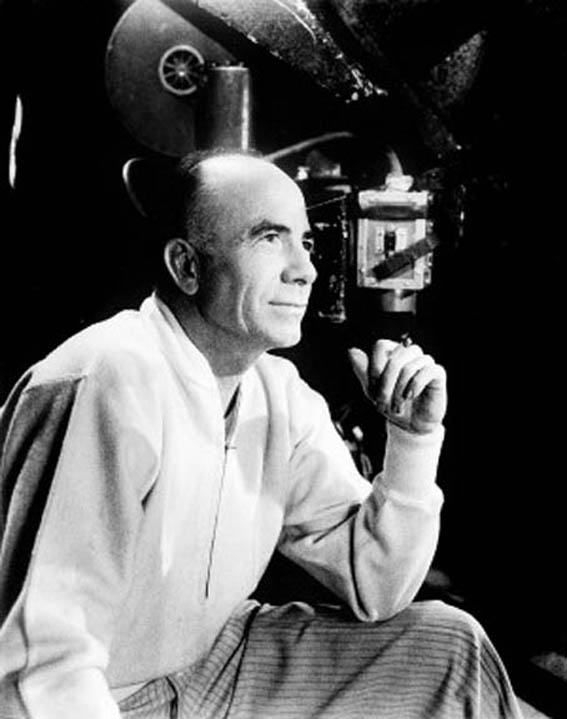
Gregory La Cava
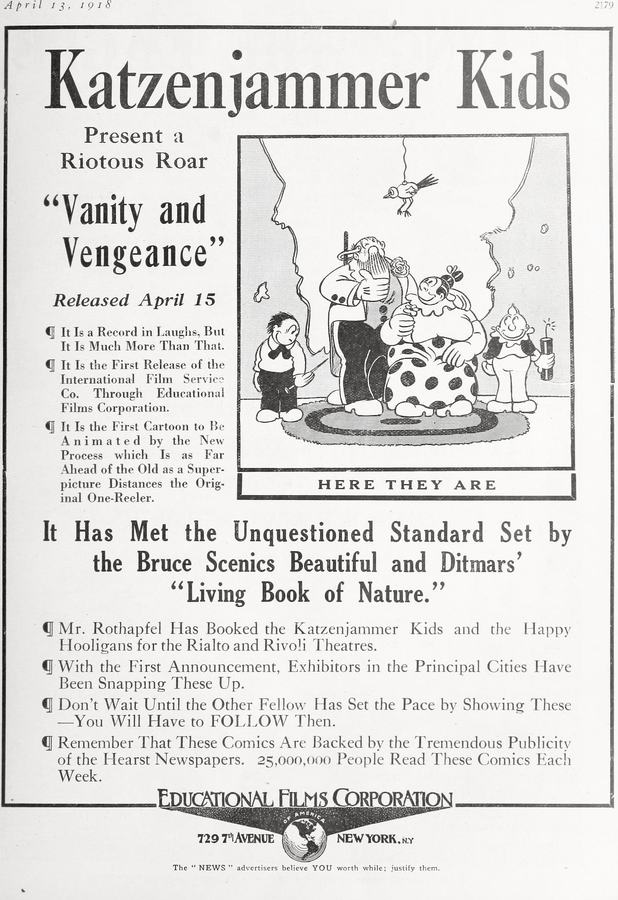
Gregory La Cava
Community
Log in to comment.
"Running Wild" plunges us into the perpetually harried existence of Elmer Finch, a man utterly subjugated by his own household. His life is a relentless gauntlet of passive aggression from his wife, the casual disdain of his daughter, the imposing presence of his "fat son," and even the family dog's dismissive barks. Elmer is the epitome of the henpecked husband, a figure of perpetual retreat and quiet suffering. The narrative takes a sharp turn when, through the peculiar art of hypnosis, Elmer undergoes a radical transformation, shedding his timidity to emerge as a figure of startling, uncharacteristic dominance. This newfound assertiveness, however, comes with a unique stipulation: a substantial fifteen-thousand dollar contract designed to ensure his courage endures, ostensibly beyond the hypnotic suggestion, setting the stage for a comedic exploration of identity, power, and the fragile line between genuine change and induced bravado.
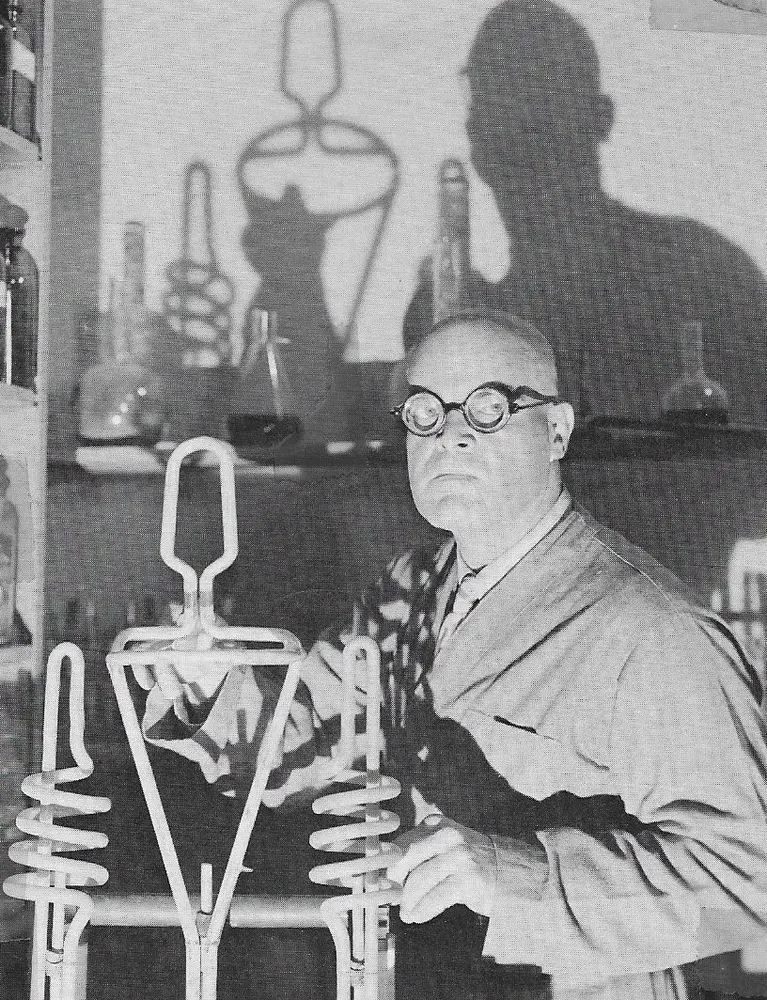
John Merton
Gregory La Cava, Roy Briant
United States

Deep dive into the cult classic
Discover similar cinematic experiences
A Directorial Spotlight on Gregory La Cava