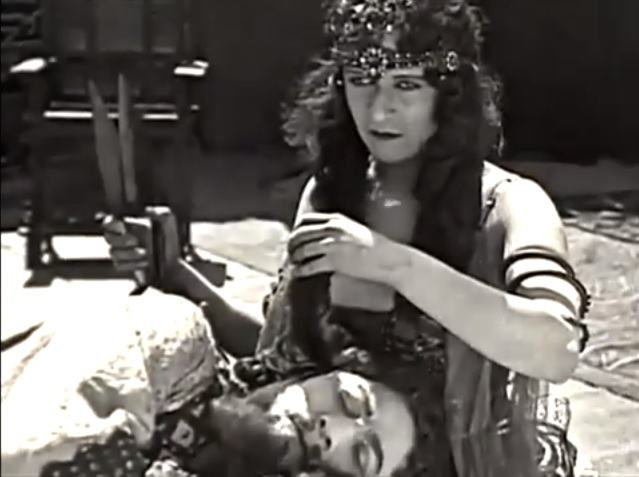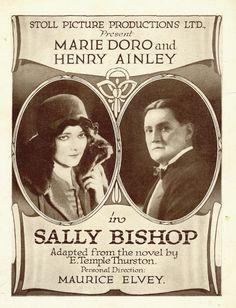
A typist threatens to expose her lover when he prosecutes the divorce of a woman he means to marry..
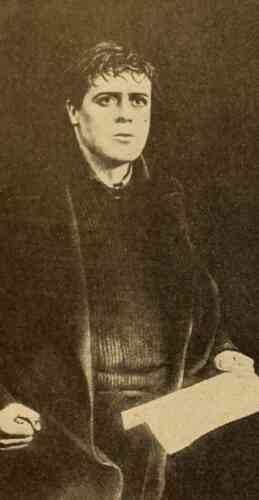
Sally Bishop, a 1920s British film that has weathered the decades with aching poignancy, is a narrative tightrope walk between moral decay and emotional catharsis. Directed with a surgeon’s precision by an unseen hand (at least in the surviving archives), the film’s core conflict is deceptively simple: a typist (Mar...

publicity
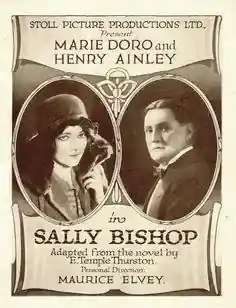
production_art
Comparing the cinematic DNA and archive impact of two defining moments in cult history.
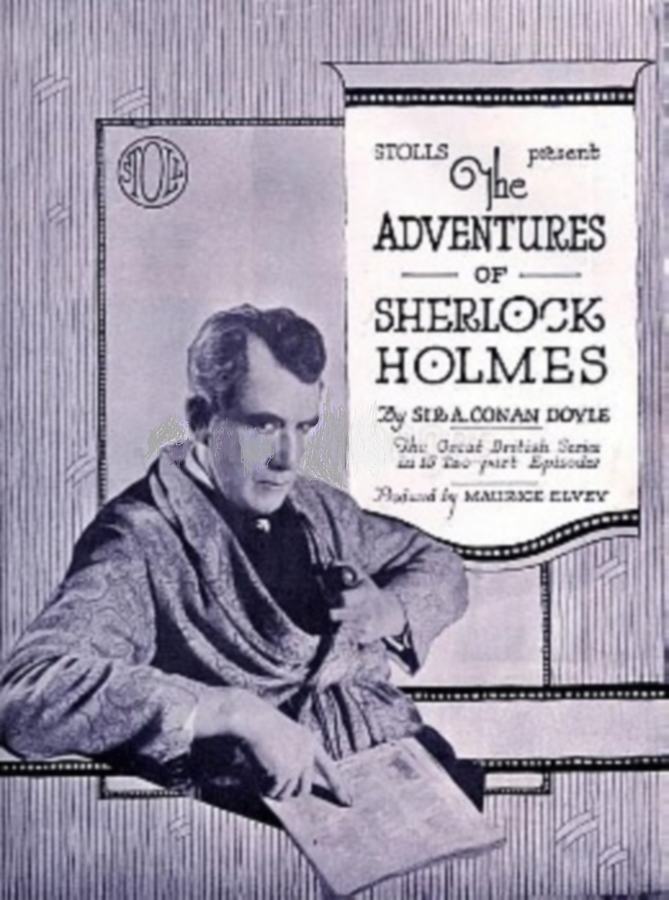
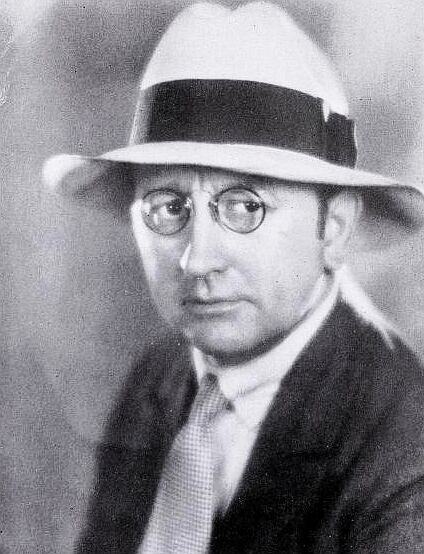
Maurice Elvey
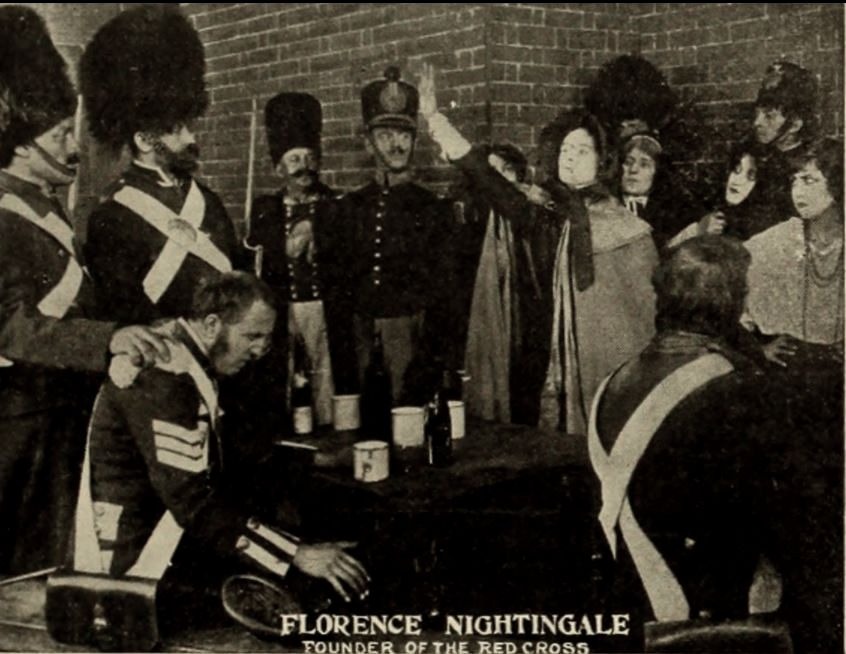
Maurice Elvey
Community
Log in to comment.
" Sally Bishop, a 1920s British film that has weathered the decades with aching poignancy, is a narrative tightrope walk between moral decay and emotional catharsis. Directed with a surgeon’s precision by an unseen hand (at least in the surviving archives), the film’s core conflict is deceptively simple: a typist (Mary Dibley) holds a knife to the throat of a man (Henry Ainley) who intends to destroy another woman’s life to secure his own happiness. Yet, this is no mere potboiler of infidelity ..."
A. Bromley Davenport
E. Temple Thurston
United Kingdom
Deep dive into the cult classic
Discover similar cinematic experiences
A Directorial Spotlight on Maurice Elvey