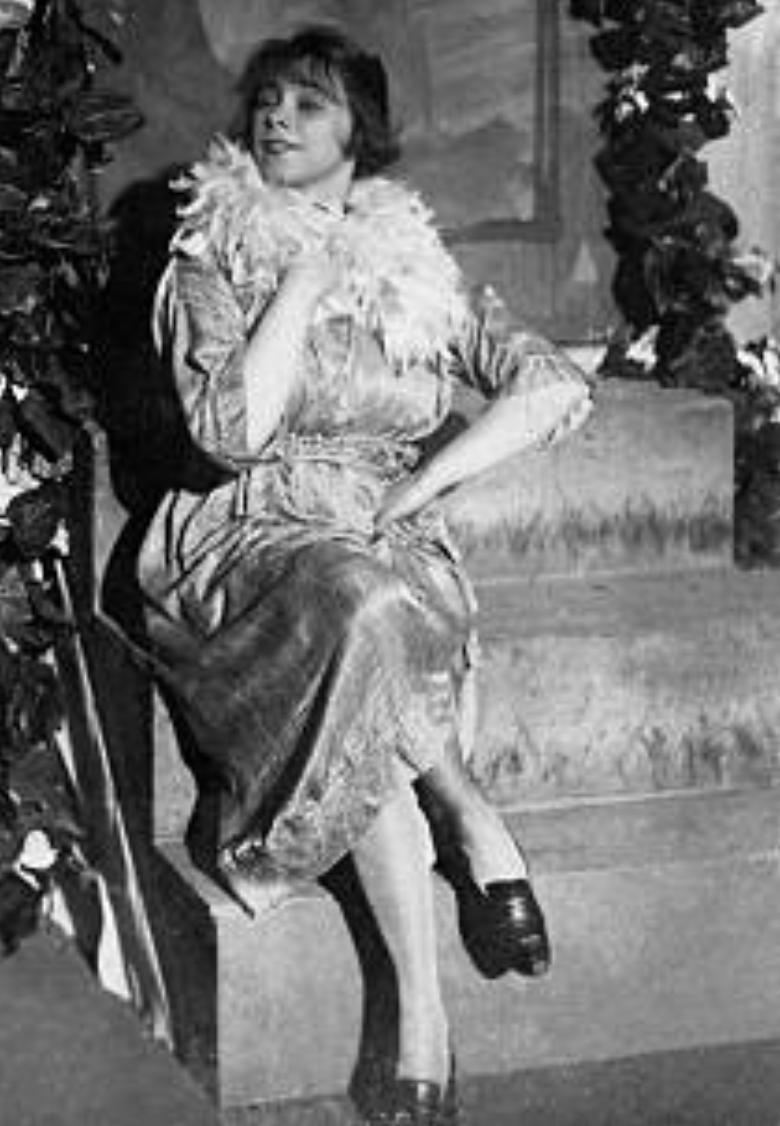
John Hemingway, while in Paris studying architecture, falls in love with Inez de Pierrefond, an author who believes in marriage free of state and church laws. He brings her to his home in Iowa, where she is scorned by the villagers until she threatens to reveal their own hypocrisy.
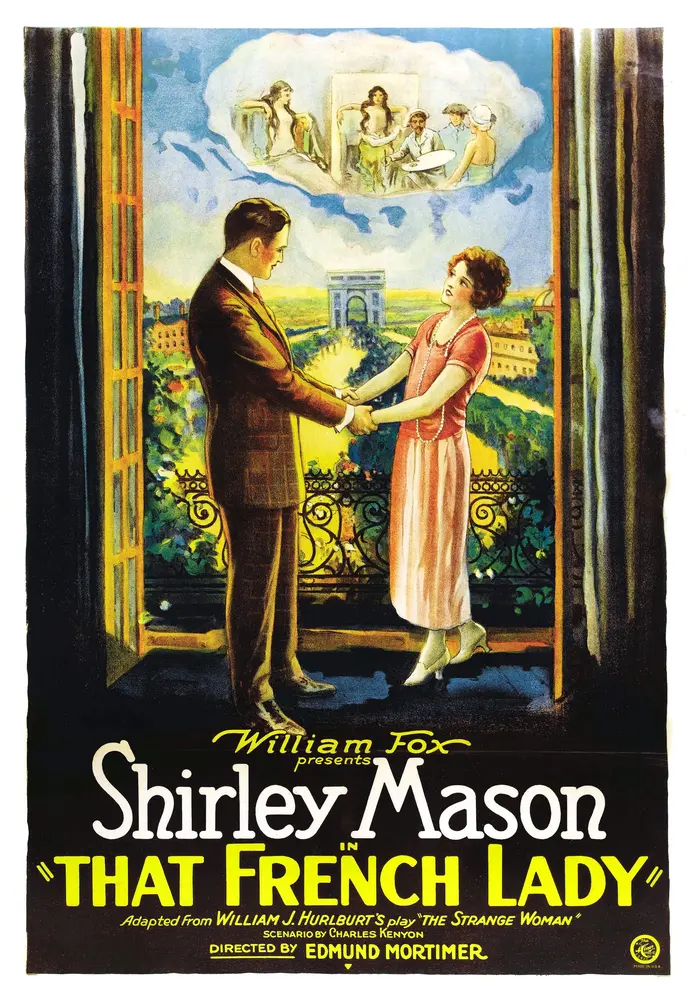
Cinema in the mid-1920s was often caught between the burgeoning avant-garde movements of Europe and the burgeoning moral conservatism of the American heartland. That French Lady (1924) serves as a fascinating, if occasionally melodramatic, bridge between these two disparate worlds. While many films of the era sought to...
Comparing the cinematic DNA and archive impact of two defining moments in cult history.
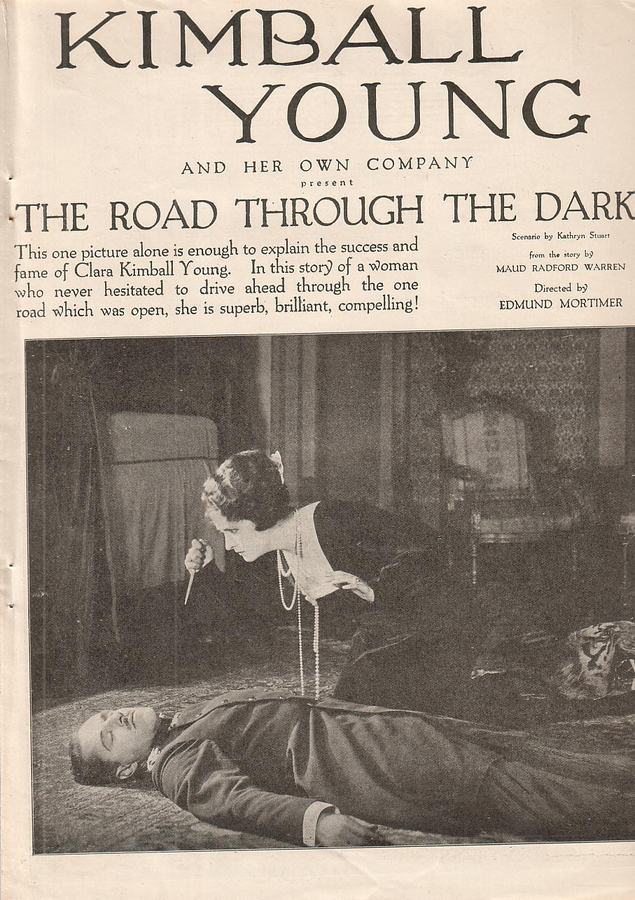
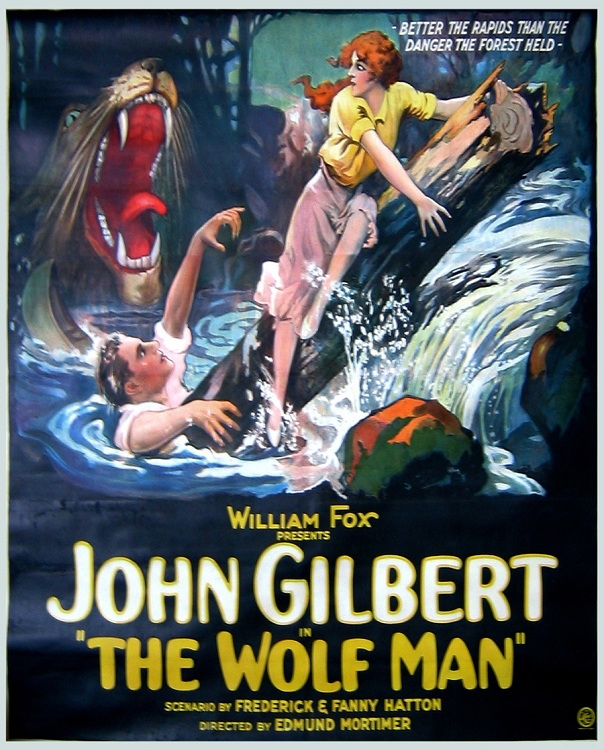
Edmund Mortimer
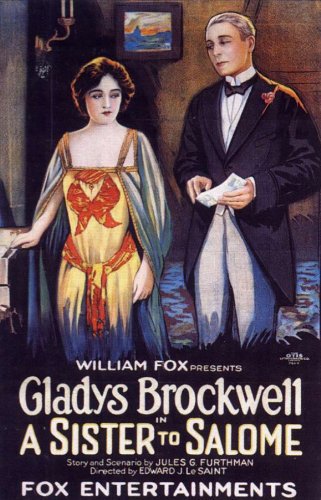
Edward LeSaint
Community
Log in to comment.
"Cinema in the mid-1920s was often caught between the burgeoning avant-garde movements of Europe and the burgeoning moral conservatism of the American heartland. That French Lady (1924) serves as a fascinating, if occasionally melodramatic, bridge between these two disparate worlds. While many films of the era sought to simplify the 'fallen woman' trope, writers Charles Kenyon and William Hurlbut craft a narrative that is surprisingly sophisticated in its ideological confrontations. The film does..."
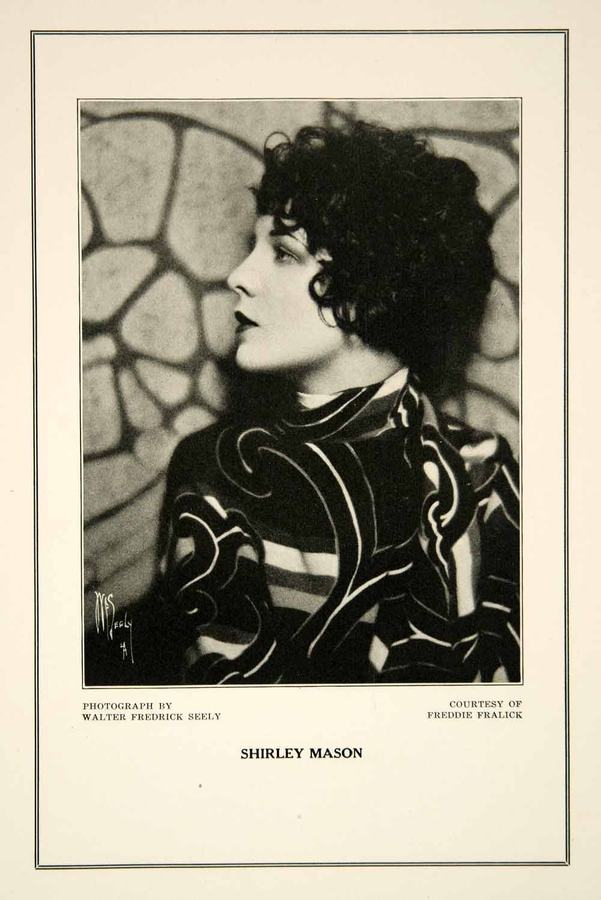
Shirley Mason
Charles Kenyon, William Hurlbut
United States
Deep dive into the cult classic
Discover similar cinematic experiences
A Directorial Spotlight on Edmund Mortimer