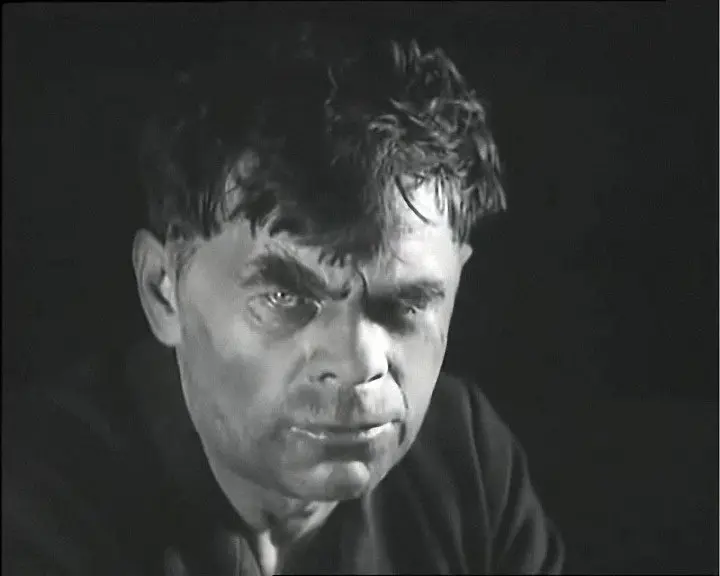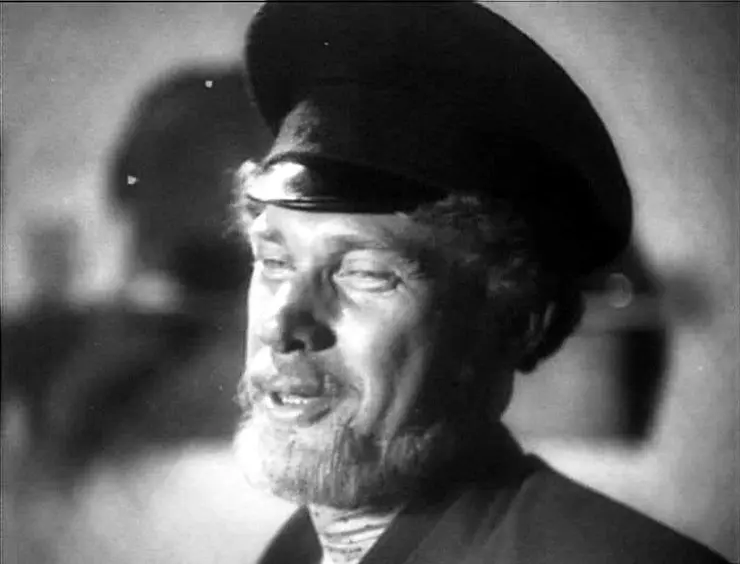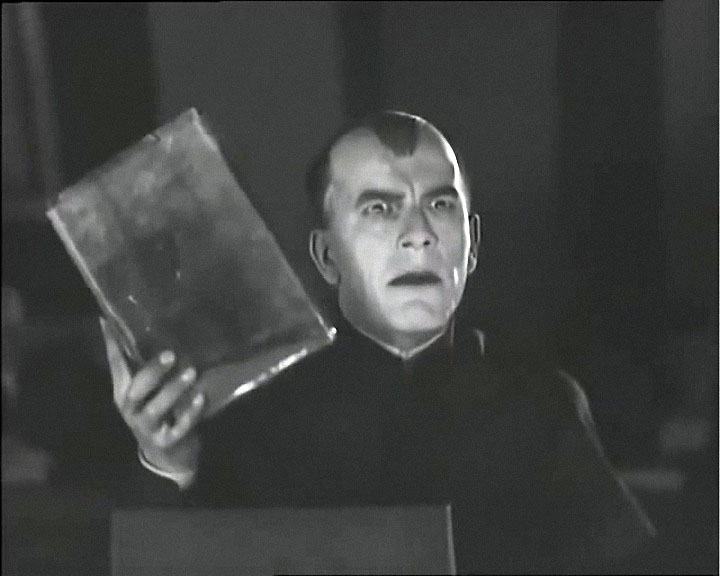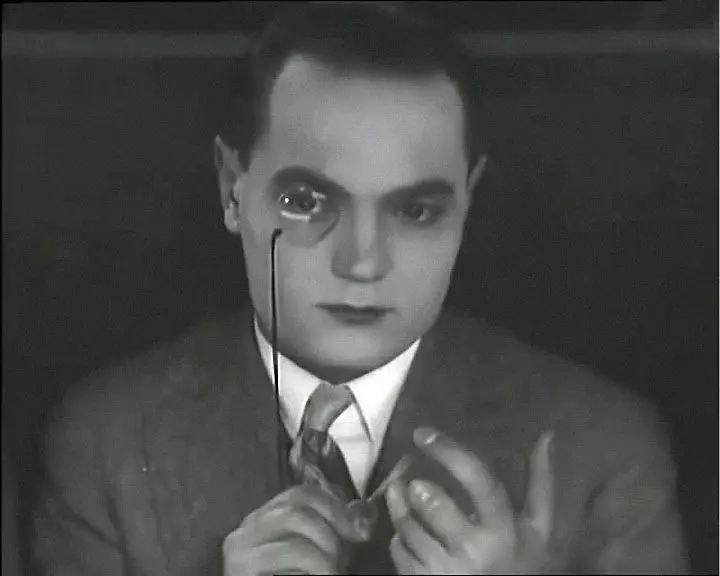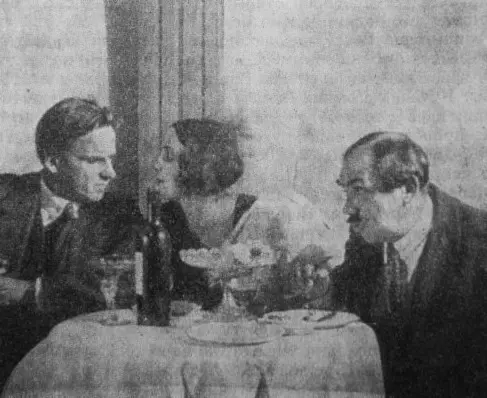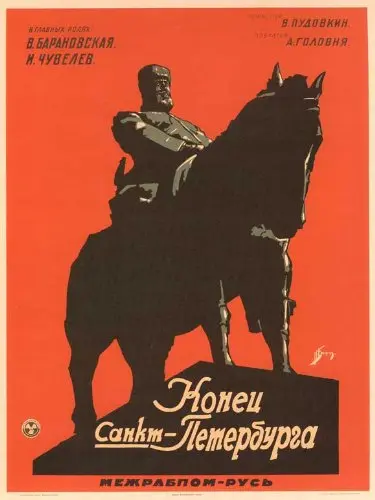
A peasant comes to St. Petersburg to find work.
Is The End of St. Petersburg a film that still resonates in the age of digital blockbusters? Short answer: Yes, but only if you are willing to engage with a style of filmmaking that prioritizes rhythmic impact over dialogue-driven plot.This film is for the cinephile who wants to see the raw blueprints of modern editing...
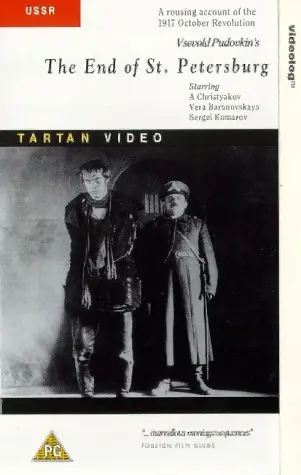
product
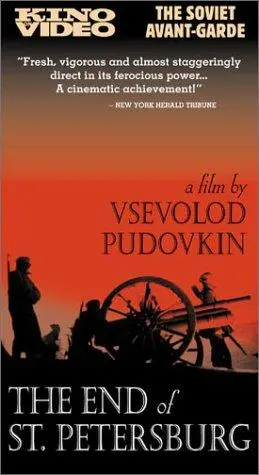
product
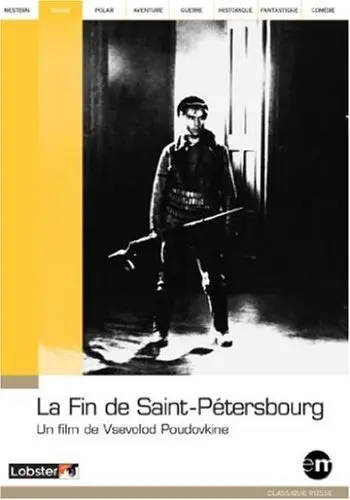
product
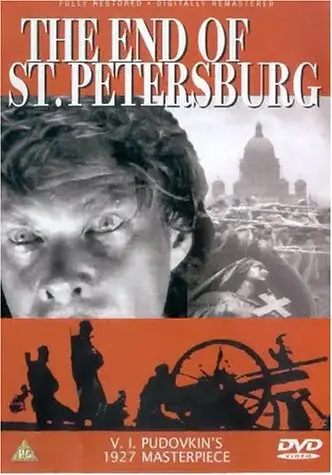
product
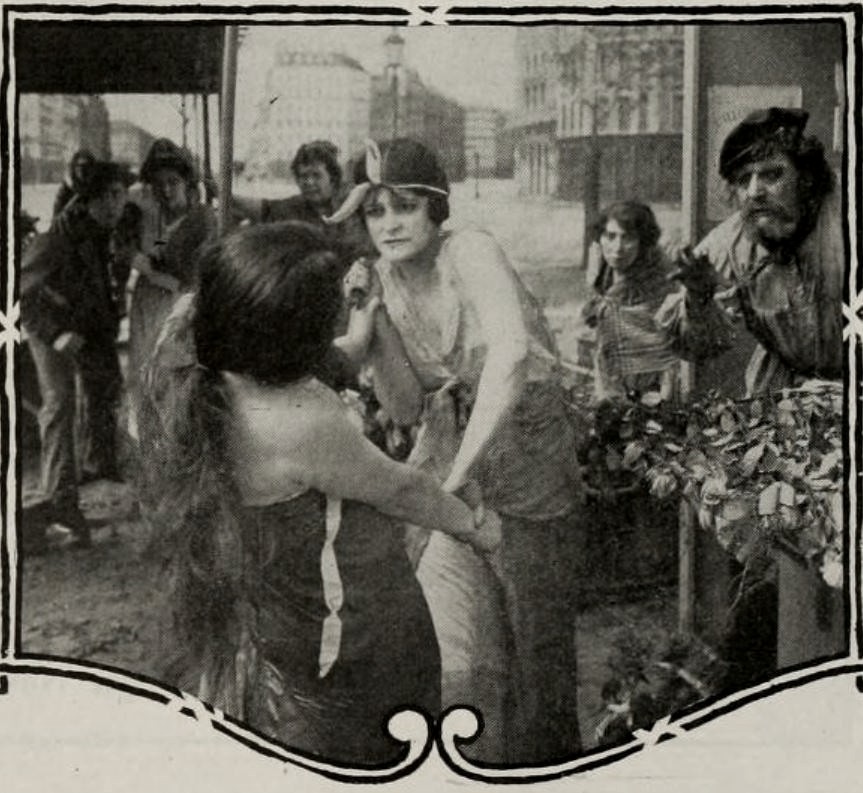
Comparing the cinematic DNA and archive impact of two defining moments in cult history.
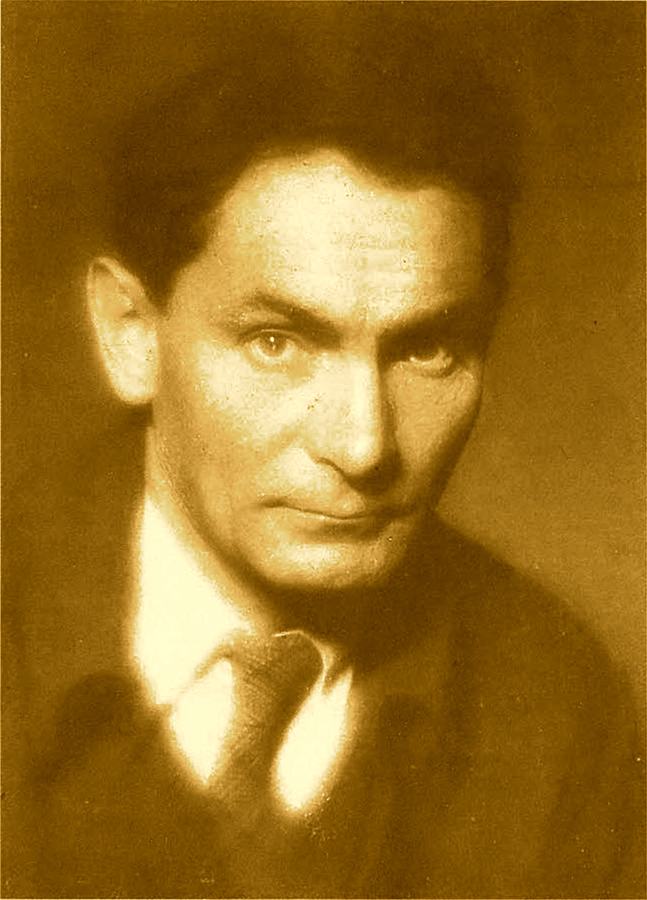
Vsevolod Pudovkin
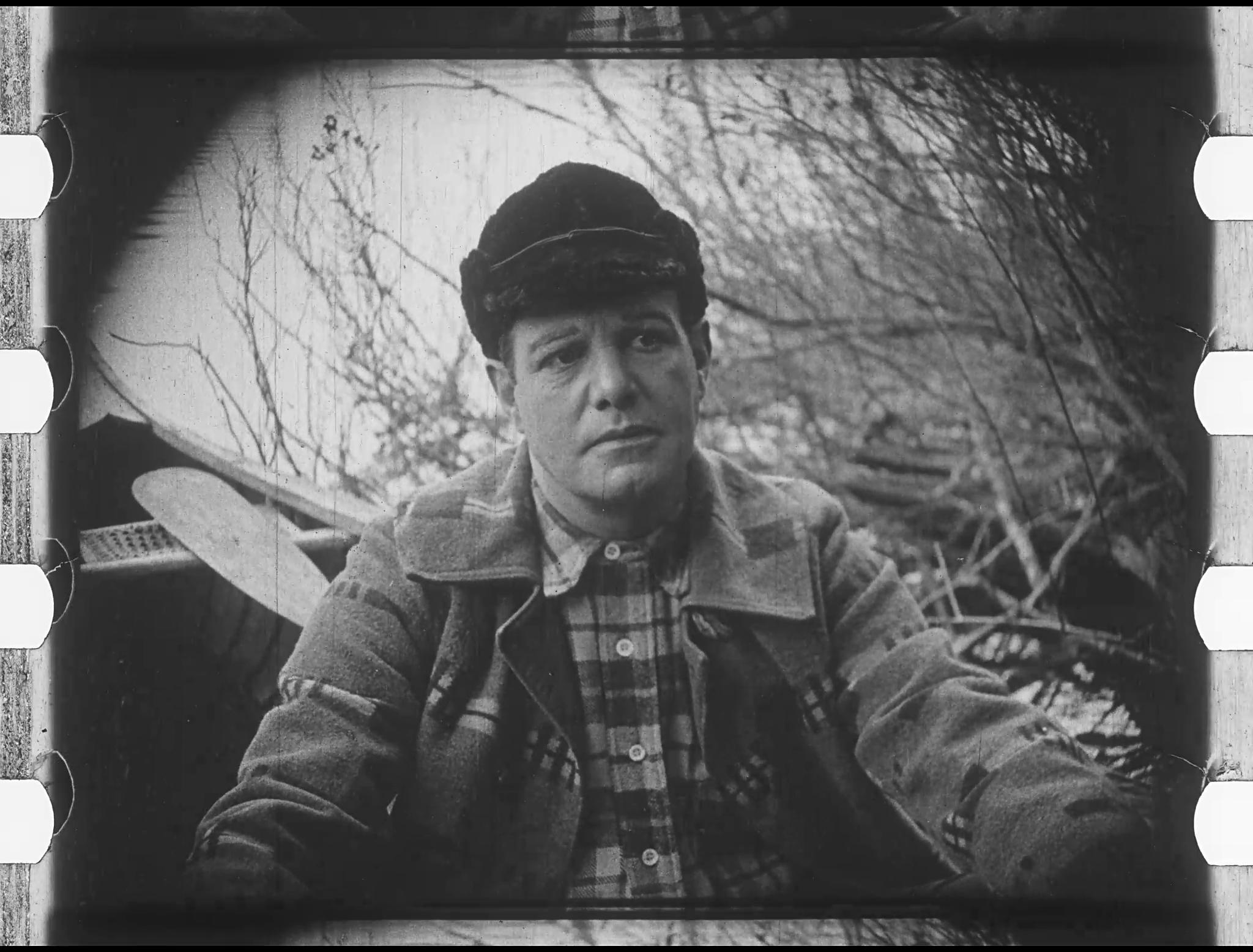
Edgar Jones
Community
Log in to comment.
"Is The End of St. Petersburg a film that still resonates in the age of digital blockbusters? Short answer: Yes, but only if you are willing to engage with a style of filmmaking that prioritizes rhythmic impact over dialogue-driven plot.This film is for the cinephile who wants to see the raw blueprints of modern editing and the history buff who prefers sweat and grime over textbook dates. It is definitively not for those who require a clear hero-villain dynamic or a fast-paced, linear narrative s..."
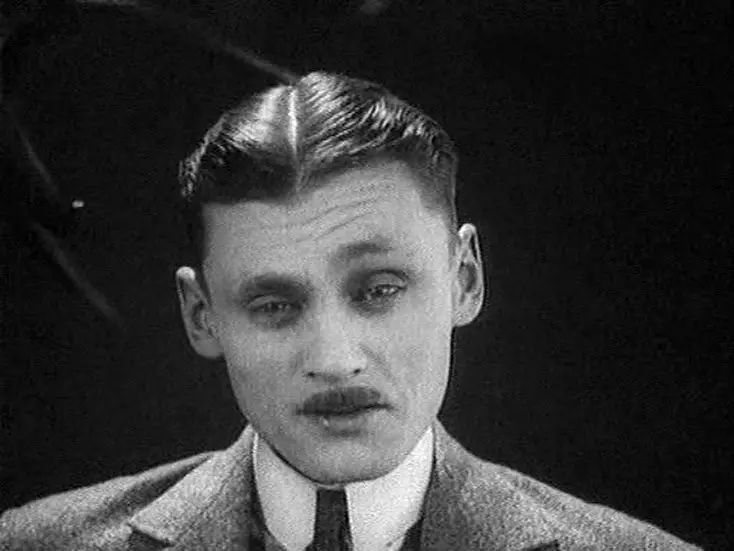
Vladimir Fogel
Nathan Zarkhi
Soviet Union
Deep dive into the cult classic
Discover similar cinematic experiences
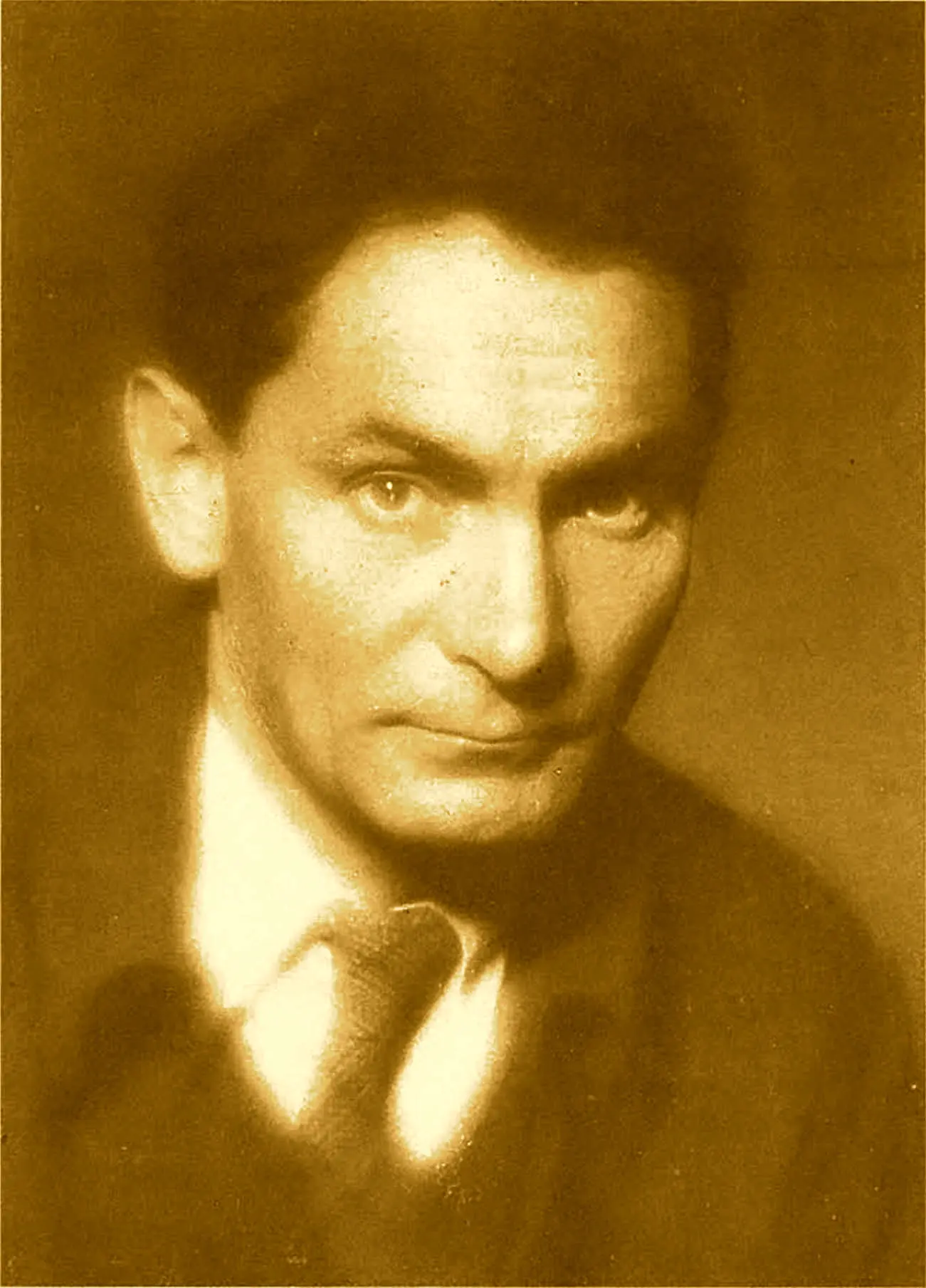
A Directorial Spotlight on Vsevolod Pudovkin