Summary
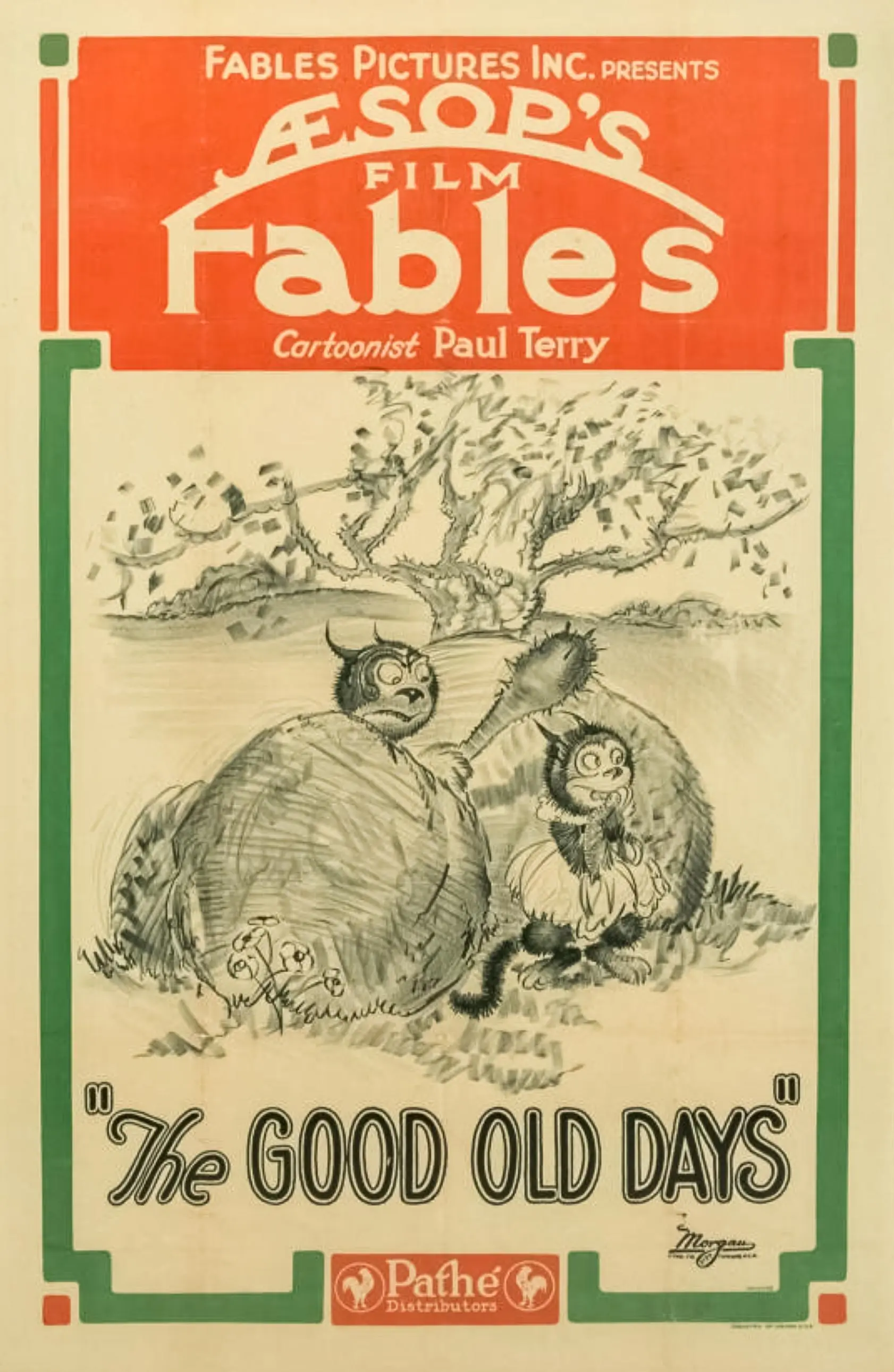
In an era where the flickering light of nitrate film served as the primary vessel for collective dreaming, 'The Good Old Days' emerges as a poignant, if not haunting, meditation on the elasticity of time and the fragility of human recollection. Starring the versatile Paul Terry, the narrative eschews the linear constraints of traditional storytelling, instead opting for a fragmented, kaleidoscopic journey through a series of vignettes that bridge the gap between Victorian rigidity and the burgeoning chaos of the modern age. The film functions as a visual palimpsest, where layers of pastoral innocence are systematically peeled back to reveal a core of existential yearning. Terry’s performance is nothing short of revelatory; he occupies the frame with a physical intelligence that transcends the silent medium, utilizing micro-expressions to convey a profound sense of loss for an era that perhaps never truly existed outside the sepia-toned confines of the imagination. The cinematography utilizes a primitive yet effective chiaroscuro, casting long, skeletal shadows that suggest the haunting presence of history looming over the protagonist’s every move. It is a work that demands not merely observation, but a visceral surrender to its rhythmic, almost hypnotic pacing, challenging the viewer to reconcile the comforts of nostalgia with the cold, unyielding progression of the temporal stream.
Review Excerpt
"
To gaze upon the celluloid remains of The Good Old Days is to participate in a séance with a vanished world. It is not merely a film; it is a temporal artifact that vibrates with the anxieties and aspirations of an era caught in the throes of radical transformation.
While many contemporary critics might dismiss such works as quaint relics, a closer inspection reveals a sophisticated architectural design in its narrative structure. Paul Terry, often overshadowed ..."