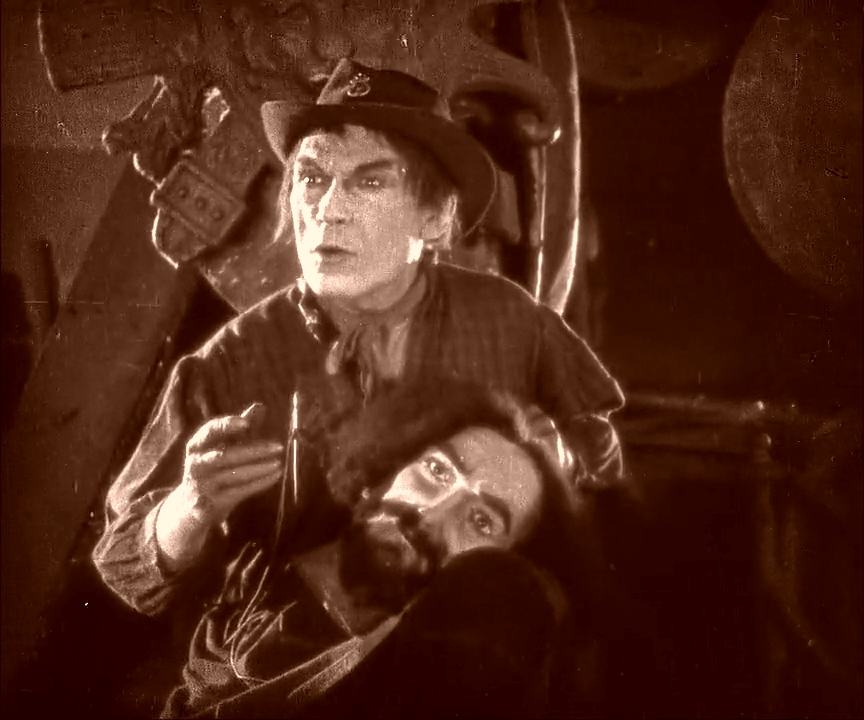
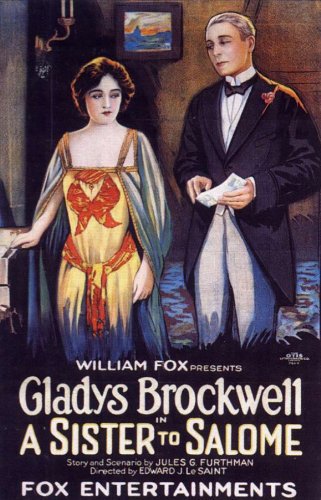
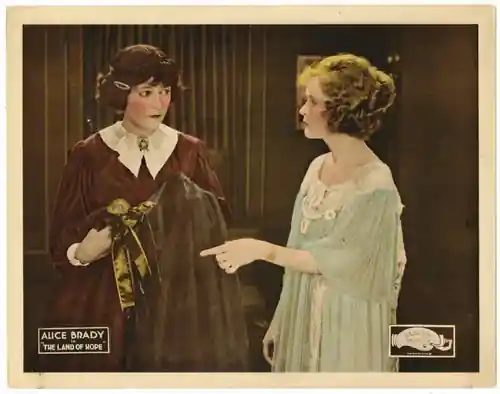
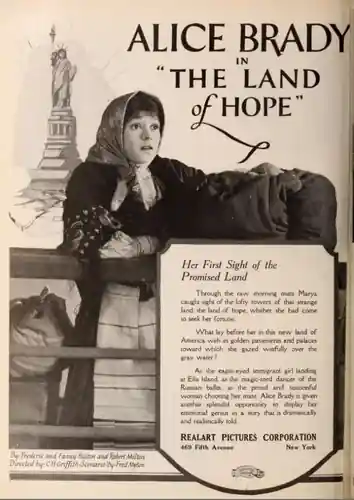
On her journey to the United States, Marya Nisko falls in love with another immigrant, Sascha Rabinoff. Arriving and discovering her sister's poverty, she fails as a lady's maid and then arranges an introduction to a theatrical manager, though Sascha is opposed to her becoming a professional dancer.
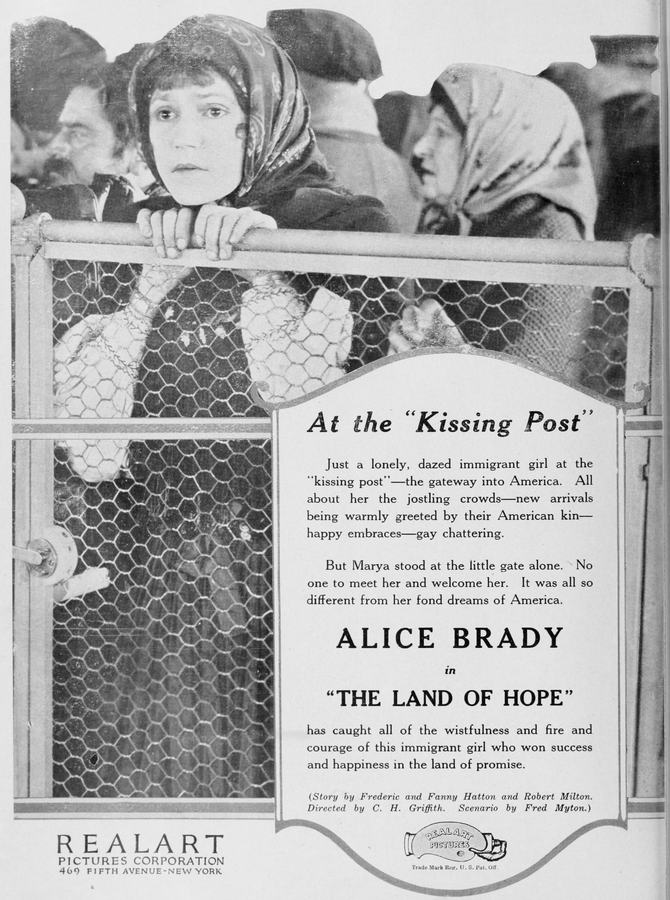
In the annals of immigrant cinema, few narratives resonate with the raw immediacy of *The Land of Hope* (1920s), a film that distills the paradox of American promise into the trembling hands of its protagonist, Marya Nisko, portrayed with quiet intensity by Betty Carsdale. Directed by a nameless hand in the ann...
production_art
production_art
Comparing the cinematic DNA and archive impact of two defining moments in cult history.
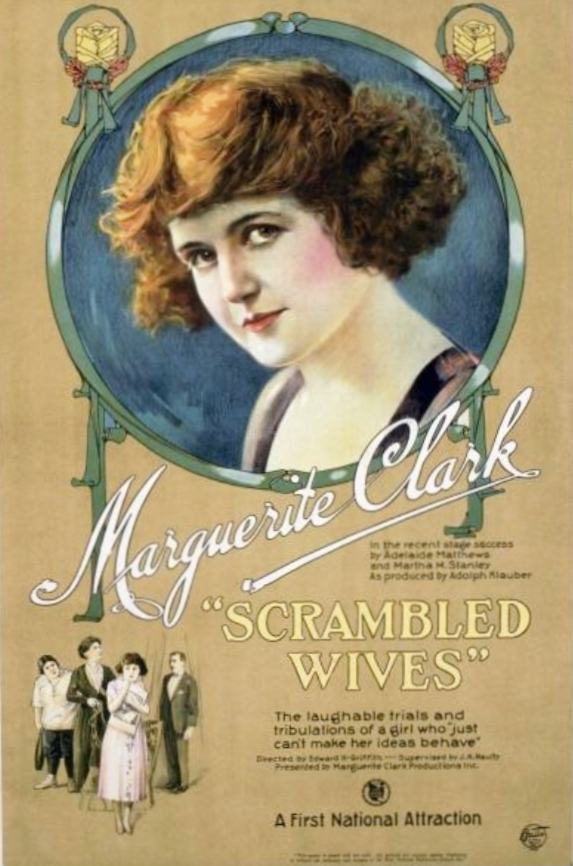
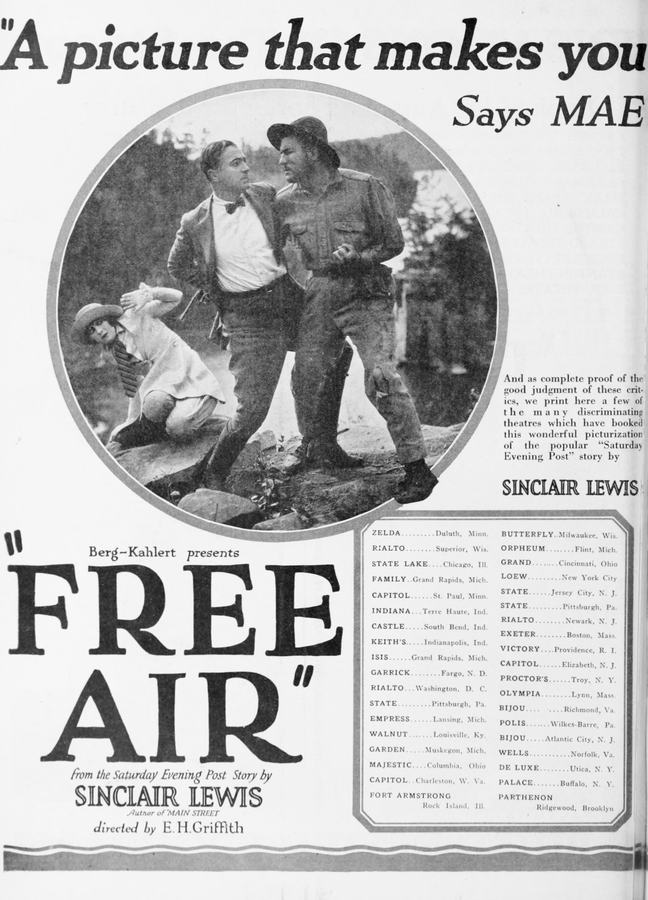
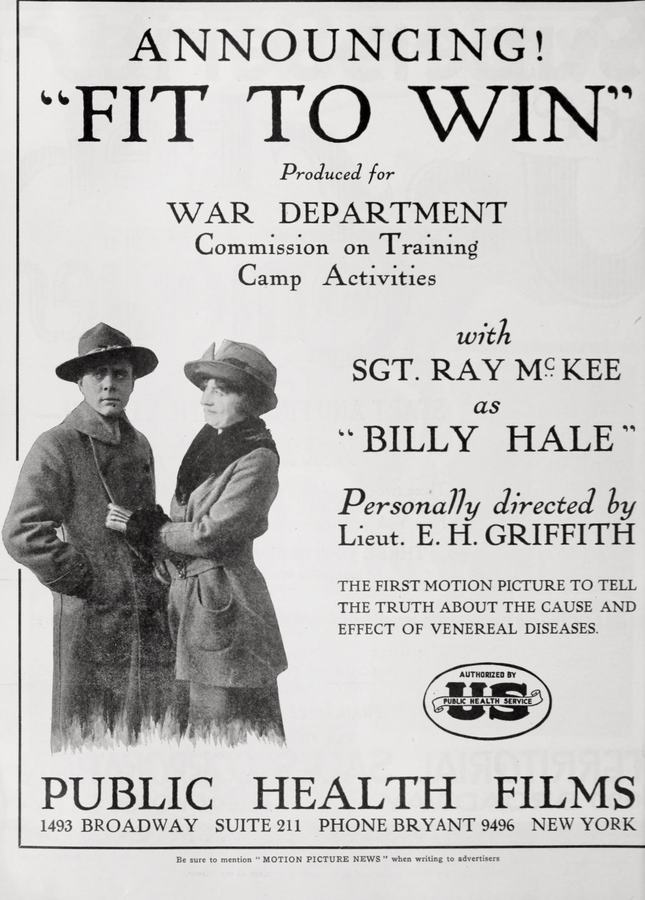
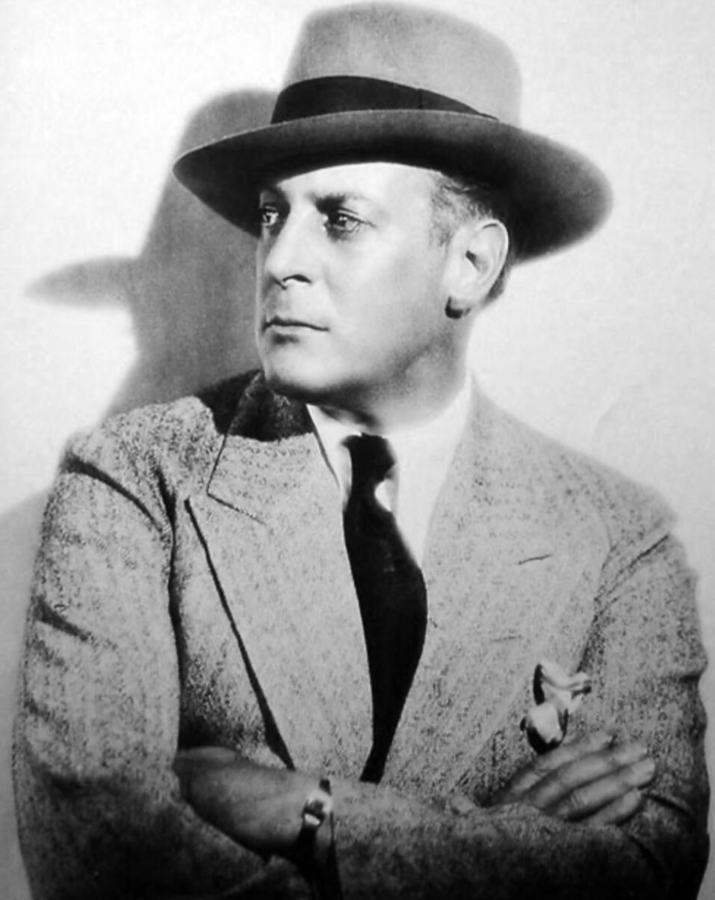
Edward H. Griffith
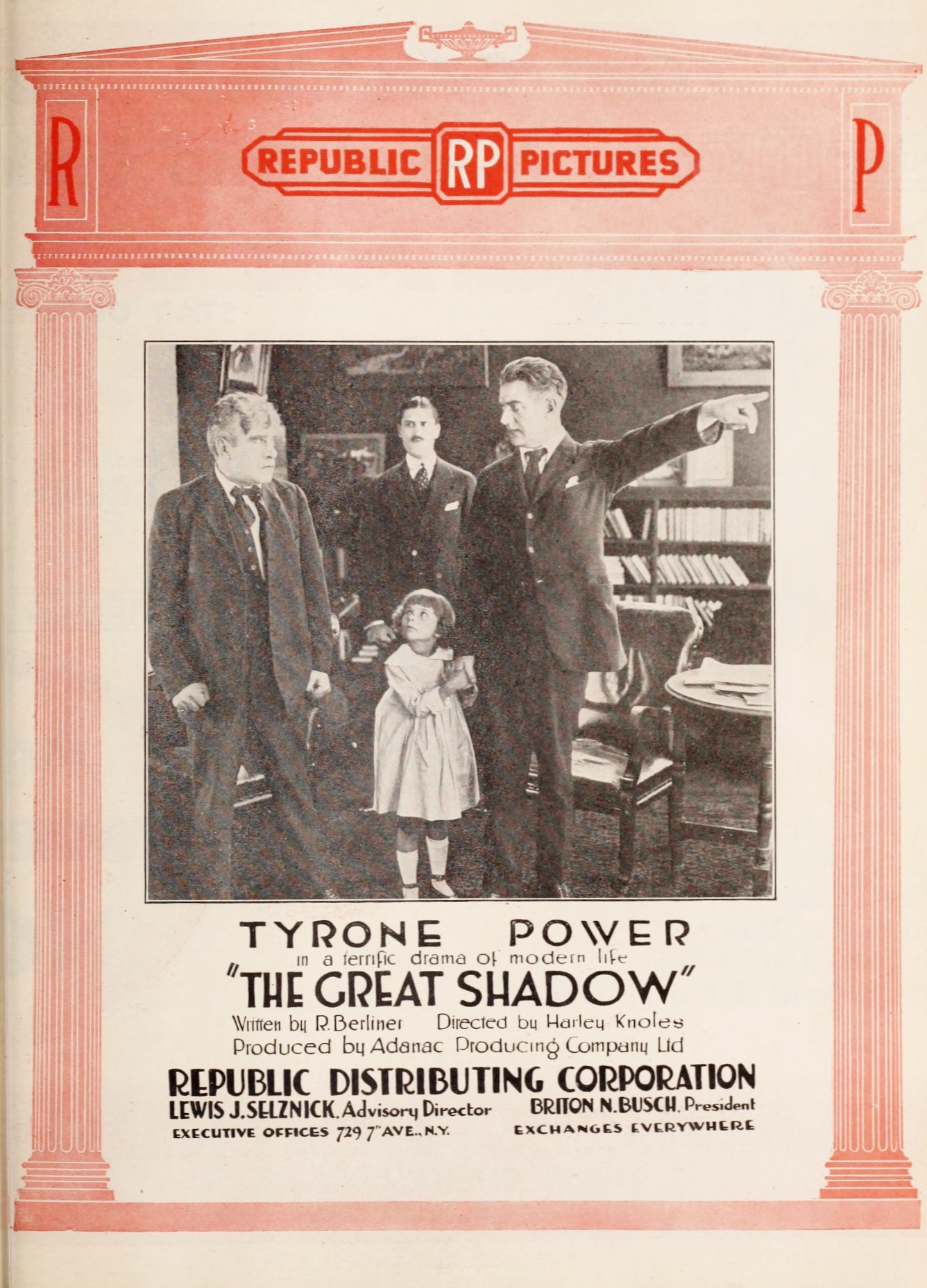
Harley Knoles
Community
Log in to comment.
" In the annals of immigrant cinema, few narratives resonate with the raw immediacy of *The Land of Hope* (1920s), a film that distills the paradox of American promise into the trembling hands of its protagonist, Marya Nisko, portrayed with quiet intensity by Betty Carsdale. Directed by a nameless hand in the annals of silent cinema (Fred Myton’s screenplay, however, remains a ghostly imprint of precision), the film unfolds not as a melodrama of triumph but as a mosaic of fleeting victorie..."
Fred Myton, Frederic Hatton, Fanny Hatton, Robert Milton
United States
Deep dive into the cult classic
Discover similar cinematic experiences
A Directorial Spotlight on Edward H. Griffith