Summary
Johnny Brandt, a restless youth bound by filial duty, abandons his frail, widowed mother to chase the promise of prosperity beyond their modest homestead. He lands at a remote cattle ranch where the proprietor, a taciturn yet fair man, entrusts him with menial labor. Johnny, scrupulous to the point of self‑denial, parcels out his meager wages, sending each coin home while penning letters that inflate his fortunes, a thin veil of optimism over his grinding toil. The ranch’s foreman, a cunning antagonist with a predilection for manipulation, frames Johnny for the homicide of an elderly ranch hand, exploiting the community’s suspicion and securing Johnny’s incarceration. Desperate, his mother journeys to the desolate town, only to be ensnared by the foreman's deceit; he confiscates her scant savings under the pretense of bribing officials to liberate her son. In the courtroom, Johnny mounts an unorthodox defense, invoking his horse—a nervous, gun‑shy animal—as a living testament that the alleged shooter could not have been near the victim, for the horse would have reacted with terror. The jury, persuaded by the animal’s palpable dread, acquits Johnny, exposing the foreman’s conspiracy and his cohorts. The narrative resolves with a tender reunion between mother and son, and Johnny’s courtship of the ranch owner’s daughter, sealing his integration into the community he once feared.
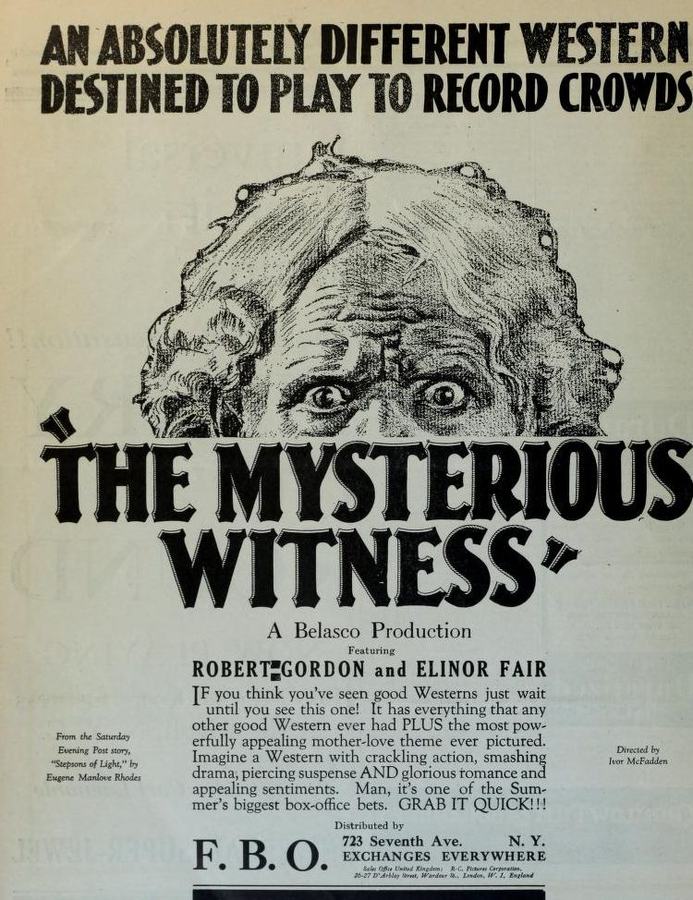
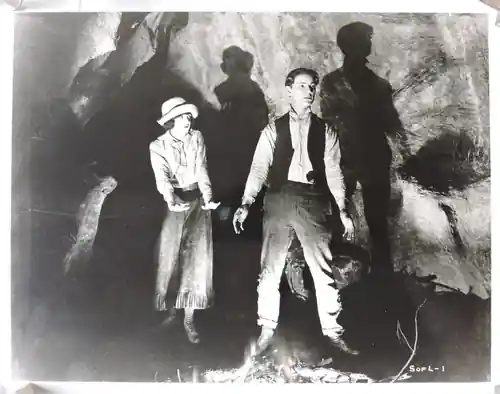
Johnny Brandt leaves his aged widowed mother to go out into the world to make some money. He arrives on a ranch where he is given a job. Johnny stints himself and sends all his money back to his mother but writes her that he is making progress. Johnny is accused by the foreman of the murder of an old man and is put in prison. His mother failing to hear from him comes to the little town. She is met at the station by the foreman who takes all the money she has under the pretense of aiding her to secure her son's release. During the trial Johnny asks to present his horse as a witness, proving that because of the animal being gun shy it would have been impossible for him to have committed the murder as described by the 'eye witness.' The verdict is not guilty and the foreman and his accomplices are held. Johnny is reunited with his mother and wins the owner's daughter for his bride.
Review Excerpt
"
A Silent Western Reimagined
When the dust‑laden reels of early American cinema flicker to life, few titles evoke the raw, unvarnished moral calculus of the frontier quite like The Mysterious Witness. Directed by a yet‑to‑be‑named auteur of the silent era, the film stitches together a tapestry of filial devotion, courtroom ingenuity, and the inexorable pull of love, all against the backdrop of an unforgiving desert landscape.
Narrative Architecture and Thematic Resonance
At its core, ..."