Summary
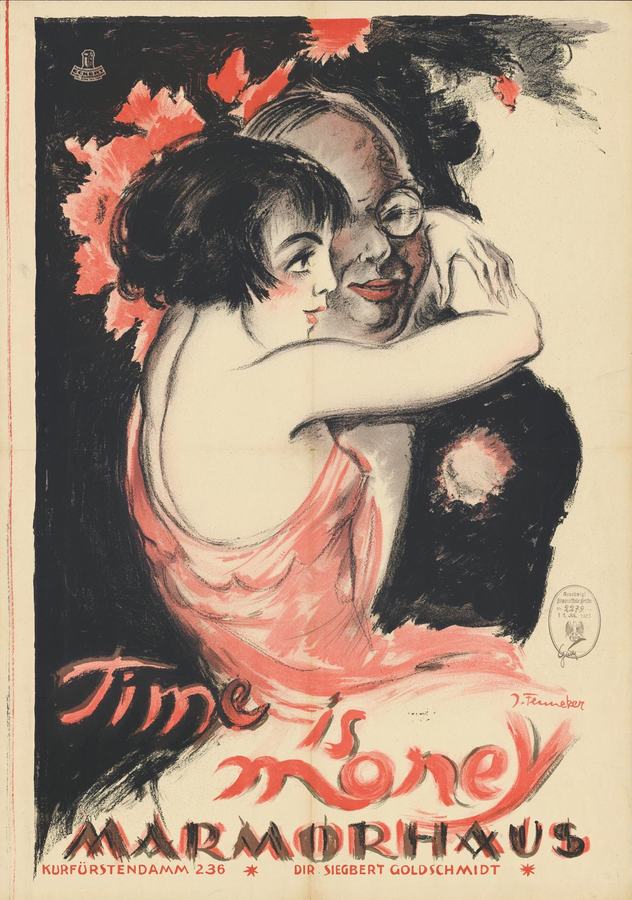
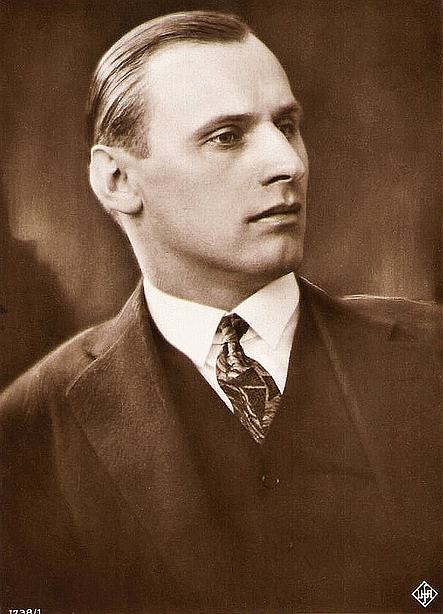
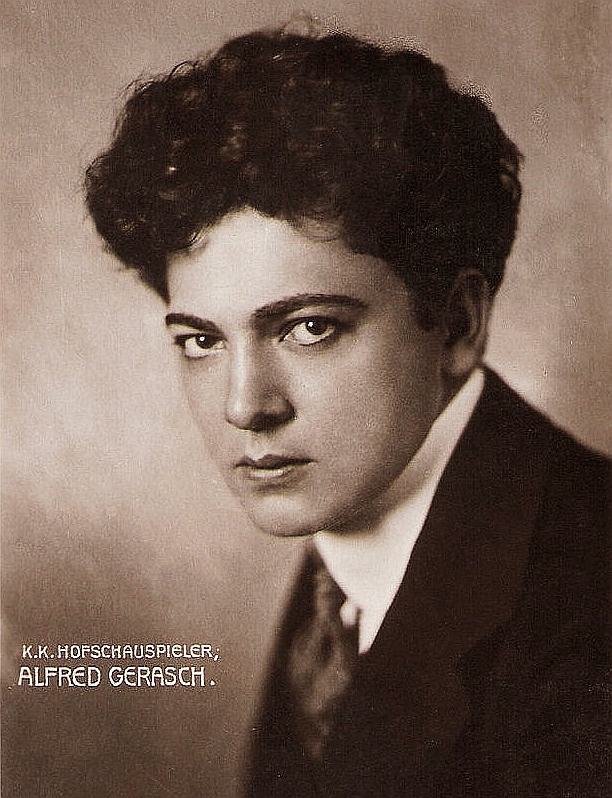
In the waning days of the Weimar Republic, clockmaker Johann (Alfred Gerasch) discovers an uncanny ability to manipulate the perception of time, turning it into a commodity for the burgeoning capitalist elite. When industrial magnate Friedrich (C.W. Tetting) commissions Johann to devise a device that can accelerate production cycles, the artisan’s modest workshop becomes a clandestine laboratory for temporal engineering. As Johann perfects the mechanism—a brass‑cased chronometer capable of compressing hours into minutes—he attracts the attention of a cadre of opportunists: the suave but unscrupulous financier Otto (Harry Berber), the ambitious journalist Liesel (Grete Reinwald), and the enigmatic aristocrat Countess von Hohenberg (Colette Corder). Their intersecting motives ignite a cascade of betrayals, love affairs, and moral quandaries. Fritz Rasp embodies the cynical broker Karl, who trades in seconds like stocks, while Hermann Picha provides comic relief as the bumbling assistant Emil, whose clumsy mishaps threaten to expose the operation. Philipp Manning appears as the weary judge, presiding over a courtroom where the very definition of theft is contested. Heinz Salfner portrays the stoic factory foreman, whose workers, driven to exhaustion, become unwitting test subjects for Johann’s invention. The narrative crescendos as Johann, tormented by the ethical weight of his creation, must choose between personal salvation and the inexorable march of profit, culminating in a dramatic courtroom showdown where the notion of "time is money" is both literal and metaphorical.
Review Excerpt
"
Time Is Money Review
A Clockwork Allegory for an Age of Avarice
When the silver screen of the mid‑1930s presented audiences with a narrative that fused the ticking of gears with the relentless churn of capitalism, few films dared to articulate the paradox as boldly as Time Is Money. Crafted by the trio of writers Walter Wassermann, Robert Heymann, and Fred Sauer, the screenplay weaves a tapestry of ambition, exploitation, and existential dread, all anchored by a protagonist whose craft is ..."