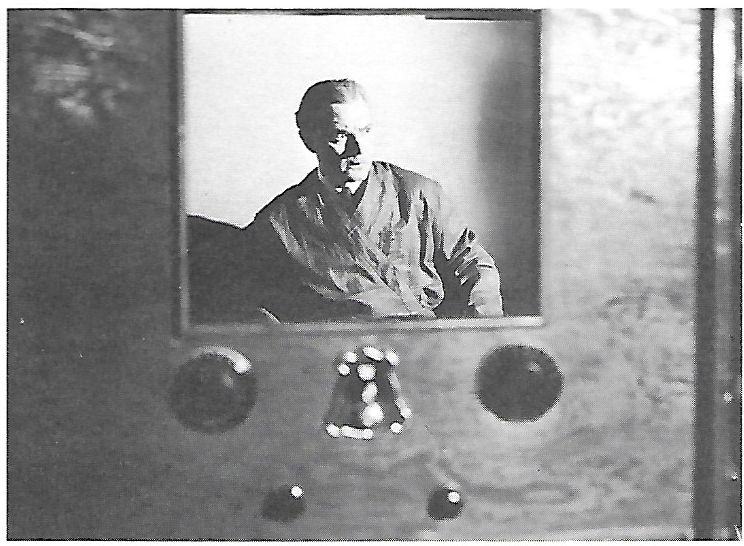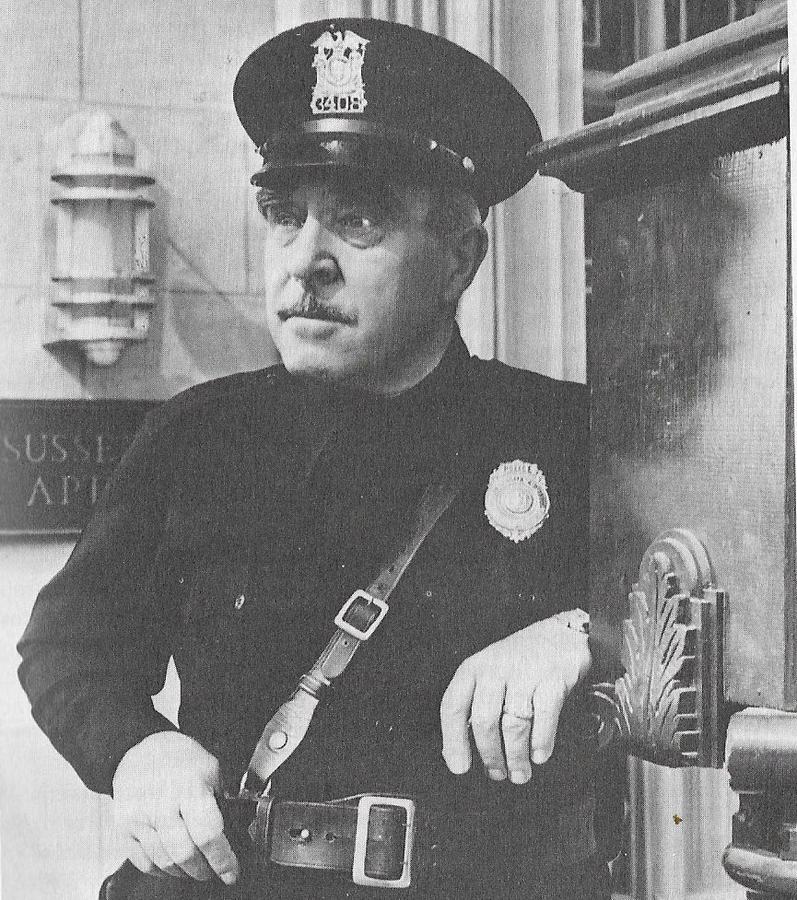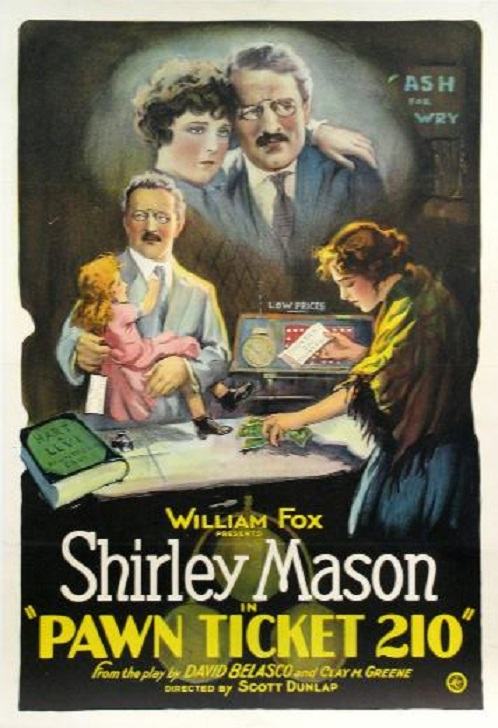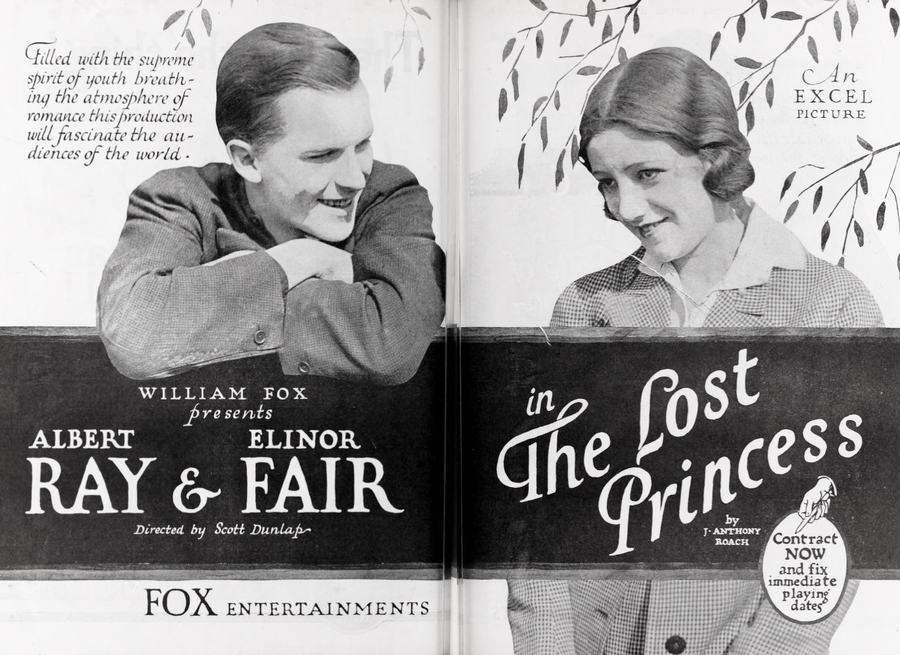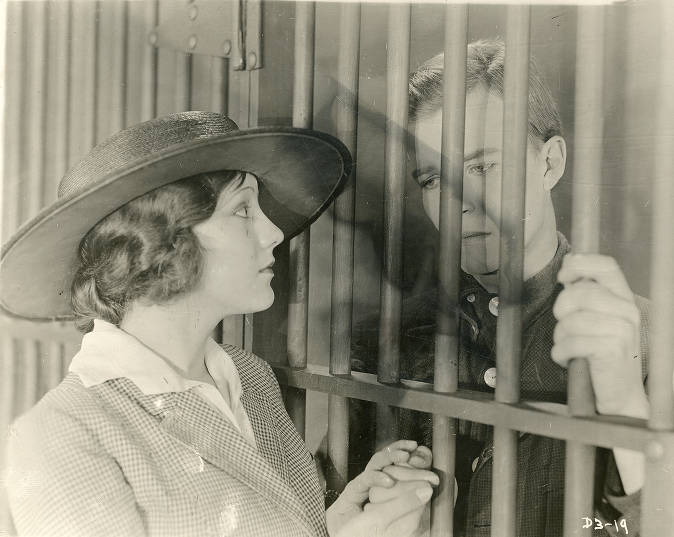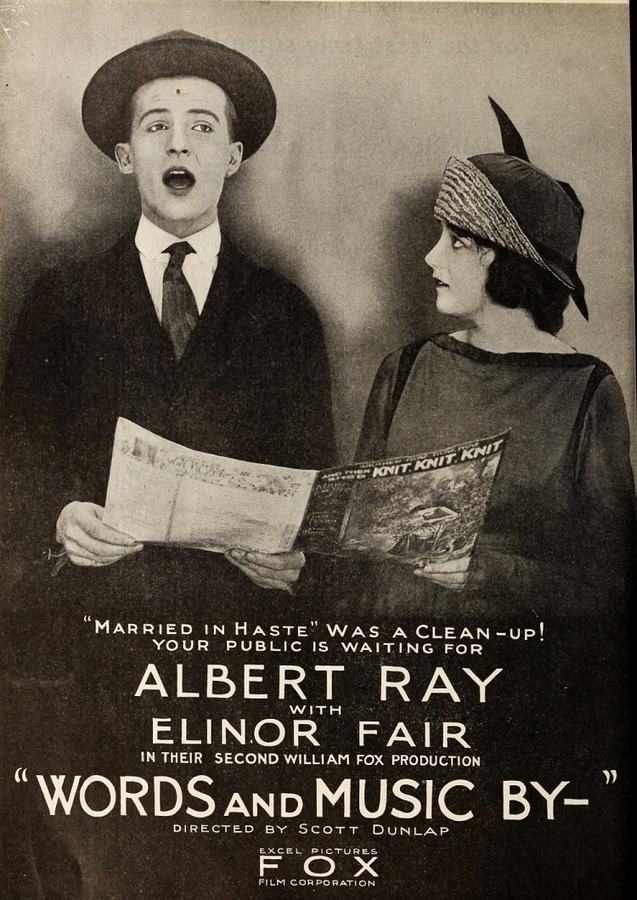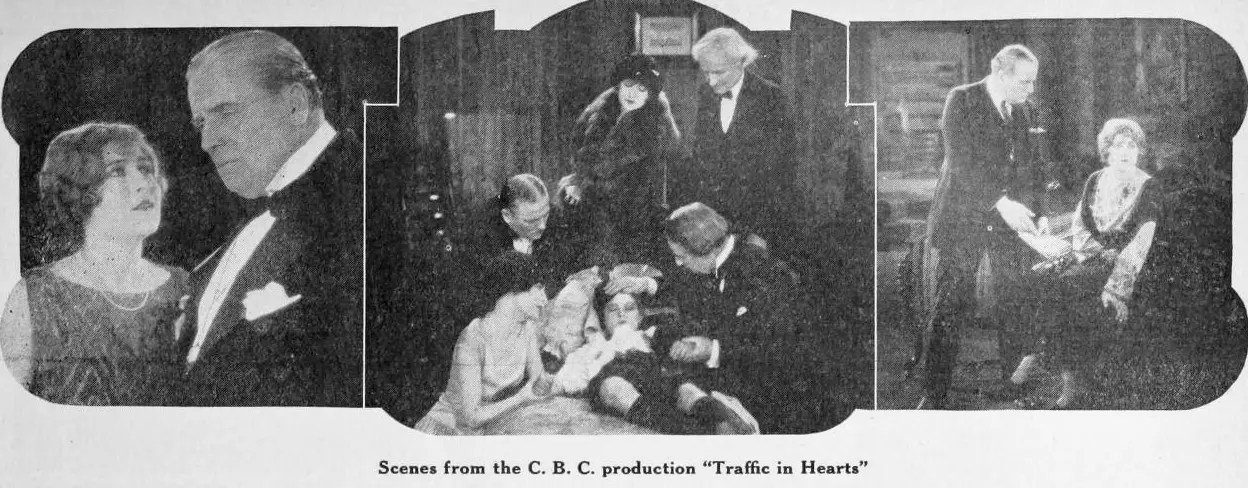
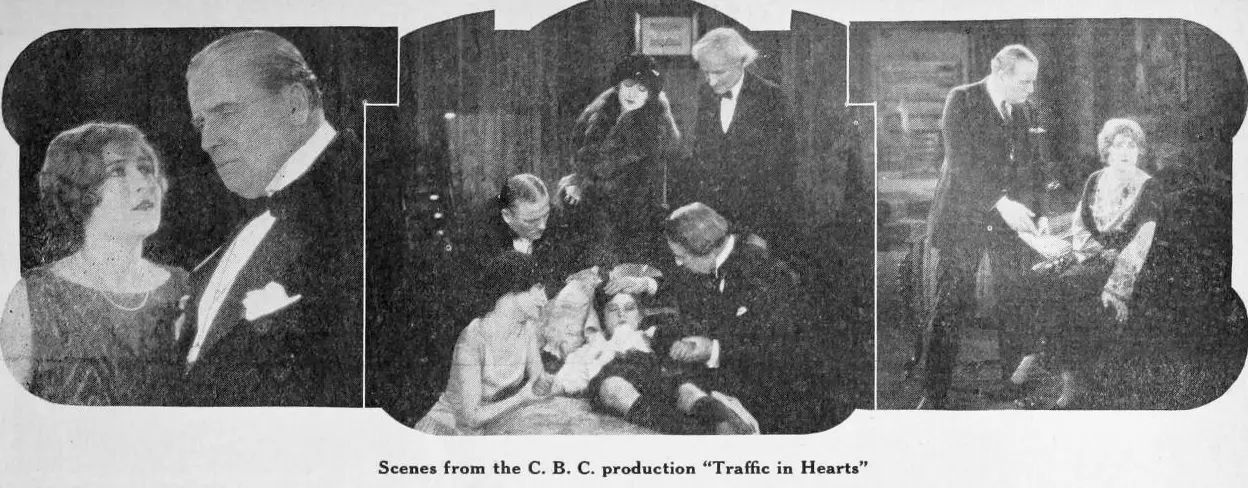
Lawrence Hallor's plans to build model tenements for the poor are wrecked by his sweetheart's father, John Hamilton, a tyrannical political boss. He revives his plan under another identity, and Hamilton orders him crushed; but when Alice reveals his true identity, Hamilton revokes his order and sanctions the housing plan as well as his daughter's marriage.
The 1924 cinematic landscape was often dominated by the grandiose and the grotesque, yet Traffic in Hearts carves out a niche that is simultaneously intimate and sweeping in its socio-political critique. It is a film that refuses to be categorized merely as a melodrama, opting instead to dissect the ana...
still_frame
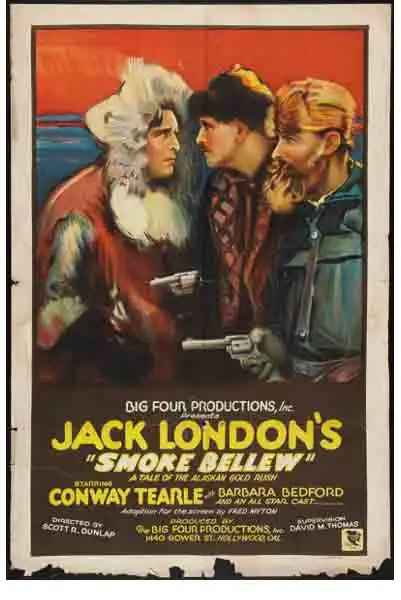
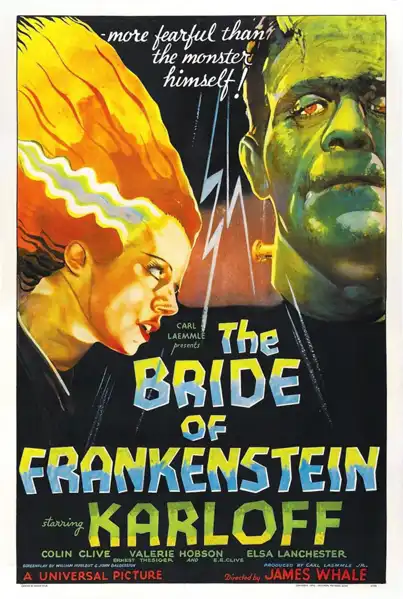
Comparing the cinematic DNA and archive impact of two defining moments in cult history.
Scott R. Dunlap
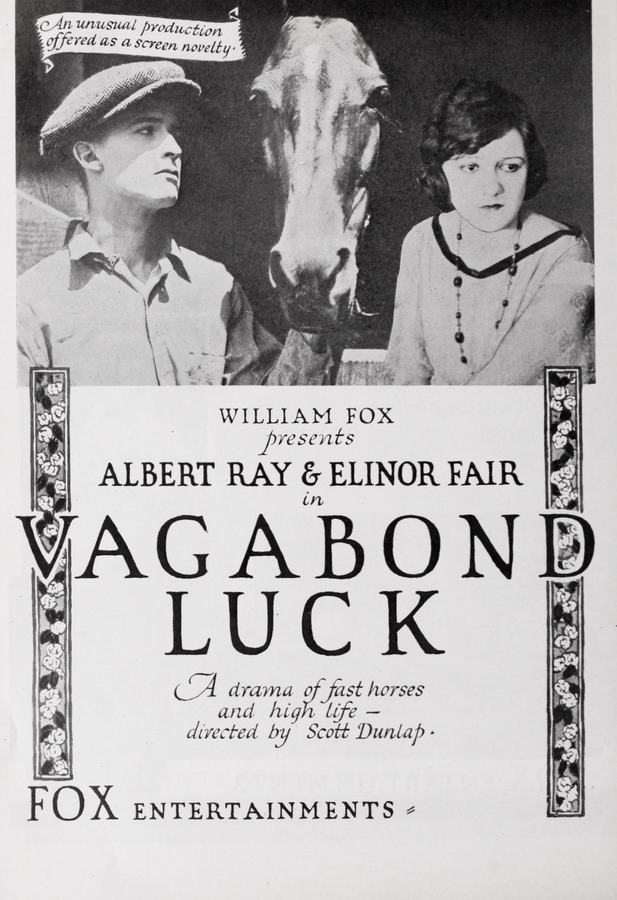
Scott R. Dunlap
Community
Log in to comment.
" The 1924 cinematic landscape was often dominated by the grandiose and the grotesque, yet Traffic in Hearts carves out a niche that is simultaneously intimate and sweeping in its socio-political critique. It is a film that refuses to be categorized merely as a melodrama, opting instead to dissect the anatomy of municipal corruption through the lens of romantic entanglement. The Architect of Reform vs. The Engine of Corruption At the heart of this narrative is Lawrence ..."
Betty Morrissey
Edgar Keller, Dorothy Yost, Irving W. Bunze, Jack Stone
United States
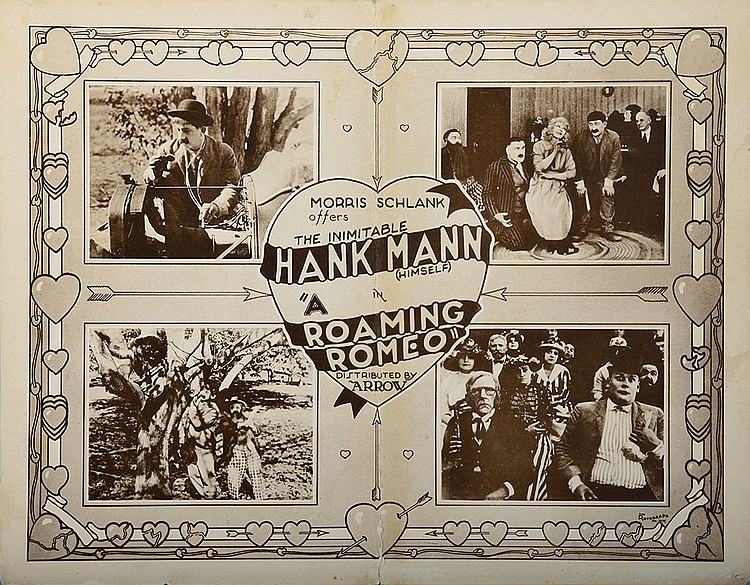
Deep dive into the cult classic
Discover similar cinematic experiences
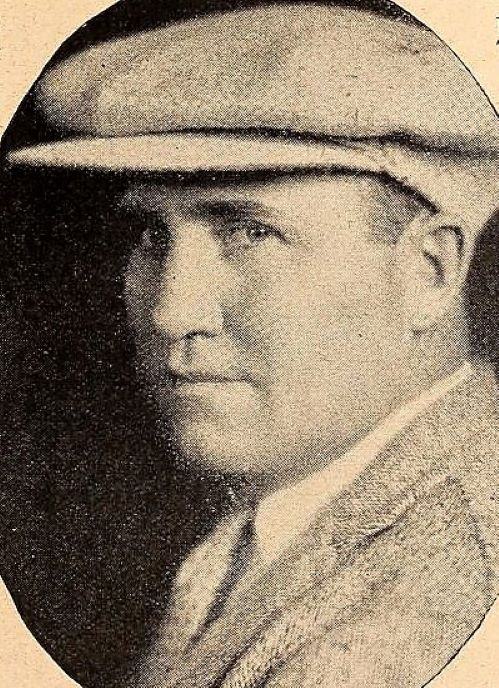
A Directorial Spotlight on Scott R. Dunlap