Summary
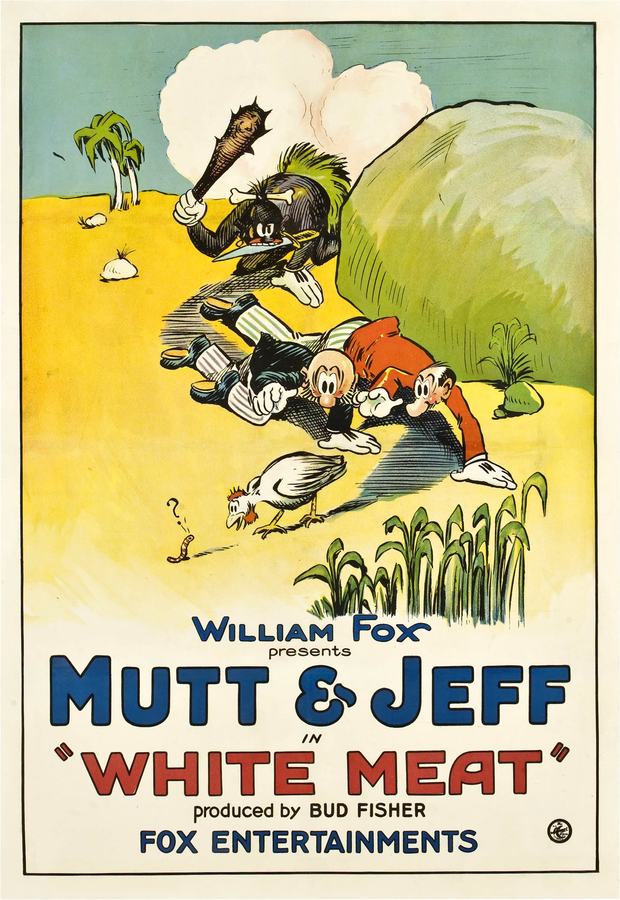
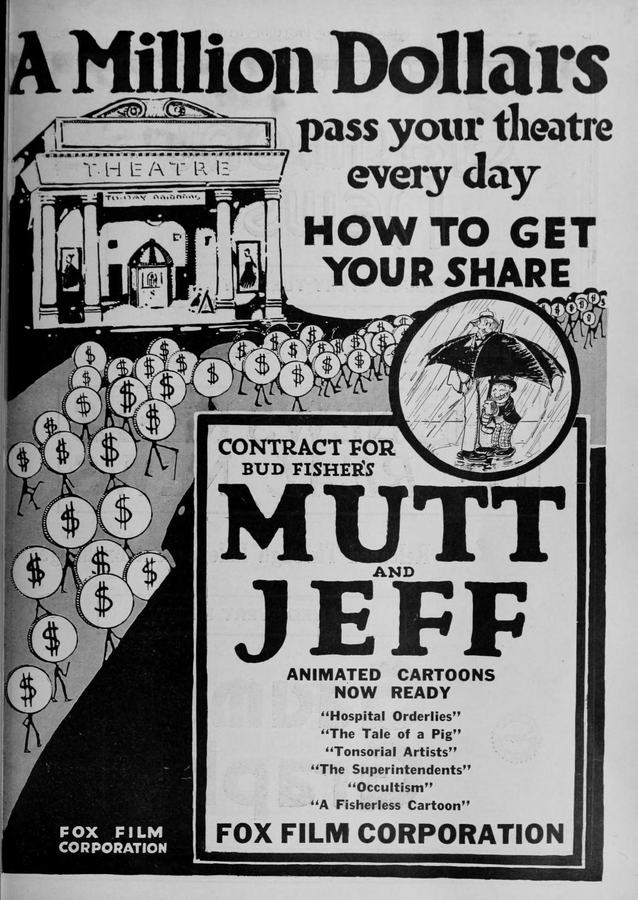
White Meat, a 1922 silent comedy by Bud Fisher, is a masterclass in physical farce and situational irony, weaving together the absurdist charm of early Hollywood with the anarchic spirit of vaudeville. Fisher, as both writer and star, crafts a narrative where a hapless butcher’s obsession with culinary perfection spirals into a series of escalating mishaps, each more farcical than the last. The film’s genius lies in its meticulous choreography of slapstick—Fisher’s character, Mr. Hambone, is a man tormented by his own hyperbole, his pursuit of the 'perfect cut' leading him to sabotage his business, alienate his customers, and inadvertently become the town’s reluctant hero. The narrative pivots on a central paradox: the more obsessively Hambone enforces his rigid standards, the more chaos ensues, culminating in a climax where he must reconcile his ego with the chaotic, messy reality of human connection. The film’s visual language is deceptively simple yet richly layered, with Fisher’s expressive physicality and the exaggerated set design (think meat hooks as both literal and metaphorical traps) creating a world where every object is a prop for comedy and every movement a calculated punchline. Comparisons to The Fire Flingers’ pyrotechnic chaos or The Ace of Hearts’ romantic misadventures are apt, yet White Meat stands apart for its deadpan absurdity and Fisher’s ability to mine pathos from buffoonery.
Review Excerpt
"body{background:#000;color:#fff;font-family:Georgia}.title{color:#C2410C;font-size:24px}em{color:#EAB308}strong{color:#0E7490}In the pantheon of silent cinema, Bud Fisher’s White Meat (1922) occupies a peculiar niche: a film that is at once a relic and a revelation, a product of its era yet strikingly modern in its thematic resonance. Fisher, who would later become synonymous with the character Slue-Foot Sue, here strips away the grotesque exaggerations of his later work to deliver a performance..."