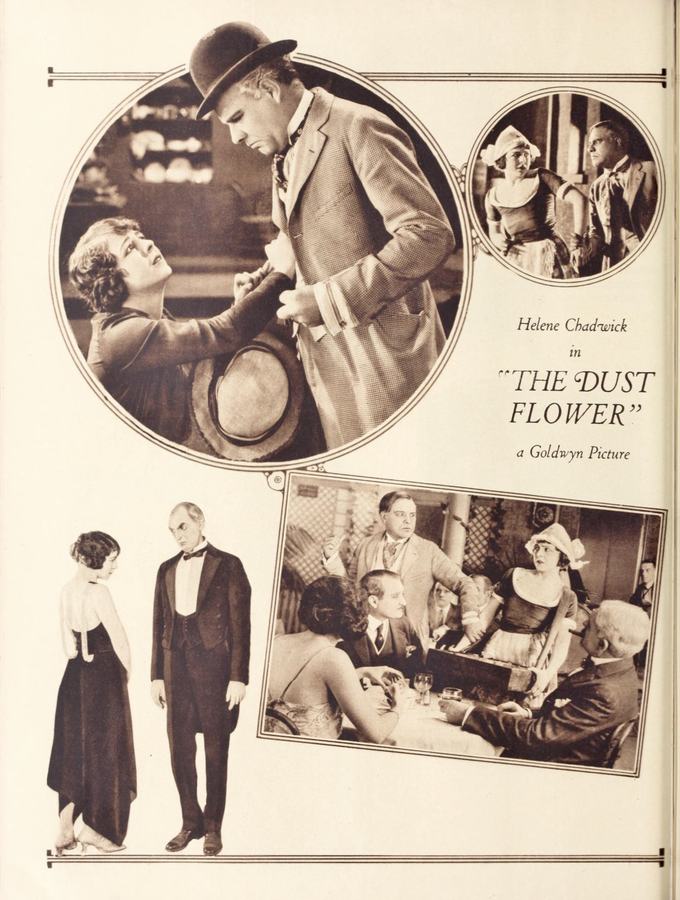
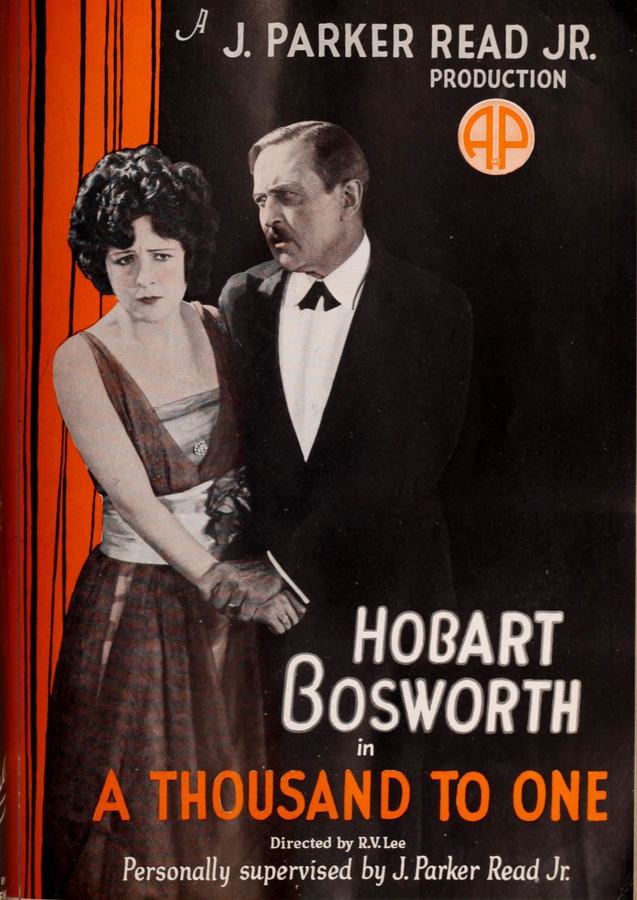
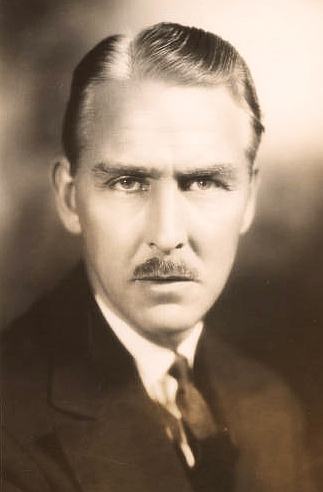
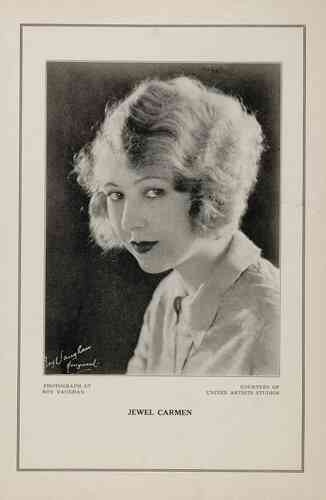
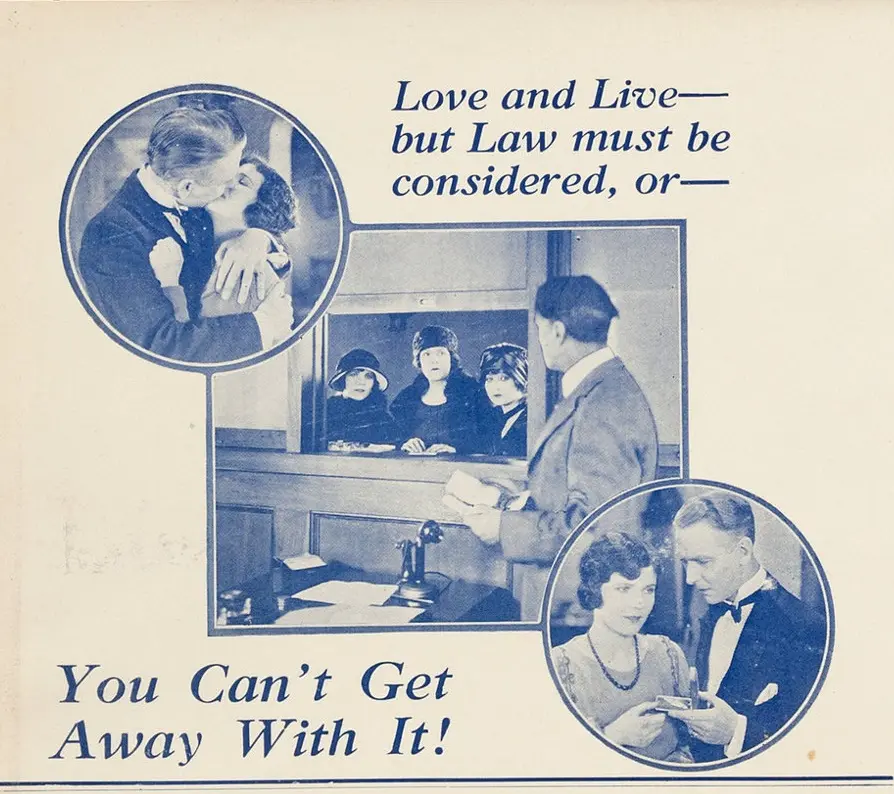
Poverty forces Jill Mackie to work in a department store, where she falls in love with its owner, Charles Hemingway. They form an illicit alliance when Mrs.
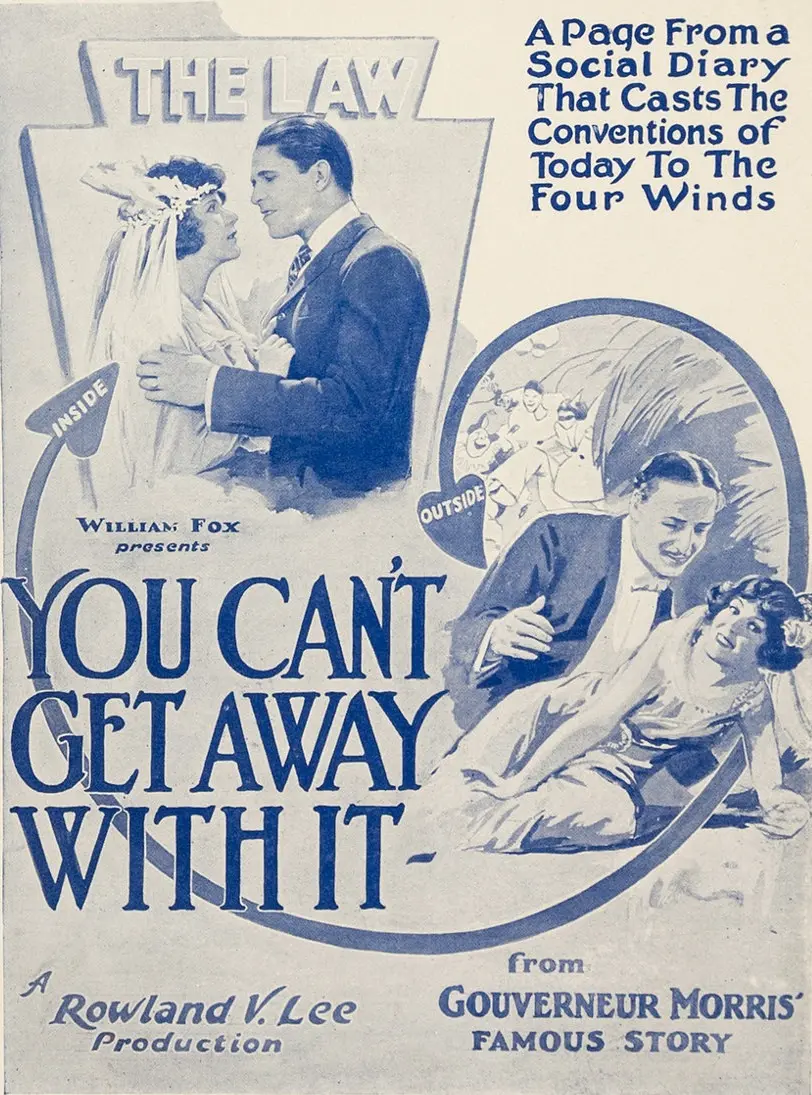
The 1923 silent era was a landscape defined by sharp contrasts, where the glitz of the burgeoning Jazz Age collided with the lingering Victorian moralities of the previous century. In the midst of this cultural friction, You Can't Get Away with It emerges not merely as a melodrama, but as a searing indictment of the ec...
publicity
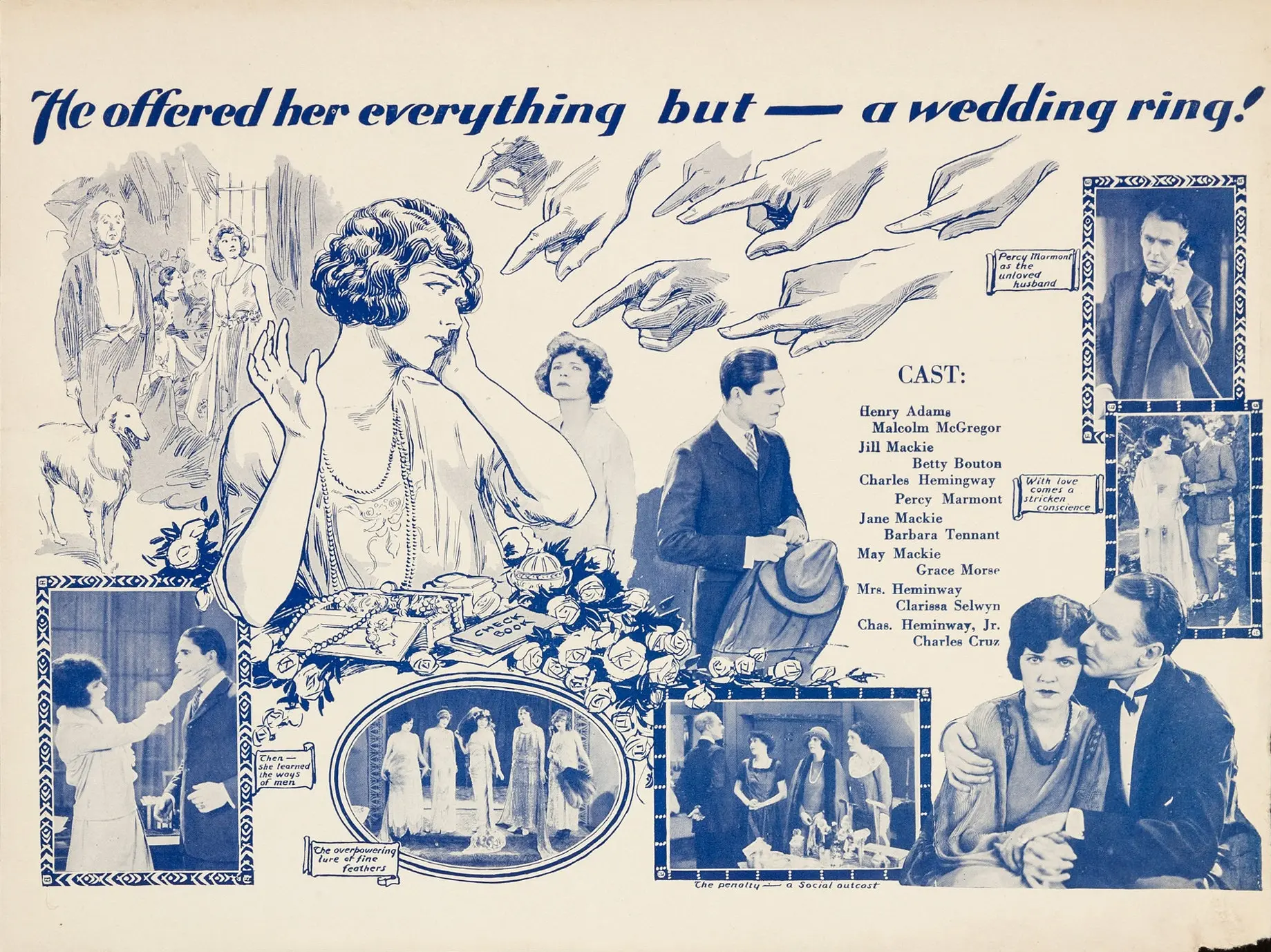
publicity
Comparing the cinematic DNA and archive impact of two defining moments in cult history.
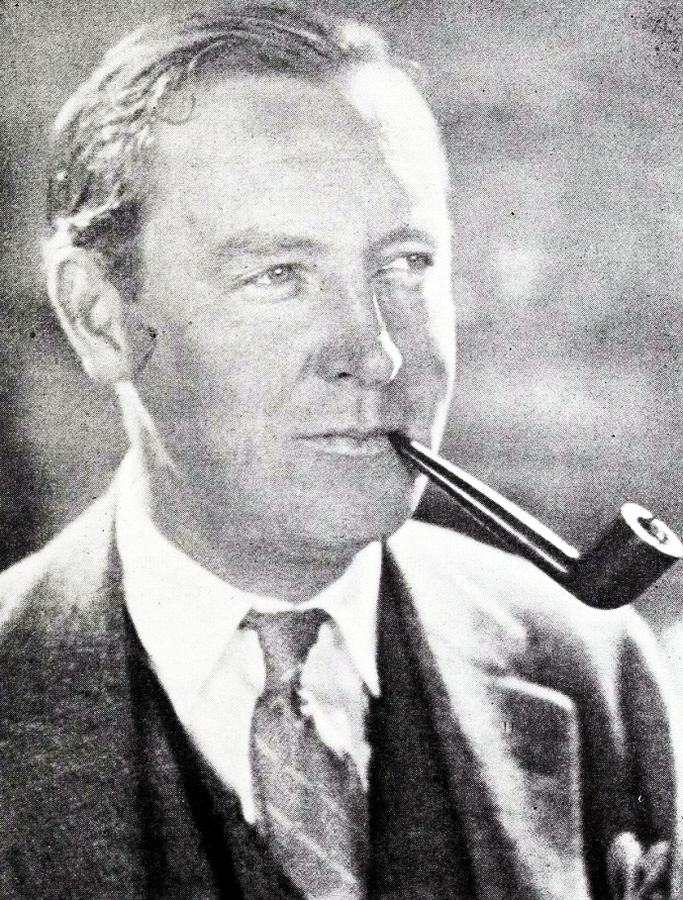
Rowland V. Lee
Dallas M. Fitzgerald
Community
Log in to comment.
"The 1923 silent era was a landscape defined by sharp contrasts, where the glitz of the burgeoning Jazz Age collided with the lingering Victorian moralities of the previous century. In the midst of this cultural friction, You Can't Get Away with It emerges not merely as a melodrama, but as a searing indictment of the economic structures that commodify female virtue. Directed with a steady, if somewhat somber, hand, the film navigates the treacherous waters of class stratification and the illusory..."
Robert N. Lee, Gouverneur Morris
United States
Deep dive into the cult classic
Discover similar cinematic experiences
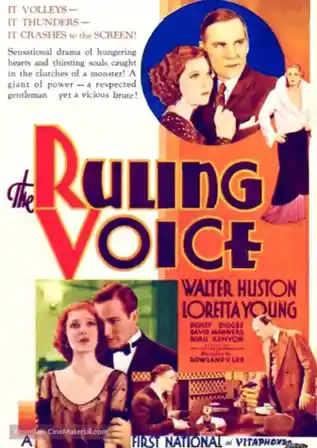
A Directorial Spotlight on Rowland V. Lee